Shiogama Shrine (Wakayama City, Wakayama Prefecture) Complete Guide
Shiogama Shrine, located in Kada, Wakayama City, Wakayama Prefecture, is a shrine that has long been revered as the god of salt production and maritime safety. Situated in a scenic location overlooking the Kitan Strait, it is affectionately known as “Shiogama-san” by locals. This article provides a detailed introduction to the history, blessings, highlights of the shrine grounds, and information for visitors.
History and Origins of Shiogama Shrine
Origin of Founding
While there are various theories regarding the founding date of Shiogama Shrine, it is believed to have existed since the Heian period, as a shrine dedicated to the Kada area, which has long been a center of salt production. Kada has been a prosperous region for salt production since ancient times, and Shiogama Shrine has been worshipped as the guardian deity of those engaged in salt production.
The name of the shrine, “Shiogama,” means a hearth used for making salt, indicating its deep connection to salt production. Taking advantage of Kada’s geographical location facing the sea, the technique of boiling seawater to produce salt has been passed down since ancient times, and Shiogama Shrine has played an important role as its guardian deity.
Connection to the Kada Region
Kada has developed as a fishing and salt-making town facing the Kitan Strait. Shiogama Shrine, as a spiritual pillar supporting the local industry, attracts the faith of not only fishermen and salt producers but also the entire community.
During the Edo period, it received the patronage of the Kishu Domain and was maintained as an important local shrine. Even today, it remains deeply rooted in the community, playing a central role in local festivals and annual events.
Deities and Benefits
Main Deity
The main deity of Shiogama Shrine is Shiotsuchi-no-Oji-no-Kami. Shiotsuchi-no-Oji-no-Kami is known in Japanese mythology as the god who introduced salt-making techniques, and is also revered as a god of the sea and navigation.
This deity, who appears in the *Kojiki* and *Nihon Shoki*, is also depicted as a god of wisdom who showed Yamasachihiko (Hoori-no-Mikoto) the way to the sea palace, thus possessing aspects of a god of guidance and wisdom.
Main Benefits
Shiogama Shrine is believed to offer the following benefits:
Safe Childbirth and Fertility
Shiotsuchi-no-Oji-no-Kami is also worshipped as a god of safe childbirth, and many worshippers visit to pray for safe childbirth and fertility. It is particularly popular among pregnant women and couples hoping to conceive a child.
Prayers for Maritime Safety and Abundant Catch
Due to its nature as a god of the sea and navigation, those involved in fishing and shipping pray here for maritime safety and abundant catches. Fishermen in Kada have a custom of visiting the shrine before setting sail.
Prosperity of the Salt Industry
Due to its original nature as a god of salt production, there is also a belief in praying for the prosperity of industries related to salt.
Protection from Misfortune and Good Fortune
As a god of wisdom and guidance, it is believed to be effective for warding off misfortune and praying for good fortune at important life events.
Business Prosperity
Visitors praying for prosperity in businesses dealing with seafood, and in commerce in general, also come here.
Highlights of the Shrine Grounds
Main Hall and Worship Hall
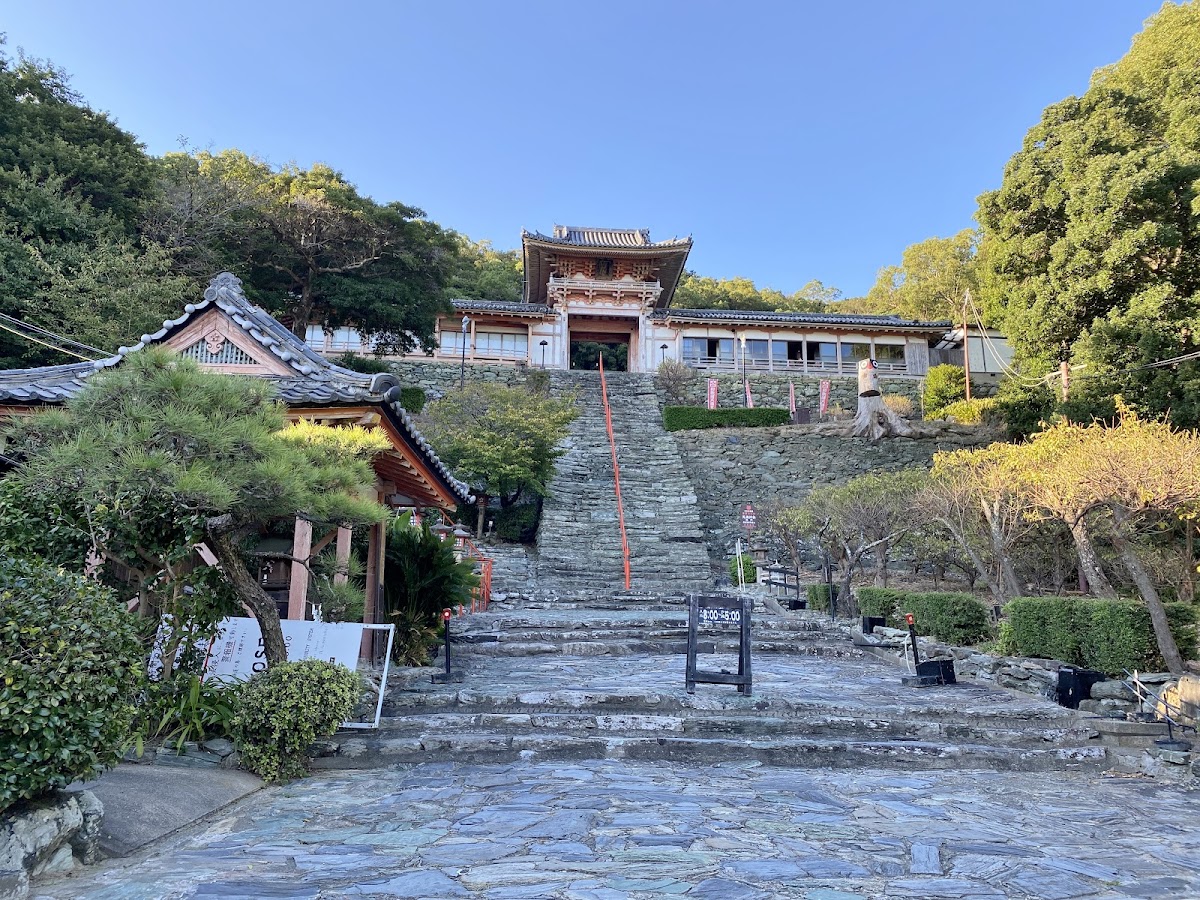
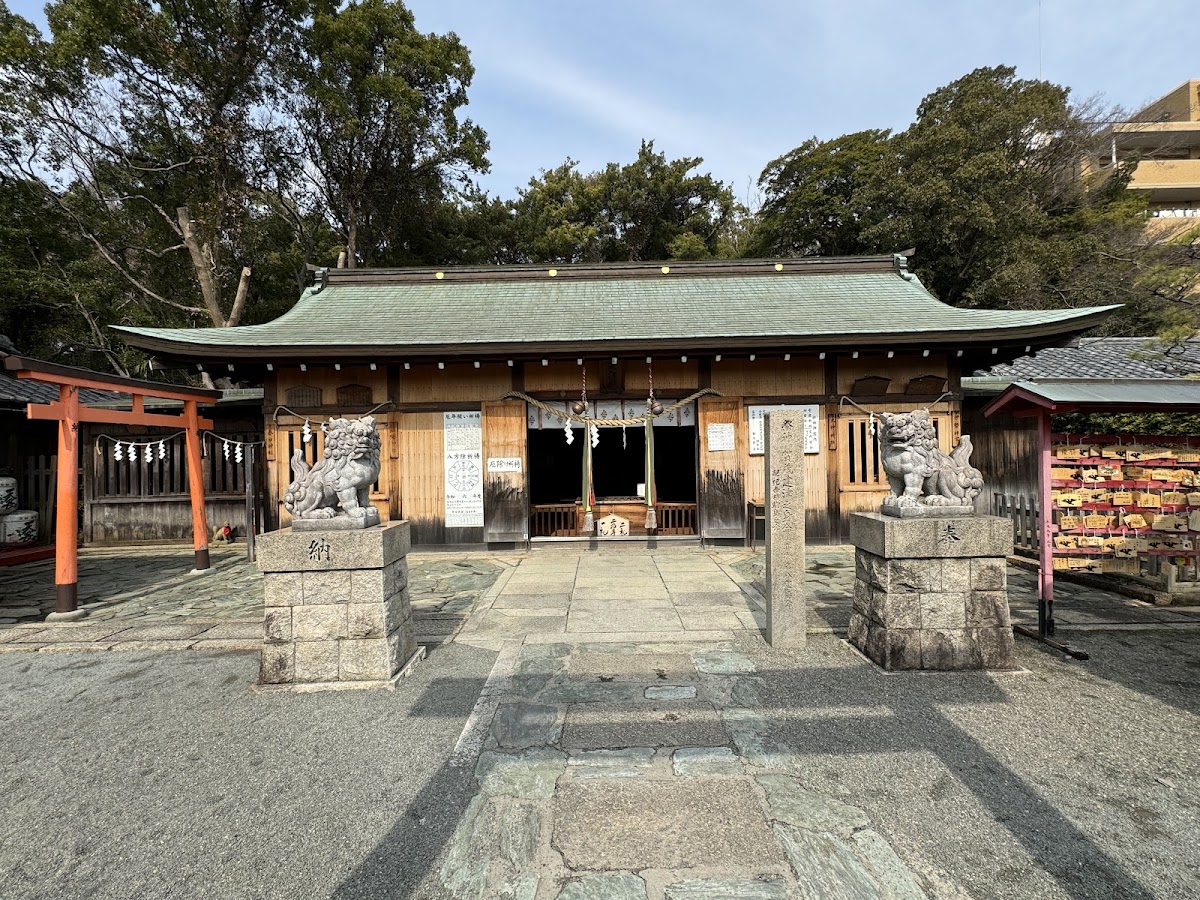
The main hall of Shiogama Shrine is built in a traditional shrine architectural style, exuding a sense of history. In the worship hall, daily visitors offer their prayers, finding peace in a tranquil atmosphere.
The decorations and carvings of the main shrine feature motifs related to the sea and salt, allowing for a visual understanding of the shrine’s history.
Subsidiary Shrines
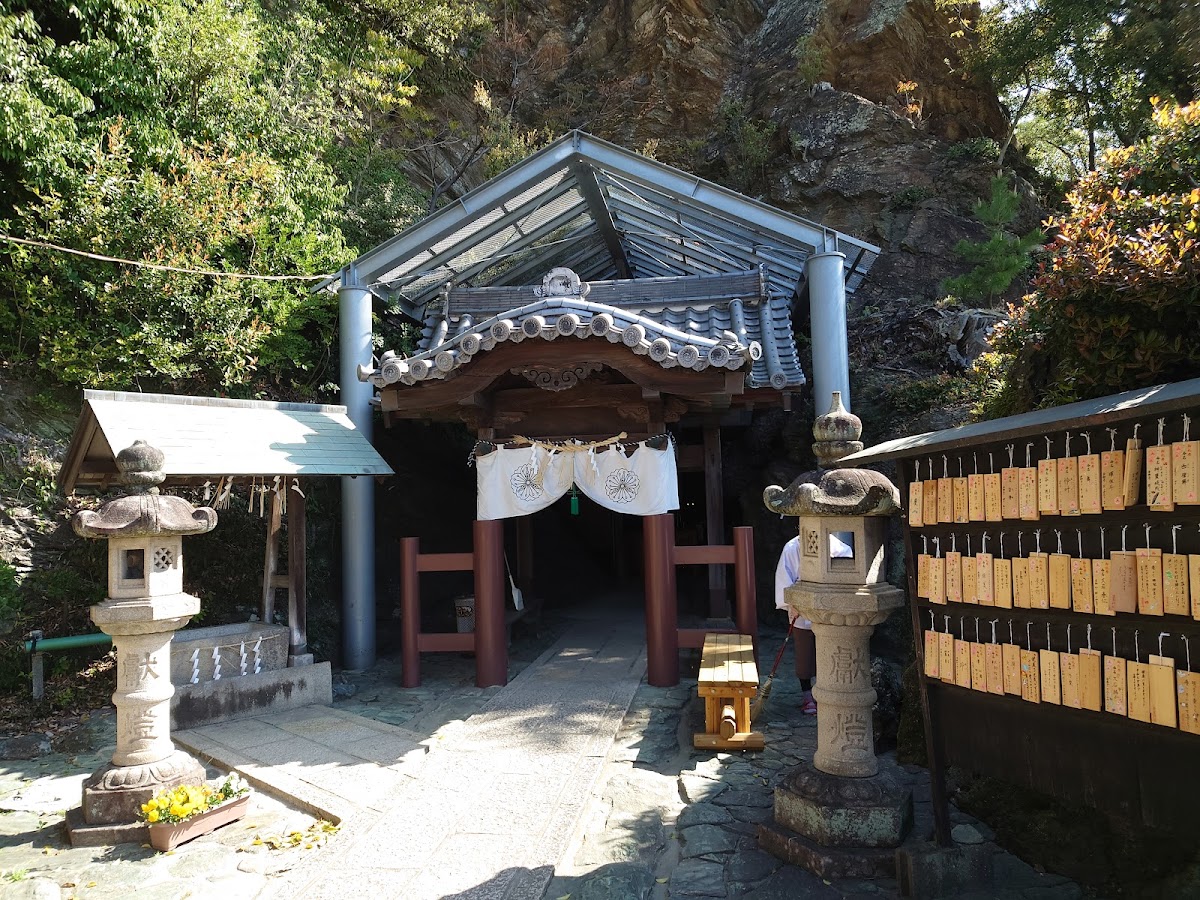
In addition to the main shrine, several subsidiary shrines are enshrined within the grounds. These small shrines also embody local beliefs, and each is believed to offer different blessings.
Stone Monuments and Memorials
Historical stone monuments and memorials are erected within the grounds, preserving the history of the shrine and local events. Reading these inscriptions provides a deeper understanding of the history of Shiogama Shrine and Kada.
Views
From within the grounds of Shiogama Shrine, there are spots where you can see the Kitan Strait and Awaji Island. On clear days, you can enjoy the beautiful ocean scenery, feeling the blessings of nature along with your worship.
Annual Events and Festivals
Grand Festival
Shiogama Shrine holds its annual grand festival every year. Local people gather, and events such as portable shrine processions and dedication ceremonies are held, making it an important opportunity to pass on traditional culture.
New Year’s Visit
Many worshippers visit the shrine for their first shrine visit of the new year. It is bustling with people praying for safety and prosperity throughout the year, and is a characteristic New Year’s event in the region.
Other Annual Events
In addition to the spring and autumn festivals, regular Shinto rituals such as monthly festivals are held. These events also play a role in strengthening the bonds of the local community.
Etiquette and Manners for Worship
Basic Worship Etiquette
When visiting Shiogama Shrine, please observe the following basic etiquette:
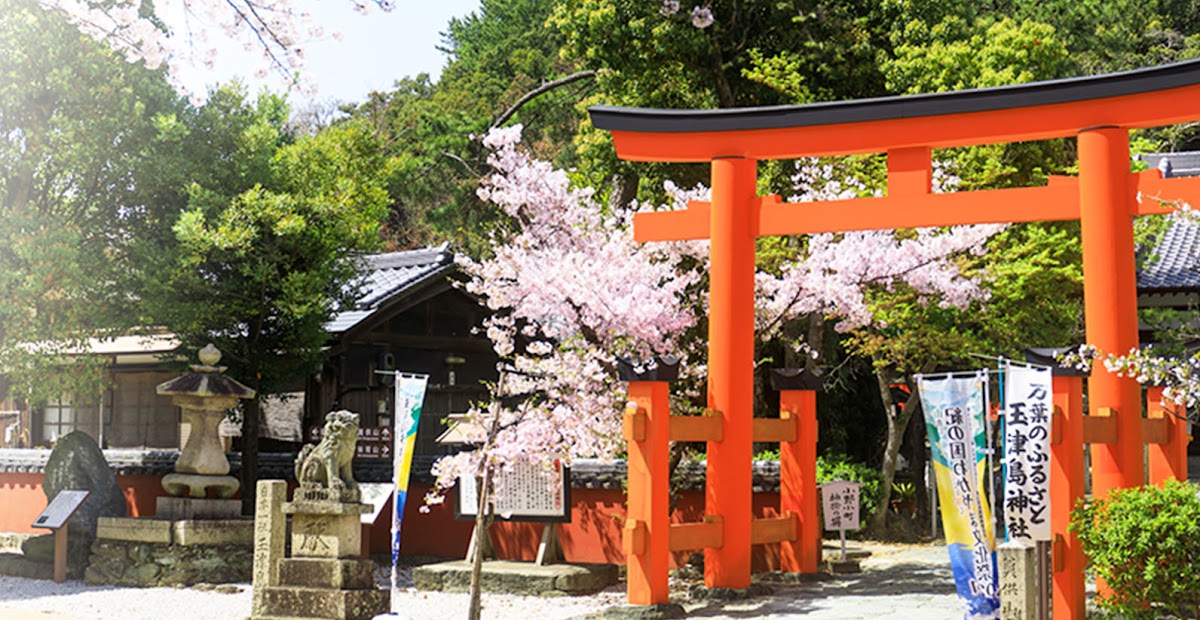
- Bow before passing through the torii gate: Bow before entering the shrine grounds.
- Purify at the water basin: Purify your hands and mouth at the water basin. Hold the ladle in your right hand and wash your left hand, then switch to your left hand and wash your right hand, then switch back to your right hand, receive water in your left hand, and rinse your mouth.
- Avoid the center of the approach to the shrine: The center of the approach is considered the path of the gods, so walk along the sides.
- Worship at the main hall: The basic ritual is two bows, two claps, and one bow (two bows, two claps, one bow).
Goshuin (Shrine Seal)
You can receive a Goshuin at Shiogama Shrine. Bring your Goshuincho (seal book) and request one at the shrine office after your visit. Remember that the Goshuin is proof of your visit, not a stamp rally, and receive it with respect.
Photography Manners
Photography is generally permitted on the shrine grounds, but there may be restrictions inside the main hall or during Shinto rituals. If unsure, check beforehand and be considerate of other visitors.
Access Information
Location
Address: Kada, Wakayama City, Wakayama Prefecture (Detailed street number requires on-site confirmation or inquiry)
Access by Train
Using the Nankai Electric Railway Kada Line:
- Get off at Nankai Electric Railway “Kada Station,” approximately 15-20 minutes on foot
- Transfer to the Kada Line from Nankai Main Line “Wakayama-shi Station” to reach Kada Station.
From Kada Station to the shrine, you can enjoy walking through the townscape of Kada. Along the way, you’ll find ocean views and local shops, making for an enjoyable stroll.
Access by Car
Using the Hanwa Expressway:
- Approximately 30 minutes from Hanwa Expressway “Wakayama IC” via National Route 26 and prefectural roads
- Access is also possible from Hanwa Expressway “Wakayama Kita IC”
Parking: There may be parking spaces around the shrine, but the number is limited, so using public transportation is recommended during busy times. Please check details in advance.
Taking a Taxi
Taking a taxi from Kada Station will get you there in about 5 minutes. If you have a lot of luggage or have mobility issues, taking a taxi is a convenient option.
Nearby Tourist Attractions
Awashima Shrine
Kada is home to the Awashima Shrine, famous for its doll memorial services. Worshipped as a guardian deity for women, it attracts visitors from all over Japan for the memorial services of Hina dolls and other dolls. Visiting it along with Shiogama Shrine is also recommended.
Kada Beach
In the summer, you can enjoy swimming at Kada Beach. Its beautiful sandy beach and crystal-clear waters make it a popular spot for families.
Tomogashima Island
Tomogashima Island, about 20 minutes by boat from Kada Port, is an uninhabited island with remnants of pre-war gun emplacements. Hiking and exploration are popular activities. Its atmosphere, reminiscent of the world of Laputa, has made it a popular tourist destination in recent years.
Seafood Cuisine in Kada
Kada is a fishing town rich in fresh seafood. Local restaurants and eateries offer dishes made with freshly caught fish and shellfish. Sea bream dishes are particularly famous, and enjoying local cuisine after visiting the shrine is highly recommended.
Precautions When Visiting the Shrine
Attire
When visiting the shrine, avoid overly casual or revealing clothing. Aim for clean and modest attire. Especially if you are receiving a prayer, more formal attire is preferable.
Visiting Hours
Shrine visits are generally recommended during the daytime. Since the shrine office may be closed in the early morning or after evening, visit during daytime hours if you wish to receive a Goshuin (shrine stamp) or a prayer.
Weather Considerations
Due to its location near the sea, the wind can be strong depending on the weather. Especially in winter, take adequate precautions against the cold, and be careful of your footing when visiting in rainy weather.
The Charm of Shiogama Shrine
History and Tradition
Shiogama Shrine is deeply connected to the salt-making industry, which has supported Japan’s food culture. Salt has been a symbol of purification since ancient times and a precious resource indispensable to life. As a shrine that has protected the technology and industry of salt production, it occupies an important position in Japanese cultural history.
Unity with the Community
Rooted in the small fishing town of Kada, Shiogama Shrine is closely intertwined with the lives of the local residents. Unlike large-scale tourist shrines, its charm lies in its simple and warm atmosphere, blended into the local community.
Harmony with Nature
Located overlooking the Kitan Strait, it evokes a sense of the bounty of the sea and the beauty of nature. Away from the hustle and bustle of the city, Shiogama Shrine offers a place of tranquility and healing to visitors.
Diverse Blessings
Shiogama Shrine, believed to offer a wide range of blessings from safe childbirth and fertility to maritime safety and business prosperity, has welcomed people with various wishes. In particular, many pregnant women visit the shrine to pray for a safe delivery.
Summary
Located in Kada, Wakayama City, Wakayama Prefecture, Shiogama Shrine is a historic shrine that has long been revered as the god of salt production and the sea. It enshrines Shiotsuchi-no-Okina-no-Kami and is believed to offer blessings for safe childbirth, fertility, maritime safety, and business prosperity.
Situated in a beautiful location overlooking the Kitan Strait, it boasts a warm atmosphere deeply rooted in the lives of the local people. It is accessible on foot from Kada Station on the Nankai Electric Railway Kada Line, and nearby tourist attractions include Awashima Shrine and Tomogashima Island.
When visiting Kada, be sure to visit Shiogama Shrine and experience the ancient faith and local culture. The time spent quietly offering prayers while feeling the blessings of the sea and its rich history will surely be a special experience.
When visiting the shrine, please observe basic etiquette and manners, and approach the deities with respect. We hope that Shiogama Shrine will hear your wishes and bring you good fortune.