Hachiman Shrine (Era) Complete Guide | History, Blessings, and Access Information
What is Hachiman Shrine (Era)?
Hachiman Shrine (Era) is a historical shrine deeply rooted in the community, cherished by local residents for centuries. As the place name Era suggests, it has served as a spiritual pillar of the region, a place of faith passed down through generations.
While numerous Hachiman Shrines exist throughout Japan, each possesses its own unique history and culture. The Hachiman Shrine in Era also preserves the distinctive religious practices and traditions of this region.
The Origin and Nationwide Spread of Hachiman Shrines
Hachiman Shrines, dedicated to Emperor Ojin, are said to number over 44,000 throughout Japan. They were revered as guardian deities of samurai families, and particularly worshipped by the Minamoto clan as their tutelary deity, leading to their widespread recognition as gods of military fortune.
Hachiman Shrines are numerous throughout Japan, each with its own unique history and culture. The Hachiman Shrine in Aza-Era, while drawing from the tradition of Hachiman worship, has cultivated a unique form of faith specific to the region. As a shrine closely intertwined with the local history, it is deeply rooted in the lives of the residents.
Deities and Benefits
Main Deity: Emperor Ōjin (Homutawake-no-Mikoto)
The main deity of the Hachiman Shrine (Aza-Era) is Emperor Ōjin, also known by his divine name Homutawake-no-Mikoto. Emperor Ōjin is known as the 15th Emperor of Japan and is revered as a wise ruler who greatly contributed to the development of the nation in ancient Japan.
Deities Enshrined
In many Hachiman shrines, the following deities are commonly enshrined alongside Emperor Ōjin:
- Empress Jingū: The mother of Emperor Ōjin, known for the legend of the conquest of the Three Kingdoms of Korea.
- Hime Ōkami: One of the three Munakata goddesses.
Benefits of Hachiman Shrine
At Hachiman Shrine (Era), the following benefits are believed to be available:
- Long-lasting military fortune and improved luck in competitions: Due to its nature as a god of war, prayers are offered for success in competitions, exams, sports, etc.
- Protection from evil and disaster: As a guardian deity of the region, it protects against various calamities.
- Family safety and prosperity of descendants: As the local guardian deity, prayers are offered for the happiness of the family and the prosperity of descendants.
- Business prosperity and success: As a guardian deity of the local economy, prayers are offered for the development of businesses and ventures.
- Traffic Safety: In modern times, many people pray for traffic safety.
- Academic Success: As an extension of good fortune in competitions, people pray for success in entrance exams and qualification tests.
History of Hachiman Shrine (Era)
Origin of Founding
The founding date of Hachiman Shrine (Era) is based on local oral traditions and records, but like many Hachiman shrines in other regions, it is believed to have been established as a guardian deity of the region during the medieval to early modern period.
Along with the history of the place name Era, this shrine has functioned as a spiritual anchor for the local residents. In a community centered on agriculture, it has a history of offering prayers for bountiful harvests, rain, and protection from disease.
A Shrine That Has Evolved with the Times
During the Edo period, it was the guardian shrine of the village, attracting the faith of the villagers, and various festivals were held throughout the year. In the village community of that time, the shrine was not only a religious place but also a social gathering place for residents.
With the arrival of the Meiji era, the Shinto-Buddhist Separation Order led to the establishment of the shrine system, and Hachiman Shrine (Era) also adopted the appearance of a modern shrine. It is presumed that the shrine buildings were renovated and the grounds were improved during this period.
After the war, the role of the shrine changed along with the changes in the local community, but its importance as a place to protect local traditional culture and as a spiritual anchor for residents remains unchanged to this day.
Highlights of the Shrine Grounds
Shrine Buildings
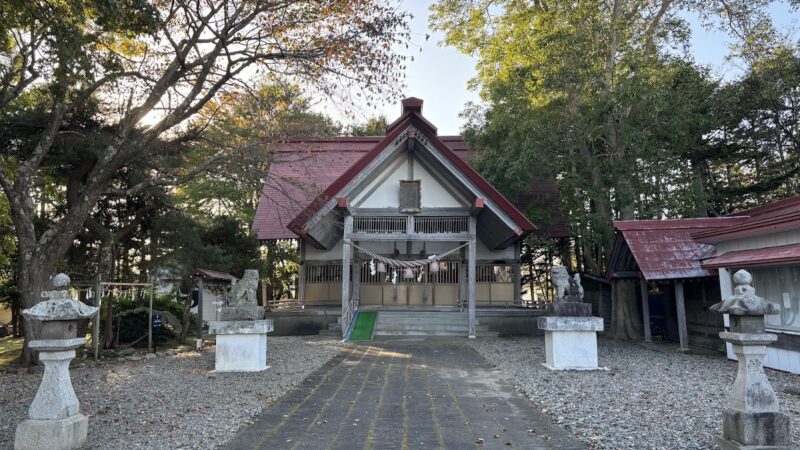
The shrine buildings of Hachiman Shrine (Era) preserve the traditional shrine architectural style of the region. They have a basic structure including a main hall and a worship hall, and are a building that embodies the skills of local carpenters and shrine carpenters.
The architectural style and decorations of the shrine buildings reflect the aesthetic sensibilities and technical standards of the era, and they also possess value as a local cultural asset.
Torii Gate and Approach
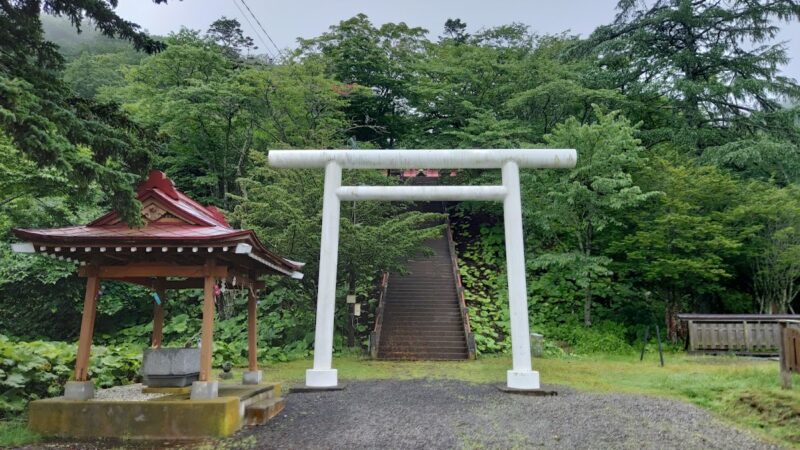
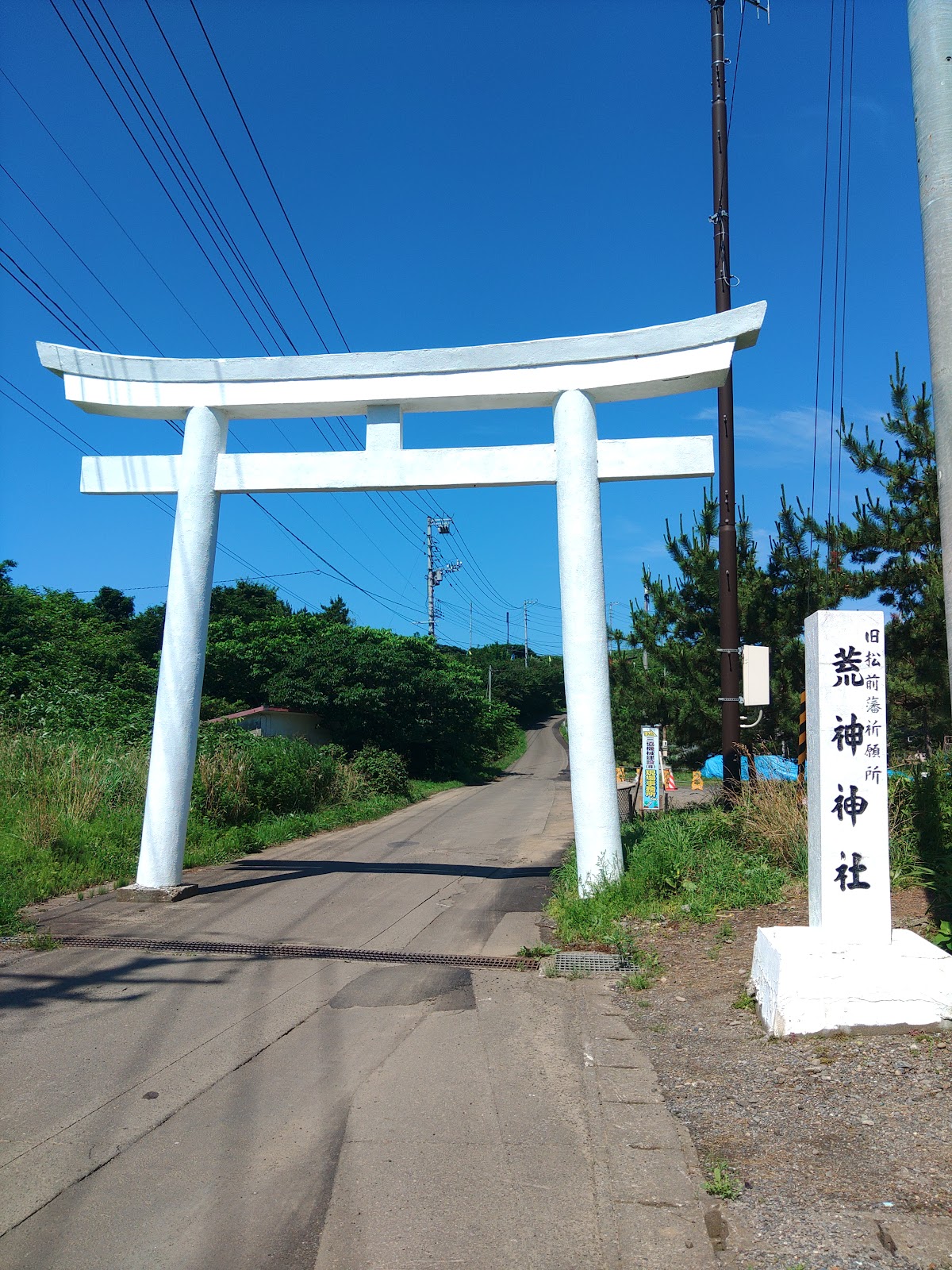
The torii gate standing at the entrance of the shrine serves as a boundary separating the secular world from the sacred realm. Passing through the torii gate and proceeding along the approach to the shrine, worshippers are led away from the hustle and bustle of everyday life into a sacred space.
The approach is a path to show respect to the gods, and it is believed that one’s heart is purified with each step.
Komainu (Guardian Dogs)
The komainu, placed in front of the shrine building, have been placed at shrines since ancient times as sacred beasts that protect the sacred area. The pair of komainu, one with an open mouth and the other with a closed mouth, play the role of preventing evil from entering the sacred area.
The expressions and postures of the komainu express the skills and aesthetic sensibilities of the stonemasons of each era, and observing them allows one to feel the culture of that time.
Sacred Trees and the Natural Environment
Many sacred trees and other trees that have stood for many years grow within the shrine grounds, serving as living witnesses to the history of the shrine. The natural environment within the shrine grounds contributes to the preservation of the local ecosystem and is a valuable green space in today’s increasingly urbanized world.
Water Basin
The water basin, where one purifies oneself before worship, is a simplified version of the Shinto concept of “misogi” (purification ritual). By purifying one’s hands and mouth, one cleanses the mind and body, preparing to stand before the gods.
Annual Festivals and Events
Grand Festival
At Hachiman Shrine (Era), the annual Grand Festival is the most important festival. The Grand Festival is like the shrine’s “birthday,” a festival to express gratitude for the past year and pray for peace in the future.
The Grand Festival sometimes features performances of local traditional arts, such as a portable shrine procession, offerings, and Kagura (sacred dance). It is a place for intergenerational exchange, with the participation of all local residents.
First Shrine Visit of the New Year (First Three Days of January)
Many worshippers visit the shrine for their first shrine visit of the New Year. This is an important event to pray for safety and happiness throughout the year and to report the start of the new year to the gods.
Setsubun Festival (around February 3rd)
Held the day before the beginning of spring, the Setsubun Festival involves events such as bean-throwing to ward off evil spirits and invite good fortune. It’s a lively event with local children participating, chanting “Demons out, fortune in!”
Summer Purification Ceremony (around June 30th)
Held at the end of June, the halfway point of the year, the Summer Purification Ceremony is a Shinto ritual to cleanse away the sins and impurities accumulated over the past six months and pray for good health for the remaining half. Many shrines also hold a ritual of passing through a ring of reeds.
Shichi-Go-San (around November 15th)
Shichi-Go-San, a celebration of children’s growth and a prayer for their healthy development, is also an important event for families in the community. At the milestones of 3, 5, and 7 years old, we offer thanks to the gods and pray for their continued protection.
Monthly Festival
The monthly festival, held on a fixed day each month, is a time to pray for the safety and prosperity of the community. Even though small in scale, these continuous rituals are an important pillar supporting the faith of the shrine.
Etiquette and Manners for Visiting a Shrine
How to Pass Through the Torii Gate
When passing through the torii gate, bow before entering. Since the center of the path is considered the path of the gods, it is polite for worshippers to walk to either the left or right side.
Proper Ritual for Washing Hands
- Take the ladle with your right hand and wash your left hand.
- Switch the ladle to your left hand and wash your right hand.
- Switch the ladle back to your right hand, receive water in your left hand, and rinse your mouth (do not put your mouth directly on the ladle).
- Wash your left hand again.
- Hold the ladle upright and pour water over the handle to wash it.
- Return the ladle to its original position.
Proper Ritual for Worshiping at the Main Hall
Two bows, two claps, one bow is the basic ritual:
- Place your offering in the offering box (do not throw it in, place it gently).
- If there is a bell, ring it.
- Bow deeply twice.
- Clap your hands twice at chest height.
- Offer your prayer.
- Bow deeply once.
Attire for Worship
Everyday clothes are acceptable, but remember that you are standing before the gods, so aim for clean and neat attire. It is best to avoid revealing or overly flashy clothing.
For formal worship or prayers, formal attire is recommended, such as a suit or jacket for men and a suit or dress for women.
Items Offered and Amulets
Types of Amulets
Hachiman Shrine (Era) offers various types of amulets:
- Exorcism Amulet: For those in their unlucky year or those seeking protection from misfortune
- Traffic Safety Amulet: For safe driving of cars and bicycles
- Academic Success Amulet: For students taking exams or those seeking academic improvement
- Family Safety Amulet: For the health and happiness of the family
- Business Prosperity Amulet: For those seeking business development
- Victory Amulet: For success in competitions and exams
Goshuin (Shrine Seal)
Goshuin are shrine seals given as proof of worship. If you bring your Goshuincho (stamp book), the Shinto priests and shrine maidens will carefully write in it for you. Collecting Goshuin stamps should be cherished not merely as a collection, but as an act of forging a connection with the shrine.
Amulets (Shinto Talismans)
Shinto talismans for enshrining in your home’s household altar are also available. These talismans welcome a divided spirit of the deity into your home and serve as an object of daily gratitude and prayer.
Access Information
Location
Access to Hachiman Shrine (Era) depends on the local transportation options. It is recommended to confirm the exact address and nearest station in advance.
Access by Public Transportation
It is common to walk from the nearest train station or bus stop, or take a taxi. Community buses may also operate in some areas.
Access by Car
If visiting by private car, enter the shrine name or address into your car’s navigation system. It is advisable to check the availability and number of parking spaces in advance.
During festivals and other times when there are many visitors, the parking lot can get crowded, so we recommend visiting with plenty of time to spare.
Visiting Hours
While the shrine grounds are generally open for worship throughout the day, the hours for receiving amulets and other items at the shrine office may be limited. Generally, these hours are from 9:00 AM to around 5:00 PM, but this varies by shrine, so if you want to be sure to receive an amulet or other item, please check in advance.
Hachiman Shrine (Era) and the Local Community
As a Center of the Local Community
Hachiman Shrine (Era) is not merely a religious facility, but has played a central role in the local community. Through festivals and events, it serves as a place where local residents gather and interact.
In modern society, where community ties tend to weaken, shrines contribute to maintaining the community as a place for intergenerational exchange.
Inheritance of Traditional Culture
Festivals and Shinto rituals at the shrine are important opportunities to pass on the region’s traditional culture to the next generation. Through the preparation for the festivals and the division of roles on the day, it provides a place for younger generations to learn about the history and culture of the region.
When traditional performing arts such as Kagura (sacred dance), Shishimai (lion dance), and Taiko (drumming) are preserved, shrines also function as venues for practice and performance.
Environmental Preservation and Green Spaces
Shrine grounds are preserved as green spaces even in urbanized areas, contributing to the maintenance of local ecosystems. The trees on the grounds provide habitats for wild birds and insects, helping to conserve biodiversity.
Characteristics of Hachiman Worship
Hachiman as a God of War
Hachiman was originally a deity worshipped in the Usa region of Kyushu, but after assisting in the construction of Todai-ji Temple during the Nara period, he gained the faith of the imperial court.
Later, as the Minamoto clan revered him as their tutelary deity, his character as a god of war strengthened, and he spread throughout the country, primarily among the samurai class. Tsurugaoka Hachimangu Shrine in Kamakura is a prime example.
Spread to Popular Beliefs
While Hachiman worship began as a guardian deity for the samurai class, it spread among the common people over time. In rural areas, Hachiman became an object of worship for praying for bountiful harvests and protection from disasters, while in urban areas, he became an object of worship for praying for business prosperity and family safety.
Syncretism of Shinto and Buddhism and Hachiman Worship
Hachiman is also known as a deity with deep ties to Buddhism. He possesses Buddhist characteristics as “Hachiman Daibosatsu” and is considered a representative example of syncretism of Shinto and Buddhism. Until the separation of Shinto and Buddhism in the Meiji era, many Hachiman shrines exhibited this form of syncretism.
To Enhance the Benefits of Worship
Heartfelt Worship
The most important thing when visiting a shrine is the heart, not the form. Expressing gratitude and praying with a humble heart is the first step to receiving blessings.
It is said to be better to focus your prayers on one or two specific and achievable wishes, rather than being too greedy.
Daily Worship
It is important to visit shrines regularly, not just once a year, and express gratitude. Even simply visiting the shrine grounds during a stroll and quietly offering a prayer can bring peace of mind.
Involvement as a Parishioner
As a resident of the area, participating in shrine cleaning activities and assisting with festivals is a way to deepen one’s faith. Supporting the shrine is also a contribution to the local community.
The Future of Hachiman Shrine (Era)
Balancing Tradition and Modernization
Hachiman Shrine (Era) continues to strive to meet the needs of modern society while preserving its ancient traditions. It is tackling two seemingly contradictory challenges: creating a shrine that is accessible to younger generations and maintaining traditional rituals.
Strengthening Community Collaboration
Amidst declining birth rates, an aging population, and population decrease, the role of shrines in local communities is changing. There is a need to create a system where the entire community supports and utilizes the shrine through collaboration with local community associations, schools, and businesses.
Value as a Cultural Asset
The shrine’s buildings, festivals, and traditional performing arts are valuable cultural assets of the region. Preserving these properly and passing them on to future generations is also about protecting the local identity.
Summary
Hachiman Shrine (Era) is a shrine that has walked hand in hand with the local people throughout its long history. With Emperor Ojin as its principal deity, it is still cherished by many worshippers as a god who bestows various blessings such as military success, protection from evil, and family safety.
The shrine grounds feature historical shrine buildings and sacred trees, providing tranquility to visitors amidst the changing seasons. The festivals and events held throughout the year are valuable opportunities to convey the region’s traditional culture.
While formalities and etiquette are important when visiting a shrine, above all, it is crucial to offer heartfelt gratitude and prayer. Taking time away from the hustle and bustle of everyday life to quietly face the gods will bring peace of mind.
Rooted in the land of Era, Hachiman Shrine has functioned as the guardian deity of the community and will continue to walk hand in hand with the local community. Please visit and experience its history and atmosphere firsthand. To forge a connection with a shrine is to forge a connection with the community. We hope that Hachiman Shrine (Era) will become a spiritual haven for everyone and bring happiness to your daily lives.