Complete Guide to Kojin Shrine (Matsumae Town) | The Charm and Visiting Information of a Historic Village Shrine in Matsumae District, Hokkaido
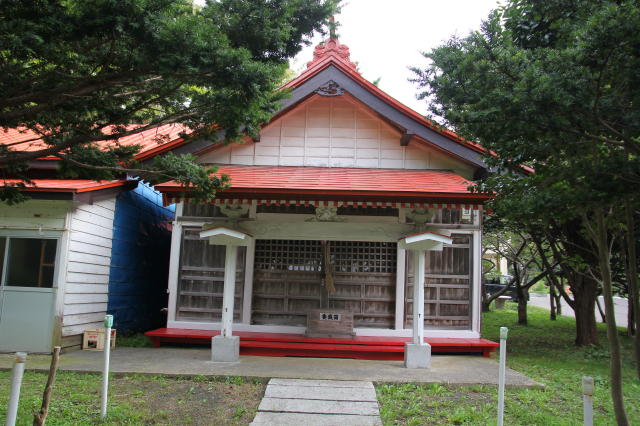
Kojin Shrine, quietly nestled in the Mogusa district of Matsumae Town, Matsumae District, Hokkaido, is a historic shrine dedicated to the gods of fire and water. While relatively small compared to other shrines in the southern Hokkaido area, it remains a venerable village shrine, carefully preserved and continuously attracting the faith of local residents. This article provides a detailed overview of Kojin Shrine’s history, enshrined deities, visiting information, and its role in the community.
Basic Information on Kojin Shrine
Kojin Shrine is located at 520 Mogusa, Matsumae Town, Matsumae District, Hokkaido. Its former shrine rank was that of a village shrine. It belongs to the Hokkaido Shrine Association and is supported by approximately 140 parishioners as the local guardian deity.
Location and Access
Address: 520 Mogusa, Matsumae-cho, Matsumae-gun, Hokkaido
Access Method:
- Approximately 2 hours by Hakodate Bus bound for Era/Haraguchi from JR Kikonai Station
- Approximately 5 minutes on foot from the “Hayashi” bus stop
- Approximately 30 minutes by car from Matsumae city center
Located in the Mogusa district, away from the center of Matsumae town, access by public transport is somewhat inconvenient. However, its charm lies in its tranquil environment surrounded by the magnificent nature of Hokkaido. It is easily accessible by car and is recommended as a stopover during a drive in southern Hokkaido.
Shrine Office and Contact Information
Phone Number: 01394-2-2032
While visits are generally free, it is recommended to contact the shrine in advance if you wish to receive a Goshuin (shrine stamp) or special prayers.
Deities and Divine Virtues of Kojin Shrine
Kojin Shrine enshrines two deities, each presiding over the contrasting natural forces of fire and water.
Kagutsuchi-no-Mikoto
Kagutsuchi-no-Mikoto is the god of fire in Japanese mythology. He is the son of Izanagi-no-Mikoto and Izanami-no-Mikoto, and is known for the tragic myth that he burned his mother during his birth.
Divine Virtues:
- Protection against fire
- Protection of blacksmithing and ironmaking
- Prosperity of industries using fire, such as pottery
- Safety of the home
Fire was essential for surviving Hokkaido’s harsh winters, but at the same time, the threat of fire was always present. The worship of the god of fire has been important in Hokkaido since the pioneering era.
Mizuhanome-no-Mikoto
Mizuhanome-no-Mikoto is the goddess of water. She is said to have been born from the urine of Izanami-no-Mikoto, who fell ill after the birth of Kagutsuchi-no-Mikoto, and symbolizes the blessing of pure water.
Divine Virtues:
- Protection from water-related disasters
- Prosperity in agriculture and fishing
- Protection of wells and water sources
- Purification
Matsumae Town is a fishing town facing the Sea of Japan, and has also been a region where agriculture has been practiced. The belief in the blessings and safety of water was an important aspect of the lives of the local residents.
The Meaning of Worshipping Fire and Water Together
The fact that the Kojin Shrine enshrines both the god of fire and the god of water has profound meaning. It embodies the wish to harmonize these two opposing forces of nature, thereby preventing disaster and protecting a prosperous life. This can be said to reflect the ancient Japanese view of nature, which is also related to the Yin-Yang philosophy.
History and Origins of Kojin Shrine
The Relationship Between Matsumae Town and the Shrine
Matsumae Town is known as the only castle town in Hokkaido and flourished as the base of the Matsumae Domain during the Edo period. The Matsumae Domain, as a base for Japanese people in Ezo (Hokkaido), fostered a unique culture.
The Mogusa district, where Kojin Shrine is located, is one of the areas in Matsumae Town that saw relatively early development. It is believed that people engaged in fishing and agriculture formed a settlement and founded Kojin Shrine to pray for safety and abundant harvests.
Status as a Village Shrine
Under the Meiji-era shrine ranking system, Kojin Shrine was classified as a “village shrine.” A village shrine was a shrine recognized as the guardian shrine of a village, ranking below local shrines and prefectural shrines.
While many shrines in Hokkaido were founded in conjunction with development after the Meiji era, the status of a village shrine is evidence of its significant role in the region.
Beliefs in the Pioneer Era
The pioneering of Hokkaido was arduous. It was a constant battle against natural disasters such as fires, floods, and cold damage. In these circumstances, the Kojin Shrine, dedicated to the gods of fire and water, served as a spiritual anchor for the pioneers.
Especially in an era when wooden buildings were prevalent, fires were a major disaster that threatened entire settlements. Furthermore, in agriculture, water management was a crucial factor determining harvest success. Faith in the Kojin Shrine went beyond mere religious practice, holding practical significance for protecting one’s safety.
Highlights of the Shrine and Grounds
Shrine Architecture
The Kojin Shrine’s main building is constructed in the Nagare-zukuri style. Nagare-zukuri is one of the most common styles in Japanese shrine architecture, characterized by a long, extended roof that forms an overhang.
Shrine Area: 26.9 tsubo (approximately 89 square meters)
Although relatively small in scale, it is meticulously maintained, reflecting the deep faith of the local people.
Atmosphere of the Shrine Grounds
Shrine Grounds Area: 626.2 tsubo (approximately 2,070 square meters)
The shrine grounds are situated in a tranquil environment surrounded by Hokkaido’s natural beauty. A rich forest stretches out around the grounds, allowing visitors to enjoy the changing seasons.
From spring to summer, the fresh greenery is beautiful, and in autumn, the vibrant autumn leaves adorn the grounds. In winter, the snow-covered grounds create an even more solemn atmosphere. It offers a peaceful environment for worship, far removed from the hustle and bustle of the city.
Points to Note When Visiting
Since Kojin Shrine often does not have a resident priest, visits are generally free, but please note the following:
- The shrine grounds are cleaned and maintained by local residents, so please visit with respect.
- Always take your trash with you.
- Refrain from actions that disturb the silence, such as shouting.
- Photography is permitted, but please refrain from taking pictures inside the shrine building.
- In winter, there is snow, so please be careful of your footing.
Annual Festival and Events
Annual Festival Date: June 28th
The most important festival at Kojin Shrine, the annual festival, is held every year on June 28th. This time of year marks the beginning of summer in Hokkaido, and the weather is pleasant.
During the festival, Shinto priests perform rituals, and parishioners and local residents attend to offer gratitude and prayers to the gods. Although not large in scale, it is an important event that is passed down as a way to reaffirm the bonds of the community.
Annual Events
In addition to the annual festival, the following annual events are held at Kojin Shrine:
New Year’s Day Festival (January 1st)
A festival to pray for safety and prosperity in the new year. Local residents visit for their first shrine visit of the year.
Setsubun Festival (around February 3rd)
A traditional event to ward off evil spirits and invite good fortune.
Autumn Grand Festival (September-October)
A festival to express gratitude for the harvest.
These events may vary from year to year, so it is recommended to check in advance if you wish to participate.
Relationship with Other Shrines in Matsumae Town
Differences from Matsumae Shrine
In addition to Kojin Shrine, there are several other shrines in Matsumae Town. The most famous is Matsumae Shrine, a prefectural shrine (former shrine rank) dedicated to Lord Takeda Nobuhiro, the founder of the Matsumae Domain.
While Matsumae Shrine is located in the heart of Matsumae town, on the site of the northern bailey of Matsumae Castle, and is deeply intertwined with the history of the Matsumae domain, Kojin Shrine, as the guardian deity of the Mogusa district, is a more deeply rooted object of worship in the daily lives of its residents.
Tokuyama Grand Shrine
Matsumae town also has a local shrine called Tokuyama Grand Shrine, which is known as the “Ichinomiya (first shrine) of Oshima.” This is a prestigious shrine that enshrined deities from Ise Grand Shrine.
The diversity of shrines in Matsumae town indicates that this area has a particularly long history even within Hokkaido, and that various beliefs have developed in a multi-layered manner.
About Kojin Worship
What is Kojin?
“Kojin” is a type of deity in Japanese folk belief, particularly worshipped as a guardian deity of fire and hearths. Influenced by Buddhism, it is also considered a guardian of the Buddha, Dharma, and Sangha as Sanbo Kojin.
The Faith of Kojin in Hokkaido
The spread of Kojin worship to Hokkaido was brought by immigrants from Honshu. In particular, Hokkaido saw a large influx of immigrants from the Tohoku and Hokuriku regions, where beliefs from these areas were introduced and became established.
In the case of Kojin Shrine (Matsumae Town), the use of the name of the deity Kagutsuchi-no-Mikoto from Kojiki and Nihon Shoki myths suggests a stronger Shinto character, but the essence of Kojin worship, which protects fire and hearths, remains the same.
Manners and Etiquette for Worship
Basic Worship Etiquette
When visiting Kojin Shrine, please observe the following basic etiquette:
- Bow before the Torii Gate: Before entering the shrine grounds, bow before the torii gate.
- Walking on the Path: The center of the path is considered the path of the gods, so walk along the sides.
- Purification at the Water Basin: If there is a water basin, purify your hands and mouth.
- Hold the ladle in your right hand and purify your left hand.
- Switch the ladle to your left hand and purify your right hand.
- Switch the ladle back to your right hand, receive water in your left hand, and rinse your mouth.
- Purify your left hand again.
- Hold the ladle upright, purify the handle, and return it to its original position.
- Worship at the Shrine:
- Quietly place your offering in the offering box.
- Ring the bell if there is one.
- Perform the two bows, two claps, and one bow (two deep bows, two claps, one deep bow).
- When Leaving: After exiting the torii gate, turn around and bow once.
How to Pray to the Gods of Fire and Water
Since Kojin Shrine enshrines the gods of fire and water, the following prayers are considered particularly appropriate:
- Protection from fire
- Family safety
- Gratitude for the blessings of water
- Prosperity in fishing and agriculture
- Protection from natural disasters
Nearby Tourist Attractions
Matsumae Castle (Fukuyama Castle)
A must-see tourist spot when visiting Matsumae Town. It is the only Japanese-style castle in Hokkaido and is also famous for its cherry blossoms. It is about a 30-minute drive from Kojin Shrine.
Matsumae Park
One of Hokkaido’s leading cherry blossom viewing spots, with approximately 250 varieties and 10,000 cherry trees. The “Matsumae Cherry Blossom Festival” is held from late April to late May.
Michi-no-Eki Kitamaebune Matsumae
A roadside station where you can purchase Matsumae’s local products and fresh seafood. Convenient for taking a break or buying souvenirs.
Matsumae Clan Residence
A theme park recreating the townscape of Matsumae during the Edo period. A facility where you can experience history.
Access and Tourist Information for Matsumae Town
How to Get to Matsumae Town
From Hakodate:
- By Car: Approximately 2 hours via National Route 228
- By Bus: Approximately 3 hours by Hakodate Bus
By Shinkansen:
- Get off at Kikonai Station on the Hokkaido Shinkansen, then take a bus or rental car to Matsumae Town.
Accommodation
There are several inns and guesthouses in Matsumae Town. It is also possible to stay in Hakodate City and visit on a day trip.
Best Seasons for Visiting
Spring (Late April to May): The busiest time of year in Matsumae Town, during cherry blossom season.
Summer (June to August): Includes the time of the annual festival, with pleasant weather.
Autumn (September to October): A season of beautiful autumn foliage and delicious seafood.
Winter (November to March): Snowfall reduces tourist numbers, but offers a peaceful place to visit.
The Role of Kojin Shrine in the Community
Relationship with Parishioners
Kojin Shrine is supported by approximately 140 parishioners. Parishioners are local residents who worship the shrine’s guardian deity and cooperate in its maintenance and management.
In rural areas facing depopulation, maintaining shrines is a challenge, but at Kojin Shrine, the cleaning of the grounds and the execution of festivals continue thanks to the cooperation of local residents.
Center of the Community
Shrines are not merely religious facilities; they also play a central role in the local community. Festivals and other events provide valuable opportunities for local residents to gather and interact.
Especially in areas experiencing depopulation and an aging population, community bonds centered around shrines are a crucial element in maintaining the community.
Inheritance of Traditional Culture
The rituals and worship practices of Kojin Shrine are traditional cultures that have been passed down through generations. Passing these on to younger generations is of great importance in preserving the region’s identity.
Relationship with the Hokkaido Association of Shinto Shrines
Kojin Shrine belongs to the Hokkaido Association of Shinto Shrines. The Hokkaido Association of Shinto Shrines is a religious corporation that encompasses shrines throughout Hokkaido, providing support to individual shrines, training Shinto priests, and promoting Shinto culture.
The Hokkaido Association of Shinto Shrines’ website publishes information on shrines throughout Hokkaido, including Kojin Shrine, allowing visitors to learn about the history and rituals of each shrine.
Summary: The Charm of Kojin Shrine
Kojin Shrine (Matsumae Town) is a historic village shrine located in the Mogusa district of Matsumae Town, Matsumae District, Hokkaido, dedicated to the gods of fire and water. Although not large in scale, it is still carefully preserved, supported by the deep faith of the local residents.
By enshrining the contrasting deities Kagutsuchi-no-Mikoto and Mizuhanome-no-Mikoto together, it preserves an ancient Japanese form of faith that prays for harmony with nature and safety in daily life.
When you visit Matsumae Town, why not visit not only Matsumae Castle and the famous cherry blossom spots, but also these small, community-based shrines? There, the history of Hokkaido’s development and the history of people’s prayers quietly breathe.
Away from the hustle and bustle of the city, spending time quietly praying at Kojin Shrine, surrounded by Hokkaido’s rich nature, will surely be a memorable experience. Pray for daily safety and happiness in this place protected by the gods of fire and water.