Asama Shrine (Matsumae Town) | The Charm and Visitor Guide to Hokkaido’s Southernmost Historic Shrine
Asama Shrine, located in Shizuura, Matsumae Town, Matsumae District, Hokkaido, is a valuable shrine that conveys the history of Hokkaido’s development. Since its founding in 1689 (Genroku 2), it has continued to attract the faith of the local people. This article comprehensively introduces the history of this historic shrine, its enshrined deities, the highlights of the grounds, and useful information for visitors.
Basic Information on Asama Shrine (Matsumae Town)
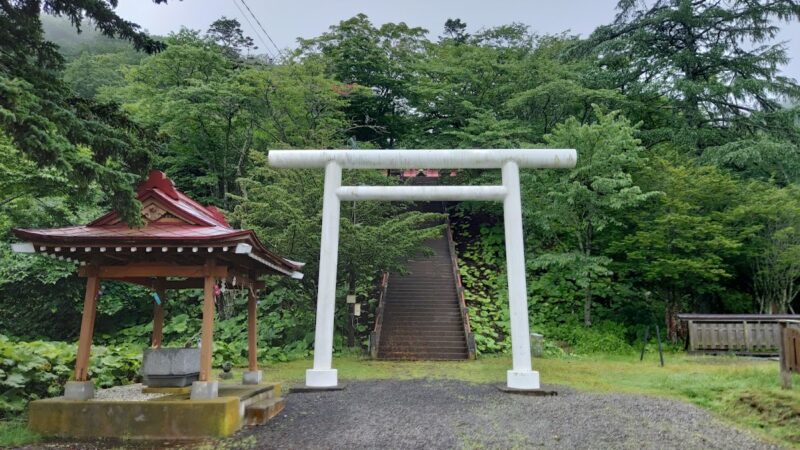
Asama Shrine is located at 343 Shizuura, Matsumae Town, Matsumae District, Hokkaido, and belongs to the Hokkaido Shrine Association. It is situated at the foot of a mountain in a residential area, about 200 meters inland from National Route 228, and a beautiful white torii gate welcomes visitors.
Location: 343 Shizuura, Matsumae-cho, Matsumae-gun, Hokkaido
Annual Festival Date: June 18th
Former Shrine Rank: Village Shrine
Main Deity: Konohanasakuya-hime no Okami
The Shizuura area is known as a historical fishing village within Matsumae-cho, and this shrine has played an important role as a spiritual pillar of the local community.
About the Deity: Konohanasakuya-hime no Okami
Konohanasakuya-hime no Okami, enshrined at Asama Shrine, is a beautiful goddess appearing in Japanese mythology. In the Kojiki and Nihon Shoki, she is known as the consort of Ninigi-no-Mikoto, who descended from heaven.
Divine Virtues
Konohanasakuya-hime no Okami is believed to possess the following divine virtues:
- Safe Childbirth and Child-Rearing: Due to the myth of her giving birth safely in flames, she is worshipped as the guardian deity of safe childbirth.
- Matchmaking: As a beautiful goddess, she is believed to bring good fortune in finding a partner.
- Protection from Fire: Due to the myth of giving birth in fire, she is also believed to offer protection from fire.
- Family Safety: As a deity who protects the peace and prosperity of the home.
- Exorcism: Possessing the power to protect people from various calamities.
The name Asama Shrine originates from the Asama faith, which considers Mount Fuji as its sacred object. Asama Shrines exist throughout Japan, but the spread of Asama faith in Hokkaido was brought by immigrants from Honshu.
History and Origins of Asama Shrine
From Founding to the Meiji Period
Asama Shrine is believed to have been founded in Genroku 2 (1689). This period marked the establishment of the Edo Shogunate’s rule, and the Matsumae Domain monopolized trade in Ezo (present-day Hokkaido). Matsumae Town flourished as the only castle town in Hokkaido, and its exchanges with Honshu were active.
The establishment of Asama Shrine in the Shizuura district is attributed to people who migrated from Honshu bringing their homeland’s beliefs to the northern land. It is believed that those who worshipped Mount Fuji, in particular, invited Asama Okami to pray for success and safety in their new settlement.
In October 1876 (Meiji 9), Asama Shrine was designated a village shrine. This meant that it was officially recognized as a central shrine in the village under the Meiji government’s shrine system. This was an important event as the role of shrines in local communities was institutionally positioned amidst the full-scale development of Hokkaido.
Relocation and Reconstruction of the Shrine Building during the Taisho Period
On July 25, 1908 (Meiji 41), land was donated by Mr. Tsunesaku Ishiyama, a parishioner. Following this, an application for the relocation and reconstruction of the shrine was filed on March 20, 1913 (Taisho 2), and permission was granted, leading to the relocation and reconstruction.
This relocation and reconstruction was undertaken due to the need to construct a more suitable and magnificent shrine in a more appropriate location, in response to the development of the region and the increase in parishioners. The donation of land by the parishioners demonstrated the deep faith and sense of belonging of the local residents to the shrine, and was also a manifestation of the community’s solidarity.
From Showa and Heisei to the Present
Since the relocation and reconstruction during the Taisho period, Asama Shrine has been maintained as the guardian deity of the Shizuura district and as an important cultural asset of Matsumae Town. Despite facing challenges such as post-war social changes and population decline, the shrine has been preserved through the efforts of the local people, and annual events, including the annual festival, continue to this day.
While many shrines in Hokkaido were founded after the Meiji era, Asama Shrine (Matsumae Town) was founded relatively early, during the Genroku period, making it a valuable example from the perspective of the history of shrines and the history of Hokkaido’s development.
Highlights of the Shrine Grounds
First Torii Gate
As you proceed towards the mountain from National Route 228, the first thing you’ll see is the beautiful white first torii gate. The clean, white gate creates a distinctive landscape of Asama Shrine, guiding worshippers into the sacred realm. Passing through the torii gate marks a crossing of the boundary between the everyday world and a sacred space.
Approach to the Shrine
The approach leading from the torii gate to the shrine buildings is a quiet path surrounded by natural vegetation. Despite being located deep within a residential area, entering the approach is like entering another world, enveloped in tranquility. Walking along the approach, while feeling the rich nature of Hokkaido, calms the mind and prepares you for worship.
Shrine Buildings
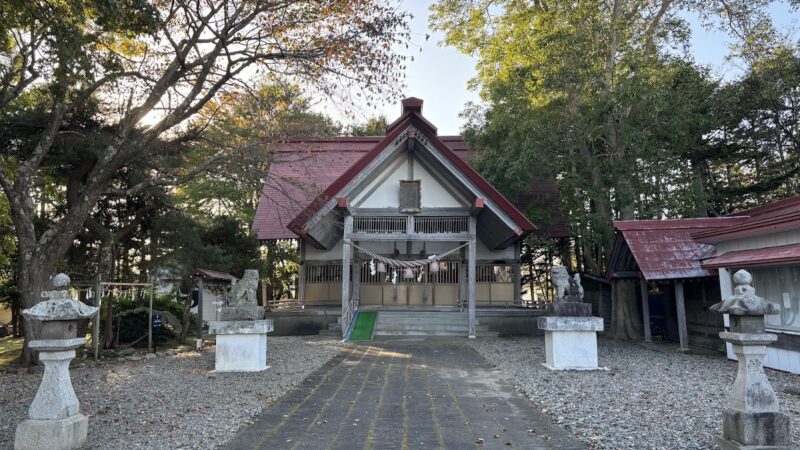
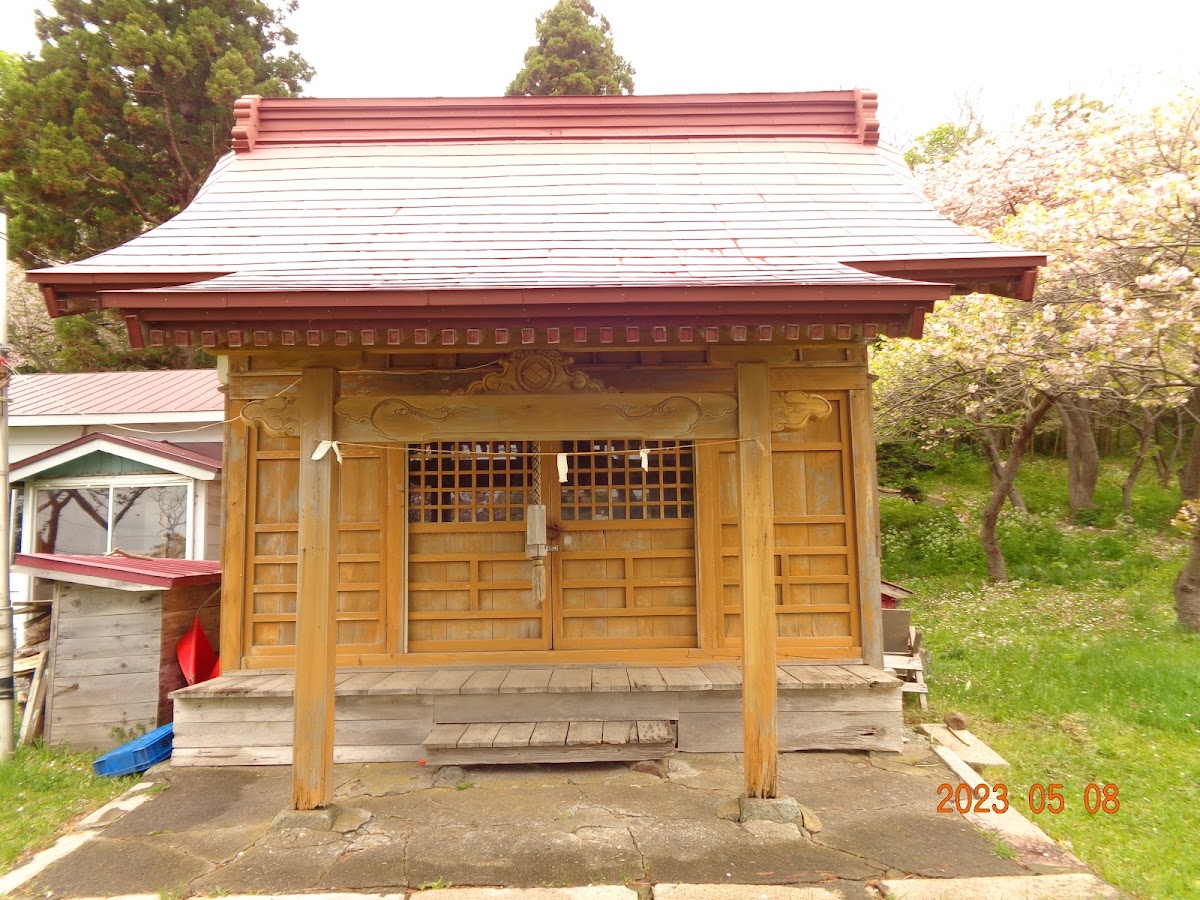
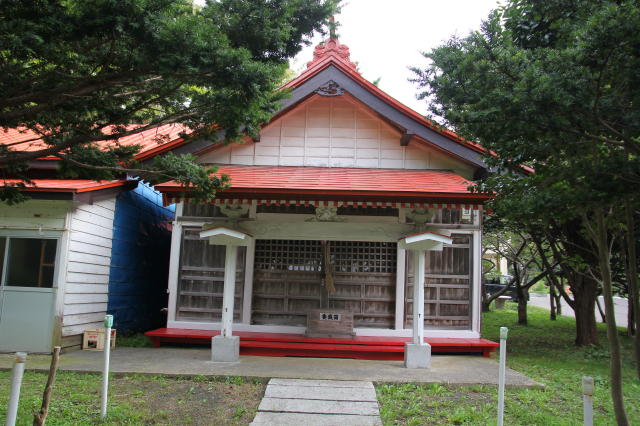
The shrine buildings, relocated and rebuilt in 1913 (Taisho 2), maintain the style of traditional shrine architecture while being adapted to the climate and natural features of Hokkaido. As a medium-sized shrine with a main hall and worship hall, it serves as a center of local faith.
The shrine buildings are surrounded by the natural beauty of the foothills, displaying different expressions throughout the seasons. You can enjoy different beauty in each season: fresh greenery in spring, deep green in summer, vibrant autumn leaves, and snowscapes in winter.
Atmosphere of the Shrine Grounds
Although Asama Shrine is adjacent to a residential area, it maintains a tranquil atmosphere. While not many people visit, this creates a peaceful environment for worship. You can feel the warmth of a shrine that has been carefully preserved by the local community.
Annual Festival and Events
Annual Festival (June 18th)
The annual festival of Asama Shrine is held every year on June 18th. This is the most important festival for the shrine, a Shinto ritual to express gratitude to the enshrined deity and pray for peace and prosperity in the community.
June in Hokkaido is a refreshing season, transitioning from spring to early summer. On the day of the festival, parishioners and local residents gather for the Shinto ritual. The festival includes solemn ceremonies such as the recitation of prayers by Shinto priests and the offering of sacred branches, and it also serves as an opportunity to reaffirm the bonds of the local community. ### Other Annual Events
In addition to the annual festival, Asama Shrine is believed to hold other annual events commonly observed at shrines in Hokkaido:
- Saitansai (January 1st): A festival celebrating the New Year and praying for peace throughout the year.
- Setsubunsai (around February 3rd): A festival praying for protection from evil and good fortune.
- Spring Ancestral Spirit Festival: A festival to comfort the spirits of ancestors.
- Autumn Ancestral Spirit Festival: A festival expressing gratitude for the autumn harvest and honoring ancestral spirits.
- Niinamesai (November 23rd): A festival offering new grain to the gods and expressing gratitude.
- Oharai (June and December): A Shinto ritual to purify and cleanse away the sins and impurities accumulated over the past six months.
For detailed information on annual events, it is recommended to check with the Hokkaido Shrine Association or local information before visiting.
Historical Background of Matsumae Town and Shizuura District
History of Matsumae Town
Matsumae Town is located at the southernmost tip of Hokkaido, facing Honshu across the Tsugaru Strait. During the Edo period, it flourished as a castle town of the Matsumae Domain and is known as the only “town with a castle” in Hokkaido.
The Matsumae Domain monopolized trade with Ezo (Hokkaido) and prospered through the trade of herring and marine products such as kelp. Cultural exchange with Honshu was also active, and despite being in Hokkaido, Honshu culture took root early in the region. Valuable cultural assets such as Matsumae Kagura (traditional dance) and Matsumae Castle still remain today.
Characteristics of Shizuura District
Shizuura district is a historic fishing village within Matsumae Town. As its name, “Shizuura” (meaning “quiet bay”), suggests, it is a region facing a calm sea and has developed around fishing since ancient times.
From the Edo period to the Meiji and Taisho periods, the prosperity of herring fishing attracted many people, forming a vibrant community. Asama Shrine has existed as a spiritual anchor for the local people since those times.
Although it faces the challenge of population decline in modern times, the efforts of residents to protect the region’s history and traditions have ensured that cultural heritage, including Asama Shrine, is carefully preserved.
Asama Faith in Hokkaido
Spread of Asama Faith
Asama faith is a mountain worship that considers Mount Fuji as its sacred object, and it mainly developed in Shizuoka and Yamanashi prefectures surrounding Mount Fuji. Many of the approximately 1,300 Asama Shrines nationwide enshrine a divided spirit from Fujisan Hongu Sengen Taisha (Fujinomiya City, Shizuoka Prefecture).
Asama faith spread to Hokkaido mainly during the Meiji era and the subsequent period of full-scale pioneering. People who migrated from various parts of Honshu brought their homeland’s faith with them to their new home. In particular, Asama Shrines were established in areas with a large number of migrants from Shizuoka and Yamanashi prefectures.
The Asama Shrine in Matsumae Town is said to have been founded in 1689 (Genroku 2), which is an extremely early period in the spread of Asama worship in Hokkaido. Considering that Matsumae was a hub for exchange with Honshu, it can be inferred that people with a Mount Fuji faith had settled there since the Edo period.
Other Asama Shrines in Hokkaido
Besides the one in Matsumae Town, there are several other Asama Shrines in Hokkaido:
- Asama Shrine (Kitakami City): In Iwate Prefecture, an example of northern Asama worship
- Asama Shrine (Fujisato Town): An example from Yamamoto District, Akita Prefecture
- Asama Shrine (Higashine City): An example from Yamagata Prefecture
While these are not strictly in Hokkaido, they demonstrate the spread of Asama worship in northern Japan. A characteristic of Hokkaido’s development is the introduction of cultures and beliefs from various parts of Honshu, resulting in the creation of diverse shrines.
Manners and Etiquette for Visiting Shrines
When visiting a shrine, observing basic manners will allow for a more heartfelt visit. ### Basic Etiquette for Visiting a Shrine
- Bow at the Torii Gate: Bow before passing through the torii gate to show respect for entering the sacred area.
- Walking Along the Path: The center of the path is considered the path of the gods, so it is polite to walk along the sides.
- Watering Procedure: If there is a watering basin, cleanse your left hand, then your right hand, then your mouth.
- Worship Procedure: The basic procedure is two bows, two claps, one bow (two bows, two claps, one bow).
- Bow deeply twice.
- Clap your hands twice at chest height.
- Pray with sincerity.
- Finally, bow deeply once.
Exorcism and Prayer
At Asama Shrine, it may be possible to receive exorcism and various prayers. When you are at a turning point in your life or have a wish, receiving a formal prayer from a Shinto priest can bring you deeper divine blessings.
For unlucky years or life events (such as the first shrine visit for a newborn, Shichi-Go-San, or coming-of-age ceremony), it is recommended to contact the shrine or the Hokkaido Shrine Association in advance to make a reservation for prayers and confirm details.
Access Information
Location
343 Shizuura, Matsumae-cho, Matsumae-gun, Hokkaido 049-1512
Access by Car
From Hakodate:
- Head south on National Route 228 towards Matsumae-cho
- Pass through Matsumae town center and enter the Shizuura area
- Located approximately 200 meters inland from National Route 228
- Travel time: Approximately 2 hours from Hakodate city center
Parking: Details need to be confirmed on-site, but as it is a small shrine, space may be limited.
Access by Public Transportation
Matsumae-cho can be accessed by bus from Hakodate, but the Shizuura area is far from the town center, so you may need to walk or use local transportation from the bus stop.
Hakodate Bus:
- Approximately 3 hours by bus from Hakodate Station to Matsumae
- Get off at the bus stop nearest to the Shizuura area
- You will need to walk from the bus stop to the shrine.
Public transportation is limited, so we strongly recommend checking the timetable in advance.
Nearby Tourist Attractions
When visiting Matsumae Town, you can also enjoy the following tourist attractions in addition to Asama Shrine:
- Matsumae Castle: Hokkaido’s only Japanese-style castle (reconstructed)
- Matsumae Clan Residence: A theme park recreating the townscape of the Edo period
- Matsumae Park: Hokkaido’s premier cherry blossom viewing spot (approximately 10,000 trees of about 250 varieties)
- Matsumae Shrine: A shrine dedicated to the ancestors of the Matsumae clan
- Tsugaru Strait: A scenic viewpoint overlooking Honshu
Points to Note When Visiting Asama Shrine
Best Time to Visit and Weather
Hokkaido’s climate is significantly different from Honshu. Especially during winter (November to March), there is snowfall, and the approach to the shrine may be covered in snow. If you are visiting in winter, please prepare warm clothing and non-slip shoes.
Recommended time to visit:
- Spring (April to June): The fresh greenery after the snow melts is beautiful, and you can also experience the annual festival (June 18th).
- Summer (July to August): The refreshing Hokkaido climate is ideal for visiting.
- Autumn (September to October): The autumn leaves are beautiful, and it’s a season with abundant seafood.
Shrine Office Services
Asama Shrine is a small shrine, so the shrine office is not always open. If you wish to receive a Goshuin (shrine stamp) or prayers, it is recommended that you contact the Hokkaido Shrine Association (Tel: 011-611-0261) in advance.
Consideration for the Local Community
The Shizuura area is a quiet residential area. When visiting the shrine, please observe the following:
- Refrain from loud conversations
- Do not trespass on private property belonging to residents
- Always take your trash with you
- Take photographs within reasonable limits
- When parking, please be considerate of surrounding residents
The Role of Shrines in Hokkaido’s Development
Shrines in the Development Era
In the development of Hokkaido from the Meiji period onward, shrines played a role far beyond mere religious institutions. For pioneers facing hardship in a new land, shrines were a source of spiritual support and the center of the community.
The establishment of a shrine in a settlement also served as an indicator that the development of that area had reached a certain stage. As people gathered, settlements formed, and a sense of community emerged, the shrine became a spiritual pillar.
The Historical Significance of Asama Shrine
Asama Shrine in Matsumae Town is said to have been founded in 1689 (Genroku 2), making it one of the few shrines that existed before the full-scale development of the Meiji period. This indicates that Matsumae has been a hub of exchange with Honshu since the Edo period, and that early settlement by Japanese people progressed there.
Its designation as a village shrine in 1876 (Meiji 9) was part of the institutional development of local communities in a modern nation. The shrine played a role in shaping the region’s identity and strengthening the spiritual foundation of the pioneering project.
The relocation and reconstruction of the shrine during the Taisho period demonstrated the region’s development and the economic prosperity of the parishioners, symbolizing the success of the pioneering effort. Land donations by parishioners demonstrate the strong community bonds and deep faith in the shrine.
The Significance of Asama Shrine in Modern Times
Inheritance of Local Culture
The Shizuura district of Matsumae Town, like many rural areas, faces the challenge of population decline. However, Asama Shrine is maintained as a valuable presence that conveys the region’s history and culture to the present day.
Annual events, including the annual festival, provide opportunities for former residents who live far away to return to their hometown, playing a role in maintaining community bonds. The very existence of the shrine is at the core of the region’s identity.
Value as a Historical Document
The records of its founding during the Genroku period, its designation as a village shrine during the Meiji period, and its relocation and reconstruction during the Taisho period provide valuable information for studying the history of shrines and the history of Hokkaido’s development. Asama Shrine is not merely an object of worship, but also a living document that tells the story of the region’s history.
Asama Shrine offers an important case study for considering diverse historical themes, such as the transmission of Honshu culture to Hokkaido, the introduction of beliefs by immigrants, and the formation process of local communities.
A Place of Peace of Mind
In modern society, shrines are also important places to seek peace of mind. The quiet grounds, the natural surroundings, and the historically significant shrine buildings provide a space to escape the hustle and bustle of everyday life and find peace of mind.
By visiting Asama Shrine, you can reflect on the history of Hokkaido, connect with the hardships and faith of our ancestors, and gain an opportunity to re-examine your own life.
Summary: The Charm of Asama Shrine (Matsumae Town)
Asama Shrine, located in Shizuura, Matsumae Town, Matsumae District, Hokkaido, is a shrine with a long history, founded in 1689 (Genroku 2). It enshrines Konohanasakuya-hime no Okami and is known for its divine blessings related to safe childbirth, child-rearing, matchmaking, and exorcism.
It was designated a village shrine in 1876 (Meiji 9), and in 1913 (Taisho 2), the shrine building was relocated and rebuilt thanks to donations from parishioners, demonstrating its history of being cherished by the local people. The shrine grounds, nestled at the foot of a mountain in a quiet residential area off National Route 228, are characterized by a white torii gate and a path surrounded by nature.
Annual events, including the annual festival on June 18th, are held, and it continues to play an important role as a spiritual pillar of the local community. As a valuable shrine that conveys the history of Hokkaido’s development, and a place that warmly welcomes visitors seeking peace of mind, Asama Shrine continues to exist quietly.
When you visit Matsumae Town, be sure to also visit this historic Asama Shrine, in addition to famous tourist spots such as Matsumae Castle and Matsumae Park. It will be a valuable experience that allows you to feel the depth of Hokkaido’s history and culture, as well as the faith of the local people.