Inari Shrine (Tatehama, Matsumae Town, Hokkaido): History and Deities | A Historic Village Shrine Founded in 1724
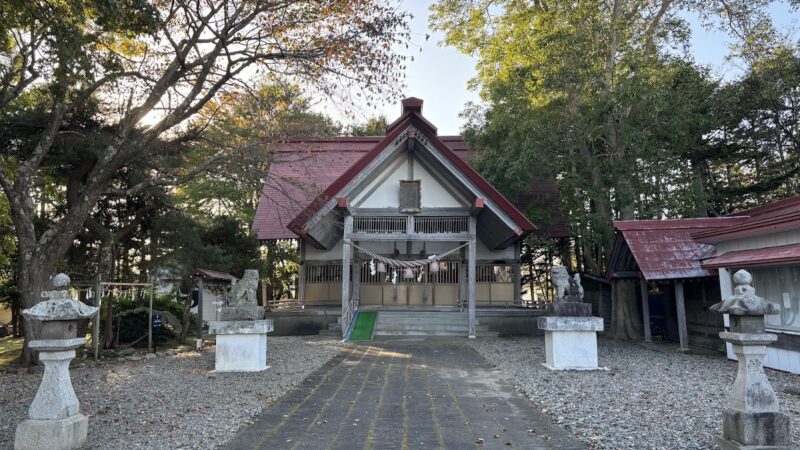
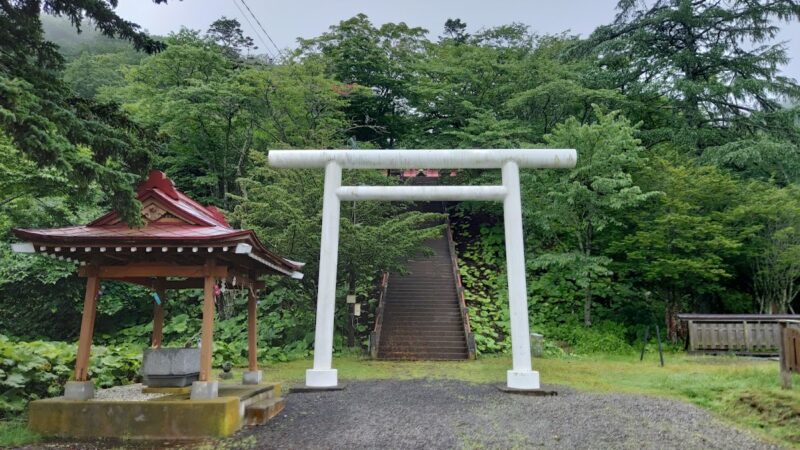
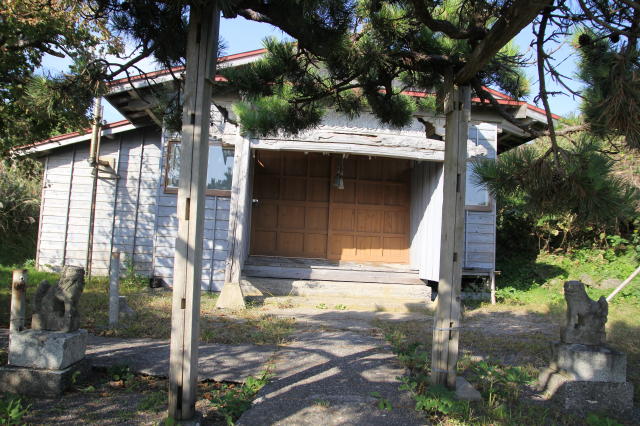
Located at 286 Tatehama, Matsumae Town, Matsumae District, Hokkaido, Inari Shrine is a historic shrine founded in 1724. This article provides a detailed introduction to the history, enshrined deities, festivals, and access information of this shrine, which has been revered by the local people in Matsumae Town, located at the southern tip of Hokkaido facing the Tsugaru Strait.
Basic Information about Inari Shrine
Location and Shrine Rank
Address: 286 Tatehama, Matsumae-cho, Matsumae-gun, Hokkaido 049-1641
Former Shrine Rank: Village Shrine
Annual Festival Date: July 10th
Corporate Number: 4440005000740
Inari Shrine is located in the Tatehama district of Matsumae-cho and has been revered for many years as the guardian deity of the region. Under the Meiji era’s shrine ranking system, it was designated a village shrine and plays an important role as a spiritual pillar of the local community.
Deity Enshrined
Ukanomitama-no-Okami
The deity enshrined at Inari Shrine is Ukanomitama-no-Okami. This deity, appearing in Japanese mythology, is the god who presides over food and grains and is widely worshipped at Inari shrines throughout Japan. “Uka” means grain or food, and “Mitama” is a word representing a divine spirit.
Ukanomitama-no-Okami is recorded in the Kojiki as the child deity of Susanoo-no-Mikoto and Kamu-Oichihime, and is believed to bestow blessings such as abundant harvests, business prosperity, industrial development, and family safety.
Inari worship in Hokkaido was brought by immigrants from Honshu, and has attracted the faith of people praying for the development of agriculture, fishing, and commerce since the pioneering era.
History of Inari Shrines
From Founding to the Meiji Era
Inari shrines were founded in Kyoho 9 (1724). The Kyoho era was the mid-Edo period, a time when the Kyoho Reforms were being implemented by the eighth shogun, Tokugawa Yoshimune. At that time, Matsumae flourished as a castle town of the Matsumae Domain and was an important trading point with Honshu.
The Tatehama district is located on the coast of Matsumae Town and has developed as a settlement centered on fishing. The Inari Shrine is believed to have been established as a spiritual center for the residents, accompanying the development of the region, and as a place to pray for abundant harvests, maritime safety, and business prosperity.
On October 20, 1876 (Meiji 9), the Inari Shrine was designated a village shrine. This signifies its formal recognition as a local shrine during the Meiji era, as the government proceeded with the development of the shrine system. A village shrine, under the shrine ranking system at the time, was positioned as the guardian shrine of the village.
Reconstruction of the Shrine Building in the Meiji Era
In 1898 (Meiji 31), the Inari Shrine building suffered severe damage. It is presumed that the harsh climate conditions of Hokkaido and the deterioration over time made it difficult to maintain the shrine building.
An application for reconstruction was filed on October 12th of the same year, and permission was granted on November 10th. Then, the new shrine building was completed on January 20th, 1899 (Meiji 32), and the shrine continued to carry on the local faith in its new form.
Relocation and Development in the Showa Era
In 1930 (Showa 5), a major turning point occurred for Inari Shrine. Due to the unsuitability of its previous location and the cramped size of the shrine building, a plan for relocation and reconstruction to its current location was devised.
An application for relocation and reconstruction was filed on July 15th of the same year, and permission was granted on September 26th. Then, the completion and relocation ceremony was held on October 30th of the same year, and Inari Shrine was established at its current location. This relocation provided a larger precinct and a more magnificent shrine building, further strengthening its role as the center of local faith.
On July 8, 1943 (Showa 18), the shrine was designated a Shinsen Heihakuryo Kyoshin Jinja (a shrine receiving offerings of sacred food and cloth). This meant that the shrine was recognized by the government as a place where the expenses for sacred food (offerings to the gods) and offerings (gifts to the gods) were provided, demonstrating the shrine’s status and importance.
Matsumae Town and Inari Faith
Historical Background of Matsumae Town
Matsumae Town is located at the southernmost tip of Hokkaido and has long played an important role as a gateway for exchange with Honshu. During the Edo period, the Matsumae Domain was established there, and as the only Japanese government in Ezochi (Hokkaido), it was responsible for trade with the Ainu and northern defense.
It developed as a castle town centered around Matsumae Castle (Fukuyama Castle), and prospered through fishing, such as herring fishing, and the trade of marine products such as kelp. Along with the economic development of this region, people’s faith also flourished, and many shrines were founded.
Inari Shrines of Matsumae Town
In addition to the Inari Shrine in Tatehama, Matsumae Town has several other Inari shrines, including the Aratani Inari Shrine. The Aratani Inari Shrine is located at 263 Aratani, Matsumae-cho, Matsumae-gun, and enshrines Uganomitama-no-Mikoto, Omononushi-no-Kami, and Kotoshironushi-no-Kami as its deities.
These Inari shrines have attracted the faith of people praying for abundant harvests, maritime safety, and business prosperity in their respective regions, and have played a role in strengthening the bonds of local communities.
Characteristics of Inari Faith in Hokkaido
Inari faith in Hokkaido was brought by immigrants from Honshu. During the pioneering era, people engaged in agriculture and fishing in the harsh natural environment established Inari shrines to pray for abundant harvests, bountiful catches, and business prosperity.
Especially in Hokkaido, where various industries such as fishing, forestry, and mining developed in addition to agriculture, Inari shrines came to be worshipped as guardian deities of all industries. Furthermore, Inari worship played an important role as a spiritual pillar for the success of the difficult pioneering undertaking.
Some shrines, such as the Sapporo Fushimi Inari Shrine in Sapporo City, have invited a divided spirit from the Fushimi Inari Taisha in Kyoto, demonstrating the spread of Inari worship throughout Hokkaido.
Inari Shrine Festivals and Annual Events
Annual Festival (July 10th)
The annual festival of Inari shrines is held every year on July 10th. This is the most important festival for the shrine, a Shinto ritual to express gratitude for the blessings of the gods throughout the year and to pray for peace and prosperity in the region.
During the annual festival, Shinto rituals such as the recitation of prayers by Shinto priests and the offering of sacred branches are solemnly performed. Local parishioners and devotees attend, making it an important opportunity to preserve the history of the shrine and reaffirm community bonds.
July is an important season for agriculture and fishing, and the festival also includes prayers for a bountiful harvest and a good catch.
Other Annual Events
It is believed that Inari shrines hold various other annual events in addition to the annual festival. Typical annual events at Shinto shrines include the following:
- Saitansai (January 1st): A New Year’s celebration, praying for the prosperity of the Imperial Family, the peace and security of the nation, and the happiness of parishioners and worshippers.
- Setsubunsai (around February 3rd): A ritual to ward off evil spirits and invite good fortune through bean-throwing.
- Kinensai (February 17th): A prayer for a bountiful harvest and the development of industry.
- Niinamesai (November 23rd): A festival to give thanks for the year’s harvest.
- Oharai (June 30th, December 31st): A Shinto ritual to purify and cleanse away the sins and impurities accumulated over the past six months.
For specific festival dates, we recommend contacting the Hokkaido Shrine Association or your local parishioner organization.
Access to Inari Shrine
Location
286 Tatehama, Matsumae-cho, Matsumae-gun, Hokkaido 049-1641
Transportation Access
Access by Car:
Matsumae-cho is located at the southernmost tip of Hokkaido, so access from Hakodate City is the most common route.
- Approximately 90km southwest from Hakodate City via National Route 228, about 2 hours by car.
- From Matsumae Castle (Fukuyama Castle) to the Tatehama area, travel within the town.
Access by Public Transportation:
- Approximately 3 hours by Hakodate Bus bound for “Matsumae Branch Office” from JR Hakodate Station.
- From within Matsumae-cho to the Tatehama area, use a local bus or taxi.
*Public transportation services are limited, so it is recommended to check the timetable in advance.
Nearby Tourist Attractions
When visiting Matsumae Town, you can also visit the following tourist attractions along with the Inari Shrine:
- Matsumae Castle (Fukuyama Castle): Hokkaido’s only Japanese-style castle, also famous for its cherry blossoms
- Matsumae Clan Residence: A theme park recreating the townscape of Matsumae during the Edo period
- Matsumae Shrine: A shrine dedicated to the founder of the Matsumae Clan
- Hokkaido’s Southernmost Point (Shirakami Cape): A scenic spot offering panoramic views of the Tsugaru Strait
Etiquette and Benefits of Visiting the Inari Shrine
Basic Etiquette for Visiting a Shrine
Here are some basic etiquette rules for visiting a shrine:
- Bow before passing through the torii gate: Show respect for entering the sacred area
- Purify yourself at the water basin: Purify your left hand, right hand, and mouth in that order
- Avoid walking in the center of the approach to the shrine: The center is considered the path for the gods
- Two bows, two claps, one bow in front of the main hall: Bow deeply twice, clap twice, bow deeply once.
- One bow after leaving the torii gate: Express gratitude when leaving the sacred area.
Benefits of Inari Shrines
Inari shrines, which enshrine Ukanomitama-no-Okami, are believed to offer the following benefits:
- Abundant Harvest: Prosperity in agriculture, prayers for a bountiful harvest
- Business Prosperity: Success in business, development of commerce
- Industrial Development: Development of all industries
- Family Safety: Health and peace of the family
- Good Fortune: Increased luck, attracting good fortune
- Maritime Safety: Safety in fishing and a bountiful catch (unique to coastal Inari shrines)
Hokkaido Shrine Association and Inari Shrines
What is the Hokkaido Shrine Association?
The Hokkaido Shrine Association is a religious corporation that encompasses shrines within Hokkaido and functions as a local branch of the Association of Shinto Shrines. The Hokkaido Shrine Association oversees approximately 600 shrines throughout Hokkaido, providing support for shrine management, training Shinto priests, and promoting Shinto culture.
Inari Shrine is also affiliated with the Hokkaido Shrine Association, and its website features basic information and history about the shrine.
Role of the Shrine Association
The Hokkaido Shrine Association engages in the following activities:
- Guidance and support for shrine management
- Training and education of Shinto priests
- Provision of information about shrines
- Promotion and awareness of Shinto culture
- Promotion of collaboration with local communities
For detailed information about shrines and inquiries regarding visits, please contact the Hokkaido Shrine Association.
Shrine Pilgrimage in Matsumae Town
Major Shrines in Matsumae Town
In addition to Inari Shrine (Tatehama), many other shrines are located in Matsumae Town. There are said to be approximately 26 shrines (including subsidiary shrines, monuments, and abandoned shrines) within Matsumae Town, each conveying the history and culture of the region.
The main shrines include:
- Matsumae Shrine: A shrine dedicated to the founder of the Matsumae Domain
- Aratani Inari Shrine: An Inari shrine located in Aratani, Matsumae Town
- Shirakami Shrine: Located in Shirakami, Matsumae Town, said to have been founded in 1740 (Genbun 5)
Visiting these shrines will allow you to gain a deeper understanding of the history and culture of Matsumae Town.
How to Enjoy Visiting Shrines
Points to enjoy visiting shrines in Matsumae Town:
- Learn about the history of each shrine: Learn about the differences in founding dates and enshrined deities.
- Experience the unique characteristics of the region: Understand the connection to local industries such as fishing and agriculture.
- Enjoy the seasonal scenery: The area around Matsumae Castle is especially beautiful during cherry blossom season.
- Collect Goshuin (shrine stamps): Receive Goshuin as a memento of your visit.
- Interact with local people: Experience local culture through the shrines.
Preservation and Future of Inari Shrines
Local Communities and Shrines
Inari Shrines have been the center of faith for the people of the Tatehama district for approximately 300 years since their founding. In rural areas facing declining birth rates, an aging population, and depopulation, shrines are not merely religious facilities, but play an important role as the core of the local community.
Annual festivals and events provide valuable opportunities for local residents to gather and deepen intergenerational exchanges. Furthermore, activities are underway to pass on the history and culture of the region to future generations through the maintenance and management of the shrines. ### Value as a Cultural Asset
Inari Shrine is a valuable resource for studying the history of Hokkaido’s development and religious history. Records of its founding during the Kyoho era (mid-Edo period), and its reconstruction and relocation during the Meiji and Showa periods, provide important historical information about the social conditions and beliefs of the time.
The shrine buildings, grounds, documents, and ritual objects are cultural assets that tell the story of the region’s history and must be appropriately preserved and passed down.
Potential as a Tourism Resource
Matsumae Town is a tourist destination known for Matsumae Castle and its cherry blossoms, but the numerous shrines scattered throughout the town also have the potential to become important tourist resources. “Shrine pilgrimage tours” and “Goshuin (shrine stamp) pilgrimages” have become increasingly popular in recent years.
Developing Matsumae Town’s shrines, including Inari Shrine, as tourist spots where visitors can experience the region’s history and culture, and strengthening information dissemination, could attract new tourists.
Summary
Located at 286 Tatehama, Matsumae-cho, Matsumae-gun, Hokkaido, the Inari Shrine is a historic shrine founded in 1724. It enshrines Ukanomitama-no-Okami as its main deity and has attracted the faith of local people for its divine blessings of abundant harvests, business prosperity, and industrial development.
It was designated a village shrine in 1876, underwent reconstruction of its shrine building in 1898, and moved to its current location in 1930. In 1943, it was designated a shrine receiving offerings of sacred food and cloth, recognizing its importance to the region.
Through annual events, including the annual festival on July 10th, it strengthens the bonds of the local community and plays a role in passing on traditional culture. When visiting Matsumae-cho, why not pay your respects at this historic Inari Shrine and reflect on the history of Hokkaido’s development and the faith of its people?
In Matsumae Town, located at the southernmost tip of Hokkaido and overlooking the Tsugaru Strait, lies an Inari Shrine that has watched over the region for approximately 300 years. Within its tranquil ambiance, the history of Hokkaido and the prayers of its people breathe life into the place.