Complete Guide to Matsumae Gokoku Shrine: A Thorough Explanation of History, Deities, Visiting Information, and Differences from Matsumae Shrine
Located at the southernmost tip of Hokkaido, Matsumae Town is home to two historically significant shrines. One of them is Matsumae Gokoku Shrine. This shrine, dedicated to those who died in the Hakodate War, has attracted the faith of local people, changing its name from the Meiji era to the Showa era. This article provides a comprehensive explanation of Matsumae Gokoku Shrine’s detailed history, deities, the characteristics of its grounds, and its differences from Matsumae Shrine, also located in Matsumae Town.
Table of Contents
- What is Matsumae Gokoku Shrine?
- History of Matsumae Gokoku Shrine
- Deities Enshrined
- Highlights of the Shrine Grounds
- Annual Festivals and Events
- Differences from Matsumae Shrine
- Visiting Information and Access
- Frequently Asked Questions
What is Matsumae Gokoku Shrine?
Matsumae Gokoku Shrine is a shrine located in Toyooka, Matsumae-cho, Matsumae-gun, Hokkaido. As a former undesignated Gokoku Shrine, it enshrines the soldiers of the Matsumae Domain who perished in the Hakodate War.
Gokoku Shrines exist throughout Japan, serving to commemorate the spirits of those who died in war. However, Matsumae Gokoku Shrine holds special significance because it enshrines the victims of a historical event deeply connected to the region during the turbulent Bakumatsu period in Hokkaido, particularly the Hakodate War.
It is still carefully preserved by the local people, and many worshippers visit during the annual festival.
History of Matsumae Gokoku Shrine
Beginning as a Memorial Site
The origins of Matsumae Gokoku Shrine date back to the Battle of Hakodate in 1869 (Meiji 2). A memorial site was established to bury the fallen soldiers of the Matsumae Domain who perished in this battle and to hold memorial services. This marked the beginning of Matsumae Gokoku Shrine.
The Battle of Hakodate is known as the final battle of the Boshin War, where the former shogunate forces and the new government forces clashed in southern Hokkaido. The Matsumae Domain fought on the side of the new government and suffered many casualties. To comfort the spirits of these fallen soldiers, the local people established a memorial site.
Development in the Meiji Era
In April 1876 (Meiji 9), the main shrine was built at the memorial site and renamed Shokonsha. This period also saw the construction of numerous Shokonsha shrines throughout Japan to enshrine war dead. As part of the Meiji government’s policies, there was a growing movement to honor those who sacrificed their lives for the country.
Matsumae Gokoku Shrine, as a Shokonsha (shrine dedicated to the war dead), became a central place of remembrance in the region and a spiritual anchor for the people of Matsumae town. Throughout the Meiji era, improvements were made to the shrine buildings and the grounds were expanded.
Renaming in the Showa Era
In March 1939 (Showa 14), the Shokonsha was renamed Fukuyama Gokoku Shrine. “Fukuyama” is the former name of Matsumae, and it originates from the fact that Matsumae Castle was formerly called Fukuyama Castle. This renaming was part of a nationwide trend of Shokonsha being renamed Gokoku Shrines.
In April 1942 (Showa 17), it was renamed again to Matsumae Gokoku Shrine, its current name. This period coincided with the Pacific War, and the role of the shrine in honoring war dead became even more important.
Even after the war, Matsumae Gokoku Shrine continues to fulfill its role as a local guardian shrine, enshrining not only those who died in the Hakodate War but also the spirits of those from Matsumae Town who lost their lives in subsequent wars.
Deities Enshrined
The deities enshrined at Matsumae Gokoku Shrine are the spirits of those who perished in the Hakodate War, primarily Matsumae Domain soldiers. Specifically, the following individuals are enshrined:
Fallen Soldiers of the Hakodate War
In the Hakodate War of 1869 (Meiji 2), the Matsumae Domain fought against the former shogunate forces as part of the new government army. The domain soldiers who lost their lives in this battle are the main deities enshrined at Matsumae Gokoku Shrine.
The Hakodate War was a conflict in which the former shogunate forces, led by Enomoto Takeaki, attempted to establish the Republic of Ezo in Ezochi (Hokkaido), and the territory of the Matsumae Domain also became a battlefield. Matsumae Castle was temporarily occupied by the former shogunate forces, but ultimately the new government forces were victorious. Many Matsumae domain soldiers were killed in this process.
Fallen in Subsequent Wars
The spirits of those from Matsumae town who lost their lives in wars after the Battle of Hakodate, particularly the First Sino-Japanese War, the Russo-Japanese War, World War I, and World War II, are also enshrined here.
The role of a Gokoku Shrine is to honor those who sacrificed their lives for the country across generations and to pass on their achievements to future generations. Matsumae Gokoku Shrine continues to enshrine those who died in wars of each era based on this spirit.
Highlights of the Shrine Grounds
Features of the Shrine Building
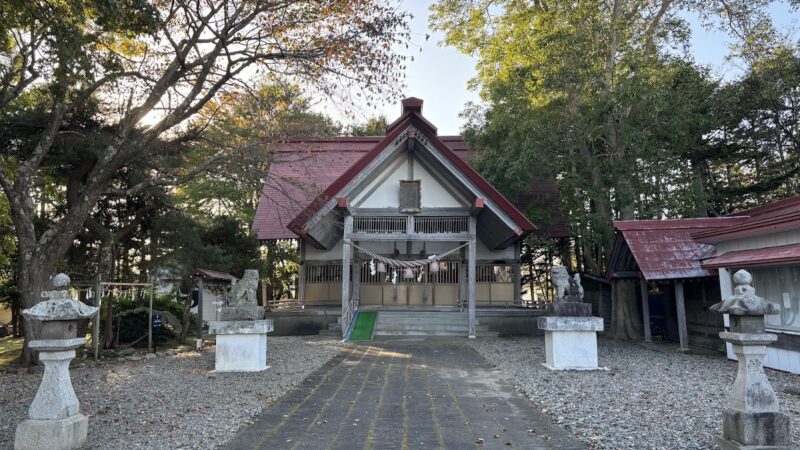
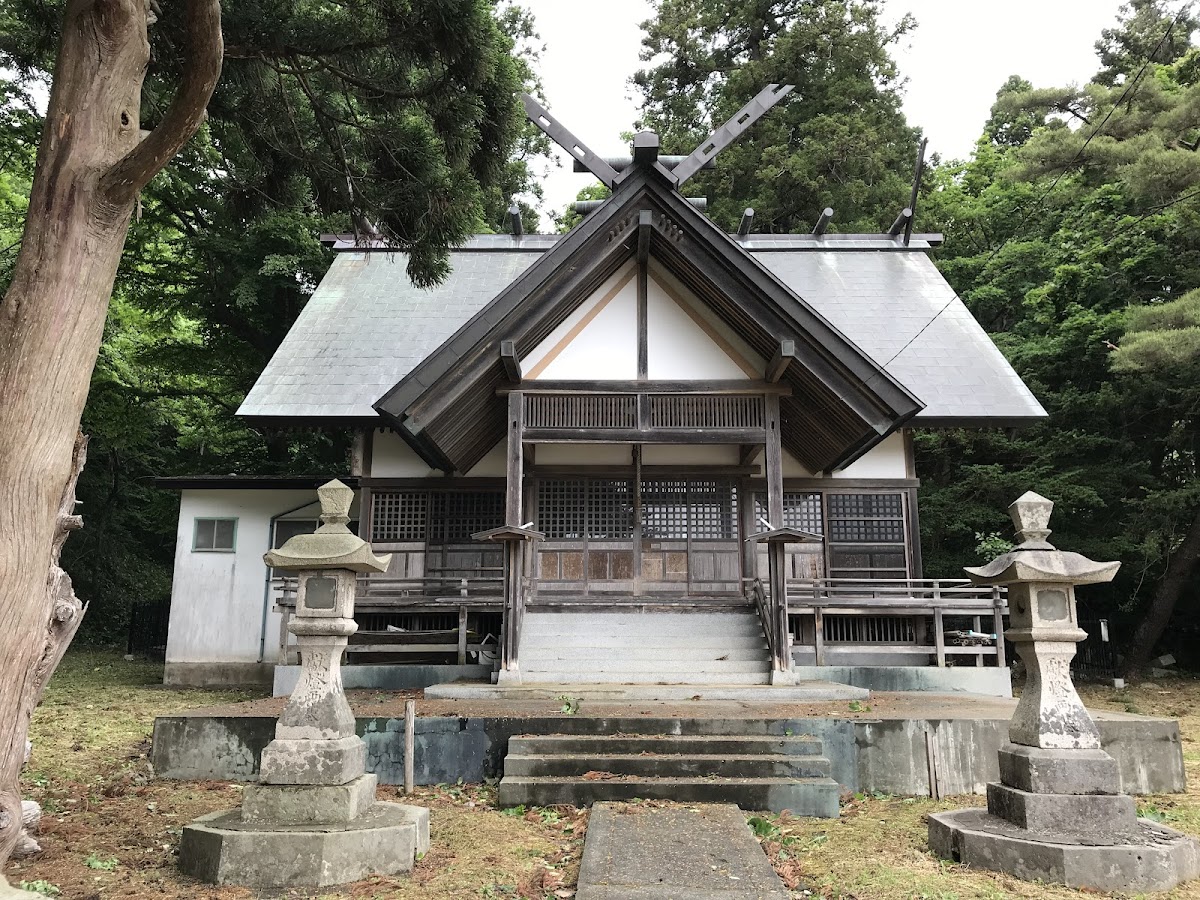
The shrine building of Matsumae Gokoku Shrine has undergone several renovations since its founding in 1876 (Meiji 9). The shrine grounds are located in a quiet area of Toyooka, Matsumae town, providing visitors with a solemn atmosphere.
The architectural style of the shrine is based on the Shinmei-zukuri style, which is common for Gokoku Shrines, and it presents a simple yet dignified appearance. As a shrine dedicated to war dead, the construction prioritizes solemnity over ornamentation.
Atmosphere of the Shrine Grounds
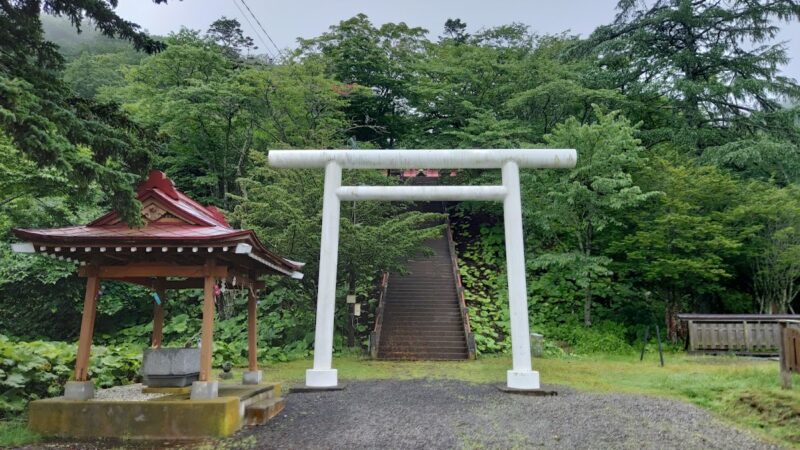
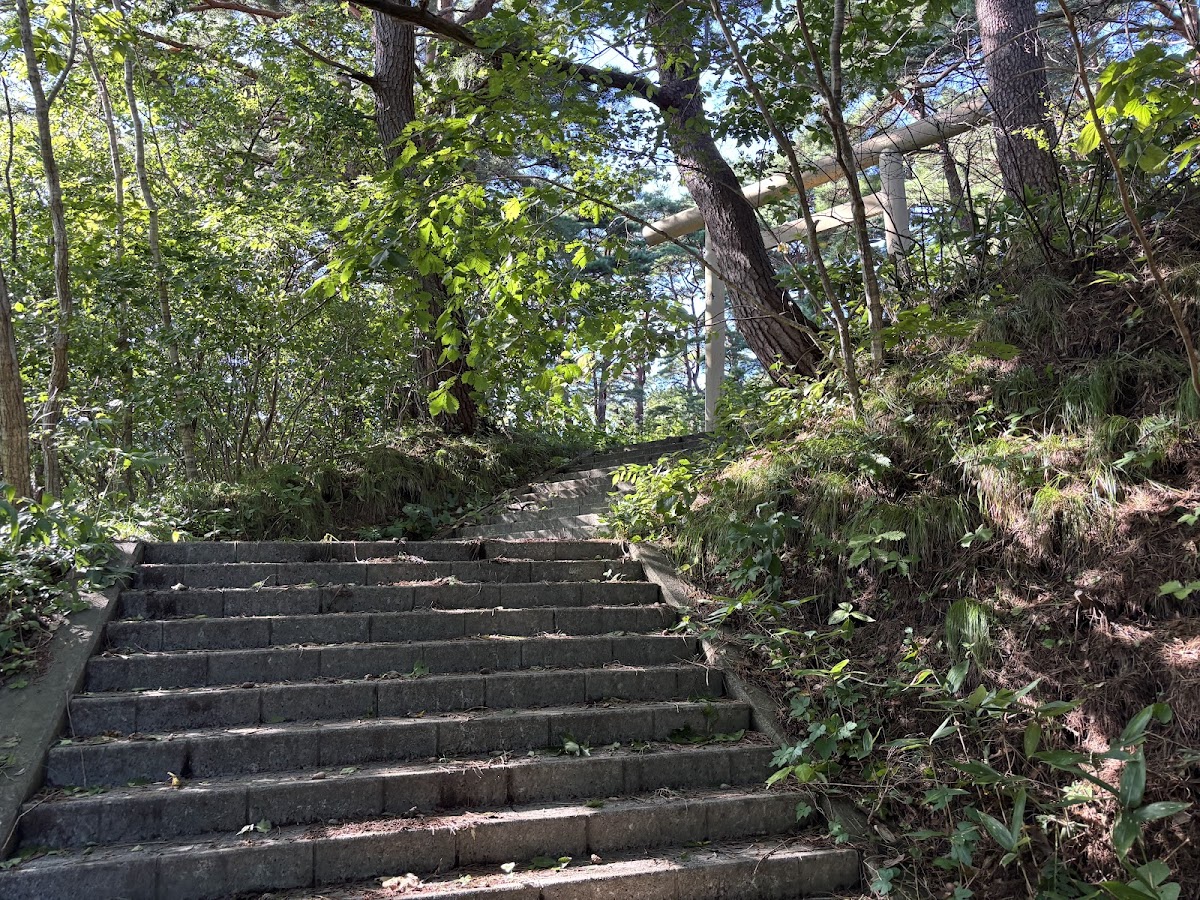
The grounds of Matsumae Gokoku Shrine are located somewhat away from the town center of Matsumae, and are enveloped in tranquility. As you proceed along the approach to the shrine, you will find memorials and monuments for the war dead, conveying to visitors the history of war and the preciousness of peace.
The grounds are planted with trees, allowing visitors to enjoy nature throughout the seasons. The greenery is particularly beautiful from spring to summer, and the autumn leaves color the grounds. In winter, covered in snow, it presents a different kind of solemn beauty.
Memorials and Monuments
Within the grounds, there are memorials commemorating those who died in the Battle of Hakodate, as well as monuments commemorating those who perished in subsequent wars. These monuments bear inscriptions of the names of those who died in battle and summaries of the battles, making them valuable historical resources.
In particular, the monuments related to the Hakodate War are important historical materials for understanding the history of Hokkaido during the late Edo period, and are visited by history enthusiasts and researchers.
Annual Festivals and Events
Spring Festival
Matsumae Gokoku Shrine holds an annual festival every spring. This festival expresses gratitude to the spirits of the war dead, who are enshrined here, and prays for peace. Local residents and bereaved families attend, and the Shinto rituals proceed in a solemn atmosphere.
At the spring festival, Shinto priests recite prayers and offer sacred branches, among other rituals, renewing the attendees’ respect and gratitude towards the war dead.
Autumn Festival
An annual festival is also held in the autumn, similar to the spring festival, commemorating the war dead and praying for peace. The autumn festival is often held to coincide with the harvest season, and also expresses gratitude for the bounty.
Memorial Service on the Anniversary of the End of the War
On August 15th, the anniversary of the end of the war, a special memorial service is sometimes held. On this day, memorial services are held at Gokoku Shrines throughout Japan, commemorating the victims of the war and renewing pledges for peace.
At Matsumae Gokoku Shrine, local people gather to reflect on the history of the war and reaffirm the preciousness of peace.
Other Annual Events
On New Year’s Day, the Saitansai festival is held to pray for peace in the new year and for the well-being of the community. Other annual events common to shrines, such as Setsubun (bean-throwing festival) and Natsukoshi no Oharae (summer purification ceremony), are also held.
Differences from Matsumae Shrine
In addition to Matsumae Gokoku Shrine, Matsumae Town also has another important shrine called Matsumae Shrine. Although the two are often confused due to their similar names, there are significant differences in their enshrined deities, history, and purpose.
Overview of Matsumae Shrine
Matsumae Shrine is a shrine dedicated to Lord Takeda Nobuhiro, the founder of the Matsumae Domain. The Matsumae family initially established the Matsuyo Shrine to enshrine the spirits of successive generations, including Lord Nobuhiro. However, former retainers and commoners called for the creation of a shrine to commemorate the achievements of those who laid the foundation for the development of Ezo (Hokkaido).
Applications to the Hokkaido Development Commission continued from 1879 (Meiji 12), and permission was granted on February 8, 1881 (Meiji 14). A shrine building was constructed on the site of the former Fukuyama Castle’s northern citadel, enshrining the spirit of Lord Takeda Nobuhiro, and named Matsumae Shrine.
The current Shinto-style shrine building was rebuilt in 1923 (Taisho 12) using cypress wood.
Differences in Deities
The biggest difference is the deity enshrined.
- Matsumae Gokoku Shrine: Dedicated to those who died in wars, including the Hakodate War.
- Matsumae Shrine: Dedicated to Lord Takeda Nobuhiro, the founder of the Matsumae Domain.
Matsumae Gokoku Shrine is a Gokoku Shrine dedicated to commemorating those who died in war, while Matsumae Shrine is a shrine that honors the founder of the Matsumae Domain.
Differences in Historical Background
Matsumae Gokoku Shrine began as a memorial site after the Hakodate War in 1869 (Meiji 2), and its main hall was built in 1876 (Meiji 9). On the other hand, Matsumae Shrine was founded in 1881 (Meiji 14) with the purpose of passing on the history and achievements of the Matsumae Domain to future generations.
The major difference is that Matsumae Gokoku Shrine was born from the tragic event of war, while Matsumae Shrine was founded to celebrate the glory and achievements of the Matsumae Domain.
Differences in Location
- Matsumae Gokoku Shrine: Toyooka, Matsumae Town
- Matsumae Shrine: Former Fukuyama Castle North Bailey Site (North side of Matsumae Castle)
Matsumae Shrine is adjacent to the Matsumae Castle ruins and is a popular tourist destination. On the other hand, Matsumae Gokoku Shrine is located somewhat further from the city center.
Differences in Cultural Properties and Attractions
Matsumae Shrine has many attractions, including the “Garyuume” plum tree, said to have been bestowed upon the Matsumae domain by Tokugawa Iemitsu, the third shogun of the Tokugawa shogunate, and the Renriki tree, which appears to have two trees clasped together. Because it is adjacent to the Matsumae Castle ruins, many visitors combine their visit with a tour of the castle ruins.
Matsumae Gokoku Shrine’s main attractions are memorial monuments and monuments, giving it a stronger character as a place to learn about history and reflect on peace.
Differences in the Nature of the Annual Festivals
The annual festival of Matsumae Shrine has a strong character as a festival celebrating the history and culture of the Matsumae Domain, and may include spectacular events such as a portable shrine procession.
The annual festival of Matsumae Gokoku Shrine mainly consists of solemn Shinto rituals centered on commemorating those who died in war.
Visiting Information and Access
Location
Matsumae Gokoku Shrine
〒049-1511 Toyooka, Matsumae-cho, Matsumae-gun, Hokkaido
Access Methods
Access by Car
- Approximately 2 hours from Hakodate City via National Route 228
- Approximately 5 minutes by car from the center of Matsumae Town
- Parking: Parking spaces are available on the shrine grounds or nearby
Access by Public Transportation
- Take the Hakodate Bus bound for “Matsumae Branch Office” from JR Hakodate Station (approximately 3 hours)
- Approximately 10 minutes on foot or by taxi from Matsumae Bus Terminal
Visiting Hours
The shrine grounds are generally open for free worship. The office hours may vary from day to day, so it is recommended that those wishing to receive a Goshuin (shrine stamp) or prayers check in advance.
Etiquette for Visiting the Shrine
Matsumae Gokoku Shrine is a shrine dedicated to those who died in war, so please visit with respect and quietness.
- Bow before passing through the torii gate.
- Avoid walking in the center of the approach to the shrine.
- Cleanse your hands and mouth at the water basin.
- Bow twice, clap twice, and bow once in front of the main hall.
- Offer thanks to those who died in war and pray for peace.
Nearby Tourist Attractions
When visiting Matsumae Town, we recommend also visiting the following tourist attractions.
Matsumae Castle (Fukuyama Castle)
The only Japanese-style castle in Hokkaido, also known as a famous cherry blossom viewing spot. The castle tower houses a museum where you can learn about the history of the Matsumae Domain.
Matsumae Shrine
As mentioned above, this shrine is dedicated to Takeda Nobuhiro, the founder of the Matsumae Domain. Located on the site of the northern bailey of Matsumae Castle, this shrine holds significant historical value.
Matsumae Clan Residence
A theme park recreating the townscape of Matsumae during the Edo period, offering an experience of life and culture from that era.
Temple District
Many temples are clustered around Matsumae Castle, allowing visitors to view historical buildings and cultural assets.
Matsumae Park
A famous cherry blossom viewing spot with approximately 10,000 cherry trees of about 250 varieties, hosting the “Matsumae Cherry Blossom Festival” in spring.
Cultural Significance of Matsumae Gokoku Shrine
Position in Hokkaido’s Modern History
Matsumae Gokoku Shrine symbolizes Hokkaido’s modern history, particularly the turbulent period from the end of the Edo period to the Meiji era. The Hakodate War was the last battle of the Japanese civil war, and Matsumae Gokoku Shrine, which enshrines those who perished in this battle, is an important historical heritage site that conveys the process of modernization in Hokkaido.
As a Place for Peace Education
In modern times, Matsumae Gokoku Shrine is also important as a place to reflect on the preciousness of peace. By learning about the history of war and commemorating the victims, we can raise our awareness of peace.
Especially for younger generations, the history of war is becoming a distant past, but visiting a place like Matsumae Gokoku Shrine can make history feel closer and provide an opportunity to think about peace.
Center of the Local Community
Matsumae Gokoku Shrine is also a place for the people of Matsumae Town to honor their ancestors and share the history of their region. Through events such as the annual festival, the bonds of the local community are deepened.
Significance of Visiting Matsumae Gokoku Shrine
Learning History
By visiting Matsumae Gokoku Shrine, you can learn about the modern history of Hokkaido, including the Hakodate War. The memorials and monuments on the shrine grounds record the events of the time, serving as living historical teaching materials.
Reflecting on Peace
Visiting a shrine that enshrines those who died in war provides an opportunity to reconsider the tragedy of war and the preciousness of peace. Recognizing that modern peace is built upon many sacrifices allows us to renew our resolve to protect peace.
Gratitude to Our Ancestors
The war dead enshrined at Matsumae Gokoku Shrine are people who sacrificed their lives for their country and region in their respective eras. It is our responsibility, as those living in the present, to reflect on their sacrifices and dedication and offer our gratitude.
Summary
Matsumae Gokoku Shrine is a historically significant shrine located in Matsumae Town, Hokkaido. It began as a memorial site for those who died in the Hakodate War, with the main hall built in 1876 (Meiji 9), and its current name adopted in 1942 (Showa 17).
While Matsumae Shrine, also located in Matsumae Town, enshrines Lord Takeda Nobuhiro, the founder of the Matsumae Domain, Matsumae Gokoku Shrine is a Gokoku Shrine dedicated to commemorating war dead, and its character and historical background are significantly different.
Memorial monuments and memorial stones are erected on the shrine grounds, and at the annual festival, gratitude to the war dead and prayers for peace are offered. When visiting Matsumae Town, we recommend visiting Matsumae Gokoku Shrine in addition to Matsumae Castle and Matsumae Shrine, to take an opportunity to reflect on Hokkaido’s history and peace.
Matsumae Gokoku Shrine is an irreplaceable place that conveys the memories of past wars and passes on the preciousness of peace to future generations.
Frequently Asked Questions
Q1: What is the difference between Matsumae Gokoku Shrine and Matsumae Shrine?
A1: Matsumae Gokoku Shrine is a Gokoku Shrine that enshrines those who died in battles such as the Hakodate War, and its origins lie in a memorial site established in 1869 (Meiji 2). On the other hand, Matsumae Shrine is a shrine that enshrines Lord Takeda Nobuhiro, the founder of the Matsumae Domain, and was established in 1881 (Meiji 14). They are different shrines with different deities, purposes, and historical backgrounds.
Q2: When are the annual festivals of Matsumae Gokoku Shrine held?
A2: Matsumae Gokoku Shrine holds two annual festivals a year: a spring festival and an autumn festival. Additionally, a special memorial service is sometimes held on August 15th, the anniversary of the end of the war. The specific date may vary from year to year, so it is recommended to check before visiting.
Q3: Who is enshrined at Matsumae Gokoku Shrine?
A3: Primarily, the shrine enshrines the soldiers of the Matsumae Domain who perished in the Battle of Hakodate in 1869 (Meiji 2). It also enshrines the spirits of those from Matsumae Town who lost their lives in subsequent wars, including the First Sino-Japanese War, the Russo-Japanese War, World War I, and World War II.
Q4: How do I access Matsumae Gokoku Shrine?
A4: It’s about a 2-hour drive from Hakodate City via National Route 228, and about a 5-minute drive from the center of Matsumae Town. By public transport, take the Hakodate Bus bound for “Matsumae Branch Office” from JR Hakodate Station (approximately 3 hours), then walk or take a taxi for about 10 minutes from the Matsumae Bus Terminal.
Q5: Are there any points to keep in mind when visiting Matsumae Gokoku Shrine?
A5: Matsumae Gokoku Shrine is a shrine dedicated to those who died in war, so please be especially respectful and quiet when visiting. When taking photographs, please be considerate so as not to disrupt the atmosphere of the shrine grounds, and we recommend refraining from loud conversations. Also, the operating hours of the shrine office may vary from day to day, so it is a good idea to check in advance if you wish to receive a Goshuin (shrine stamp) or prayer.
Q6: Are there any other recommended tourist spots in Matsumae Town besides Matsumae Gokoku Shrine?
A6: Matsumae Town has several tourist spots, including Matsumae Castle (Fukuyama Castle), Matsumae Shrine, Matsumae Clan Residence, Temple District, and Matsumae Park. Especially during the spring cherry blossom season, the “Matsumae Cherry Blossom Festival” is held at Matsumae Park, where you can enjoy approximately 10,000 cherry trees of about 250 varieties. It is a town where you can enjoy both history and nature.