Yafurai Tenmangu Shrine Complete Guide | History, Benefits, and Access Information in Hokuto City, Hokkaido
Yafurai Tenmangu Shrine, located in Yafurai, Hokuto City, Hokkaido, is a historic shrine dedicated to Sugawara no Michizane, known as the god of learning. It boasts a mystical legend that a statue of Tenjin-sama drifted ashore on a red pine tree in the 15th century, and is a popular power spot in southern Hokkaido, attracting many visitors. This article provides a detailed explanation of Yafurai Tenmangu Shrine’s history, benefits, visiting information, and access methods.
Basic Information on Yafurai Tenmangu Shrine
Location: 138 Yafurai, Hokuto City, Hokkaido
Deity Enshrined: Sugawara no Michizane
Former Shrine Rank: Village Shrine
Annual Festival Date: September 25th
Jurisdiction: Hokkaido Shrine Association
Yafurai Tenmangu Shrine is located along the Mobetsu River and is built within the ruins of Mobetsu-date, one of the twelve castles of southern Hokkaido. This location is not merely a coincidence, but indicates that the shrine is situated in a place of significant importance in the history of Hokkaido.
History and Origins of Yafurai Tenmangu Shrine
Origin and Legend of its Founding
A mystical legend surrounds the founding of Yafurai Tenmangu Shrine. During the Bunwa era (1352-1356), a large pine tree drifted ashore in this area. Later, in the 15th century, it is said that a statue of Sugawara no Michizane (Tenjin-sama) drifted ashore on Yafurai Beach, resting on a red pine tree.
Witnessing this miraculous event, the people of the time believed that Tenjin-sama had chosen this place to descend, and they decided to build a shrine at the site where the statue had washed ashore. A large red pine tree grew on the beach where the statue landed. Although this tree was later cut down, a portion of it is still carefully enshrined within the shrine grounds.
Connection to Mobetsu Castle
In 1443 (Kakitsu 3), Ando Morisue, defeated by the Nanbu clan, built a castle in Yafurai. This is Mobetsu Castle, one of the twelve castles of southern Hokkaido. In 1457 (Choroku 1), the castle’s lord, Shimokuni Ando Shikibu-no-taifu Abe Iemasa, who felt a miraculous sign during a battle with the Ainu, ordered his retainer, Ikeda Hantayu Minamoto Terumoto, to perform a Shinto ritual.
Since then, Yafurai Tenmangu Shrine has been revered as the guardian deity of Mobetsu-kan and has attracted the faith of the local people. This historical background indicates that the shrine is not merely a place of worship, but also an important historical site that tells the story of the relationship between the Japanese and Ainu in Hokkaido, and the medieval castle culture.
History since the Modern Era
With the establishment of the shrine system in the Meiji era, Yafurai Tenmangu Shrine was ranked as a village shrine. From the Taisho to the Showa era, the shrine was developed along with the development of the region, and the current shrine building was constructed.
Even after the war, supported by the fervent faith of the local residents, it has been properly maintained and managed under the jurisdiction of the Hokkaido Shrine Association. In recent years, the number of students praying for academic success and tourists visiting Hokkaido’s power spots has increased, welcoming a new group of visitors.
About the Deity Enshrined: Sugawara no Michizane
Who was Sugawara no Michizane?
Sugawara no Michizane (845-903) was a scholar and politician of the Heian period, a man of extraordinary talent who rose to the position of Minister of the Right. However, due to political intrigue, he was demoted and exiled to Dazaifu, where he died in despair.
After his death, various calamities occurred in Kyoto, which were believed to be caused by Michizane’s vengeful spirit. Kitano Tenmangu Shrine was founded to appease his spirit. Eventually, Michizane was deified as Tenjin-sama, and became revered throughout Japan, especially as the god of learning, calligraphy, and literature.
Why is Tenjin-sama enshrined in Hokkaido?
Sugawara no Michizane is a deity primarily associated with Kyoto and Kyushu, but why is he enshrined in Yafurai, Hokkaido? According to the aforementioned legend, a statue of Tenjin-sama drifted across the sea and arrived here.
This is not merely a legend, but may reflect maritime trade such as the Kitamae-bune ships of the Middle Ages, and the transmission of culture from Honshu to Hokkaido. In fact, the 15th century was a period when the Japanese actively expanded into southern Hokkaido, and it was a time when beliefs and culture from Honshu were brought in.
Benefits of Yafurai Tenmangu Shrine
Academic Achievement and Passing Exams
The most well-known benefit of Yafurai Tenmangu Shrine is academic achievement and passing exams. Because the enshrined deity, Sugawara no Michizane, is revered as the god of learning, many students and their families visit the shrine.
In particular, those preparing for university entrance exams, high school entrance exams, and qualification exams receive blessings and amulets for success. It is believed to grant the benefit of “achieving goals,” and serves as a source of support for people striving towards various goals, not just academics.
Other Benefits
- Protection from Evil and Disaster: Due to its history as a guardian deity, it also offers protection from evil.
- Improvement in Calligraphy: Because Michizane was also an excellent calligrapher.
- Improvement in Literature: Inspired by Michizane’s proficiency in Japanese and Chinese poetry.
- Honesty: Inspired by Michizane’s upright and pure character, it is believed to foster honest and sincere character.
About Goshuin (Shrine Seals)
Goshuin (shrine seals) are available at Yafurai Tenmangu Shrine. According to visitor reviews, they are carefully written right in front of you, making it popular among goshuin collectors.
The goshuin features the calligraphy of “Yafurai Tenmangu” and the shrine’s seal, and is cherished as a memento of your visit. Thorough infection control measures are in place, ensuring a safe environment for worshippers.
Highlights of the Shrine Grounds
The Sacred Red Pine Tree
A portion of a large red pine tree, said to have been growing when Tenjin-sama (the deity of learning) drifted ashore, is still carefully enshrined on the shrine grounds. This red pine is a precious sacred tree that conveys the legend of the founding of Yafurai Tenmangu Shrine.
Seeing it in person makes the events of several hundred years ago feel real, allowing you to truly appreciate the weight of the shrine’s history.
Remains of the Mobetsu Manor
The shrine grounds are located on the site of the Mobetsu Manor, one of the twelve manors of southern Hokkaido. Some remnants of the earthworks and moats still remain, allowing you to feel the atmosphere of a medieval manor.
For history buffs, this is a valuable place where you can visit a medieval historical site in Hokkaido while simultaneously visiting a shrine.
Cherry Blossom Spot
Yafurai Tenmangu Shrine is also known as a cherry blossom spot. In spring, the cherry blossoms on the grounds are in full bloom, offering a beautiful view. Many visitors have commented that “it’s especially beautiful during cherry blossom season.”
Visiting during cherry blossom season offers the luxurious experience of simultaneously visiting the shrine dedicated to the god of learning and enjoying the blossoms.
Atmosphere of the Shrine and Grounds
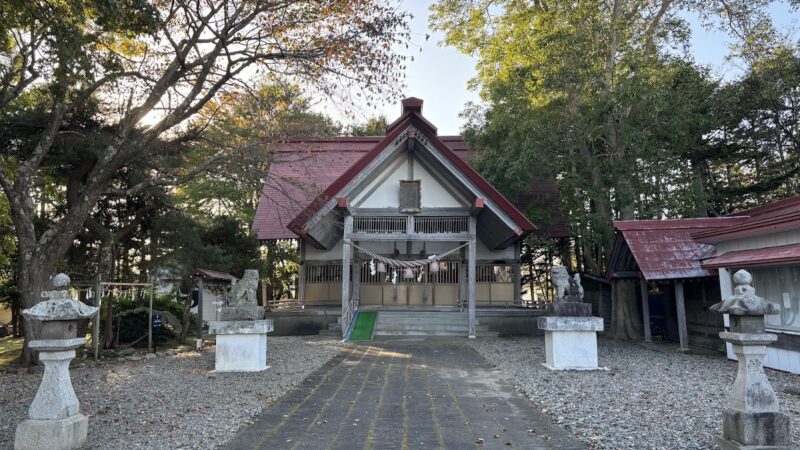
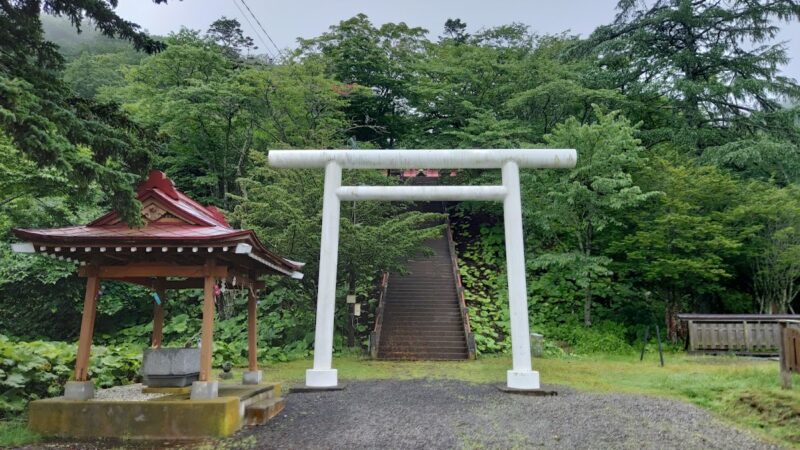
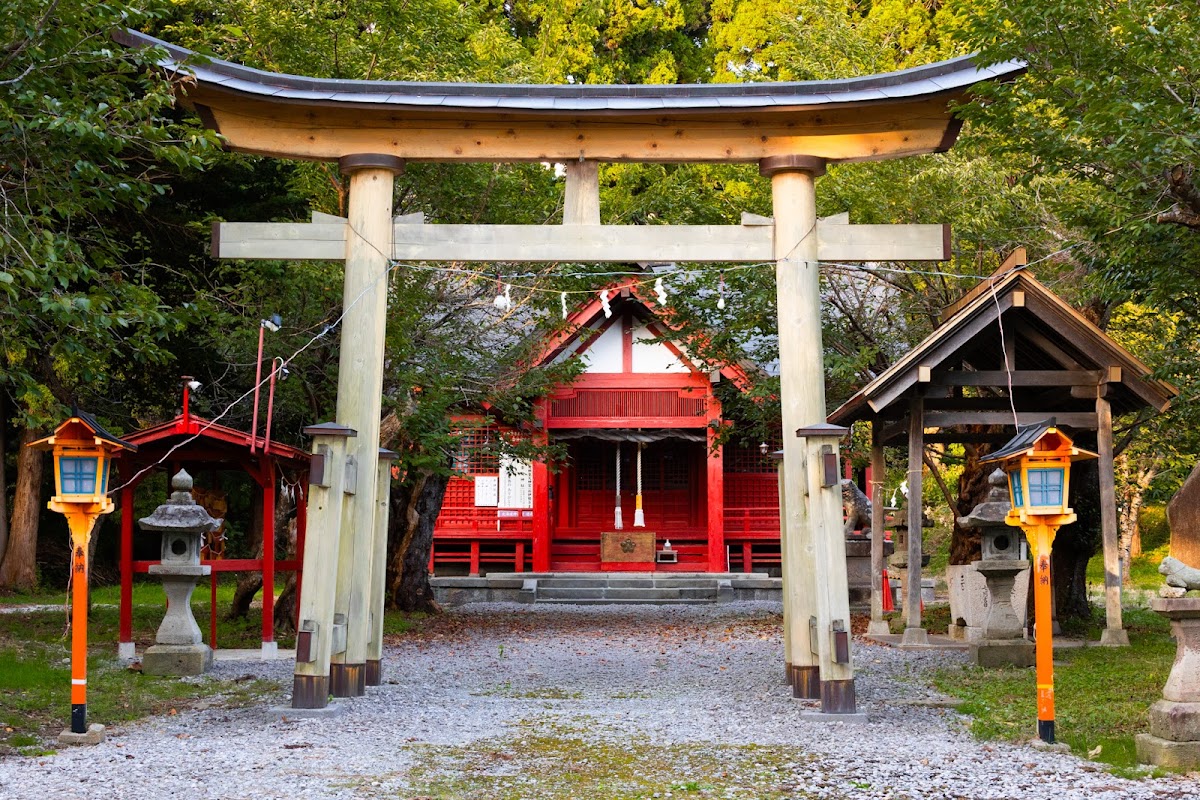
This quiet shrine, nestled in the mountains, boasts a tranquil atmosphere surrounded by nature. It offers a peaceful environment for worship, far removed from the hustle and bustle of the city.
The shrine building is relatively compact, but meticulously maintained, reflecting the deep faith of the local people.
Items Offered and Amulets
Amulets for Passing Exams
The most popular item offered at Yafurai Tenmangu Shrine is the amulet for passing exams. This amulet, believed to grant the protection of Sugawara no Michizane, the god of learning, is an ideal gift for students taking exams.
The amulet is said to have been blessed at Yafurai Tenmangu Shrine for passing exams, and is believed to offer special blessings.
Ema (Votive Tablets)
Ema, on which visitors can write their wishes and dedicate them, are also available. Many worshippers can be seen dedicating ema with prayers for passing exams and academic success.
Other Items Offered
- Academic Success Amulet
- Protection from Evil Spirits Amulet
- Traffic Safety Amulet
- Talisman
These items can be received at the shrine office. Please stop by when you visit.
Access and Transportation Information
Access by Train
Nearest Station: JR Esashi Line, Mobechi Station
Yafurai Tenmangu Shrine is within walking distance from Mobechi Station, but it is a bit of a distance. According to locals, Oshima-Tobetsu Station is also a relatively close station.
Walking to the shrine from the station can renew your resolve to achieve your goals, just as the saying goes, “You should walk there!”
Access by Car
From Hakodate City: Head north on National Route 228, approximately 30 minutes
From Shin-Hakodate-Hokuto Station: Approximately 20 minutes by car
Parking is available near the shrine grounds, but space is limited, so caution is advised during busy times. Especially during cherry blossom season and exam season, the number of visitors increases, so we recommend visiting with plenty of time to spare.
Address and Navigation
138 Yafurai, Hokuto City, Hokkaido 049-0156
You can find the shrine by searching for “Yafurai Tenmangu” in your car navigation system or smartphone map app. Since it’s located in the mountains, please pay attention to road signs.
Manners and Etiquette for Visiting a Shrine
Basic Etiquette for Visiting a Shrine
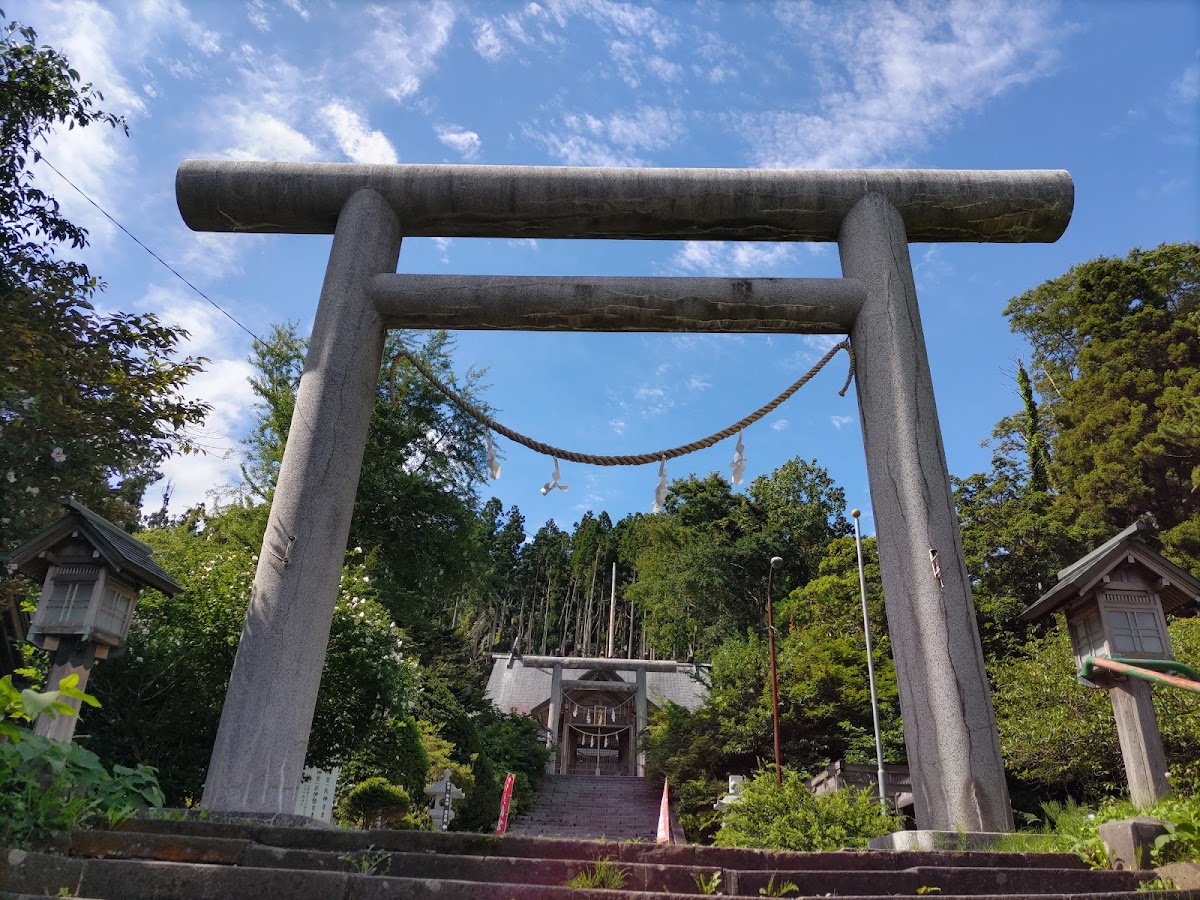
- Bow before passing through the torii gate: As a sign of respect before entering the sacred area.
- Purify yourself at the water basin: Purify your left hand, right hand, and mouth in that order, and finally your left hand.
- Walk along the edge of the path: The center is considered the path for the gods.
- Two bows, two claps, and one bow in front of the main hall: Bow deeply twice, clap twice, silently recite your wish, and bow deeply once.
Unique Visiting Points at Yafurai Tenmangu Shrine
- Visit the sacred red pine tree: After visiting the main hall, offer your respects to the sacred tree as well.
- Stroll around the site of the Mobetsu-kan: A stroll through the shrine grounds while appreciating its historical value is also recommended.
- Respect the silence: This is a quiet shrine nestled in the mountains. Please refrain from speaking loudly.
Nearby Tourist Attractions
Landmarks of Hokuto City
When visiting Yafurai Tenmangu Shrine, consider exploring other tourist attractions in Hokuto City.
- Trappist Monastery: Japan’s first men’s monastery
- Kijihiki Plateau: A viewpoint offering panoramic views of Mt. Hakodate and Mt. Komagatake
- Hokuto City Local History Museum: A facility where you can learn about the region’s history
Highlights of the Southern Hokkaido Area
- Hakodate City: A port town with an exotic atmosphere, and night views from Mt. Hakodate
- Matsumae Town: Matsumae Castle and famous cherry blossom viewing spots
- Kikonai Town: Michi-no-Eki Misogi-no-Sato Kikonai
Hot Spring Facilities
Relaxing in a hot spring after your visit is also recommended. There are several hot spring facilities around Hokuto City where you can soothe your travel fatigue.
Annual Events and Festivals
Grand Festival (September 25th)
The most important festival at Yafurai Tenmangu Shrine is the Grand Festival, held annually on September 25th. This day is considered close to the anniversary of the death of Sugawara no Michizane, and special Shinto rituals are performed.
Local people gather to express gratitude for the past year and pray for future protection.
New Year’s Visit
At the start of the new year, many worshippers visit for their first shrine visit of the year. The shrine is bustling with people praying for academic success and passing exams in the new year.
Special Visits During Exam Season
During the exam season from January to March, many worshippers visit to pray for success in exams. Special prayers are sometimes performed during this period.
Yafurai Tenmangu Shrine and the Twelve Mansions of Southern Hokkaido
What are the Twelve Mansions of Southern Hokkaido?
The Twelve Mansions of Southern Hokkaido are a collective term for the mansions of the Japanese built in southern Hokkaido (the Southern Hokkaido region) in the 15th century. The Ando clan and their subordinate generals built these fortifications as trading posts and defensive structures with the Ainu.
Mobetsu Castle was one such fortification, located where the Yafurai Tenmangu Shrine now stands. Other well-known fortifications include Katsuyama Castle, Shinori Castle, and Hakodate Castle.
Historical Significance of Mobetsu Castle
Mobetsu Castle was built in 1443 by Ando Morisue. This fortification was not merely a military facility, but also a trading post between the Japanese and the Ainu, and a center for cultural exchange.
In the Battle of Koshamain in 1457, it was the site of fierce fighting against the Ainu. Records show that the castle’s lord prayed for victory at the Yafurai Tenmangu Shrine during this battle.
Remaining Structures
Currently, some remains of the Mobetsu Castle, such as earthworks and moats, can be seen. When strolling through the shrine grounds, paying attention to the ground and surrounding terrain will allow you to sense the remnants of the former residence.
For history enthusiasts, Yafurai Tenmangu Shrine is not only valuable as a shrine, but also a precious historical site where you can experience Hokkaido’s medieval history.
Connection to the Community
Faith of Local Residents
Since its founding, Yafurai Tenmangu Shrine has been supported by the fervent faith of local residents. Revered as a guardian deity, it has watched over the peace and development of the region.
Even today, local residents cooperate in cleaning and maintaining the shrine, carefully preserving it.
Connection to Education
As a shrine dedicated to the god of learning, it has deep ties with local schools and educational institutions. During exam season, many students and their parents visit to pray for success.
For local children, Yafurai Tenmangu Shrine is a special place to pray for academic success, and a memorable shrine visited at important milestones in their lives.
Value as a Tourist Resource
In recent years, Yafurai Tenmangu Shrine has been attracting attention as a power spot in Hokkaido. It has also been featured by the Hokuto City Tourism Association, which is actively disseminating information for tourists.
As an attractive tourist spot where history, nature, and faith are intertwined, it contributes to the revitalization of the region.
Visitor Voices and Reviews
The following are some comments from people who have actually visited Yafurai Tenmangu Shrine:
“It’s a wonderful Tenmangu shrine nestled in the mountains, especially beautiful during cherry blossom season. I liked the quiet and peaceful atmosphere.”
“I visited after being told about it by a local. I was moved by the history of the shrine, which enshrines a statue of Tenjin-sama that drifted ashore in the 15th century.”
“I was deeply moved to have my goshuin (shrine stamp) carefully written right in front of me. The infection control measures were also thorough, which made me feel safe.”
“I went to pray for success before my exams. I received a protective amulet, and I passed successfully. I am grateful.”
These reviews show that Yafurai Tenmangu Shrine is a shrine loved and cherished by many people.
Summary: The Charm of Yafurai Tenmangu Shrine
Yafurai Tenmangu Shrine, located in Hokuto City, Hokkaido, is a shrine steeped in history and legend. Its mystical origins—a statue of Tenjin (the deity of learning) drifting ashore across the sea in the 15th century—its deep connection to the Mobetsu-kan, one of the twelve castles of southern Hokkaido, and the fervent devotion to Sugawara no Michizane, the god of learning, all combine to create a unique and captivating shrine.
It’s a place worth visiting for a variety of reasons: not only for those seeking academic success or passing exams, but also for those interested in Hokkaido’s history, those seeking tranquility in a peaceful shrine surrounded by nature, and those who want to enjoy the beautiful cherry blossoms.
When visiting Hakodate or Hokuto City, be sure to stop by Yafurai Tenmangu Shrine. You’ll have a special experience feeling the weight of history and receiving the blessings of Tenjin.
As an officially recognized shrine belonging to the Hokkaido Shrine Association, Yafurai Tenmangu Shrine is properly managed and continues to preserve the faith rooted in the local community. Its charm is such that a single visit will undoubtedly leave a lasting and irreplaceable impression on your heart.