Complete Guide to Yamanoue Daijingu Shrine: The Charm and Visiting Information of a Historic Shrine at the Foot of Mount Hakodate
Located at the top of Kōzaka Hill, at the northern foot of Mount Hakodate, Yamanoue Daijingu Shrine is a historic shrine that predates the development of Hokkaido. Believed to have begun during the Ōan era (1368-1375), this shrine is a valuable cultural asset that has watched over the history of Hakodate and is also known as a historical site related to the Hakodate War. This article comprehensively introduces information you should know before visiting, including the history of Yamanoue Daijingu Shrine, its highlights, access methods, and information on Goshuin (shrine stamps).
History of Yamanoue Daijingu Shrine: The Transformation of One of Hokkaido’s Oldest Shrines
From its Founding to the Hakodate Shinmei-gū Era
According to shrine tradition, the history of Yamanoue Daijingu Shrine dates back to the Ōan era (1368-1375). The shrine’s origins are traced back to a Shugendo practitioner named Fujibo who arrived in the area, built a hermitage on Mt. Shinmei in Kameda Akagawa Village (present-day suburbs of Hakodate), and enshrined a divided spirit of Ise Grand Shrine. This founding date makes it extremely old for a shrine in Hokkaido, and it is one of the few shrines that existed before the development of Hokkaido.
In May of Meireki 1 (1655), the shrine was relocated to Shirisawabe Village (present-day Sumiyoshi-cho) and became known as Hakodate Shinmei-gu. During this period, Hakodate was under the control of the Matsumae Domain and was beginning to develop as a center of northern trade. The relocation of the shrine is thought to be closely related to the formation of Hakodate’s urban area.
In Tenna 2 (1682), it was moved again to the vicinity of Yayoi-cho 15. This location was close to the center of Hakodate at the time and became a place of worship for many people. Throughout the Edo period, Hakodate Shinmei-gu became a major shrine in Hakodate, serving as a spiritual pillar for the local people. ### The Hakodate War and Yamagami Grand Shrine
The Hakodate War, which took place from 1868 to 1869 (Meiji 1), was a significant turning point in the history of Yamagami Grand Shrine. When the former shogunate forces, led by Enomoto Takeaki, occupied Hakodate, the then-existing Hakodate Shinmei Shrine was used as the residence of Matsudaira Sadaaki, the lord of the Kuwana Domain. This historical fact demonstrates that the shrine was not merely a place of worship, but also a politically and militaryly important base.
The Hakodate War is known as Japan’s last civil war, and many battle sites remain in Hakodate. Yamagami Grand Shrine is highly valued for its historical significance as one of the few buildings that directly experienced this turbulent era.
Renaming to Yamagami Grand Shrine and Relocation to Current Location
In 1874 (Meiji 7), the shrine’s name was changed from the former Shinmei Shrine to “Yamagami Grand Shrine,” taking its name from the local place name, Yamanoue-cho. In 1876 (Meiji 9), the shrine was designated a local shrine, officially recognizing its status as a shrine in the region.
However, the shrine suffered significant damage from two major fires in 1879 (Meiji 12) and 1882 (Meiji 15). The 1882 fire, in particular, was a major disaster, destroying a large portion of Hakodate city. Following this fire, the shrine was relocated to its current location at 15 Funami-cho, Hakodate City.
Located at the foot of Mount Hakodate, at the top of Kōzaka slope, this location offers an excellent vantage point overlooking the city, and its fire safety was likely a key consideration. The current shrine building, completed in 1932 (Showa 7), is a beautiful example of shrine architecture with a copper roof and is designated as a landscape-preserving building by Hakodate City. This is the only such designation for a shrine building in Hakodate City.
Deities and Beliefs
Main Deities: Amaterasu Omikami and Toyouke Omikami
The main deities enshrined at Yamagami Daijingu Shrine are Amaterasu Omikami and Toyouke Omikami. These are the deities enshrined at the Inner and Outer Shrines of Ise Grand Shrine, indicating that Yamagami Daijingu Shrine enshrines a divided spirit of Ise Grand Shrine.
Amaterasu Omikami is the supreme deity in Japanese mythology and is considered the ancestral deity of the Imperial family. She possesses the characteristics of a sun goddess and is believed to bestow blessings such as national peace and security, abundant harvests, and good fortune. Toyouke Omikami is the goddess who presides over food and grains, and is known for her blessings such as industrial development, business prosperity, and family safety.
Deities Enshrined Together
In addition to the main deities, several other deities are enshrined together at Yamagami Daijingu Shrine. Konohanasakuya-hime no Mikoto is known as the goddess of Mount Fuji and is believed to bestow blessings for safe childbirth, child-rearing, and protection from fire. Sugawara no Michizane is widely worshipped as the god of learning, and many worshippers visit to pray for academic success and passing exams.
The enshrinement of these deities gives the Yamagami Grand Shrine the character of a comprehensive shrine that responds to diverse wishes. The history of receiving various prayers from the local people is reflected in this form of enshrinement.
Highlights and Architecture of the Shrine Grounds
Shrine Building Designated as a Landscape Preservation Building
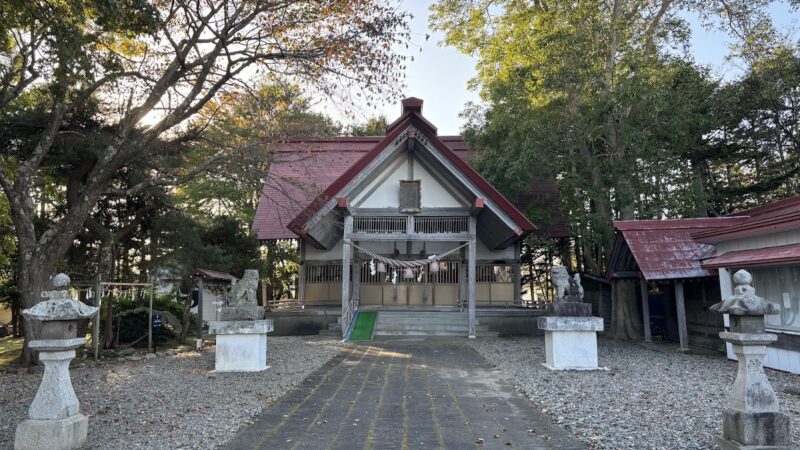
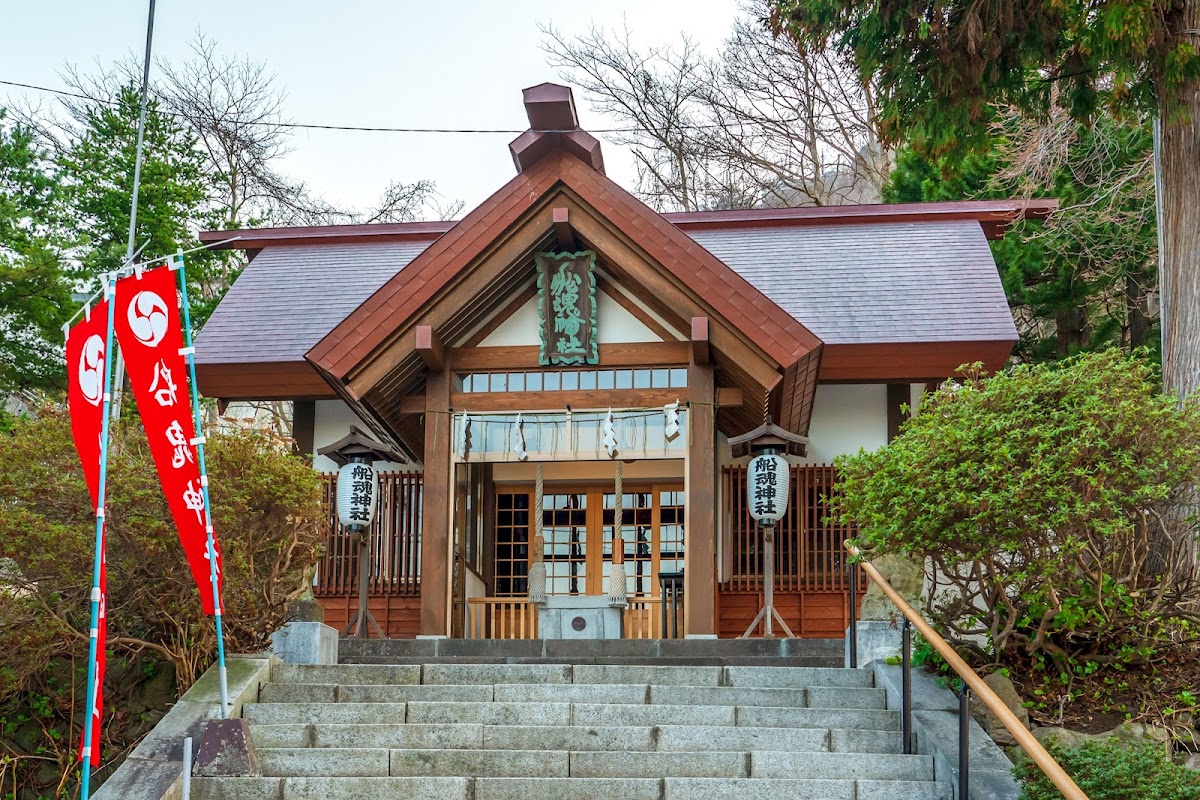
The current shrine building, completed in 1932 (Showa 7), is a beautiful example of shrine architecture with a copper-plated roof. It is the only shrine building designated as a landscape preservation building in Hakodate City, and its architectural value is highly regarded.
While the shrine building follows the traditional style of shrine architecture, it also incorporates architectural techniques from the early Showa period. The copper-plated roof changes to a unique verdigris color over time, creating a beautiful landscape that harmonizes with the surrounding natural environment.
View from Kōzaka Slope
One of the major attractions of the Yamagami Grand Shrine is the view of Hakodate city from its grounds. Located on a hill at the top of Kōzaka Slope, it offers a spectacular panoramic view of Hakodate Bay and the city.
Especially on a clear day, you can see from Mount Hakodate to the Tsugaru Strait, truly appreciating Hakodate’s unique topography. This view is distinct from other slopes in Hakodate and well worth a visit. The scenery changes with the seasons, providing a fresh and moving experience with every visit.
Atmosphere of the Shrine Grounds
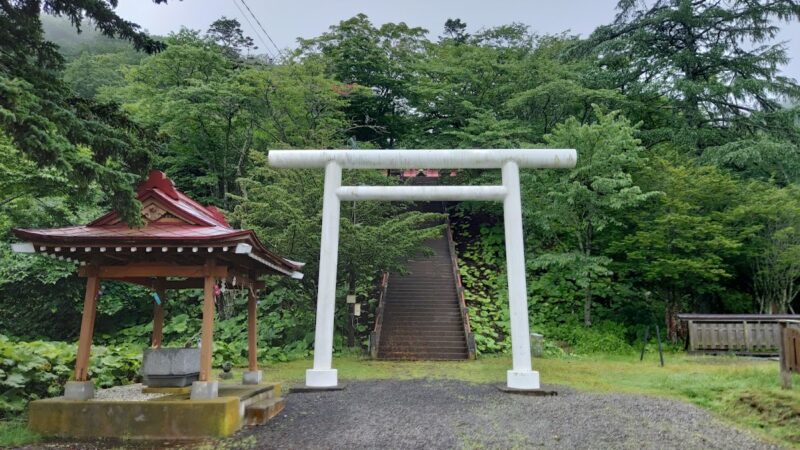
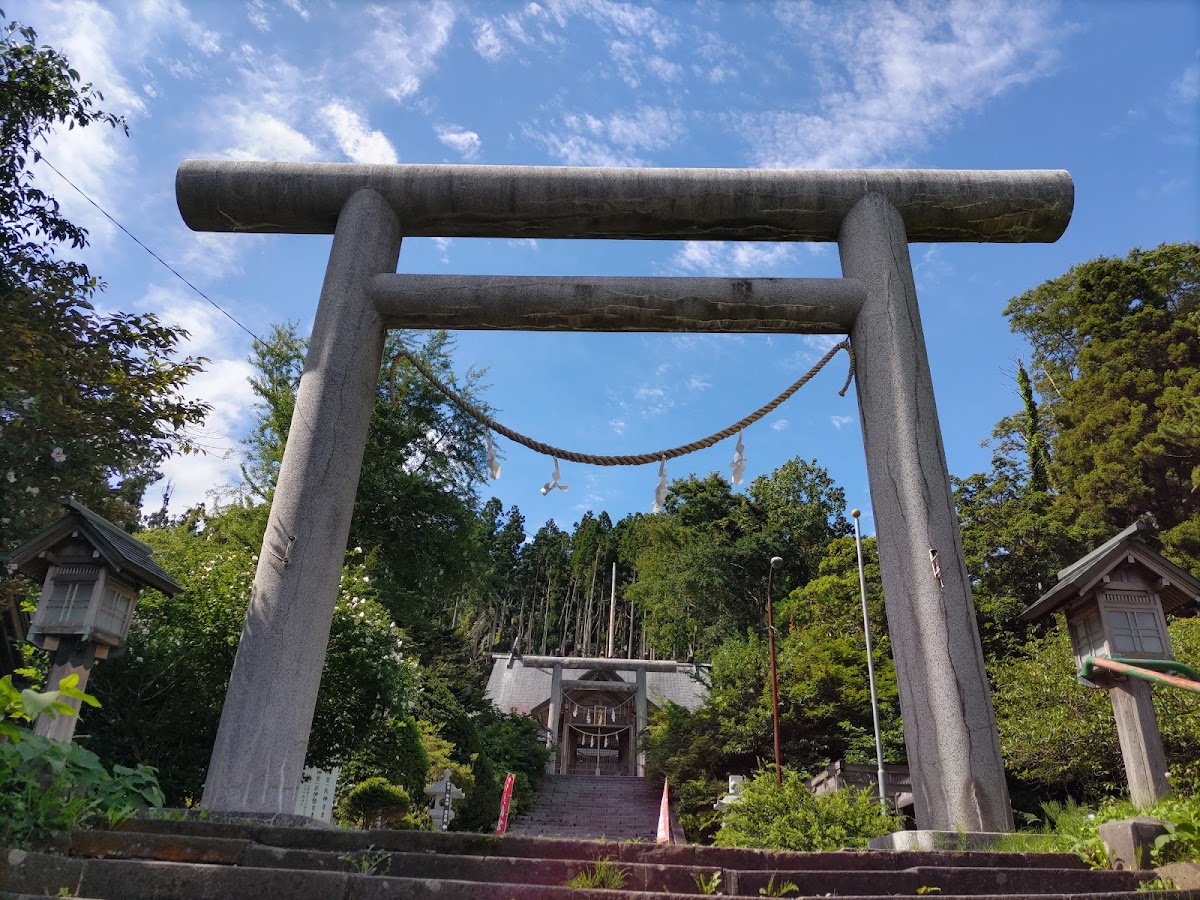
The shrine grounds are surrounded by the rich nature of Mount Hakodate, maintaining a tranquil atmosphere despite being in the city. As you walk along the tree-lined path, a sacred space unfolds, far removed from the hustle and bustle of the city.
The shrine grounds are relatively compact, but they are meticulously maintained, providing a clean and peaceful environment for worship. The changing natural scenery throughout the seasons is one of the shrine’s charms.
Yamagami Grand Shrine and Historical Figures
Sawabe Takuma and Niijima Jo
Indispensable to understanding the history of Yamagami Grand Shrine is the figure of Sawabe Takuma, the 8th chief priest. Sawabe Takuma was a second cousin of Sakamoto Ryoma and a Shinto priest who was active from the end of the Edo period to the Meiji era.
Sawabe Takuma was also a friend of Niijima Jo, known as the founder of Doshisha University, and is known for assisting Niijima Jo in his secret departure from Hakodate to America. This historical fact demonstrates that Yamagami Grand Shrine was not merely a local shrine, but an important place involved in Japan’s modernization.
Jo Niijima’s voyage was a significant event in the history of Japanese education, and the fact that priests of Yamagami Grand Shrine were involved in its realization further enhances the historical significance of this shrine.
Connection to Ryoma Sakamoto
The fact that Takuma Sawabe was a relative of Ryoma Sakamoto is another interesting aspect of Yamagami Grand Shrine’s history. Ryoma Sakamoto was a figure who greatly influenced Japanese history as a patriot of the late Edo period, and the fact that a relative of his served as a priest at a shrine in Hakodate is a fascinating episode for history buffs.
Such connections with historical figures demonstrate that Yamagami Grand Shrine occupies an important position not only within the Hakodate region but also within the overall history of Japan.
Access Information and Points to Note When Visiting
Basic Information
Location: 15-1 Funami-cho, Hakodate City, Hokkaido
Phone Number: 0138-22-1819
Nearest Station: Approximately 11 minutes on foot from Hakodate Dockmae Station on the Hakodate City Tram, or approximately 12 minutes on foot from Omachi Station
Precautions When Climbing Kōzaka Slope
The most striking feature of visiting the Yamagami Daijingu Shrine is the steep slope of Kōzaka Slope. The slope becomes very steep from around the former Russian Consulate, and is described as being “so steep it makes you want to laugh.”
If visiting on foot, please note the following:
- Physical Fitness Required: Due to the steep slope, a certain level of physical fitness is necessary. Especially for the elderly or those who are not confident in their physical fitness, it is recommended to climb at a leisurely pace and take breaks.
- Appropriate Clothing and Shoes: Comfortable walking shoes are essential. Heels and sandals are dangerous.
- Winter Precautions: Snow and ice increase the risk of danger during winter. Wear non-slip shoes, and consider using crampons if necessary.
- Summer Heat Precautions: During summer, it’s important to stay well-hydrated and protect yourself from the sun with a hat.
Access by Car
For those who are not confident in their physical fitness or want to use their time efficiently, access by car is recommended. There are limited parking spaces around the shrine. However, some roads are narrow, so driving requires caution.
Taking a taxi is another option. You can easily visit the shrine by taxi from Hakodate Station or major hotels in the city. You can also call a taxi for your return trip, but it’s a good idea to check your cell phone signal strength beforehand.
Best Time and Season for Visiting
While Yamagami Daijingu Shrine is open year-round, it offers different charms depending on the season and time of day.
Spring (April-June): The fresh greenery is beautiful, and the mild weather makes it ideal for visiting. During cherry blossom season, you can enjoy the cherry blossoms along with those in Hakodate city.
Summer (July-August): The greenery is lush, allowing you to fully enjoy the nature of Mount Hakodate. However, since you will be climbing a slope, heat protection is essential.
Autumn (September-November): The autumn foliage is beautiful, and you can enjoy a spectacular view of Hakodate city. The temperature is pleasant, making it the perfect season for visiting.
Winter (December-March): The shrine amidst a snowy landscape has its own charm, but the slopes become extremely dangerous due to snow and ice. Winter visits require adequate equipment and caution.
In terms of timing, early mornings are relatively less crowded, allowing for a peaceful visit. Also, in the evening, you can enjoy the beautiful sight of the lights beginning to illuminate Hakodate city.
Goshuin (Shrine Seal) Information
Features of the Goshuin
You can receive a Goshuin at Yamagami Daijingu Shrine. Goshuin (temple/shrine stamps) are popular as proof of worship and as souvenirs of travel. The goshuin at Yamagami Daijingu Shrine are carefully written in a traditional style, conveying the history and prestige of the shrine.
The goshuin includes the shrine’s name, the date of visit, and the shrine’s seal. While there may be slight variations depending on the calligrapher, this is part of the charm of handwritten goshuin.
Etiquette for Receiving a Goshuin
When receiving a goshuin, please observe the following etiquette:
- Pray first: As the goshuin is proof of worship, always complete your prayers before receiving it.
- Prepare a goshuin notebook: It is recommended to prepare a dedicated goshuin notebook.
- Prepare the offering: Generally, an offering of 300 to 500 yen is required. It’s best to have small change ready to avoid needing change.
- Polite Language: Ask politely, “May I receive a Goshuin (temple/shrine stamp)?”
- Expressing Gratitude: After receiving the stamp, express your gratitude by saying, “Thank you.”
Shrine Office Hours
Goshuin can be obtained at the shrine office, but priests may not always be present. To ensure you receive a Goshuin, it is recommended to call ahead. Generally, the office is open from 9 AM to around 5 PM, but this may vary depending on religious ceremonies and events.
Nearby Tourist Attractions
Former Russian Consulate
Located halfway up Kōzaka, the former Russian Consulate is one of the buildings symbolizing Hakodate’s exotic atmosphere. Visiting it in conjunction with a visit to the Yamagami Daijingu Shrine allows you to experience Hakodate’s diverse history.
Mount Hakodate
Yamagami Daijingu Shrine is located at the northern foot of Mount Hakodate, and the Hakodateyama Ropeway station is relatively close. Before or after enjoying the night view from Mount Hakodate, known as one of the world’s three greatest night views, it’s a good idea to visit the Yamagami Daijingu Shrine.
Motomachi Area
Within walking distance of the Yamagami Daijingu Shrine lies the historic buildings of the Motomachi area. Adding the Yamagami Daijingu Shrine to a walking course that includes Western-style architecture from the Meiji and Taisho periods, such as the Hakodate Orthodox Church, the Catholic Motomachi Church, and the Old Hakodate Public Hall, allows you to more deeply appreciate the charm of Hakodate’s blend of Japanese and Western styles.
Bay Area
The Bay Area, the heart of Hakodate’s tourist area, is also relatively close to the Yamagami Daijingu Shrine. A popular course involves enjoying shopping and dining at the Red Brick Warehouses before extending your trip to visit the Yamagami Daijingu Shrine.
Annual Events and Festivals
Main Festivals
Various festivals are held at the Yamagami Daijingu Shrine throughout the year. The main festivals include the following:
Annual Grand Festival: This is the most important festival at the shrine, held grandly at a fixed time each year. Local people gather to celebrate the shrine’s history and traditions.
New Year’s Visit: Many worshippers visit the shrine in the new year to pray for safety and happiness throughout the year. It is one of the most popular New Year’s visit spots in Hakodate.
Setsubun Festival: During Setsubun in February, events such as bean-throwing are held, and prayers are offered for warding off evil and inviting good fortune.
Shichi-Go-San Festival: In November, the shrine is bustling with worshippers celebrating Shichi-Go-San, a festival celebrating the growth of children.
Individual Prayers
Yamagami Grand Shrine also accepts various individual prayers. Prayers can be received for life’s milestones and wishes, such as safe childbirth, first shrine visit for a newborn, protection from evil, success in exams, and business prosperity. If you wish to have a prayer performed, it is recommended to contact the shrine by phone in advance to make a reservation.
The Position of Yamagami Grand Shrine in Hakodate’s History
History Predating Hokkaido’s Development
One of the most important characteristics of Yamagami Grand Shrine is that it existed even before the development of Hokkaido. While many shrines in Hokkaido were founded in conjunction with the Meiji era and subsequent development, Yamagami Grand Shrine boasts a history dating back to the medieval period of the Oan era (1368-1375).
This fact indicates that Hakodate had developed as a trading hub even before the Edo period, and is of significant importance when considering Hokkaido’s history. The arrival of Shugendo practitioners and the founding of the shrine are also evidence of cultural exchange between Honshu and Hokkaido.
Hakodate’s Urban Development and Shrine Relocation
The history of Yamagami Grand Shrine’s relocations can be said to be the history of Hakodate’s urban development itself. The repeated relocations from Kameda Akagawa Village to Sumiyoshi-cho, Yayoi-cho, and then to the current Funami-cho were driven by the expansion of Hakodate’s urban area and repeated urban disasters such as large fires.
The great fires of the Meiji era, in particular, had a significant impact on Hakodate’s urban planning, leading to the reorganization of the city as a fire prevention measure. The relocation of Yamagami Grand Shrine to its current location can be understood as part of this urban planning.
Cultural Value
Yamagami Grand Shrine is designated as a landscape-forming building by Hakodate City, and its value as a cultural property is recognized. The shrine building, completed in 1932 (Showa 7), retains many characteristics of pre-war shrine architecture, making it a valuable architectural historical site.
Furthermore, its role as a historical site related to the Hakodate War enhances its historical value. As a building that directly experienced the turbulent period of transition from the end of the Edo period to the Meiji era, Yamagami Grand Shrine is an indispensable presence when discussing the history of Hakodate.
Visitor Feedback and Reputation
Stunning Scenery
Many visitors to Yamagami Grand Shrine unanimously praise the view of Hakodate city from the shrine grounds. Many visitors have commented that “the view from the top was magnificent” and “you can see a different view from other slopes.”
Many visitors feel that the effort of climbing the steep slope is rewarded by this spectacular view. The view on a clear day is particularly exceptional, and it’s said to be one of the highlights of Hakodate sightseeing.
Surprise at the Depth of History
Many visitors are surprised by the fact that it is a long-established shrine with a history dating back to before the development of Hokkaido. For those who have the preconceived notion that most shrines in Hokkaido date back to the Meiji era, the history of Yamagami Daijingu Shrine, which dates back to the Oan era, is a refreshing surprise.
Some say that “not many locals know about it,” and its value as a hidden historical spot is gradually being recognized.
The Difficulty of the Slope
On the other hand, many visitors find the steep slope of Kōzaka “difficult” and “requires physical strength.” As symbolized by the expression “the slope is so steep it makes you want to laugh,” this slope is the biggest challenge in visiting Yamagami Daijingu Shrine. However, for many visitors, this difficulty is part of the memorable experience of visiting Yamagami Daijingu Shrine. They feel that the sense of accomplishment and the magnificent view upon arrival are all the more striking because of the effort they put into the climb.
Significance of Visiting Yamagami Daijingu Shrine
Experiencing Hakodate’s History
Visiting Yamagami Daijingu Shrine is not simply about paying respects at a shrine; it’s about experiencing Hakodate’s long history. Standing at this shrine, which has watched over Hakodate’s development for over 600 years, from the Oan era to the present day, allows you to truly feel the weight of this place’s history.
From its role as a historical site of the Hakodate War, to the presence of Shinto priests who assisted Niijima Jo’s voyage, and its history of repeated fires and relocations, Yamagami Daijingu Shrine encapsulates the history of Hakodate. For those interested in history, this shrine is a must-see.
Enjoying Hakodate’s Scenery
The view from Yamagami Daijingu Shrine is one of the highlights of Hakodate sightseeing. Unlike the night view from Mount Hakodate, the daytime view overlooking Hakodate city offers a renewed appreciation for the beauty of Hakodate’s topography and cityscape.
This location, offering panoramic views of Hakodate Bay, the Tsugaru Strait, and the city, is also a popular spot for photography. The scenery, which changes with the seasons and weather, provides a fresh and moving experience with every visit.
A Place of Quiet Prayer
Amidst the bustling tourist destination of Hakodate, the Yamagami Daijingu Shrine offers a relatively quiet place for prayer. Reaching the shrine grounds after the “trial” of climbing a steep slope provides a sacred space away from the mundane world, a place to calm the mind.
For those seeking time to escape the hustle and bustle of everyday life and reflect on themselves, the Yamagami Daijingu Shrine is an ideal place. In the tranquil atmosphere surrounded by the nature of Mount Hakodate, you can slowly pray and find peace of mind.
Summary: The Charm of Yamagami Grand Shrine
Yamagami Grand Shrine is a special shrine nestled at the foot of Mount Hakodate, where history, nature, and panoramic views blend seamlessly. With a long history dating back to the Oan era, its value as a historical site related to the Hakodate War, and the presence of Shinto priests who assisted Jo Niijima’s voyage, this shrine encapsulates the history of Hakodate.
Climbing the steep Kōzaka slope is certainly challenging, but the breathtaking views and tranquil grounds that await at the top are well worth the effort. The beautiful shrine buildings, designated as a Hakodate City landscape preservation building, the rich natural beauty of Mount Hakodate, and the panoramic views of Hakodate city leave a lasting impression on visitors.
When visiting Hakodate, be sure to visit not only the standard tourist spots but also this historic Yamagami Grand Shrine. By experiencing the shrine’s history, which predates the development of Hokkaido, enjoying the spectacular views overlooking Hakodate, and spending a quiet time in prayer, you’re sure to discover a new charm of Hakodate.
If you’re not confident in your physical stamina, please consider using a car or taxi, and plan your visit in a way that suits you. If you’re collecting Goshuin (temple/shrine stamps), we recommend checking the shrine office’s operating hours in advance.
Yamagami Daijingu Shrine is like a hidden gem in Hakodate. We hope this article will be helpful for your Hakodate sightseeing and your visit to Yamagami Daijingu Shrine.