Inari Shrine (Kamigunagawa, Hokkaido) Complete Guide
The Inari Shrine, located in Kamigunagawa, Hokkaido, is a historic shrine that has long been cherished by the local community. This article provides a detailed introduction to the shrine, including its historical background, enshrined deities and blessings, highlights of the grounds, and access information useful for those planning a visit.
Overview of Inari Shrine (Kamigunagawa)
The Inari Shrine is located in the Kamigunagawa district of Hokkaido and is a shrine based on Inari worship. As one of approximately 30,000 Inari shrines nationwide, it has functioned as a spiritual center in this region.
Location and Basic Information
Kamigunagawa is a place name in Hokkaido, and this Inari Shrine plays a central role in the local community. It has a history dating back to the Hokkaido pioneering era and has been cherished as a place of worship for local residents.
History and Origin of Inari Shrines
Hokkaido Development and Inari Faith
Many Inari shrines in Hokkaido were established during the pioneering period after the Meiji era by settlers from Honshu. The Inari Shrine in Kami-Gunkawa is also believed to have been founded by settlers in this area who received a divided spirit from their hometown Inari shrine and established it to pray for abundant harvests, business prosperity, and family safety.
The Role of Shrines During the Pioneering Period
During the pioneering period in Hokkaido, shrines were not merely places of worship but also the center of community building for settlers. For people living in a harsh natural environment, shrines were a source of spiritual support and a place that strengthened community bonds.
Connection with the Community
The Inari Shrine in Kami-Gunkawa has walked hand in hand with the history of the region. In times when agriculture and forestry flourished, prayers for abundant harvests were offered, and as times have changed, it continues to be cherished by the local people as a guardian presence watching over the safety and prosperity of the region.
Deities and Blessings
Main Deity of Inari Shrines
The main deity of Inari shrines is generally Ukanomitama-no-kami. This deity is a god of grain and food appearing in Japanese mythology, and has been worshipped since ancient times as the guardian deity of abundant harvests.
Some Inari shrines also enshrine the following deities:
- Satahiko-no-Okami: God of opening paths
- Omiyanome-no-Okami: God of protecting the Imperial Palace
- Tanaka-no-Okami: God of agriculture
- Shino-no-Okami: Gods of Inariyama Mountain
Main Benefits
The Inari Shrine in Kamigunagawa is said to offer the following benefits:
1. Abundant Harvest and Agricultural Prosperity
The original benefit of Inari shrines, abundant harvests, is particularly important in Kamigunagawa, an agricultural area. Many worshippers visit to pray for a bountiful harvest and safety in agricultural work.
2. Business Prosperity and Success
Since the Edo period, Inari worship has also become widely practiced as a god of business prosperity. It is deeply revered by business owners and merchants who pray for business success and prosperity.
3. Family Safety and Protection from Evil
It also offers blessings for the health and safety of family members and protection from disaster. Local people pray for family safety at the beginning of the year and at significant milestones.
4. Good Fortune and Prosperity
It is believed to enhance one’s luck and bring good fortune, and many people visit when they are at a turning point in their lives or starting something new.
Characteristics and Highlights of Inari Shrines
Atmosphere of the Shrine Grounds
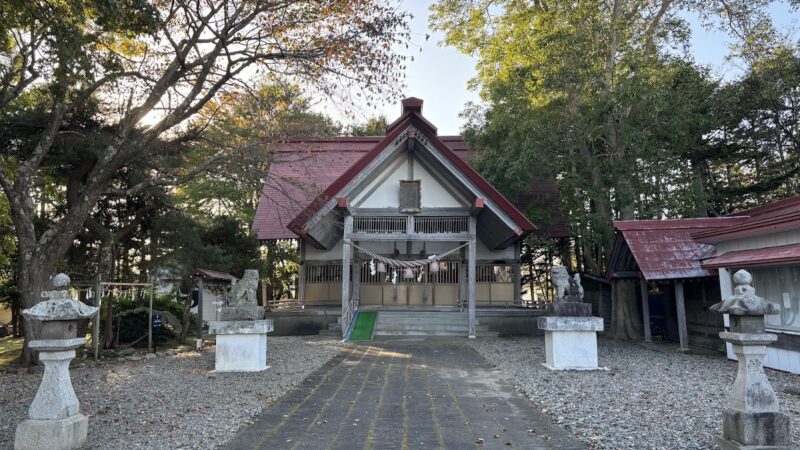
The grounds of Inari Shrines, surrounded by the nature of Hokkaido, showcase the beauty of each season. In particular:
- Spring: New green leaves sprout, and the air is filled with freshness.
- Summer: Lush green trees create cool shade within the shrine grounds.
- Autumn: Autumn leaves color the grounds, further enhancing the sacred atmosphere.
- Winter: The snow-covered grounds are enveloped in silence, creating a solemn atmosphere.
Fox Statues (Stone and Ceramic)
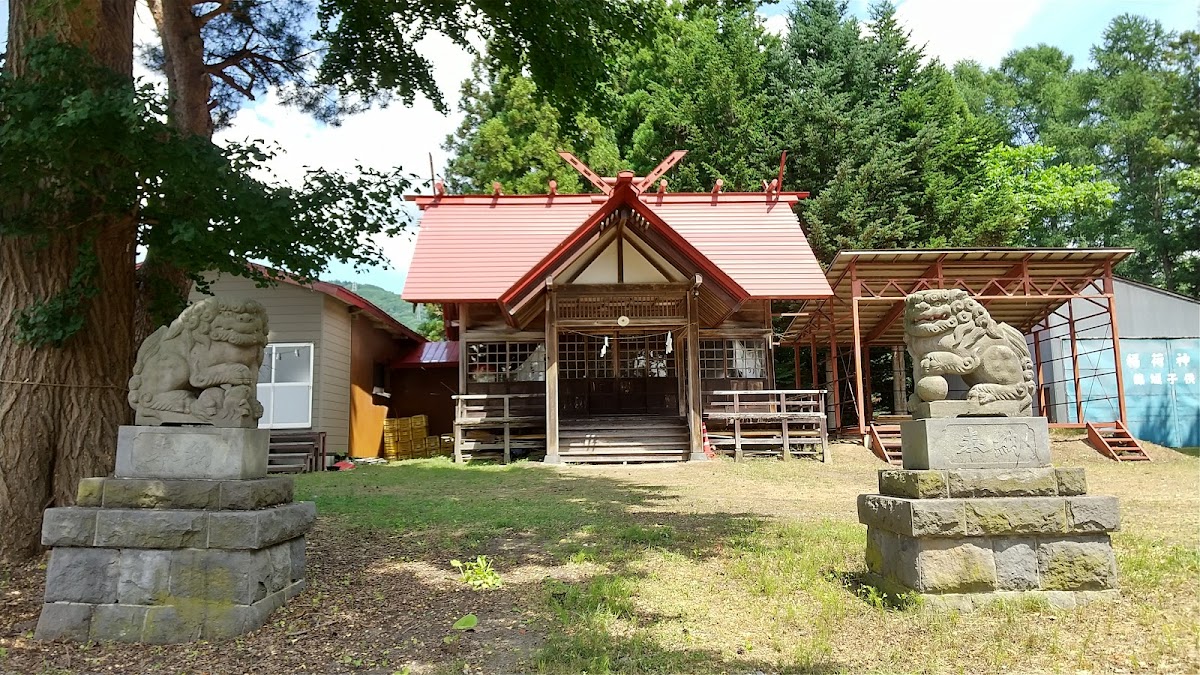
As a symbol of Inari shrines, it is common to find fox statues within the grounds. Foxes are considered messengers of the Inari god and are treated as sacred beings. It is possible that fox statues are also placed along the approach to the shrine and in front of the main hall at the Inari shrine in Kami-gunkawa.
The objects held by the foxes have symbolic meanings:
- Jewel (Jewel): A symbol of the power to grant wishes
- Key: A key to the rice storehouse, a symbol of a bountiful harvest
- Scroll: A symbol of wisdom and learning
- Rice Ear: A symbol of a good harvest
Torii Gates
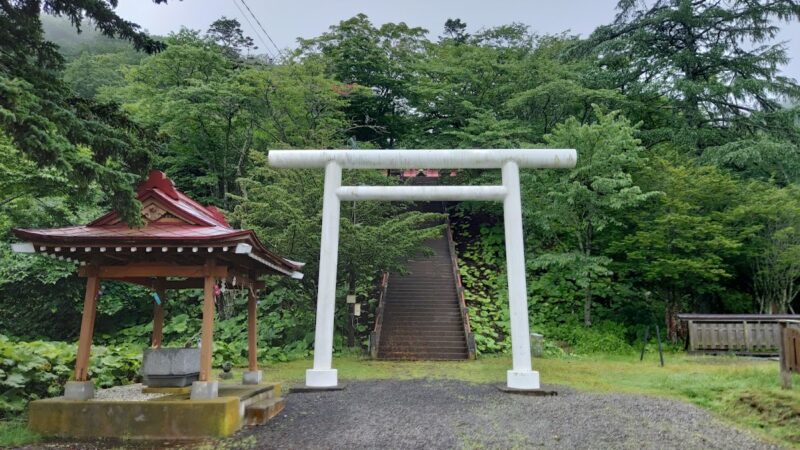
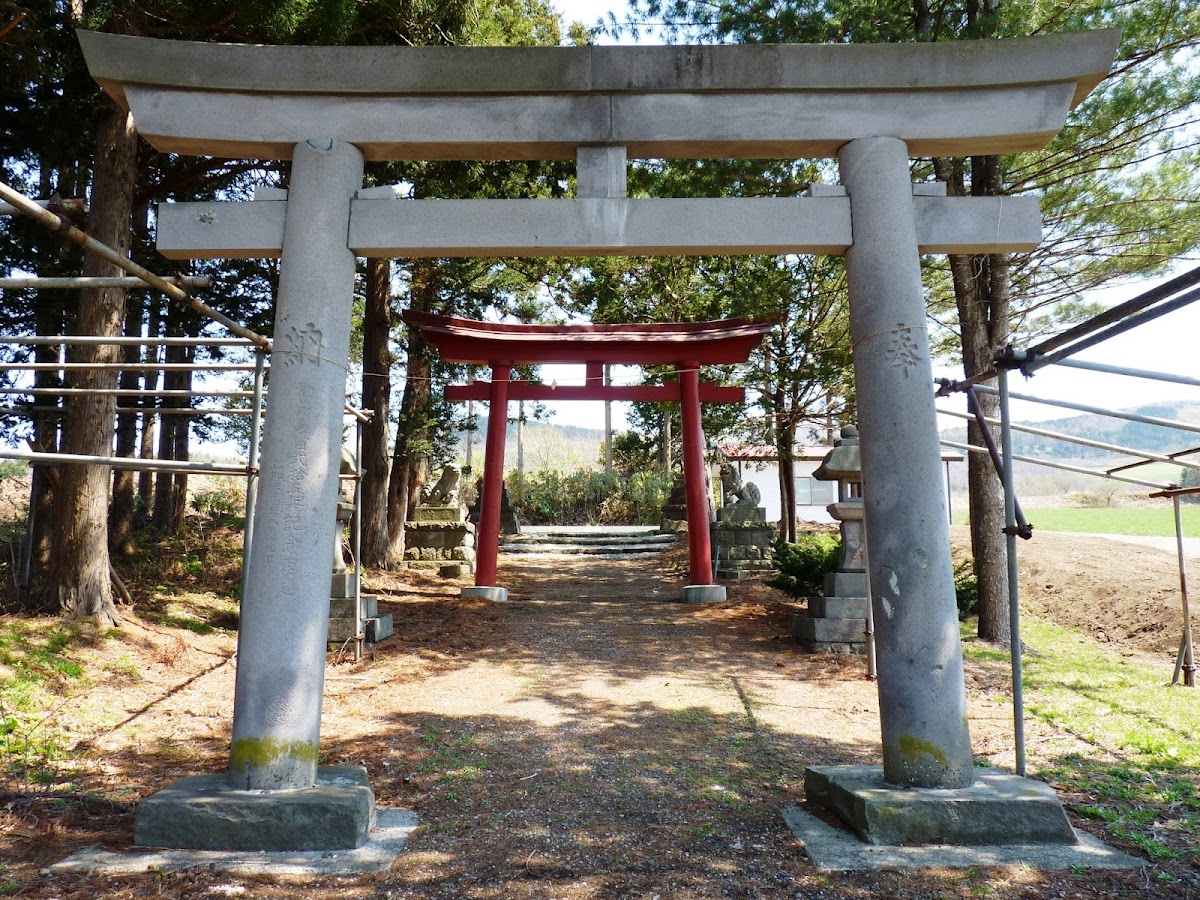
Inari shrines are characterized by their vermilion torii gates. While large Inari shrines may have numerous torii gates, such as the Senbon Torii (Thousand Torii Gates), even small local Inari shrines typically have one or more torii gates along their approach.
Annual Events and Festivals
Hatsuumasai (First Horse Day Festival)
The most important festival at Inari shrines is the Hatsuumasai. This festival, held on the first Horse Day of February, commemorates the day Inari Okami descended upon Mount Inari.
At the Hatsuumasai Festival:
- Prayers for a bountiful harvest and business prosperity
- The custom of offering inari sushi and fried tofu
- Local residents gather and a Shinto ritual is performed
Annual Grand Festival
Each shrine has an annual grand festival, and it is likely that the Inari Shrine in Kami-gunkawa also holds one as an important local event. During the grand festival, a portable shrine is carried out, and local people gather to celebrate the festival.
New Year’s Visit
The first shrine visit of the new year is also an important event. Many local residents visit to pray for safety and prosperity throughout the year.
Etiquette for Visiting
Here are some basic etiquette guidelines for visiting an Inari Shrine.
How to Pass Through a Torii Gate
- Bow before passing through the torii gate.
- Walk along the edge of the path, as the center is considered the path of the gods.
- If there are multiple torii gates, bow slightly at each one.
How to Purify Yourself at the Water Basin
- Take the ladle in your right hand and purify your left hand.
- Switch the ladle to your left hand and purify your right hand.
- Switch the ladle back to your right hand, receive water in your left hand, and rinse your mouth.
- Purify your left hand once more.
- Hold the ladle upright, let water flow down the handle, and return it to its original position.
How to Worship at the Main Hall
- Offering a Coin: Quietly place your offering in the offering box.
- Ringing the Bell: If there is a bell, ring it (this is said to ward off evil spirits).
- Two Bows, Two Claps, One Bow:
- Bow deeply twice.
- Clap your hands twice.
- Convey your wishes and gratitude in your heart.
- Finally, bow deeply once.
Mindset for Worship
Visiting a shrine is not just about making wishes, but also about expressing gratitude for everyday blessings. It’s important to first express your gratitude to the gods, and then make your wishes.
Access Information
Location
Inari Shrine is located in Kami-gunkawa, Hokkaido. For specific addresses and detailed location information, we recommend checking with local tourist information centers or the official websites of the municipalities.
Transportation
Access by Car
Accessing shrines in rural Hokkaido is most convenient by car:
- Check the route from the nearest major road in advance.
- Utilize car navigation or smartphone map apps.
- Be aware of snow and ice during winter.
Access by Public Transportation
When using public transportation:
- Check the nearest bus stop or train station.
- Check the timetable in advance, as services may be infrequent.
- Local community buses may also be available.
Parking
Small, local shrines generally have simple parking spaces on the grounds or nearby. However, it is recommended to allow ample time for your visit, as it may be crowded during festivals and other events.
Visiting Hours
Shrines are generally open 24 hours for worship, but the hours of the shrine office are limited. If you wish to obtain a Goshuin (shrine stamp) or amulet, it is recommended to inquire in advance.
Nearby Tourist Attractions
Around the Kami-Kunigawa area, there are spots where you can enjoy Hokkaido’s unique nature and culture.
Natural Scenery
Places to enjoy Hokkaido’s rich nature:
- Forest Walking Trails: Enjoy the changing seasons in the surrounding forests.
- Rivers: Enjoy fishing in clear streams and strolling along the waterfront.
- Observation Spots: Places where you can enjoy panoramic views of the region.
Local Cultural Facilities
- Local History Museum: A facility where you can learn about the history and culture of the region.
- Roadside Station: You can purchase local specialties and fresh agricultural products.
Points to Note When Visiting Inari Shrines
Clothing
No special clothing is required for visiting shrines, but please keep the following points in mind:
- Wear clean clothing.
- Avoid overly revealing clothing.
- Dress appropriately for Hokkaido’s climate (especially in winter, warm clothing is essential).
Manners
- Be quiet on the shrine grounds and avoid disturbing other visitors.
- Take photographs only in designated areas.
- Always take your trash with you.
- We will strive to behave with awareness that this is a sacred place.
Seasonal Precautions
Winter (November to March)
- Be careful of dangerous footing due to snow and ice.
- Wear warm clothing and non-slip shoes.
- Visiting during daylight hours is recommended due to early sunset.
Summer (June to August)
- Take precautions against insects.
- Stay hydrated to prevent heatstroke.
- Protect yourself from sunburn.
Basic Knowledge of Inari Worship
History of Inari Shrines
Inari worship spread throughout Japan, with Fushimi Inari Taisha in Kyoto as its head shrine. The name “Inari” is said to originate from “Ina ga naru” (rice growing), and it was originally worshipped as a god of agriculture.
Why are foxes considered messengers of the gods?
There are several theories as to why foxes are considered messengers of Inari, the god of rice and rice. The main theories include:
- Foxes prey on mice, which are pests in fields, and were therefore considered guardians of agriculture.
- The legend of the white fox was considered sacred.
- The fox’s intelligence and mystique were deemed suitable for a messenger of the gods.
It’s important to note that the fox itself is not a god, but merely a messenger of the gods.
Diversity of Inari Shrines
Inari shrines include Shinto and Buddhist (enshrining Dakiniten) shrines, and there are also many small Inari shrines established on the premises of companies and individuals. The Inari shrine in Kami-gunkawa is thought to be a Shinto shrine that has been protected by the local people.
Local Communities and Inari Shrines
Ujiko System
Local shrines are supported by the people who live in the area (ujiko). Ujiko cooperate in the maintenance and management of the shrine and participate in the operation of festivals.
The Role of Shrines
Even in modern times, local shrines play the following roles:
- Spiritual Sanctuary: A place to seek peace of mind
- Community Center: A place for interaction among local residents
- Preservation of Traditional Culture: Transmission of culture through festivals and religious ceremonies
- Preservation of Local History: A place to preserve the memories of the land
Depopulation and Challenges for Shrines
In rural areas of Hokkaido, population decline is progressing, and the maintenance and management of shrines is becoming a challenge in some areas. However, thanks to the efforts of local people, many shrines continue to be carefully preserved.
Goshuin (Shrine Seals) and Amulets
About Goshuin (Shrine Seals)
Goshuin are given as proof of visiting a shrine. Smaller shrines may not always offer them, but it may be possible to obtain them if you contact them in advance.
Manners for Receiving a Goshuin (Shrine Stamp):
- Receive the Goshuin after completing your prayers.
- Prepare a Goshuincho (stamp book) (notebooks are inappropriate).
- Request politely and express your gratitude.
- Offer a donation (approximately 300-500 yen).
Amulets and Lucky Charms
Inari shrines may offer the following amulets and lucky charms:
- Business Prosperity Amulet: Praying for business success
- Abundant Harvest Amulet: Praying for a bountiful harvest
- Family Safety Amulet: Praying for the health and safety of the family
- Good Fortune Amulet: Praying for improved luck
- Rice Ear: A symbol of abundance
Making Wishes and Prayers at Inari Shrines
Personal Prayers
For regular visits, pray in front of the main hall using the two bows, two claps, and one bow ritual. If you have a special wish, pray with sincerity. ### Formal Worship (Prayer Ceremony)
For special wishes or milestones in life, you can also receive a formal worship ceremony (prayer ceremony):
- First Shrine Visit: Giving thanks for the birth of a baby and praying for their healthy growth
- Shichi-Go-San (7-5-3 Festival): Celebrating a child’s growth and praying for their future health
- Exorcism: Praying for protection from misfortune during the unlucky year
- Business Prosperity Prayer: Praying for the success of your business
- Family Safety Prayer: Praying for the health and safety of your family
If you wish to have a formal worship ceremony, it is recommended that you contact the shrine in advance to arrange a date and time.
Characteristics of Inari Shrines in Hokkaido
Relationship with the History of Hokkaido’s Development
Many shrines in Hokkaido were founded during the development period after the Meiji era. Settlers received divided spirits from their hometown shrines and prayed for success and safety in their new land.
Adaptation to the Climate
In order to cope with Hokkaido’s harsh winter climate, the shrine architecture shows ingenuity:
- Structure designed to withstand the weight of snow
- Water basin with measures to prevent freezing
- Approach path designed for easy snow removal
Reflection of Regional Characteristics
In Inari shrines in Hokkaido, prayers related to the region’s main industries, such as agriculture, forestry, and fishing, tend to be emphasized.
Summary
The Inari Shrine in Kami-gunkawa, Hokkaido, is an important place of worship that has walked hand in hand with the history of the region. Many people visit seeking blessings for abundant harvests, business prosperity, and family safety.
Visiting a shrine is not just about making wishes; it is also an opportunity to express gratitude and purify the heart. Why not spend some peaceful time in the quiet grounds surrounded by Hokkaido’s rich nature?
When visiting, please observe basic manners and be mindful that it is a sacred place. Also, please prepare according to the season and weather to ensure a safe visit.
The Inari Shrine in Kamigunigawa is a precious cultural heritage site that has been protected by the local people. When you visit, we hope you will show respect for its history and traditions and feel the warm atmosphere of the shrine, where you will be welcomed as a member of the community.