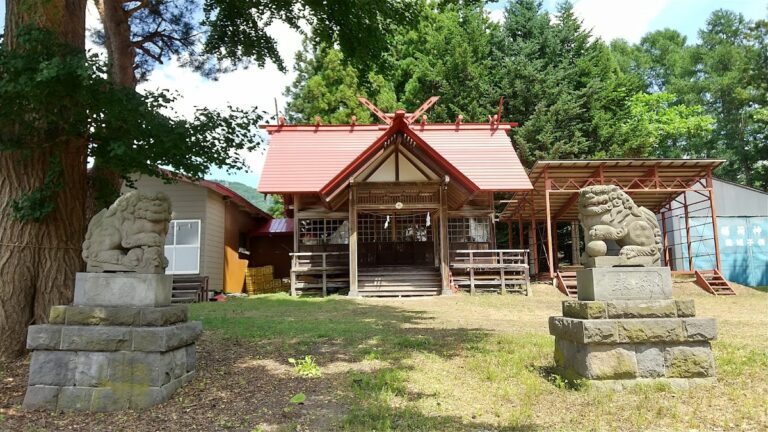
Inari Shrine (Kamifujishiro, Hokkaido) | A Thorough Explanation of its History and Blessings
Located in Kamifujishiro, Toyako-cho, Abuta-gun, Hokkaido, Inari Shrine is a historical shrine founded in the late Edo period. This article will fully convey the charm of this locally rooted shrine, including its history, enshrined deities, blessings, access methods, and highlights for visitors.
Basic Information on Inari Shrine
Location: Kamifujishiro, Toyako-cho, Abuta-gun, Hokkaido
Enshrined Deity: Ukanomitama-no-Mikoto
Former Shrine Rank: Village Shrine
Founded: Bunka 1 (1804)
This Inari Shrine belongs to the Hokkaido Shrine Association and has been cherished by people as a center of local faith for over 200 years. As a venerable shrine that received a divided spirit from Fushimi Inari Taisha in Kyoto, it preserves the history of Inari worship in Hokkaido.
History and Origin of the Inari Shrine
Circumstances of Founding
The founding of the Inari Shrine dates back to the first year of the Bunka era (1804). At that time, this area was under the control of the Matsumae Domain and was called “Abuta-basho.” The Matsumae Domain considered the prosperity of Abuta-basho to be important as a trading base in Ezo (present-day Hokkaido), and decided to build a shrine to pray for its development and peace.
The Matsumae Domain ordered Wada Shigehei, the contractor for Abuta-basho at the time, to receive a divided spirit from Fushimi Inari Taisha in Kyoto. Fushimi Inari Taisha is the head shrine of the approximately 30,000 Inari shrines throughout Japan, and receiving a divided spirit from it was a great honor.
Changes in Location
While detailed records exist regarding the original location of the shrine, the social infrastructure changed significantly after the Meiji era as Hokkaido was developed. The opening of the Nagarin Line (now the Muroran Main Line) had a particularly significant impact on this region.
With the opening of the railway, the shrine buildings were relocated to their current location. A three-building structure consisting of the main hall, offering hall, and worship hall, along with a shrine office, was established, and this remains the case today. This relocation made it easier for more worshippers to visit, further strengthening its role as a center of local faith.
Historical Background of Abuta Trading Post
Abuta Trading Post was an important trading post for the Matsumae Domain during the Edo period. Trade with the Ainu people flourished, dealing in marine products and furs. Because the prosperity of this region was crucial to the domain’s finances, the construction of the shrine to pray for a bountiful harvest and business prosperity was not merely a religious act, but also had economic and political significance.
Deities and Benefits
Ukanomitama-no-Mikoto
Ukanomitama-no-Mikoto, enshrined at Inari shrines, is a god of grain and food appearing in Japanese mythology. “Uka” means food, and “tama” means spirit. Therefore, Ukanomitama-no-Mikoto has been worshipped since ancient times as the spirit of food, that is, the god who presides over abundant harvests.
Main Benefits
Abundant Harvest: As the guardian deity of agriculture, it is believed to bring abundant harvests. During the pioneering period of Hokkaido, agricultural success was the very foundation of life.
Business Prosperity: Inari is also widely worshipped as the god of business. Because Abuta was a trading hub, prayers for business prosperity were particularly important.
Industrial Development: As a god who protects the development of all industries, it is believed to bring benefits that contribute to the development of the regional economy.
Guardian of Clothing, Food, and Shelter: As a deity who protects all aspects of life, this shrine watches over the stability of people’s lives.
Highlights of the Shrine and Grounds
Structure of the Shrine
The current shrine consists of three connected halls: the main hall, the offering hall, and the worship hall. This style is also called “Gongen-zukuri” and is an architectural style adopted by many shrines in Hokkaido. It is designed to withstand the harsh winter climate, allowing worshippers to pray while sheltered from snow and wind.
Main Hall: This is the most sacred place where the enshrined deity resides. General worshippers are usually not allowed to enter.
Offering Hall: This building connects the main hall and the worship hall, and is where Shinto rituals are performed.
Worship Hall: This is where worshippers offer their prayers. Here, worship is performed using the two bows, two claps, and one bow ritual.
Shrine Office
The shrine office handles the issuance of Goshuin (shrine stamps) and the application of various prayers. In Hokkaido, the shrine office may not be open all the time, so if you wish to receive a Goshuin (shrine stamp), it is recommended that you check in advance.
Atmosphere of the Shrine Grounds
Nearby surrounded by nature in Kamifujishiro, the shrine grounds offer a tranquil space for prayer. A major attraction of this shrine is the opportunity to experience the changing seasons of Hokkaido while praying. It displays different expressions with each season: fresh greenery in spring, deep green in summer, vibrant autumn leaves, and snowscapes in winter.
Access and Visiting Information
Transportation Access
Access by Car:
- Approximately 2 hours from Sapporo city via National Route 230
- Approximately 15 minutes by car from Toyako Onsen area
- We recommend checking parking availability in advance.
Public Transportation:
- Access is by foot or taxi from the nearest JR Muroran Main Line station
- Public transportation may have limited service, so please check the timetable in advance.
Etiquette for Visiting a Shrine
We will introduce basic etiquette for visiting a shrine.
- Bow before passing through the torii gate: Bow lightly before entering the sacred area.
- Purify yourself at the water basin: Purify your left hand, right hand, and mouth in that order (may be unavailable in winter due to freezing).
- Worship at the main hall: Worship using the two bows, two claps, and one bow ritual.
- Bow again at the torii gate when leaving: Turn around and bow when leaving the sacred area.
Points to note when visiting
Clothing: There are no specific dress code requirements, but it is desirable to wear clothing that reflects the sacred nature of the place.
Photography: Photography is generally permitted within the shrine grounds, but there are areas where photography is prohibited, such as inside the main hall. Please observe proper etiquette when taking photos.
Visiting in winter: Hokkaido winters bring snow, making the paths within the shrine grounds slippery. If visiting in winter, please wear non-slip shoes and exercise caution.
Annual Events and Festivals
Main Annual Events
In Hokkaido, shrines hold annual events tailored to the characteristics of the region. It is believed that Inari shrines also hold the following events:
Hatsumode (January 1st-3rd): A visit to welcome the new year and pray for safety and prosperity throughout the year. Visiting a shrine in Hokkaido’s harsh winter is a sobering experience for both body and mind.
Hatsuumasai (First Horse Day in February): One of the most important festivals for Inari shrines. On the first Horse Day, the day when Inari Okami is said to have descended to Mount Inari, prayers are offered for a bountiful harvest and business prosperity.
Reitaisai (Annual Grand Festival): The most important festival for the shrine, where a Shinto ritual is performed to express gratitude to the enshrined deity.
Autumn Grand Festival: Often held in autumn as a festival to give thanks for the harvest.
*Please note that the specific dates of festivals may change from year to year. When planning a visit, it is recommended to check with the Hokkaido Shrine Association or the shrine in advance.
The Spread of Inari Worship in Hokkaido
Characteristics of Inari Shrines in Hokkaido
Many Inari shrines are located in Hokkaido. This is due to the fact that during the development of Hokkaido after the Meiji era, people who migrated from Honshu brought their beliefs from their homeland. Many shrines, in particular, received a divided spirit from Fushimi Inari Taisha in Kyoto, and Sapporo Fushimi Inari Shrine, for example, is known as one of Hokkaido’s representative Inari shrines.
Other Major Inari Shrines
Sapporo Fushimi Inari Shrine: The shrine received a divided spirit from Fushimi Inari Taisha in Kyoto in 1884 (Meiji 17), and the current shrine building was constructed at the foot of Mt. Moiwa in 1907 (Meiji 40). The approach to the shrine, lined with 27 vermilion torii gates, attracts many visitors as a popular power spot in Sapporo.
Shizukari Inari Shrine: A former village shrine located in Shizukari, Oshamanbe-cho, Yamakoshi-gun, Hokkaido.
Mashike Town Inari Shrine: A former village shrine located in Abun, Mashike-cho, Mashike-gun, Hokkaido.
These shrines are deeply intertwined with the history of their respective regions, demonstrating the diversity of Inari worship in Hokkaido.
History and Culture of Toyako Town
Formation of Toyako Town
Toyako Town was formed in 2006 through the merger of Abuta Town and Toya Village. While known as a tourist destination centered around the beautiful Lake Toya, it is also a region with thriving agriculture and fishing.
Local Beliefs and Shrines
Inari shrines are one of the important places of worship in Toyako Town. Although Toyako Town is often emphasized as a tourist destination, shrines continue to play a vital role as places of worship deeply rooted in the lives of local residents.
Visitor Voices and Experiences
A Space of Prayer Enveloped in Silence
Visitors to the Inari Shrine in Kamifujishiro often comment that they were able to “calm their minds in a quiet and peaceful atmosphere.” Because it’s a simple shrine that hasn’t been commercialized for tourism, it offers the charm of a pure time for prayer.
Beauty in the Four Seasons
The shrine grounds, surrounded by Hokkaido’s nature, show different expressions with each season. The autumn foliage and winter snowscapes are particularly beautiful and popular as photography spots. However, it’s important to remember that it is a sacred place and to visit with proper etiquette.
Information on the Surrounding Area When Visiting the Inari Shrine
Toyako Onsen
When visiting the Inari Shrine, you can also consider staying at Toyako Onsen. Toyako Onsen is one of Hokkaido’s leading hot spring resorts, where you can enjoy soaking in the hot springs while taking in the beautiful lakeside scenery.
Tourist Attractions around Lake Toya
Lake Toya: A caldera lake formed by volcanic activity approximately 110,000 years ago, boasting a beautiful landscape including Nakajima Island.
Showa Shinzan: A lava dome that rose between 1943 and 1945, designated as a National Special Natural Monument.
Mount Usu: A ropeway takes you to the summit, offering spectacular views of Lake Toya and Funka Bay.
Local Cuisine
Around Lake Toya, you can enjoy dishes made with fresh Hokkaido ingredients. Dishes using seafood caught in Funka Bay and local agricultural products are particularly exquisite.
About Goshuin (Shrine Seals)
Issuance of Goshuin
Some Inari shrines offer Goshuin. However, since the shrine office is often not open at all times at smaller shrines in Hokkaido, it is recommended to check in advance if you wish to receive a Goshuin.
You can obtain information regarding the availability of goshuin (temple/shrine stamps) and reception hours by contacting the Hokkaido Shrine Association or related shrines.
Preparing your Goshuincho (stamp book)
When receiving goshuin, be sure to bring your goshuincho. Goshuin are proof of your visit, not a stamp rally. It’s important to show respect to the shrine and make your request politely.
Enjoying Shrine Visits in Hokkaido
Recommendations for Shrine Pilgrimages
Hokkaido has over 600 shrines, each with its own unique history and characteristics. When visiting the Inari Shrine in Toyako Town, it’s a good idea to visit the surrounding shrines as well. You can search for information on shrines throughout Hokkaido on the Hokkaido Shrine Association website.
Shrines as Power Spots
In recent years, shrines have gained attention as power spots. Hokkaido’s shrines, surrounded by nature, are ideal places to calm your mind and recharge your energy. However, even when visiting as a power spot, it’s important to remember that it is a sacred place and to visit with respect.
Summary
Located in Kamifujishiro, Toyako-cho, Abuta-gun, Hokkaido, the Inari Shrine is a historic shrine founded in 1804. It has a rich history, having been established by the Matsumae Domain to pray for the prosperity of the Abuta area, receiving a divided spirit from Fushimi Inari Taisha in Kyoto. For over 200 years, it has been a cherished center of local faith.
The shrine enshrines Ukanomitama-no-Mikoto, the deity believed to bring blessings of abundant harvests, business prosperity, and industrial development. It features a three-hall structure consisting of the main hall, offering hall, and worship hall, as well as a shrine office. The tranquil grounds, surrounded by Hokkaido’s natural beauty, showcase the beauty of each season, offering peace of mind to visitors.
Visiting the shrine in conjunction with the Toyako Onsen hot springs and other tourist attractions around Lake Toya will allow you to deeply experience Hokkaido’s nature, history, and culture. When visiting, it is important to be mindful of the sacred nature of the place and to observe proper etiquette.
The Inari Shrine (Kamifujishiro), which preserves the history of Inari worship in Hokkaido, will continue to be an integral part of the lives of the local people, watching over them for generations to come. We encourage you to visit this historic shrine and spend some time in quiet prayer.