Kaji Inari Shrine (Hakodate City, Hokkaido) Complete Guide | Deities, History, Access, and Festival Information
Kaji Inari Shrine, nestled quietly in a residential area of Kaji-cho, Hakodate City, Hokkaido, is a historic shrine long cherished by local residents. This shrine, with its striking bright vermilion torii gate, was formerly a village shrine and remains a central center of local faith. This article provides comprehensive information useful for visitors, including detailed information about Kaji Inari Shrine, its historical background, highlights within the grounds, how to worship, and access information.
Basic Information about Kaji Inari Shrine
Location and Contact Information
Official Name: Kaji Inari Shrine
Location: 2-14-19 Kaji, Hakodate City, Hokkaido
Former Shrine Rank: Village Shrine
Annual Festival Day: September 4th
Kaji Inari Shrine is located slightly east of the center of Hakodate City, nestled within a residential area. To the right of the torii gate stands the Kaji Town Hall, which also serves as the shrine office, playing a central role in the local community.
About the Deity
The deity enshrined at Kaji Inari Shrine is Ukanomitama-no-Mikoto.
Ukanomitama-no-Mikoto is known in Japanese mythology as the god who presides over food, and is widely worshipped throughout Japan as the principal deity of Inari shrines. “Uka” means grain and food, and has been revered as a god of abundant harvests, business prosperity, and industrial development.
Inari worship has long been considered important in Japanese society, which is based on agriculture, and since the Edo period, with the development of commerce, it has also become widely worshipped as a god of business prosperity. During the Hokkaido pioneering period, settlers brought Inari worship from their homeland and built Inari shrines in various locations.
History and Origins of Kaji Inari Shrine
Circumstances of Founding
There are various theories regarding the exact founding date of Kaji Inari Shrine, but it is believed to have been established by local residents along with the development of the Hakodate area. Like many Inari shrines in Hokkaido, it is presumed to have been built by people who migrated from Honshu, bringing their Inari worship from their homeland, and praying for stability and prosperity in their new lives.
Hakodate was one of the earliest developed areas in Hokkaido, and many people migrated there from the late Edo period to the early Meiji period. The place name “Kaji-machi” (Blacksmith Town) suggests that this area was home to many blacksmiths, and it’s possible that the shrine also served as a place of worship for these craftsmen.
Shrine Ranking System in the Meiji Era
In 1876 (Meiji 9), Kaji Inari Shrine was designated a village shrine.
The Meiji government established a shrine ranking system in 1871 (Meiji 4) to standardize the hierarchy of shrines. This system placed Kanpei-sha (government-supported shrines) and Kokuhei-sha (national shrines) at the top, followed by prefectural shrines, local shrines, village shrines, and unranked shrines. Village shrines were small, local shrines, but as officially recognized shrines, they held an important position in the local community.
The fact that Kaji Inari Shrine was designated a village shrine indicates that, at the time, this shrine was widely revered by residents as the guardian deity of the Kaji district and played a central role in the community.
From Post-War to the Present
After the end of World War II in 1945, the shrine ranking system was abolished by the GHQ’s Shinto Directive. However, Kaji Inari Shrine has been carefully preserved as a place of worship for local residents to this day.
Even today, as the local guardian shrine, it attracts many worshippers for annual events such as the September festival, New Year’s visits, and Shichi-Go-San (a traditional rite of passage for children). The shrine grounds are maintained by local parishioners and neighborhood associations, and it also functions as a place to deepen the bonds of the local community.
Highlights and Features of the Shrine Grounds
Vermilion Torii Gate
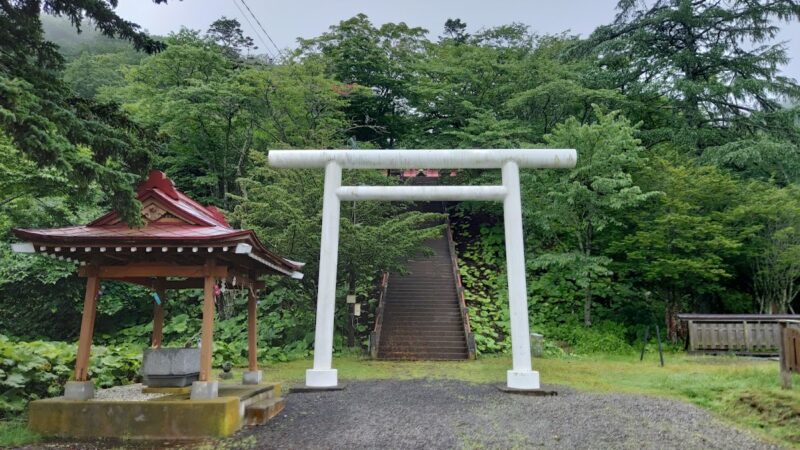
The first thing you see when visiting Kaji Inari Shrine is the vibrant vermilion torii gate.
The vermilion torii gate, a symbol of Inari shrines, stands out in the residential area. Vermilion symbolizes protection against evil and vitality, and has been used in shrine architecture as a sacred color since ancient times. In particular, in Inari worship, the landscape of rows of vermilion torii gates is characteristic, and the Senbon Torii (thousand torii gates) of Fushimi Inari Taisha in Kyoto are famous. Although on a different scale, the vermilion torii gates of Kaji Inari Shrine also indicate the same lineage of faith.
Shrine Building and Grounds
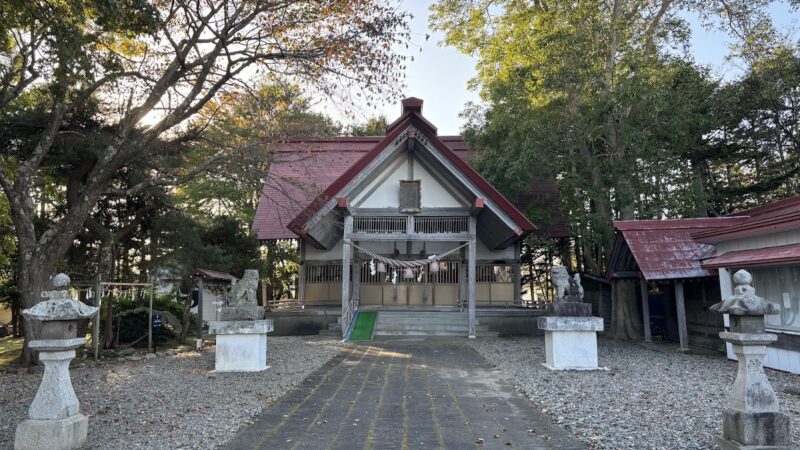
Passing through the torii gate, you will find the shrine building nestled within a small precinct. Despite its location in a residential area, the grounds are enveloped in a tranquil atmosphere, creating a sacred space far removed from the hustle and bustle of the city.
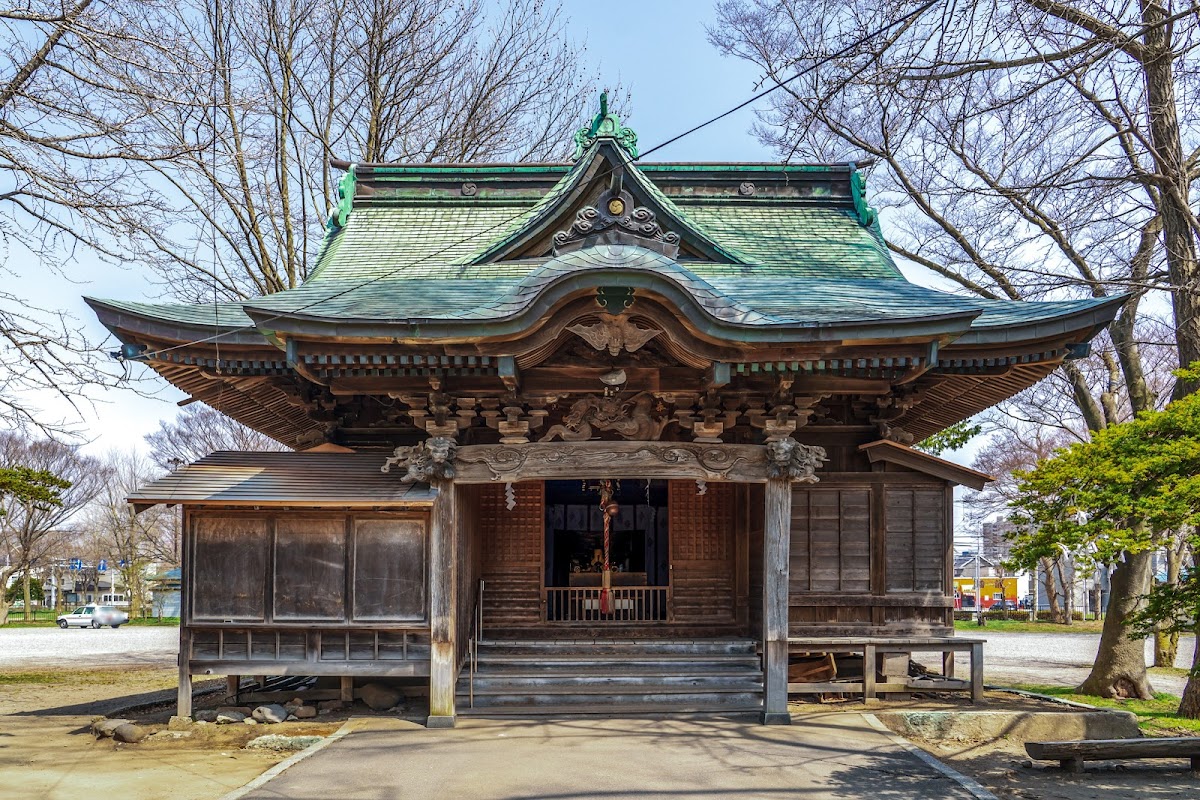
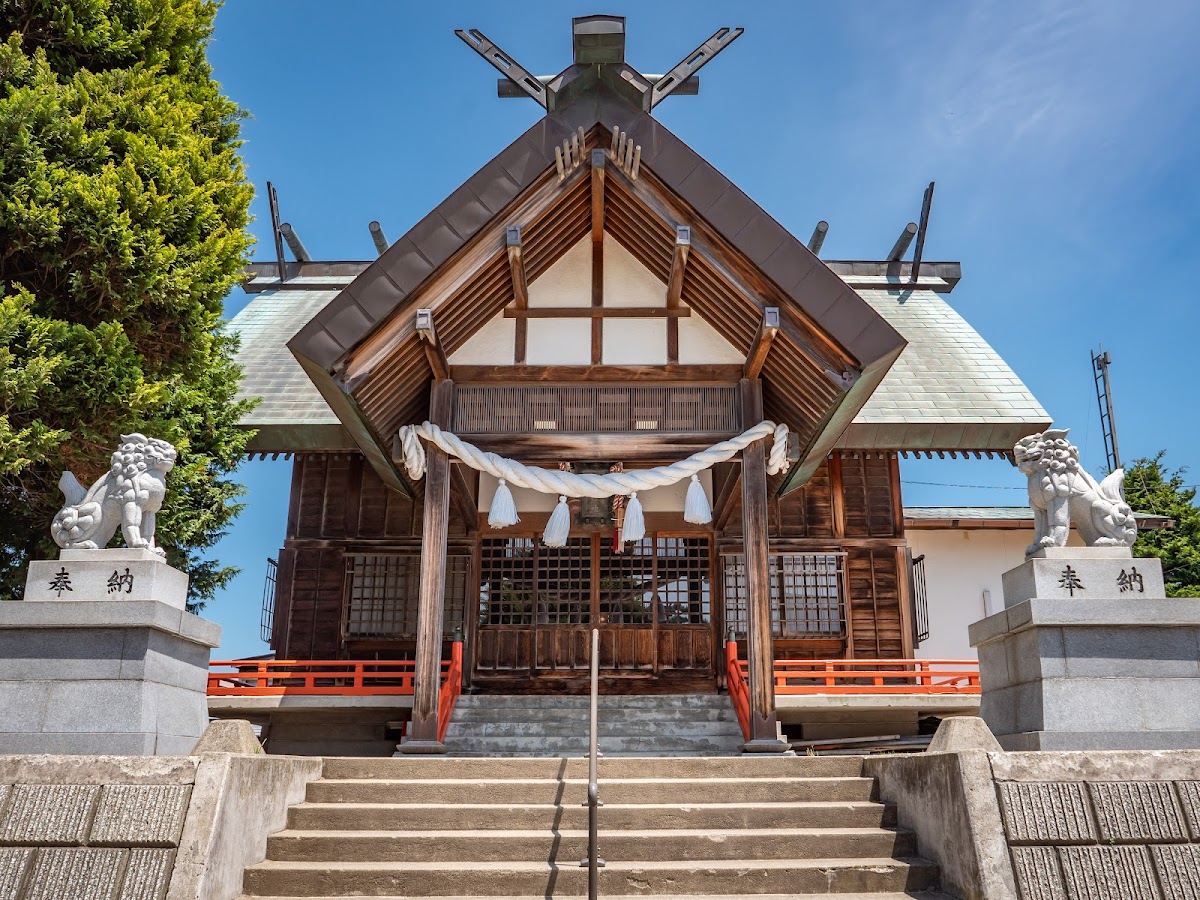
The shrine building is constructed in the traditional wooden shrine architectural style and is kept in good condition through regular maintenance. The grounds are equipped with a purification fountain and lanterns, ready to welcome worshippers.
Shrine Office and Kaji Town Hall
To the right of the torii gate stands the Kaji Town Hall, which also serves as the shrine office. This building not only serves the administrative functions of the shrine but also functions as a meeting place for local residents, symbolizing that the shrine is not merely a religious facility but also plays a central role in the local community. This community center hosts neighborhood association events and local gatherings, serving as a place for intergenerational exchange. Such multi-functional facilities are not uncommon in Hokkaido’s community-based shrines, preserving the traditions of community that have continued since the pioneering era.
Annual Festival and Other Annual Events
Annual Festival (September 4th)
The annual festival of Kaji Inari Shrine is held every year on September 4th.
The annual festival is the most important annual event for the shrine, a ceremony to express gratitude to the enshrined deity for the past year and to pray for the peace and prosperity of the community. At the Kaji Inari Shrine’s annual festival, the rituals are solemnly performed by the Shinto priests, and parishioners and local residents attend.
The timing of the annual festival coincides with the harvest season, and it also embodies gratitude to Ukanomitama-no-Mikoto, the deity who presides over abundant harvests. After the ceremony, a meal called Naorai is sometimes held, providing an opportunity to deepen the camaraderie among local residents.
Other Annual Events
In addition to the annual festival, Kaji Inari Shrine holds the following annual events:
Hatsumode (January 1st-3rd)
Worshippers visit the shrine to pray for good health and safety for the year ahead. A New Year’s Day festival is held, praying for happiness in the new year.
Setsubun Festival (around February 3rd)
A traditional event where evil spirits are driven away and good fortune is invited through bean-throwing and other rituals.
Shichi-Go-San (around November 15th)
Worshippers visit the shrine to celebrate the growth of children and pray for their healthy development.
Through these events, Kaji Inari Shrine provides spiritual support and companionship to local residents at important milestones in their lives.
How to Visit a Shrine and Etiquette
Basic Etiquette for Visiting a Shrine
When visiting a shrine, please observe the following basic etiquette:
1. Bowing at the Torii Gate
The torii gate is the entrance to the sacred area. Bow before passing through the torii gate to show respect to the gods.
2. How to Walk Along the Path
The center of the path is considered the path of the gods, so it is polite for visitors to walk along the sides.
3. Proper Ritual of Washing Hands
If there is a washbasin, purify your body and mind using the following steps:
- Take the ladle with your right hand and wash your left hand.
- Switch the ladle to your left hand and wash your right hand.
- Switch the ladle back to your right hand, receive water in your left hand, and rinse your mouth.
- Wash your left hand once more.
- Hold the ladle upright, let water flow down the handle, and return it to its original position.
4. Worship at the Main Hall
- Place your offering in the offering box.
- Ring the bell if there is one.
- Bow using the two bows, two claps, one bow (two bows, two claps, one bow) method.
- Silently recite your wish.
5. Bowing Upon Exit
When leaving through the torii gate, turn around and bow once.
Attire and Precautions for Visiting a Shrine
There are no specific dress code requirements, but it is desirable to wear clean and subdued clothing, keeping in mind that this is a sacred place. Please note the following:
- Avoid overly revealing clothing.
- Remove hats and sunglasses in front of the main hall.
- Behave quietly on the temple grounds and refrain from speaking loudly.
- Take photographs only in designated areas.
- Refrain from bringing pets to the temple, or check beforehand.
- Always take your trash with you.
Access Information and Surrounding Environment
Location
Address: 2-14-19 Kaji, Hakodate City, Hokkaido 040-0043
Access by Public Transportation
Using Hakodate Bus
The nearest bus stop is “Higashiyama Park,” approximately a 4-minute walk from there. Multiple bus routes operate from Hakodate Station and Goryokaku.
Using the City Tram (Streetcar)
The nearest station is “Kashiwagi-cho Station” on the Hakodate City Tram, approximately a 28-minute walk (about 2.2 km) from there. If using the tram, we recommend transferring to a bus.
Access by Car
It’s about a 10-15 minute drive from the center of Hakodate city. It’s about 20 minutes from Hakodate Airport and about 10 minutes from Hakodate Station.
Access from Major Roads
- From National Route 5, take Hakodate Shindo towards Higashiyama.
- Search for “2-14-19 Kaji, Hakodate City” or “Kaji Inari Shrine” on your car navigation system.
Parking Information
As it’s located in a residential area, there’s no dedicated large parking lot, but there may be some parking spaces around the shrine. During busy times such as festivals, we recommend using public transportation. Also, please avoid street parking to avoid inconveniencing local residents.
Nearby Tourist Attractions
When visiting Kaji Inari Shrine, you can also visit other tourist attractions in Hakodate city:
Mount Hakodate
A representative tourist attraction of Hakodate, the night view from the summit is known as one of the “World’s Three Great Night Views.” It’s about a 15-minute drive from Kaji Inari Shrine.
Goryokaku Park
Known as Japan’s first Western-style fortress, Goryokaku is a symbolic place in Hakodate’s history. It’s also a popular cherry blossom viewing spot in spring. It’s about a 10-minute drive from Kaji Inari Shrine.
Hakodate Morning Market
This market offers fresh seafood and Hokkaido specialties, and you can also enjoy gourmet food such as seafood bowls. Located in front of Hakodate Station, it’s about a 10-minute drive from Kaji Inari Shrine.
Motomachi Area
This area is lined with historical buildings exuding an exotic atmosphere, and attractions include the Hakodate Orthodox Church and the Old Hakodate Public Hall.
Inari Faith and Inari Shrines in Hokkaido
The Spread of Inari Faith in Hokkaido
Inari faith in Hokkaido was brought by immigrants from Honshu. During the full-scale development of Hokkaido after the Meiji era, settlers brought their homeland’s faith to their new land, establishing Inari shrines in various locations.
The widespread acceptance of Inari worship stems from the following reasons:
- Wishing for agricultural success: In order to ensure the success of agriculture in the pioneering settlements, faith in Inari, the god of abundant harvests, was considered important.
- Commercial development: In urban areas such as Hakodate and Sapporo, merchants praying for business prosperity worshipped Inari shrines.
- Formation of local communities: Shrines were not merely religious facilities; they functioned as places where settlers gathered and fostered a spirit of mutual assistance.
Major Inari Shrines in Hakodate City
Besides Kaji Inari Shrine, there are several other Inari shrines in Hakodate City:
Funami Inari Shrine
Located on a hill overlooking Hakodate Port, it is worshipped as the god of safe voyages and business prosperity.
Sumiyoshi Inari Shrine
Located in Sumiyoshi-cho, Hakodate City, it is cherished as the local guardian deity.
These shrines, each with its own unique history and characteristics, have supported the local community alongside the development of Hakodate.
Representative Inari Shrines throughout Hokkaido
Sapporo Fushimi Inari Shrine
Located in Fushimi, Chuo-ku, Sapporo, this shrine was established by inviting a deity from Fushimi Inari Taisha in Kyoto. Its approach, lined with vermilion torii gates, is beautiful and a popular tourist spot in Sapporo.
Otaru Inari Shrine
Located in Otaru, a thriving commercial city, it attracted the faith of many merchants as a god of business prosperity.
Asahikawa Inari Shrine
Located in Asahikawa, this historic shrine has walked hand in hand with the development of the region.
These Inari shrines play an important role as centers of local communities throughout Hokkaido.
The Modern Significance of Kaji Inari Shrine
As a Center of Local Communities
In modern society, where community ties are said to be weakening, Kaji Inari Shrine plays an important role in maintaining the bonds of local communities.
Through events such as annual festivals and New Year’s visits, opportunities are provided for residents of all generations to gather and interact. Furthermore, the complex facility, which serves as both a shrine office and a community center, functions as a place where local residents gather regularly and also serves as a base for disaster prevention drills and community events.
Inheriting History and Tradition
Kaji Inari Shrine is a valuable cultural heritage site that conveys the history of Hakodate’s development and the history of the region. Its history as a village shrine during the Meiji era and the tradition of faith preserved by local residents are important assets that should be passed on to future generations.
In recent years, interest in shrines and traditional culture has been growing among younger generations, and more people are visiting shrines through activities such as collecting Goshuin (shrine stamps). This new form of interest is also an important element in the continuation of tradition.
A Place of Peace of Mind
In today’s increasingly urbanized world, shrines are precious spaces where one can find peace of mind. Located in a residential area, yet maintaining a tranquil atmosphere, Kaji Inari Shrine offers a time to escape the hustle and bustle of everyday life and reflect on oneself.
Finding peace of mind through worship and offering prayers to the gods at life’s turning points provides spiritual support and gives strength to live.
Visitor Voices and Reputation
The following are some comments from people who have visited Kaji Inari Shrine:
“The shrine stands quietly in a residential area, and the vermilion torii gate was impressive. Although small, it is carefully maintained, and it was clear that it is cherished by the local community.”
“I visited during the annual festival, and the local people gathered, and the Shinto ritual was performed in a warm atmosphere. I felt the goodness of a shrine deeply rooted in the community.”
“I stopped by while sightseeing in Hakodate, and it was a simple shrine that hadn’t been commercialized for tourists, allowing me to see the true form of a shrine.”
These comments show that Kaji Inari Shrine is a beloved, warm, and deeply rooted shrine in the community.
Summary: The Significance of Visiting Kaji Inari Shrine
Kaji Inari Shrine is a historical shrine located in Kaji-cho, Hakodate City, Hokkaido. Enshrining Ukanomitama-no-Mikoto as its principal deity, this historic shrine, designated a village shrine in 1876, has long been a center of faith for local residents.
Despite its location in a residential area, the vibrant vermilion torii gate and tranquil grounds offer peace of mind to visitors. Through annual events, including the annual festival on September 4th, it plays a central role in the local community.
When visiting Hakodate, visiting not only famous tourist spots but also deeply rooted local shrines like this allows for a deeper understanding of the region’s history and culture. Kaji Inari Shrine is a valuable place where you can experience the history of Hokkaido’s development, the spread of Inari worship, and the shrine’s long history intertwined with the community.
While sightseeing in Hakodate, or if you live in the area, please do visit Kaji Inari Shrine and experience its history and atmosphere. The time spent praying in its quiet grounds will be a precious moment to forget the hustle and bustle of everyday life and find peace of mind.