Complete Guide to Ubagami Daijingu Shrine | History, Procession Festival, and Visiting Information for Hokkaido’s Oldest Shrine
What is Ubagami Daijingu Shrine?
Ubagami Daijingu Shrine is the oldest shrine in Hokkaido, located in Esashi Town, Hiyama District, Hokkaido. According to shrine tradition, it was founded during the Kamakura period and has a long history and deep faith as the Ichinomiya (first-ranked shrine) of Oshima Province. It originates from the “Orii Legend,” which relates to herring fishing, the foundation of Esashi Town’s prosperity, and continues to welcome many visitors as an important cultural asset of Hokkaido.
Its Position as Hokkaido’s Oldest Shrine
Ubagami Daijingu Shrine is widely known as “Hokkaido’s oldest shrine.” While there are various theories about its founding date, it is generally considered to be in the 1200s or 1400s, giving it special historical value among Hokkaido’s shrines. In 1817 (Bunka 14), the shrine was granted the highest rank of Shinto deity, Sho-ichii, and the title of Daijingu (Grand Shrine) by imperial decree, demonstrating its high status.
It is considered the Ichinomiya (first-ranked shrine) of Oshima Province, and this is indicated on the business cards distributed at the annual Ubagami Daijingu Procession Festival, suggesting its role as a center of faith in the region.
Deities and Divine Virtues
Ubagami Daijingu enshrines multiple deities. Amaterasu Omikami is the principal deity, and Sumiyoshi Sanbashira Okami and Kasuga Okami are enshrined as auxiliary deities. Furthermore, Oriiuba, a figure from the Esashi region, is also worshipped as a deity and is deeply revered by those involved in the fishing industry as the founder of herring fishing.
The shrine is known for its divine blessings, including safety at sea, prayers for a bountiful catch, business prosperity, and family safety, and is particularly revered by those involved in fishing and shipping.
The Legend of Orii and the Origin of Ubagami Grand Shrine
The Story of Orii-uba
The founding of Ubagami Grand Shrine is deeply connected to the “Orii Legend,” a legend passed down in Esashi Town for centuries. When Esashi was still a quiet fishing village, an old woman named Orii lived in a hermitage in Tsubana.
This old woman was revered like a god, “Oriii-sama,” because she could foresee natural disasters and warn the residents. One day, a white-haired old man appeared on a rock on Kamomejima Island and gave Orii-uba a small bottle. The old man gave a revelation: “If you pour the water from this bottle into the sea, herring will come in droves.”
The Herring Swarm and the Prosperity of Esashi
Following the old man’s words, Orii-uba poured the water from the small bottle into the sea, and just as predicted, a huge school of herring swarmed in. This is considered the beginning of herring fishing in Esashi. At that time, Ezo (Hokkaido) was a cold region where rice cultivation was impossible, and crop harvests were difficult, leading to many deaths from starvation. The herring swarm saved people from hunger and brought great prosperity to the town of Esashi.
Afterward, Orii-uba suddenly disappeared, but five divine statues remained in her hermitage. People enshrined these statues in a small shrine, and also worshipped Orii-uba herself as “Ubagami” (old woman goddess), which is considered the beginning of Ubagami Grand Shrine.
Historical Significance of the Legend
This Orii legend is not merely a folk tale, but symbolizes the history of Esashi itself. From the Edo period to the Meiji period, Esashi boasted such prosperity from herring fishing that it was said, “May in Esashi is unmatched even in Edo.” Ubagami Grand Shrine served as a spiritual pillar of this prosperity, attracting the faith of many people, including fishermen.
History of Ubagami Grand Shrine
From Founding to the Edo Period
The exact founding date of Ubagami Grand Shrine is unknown, but according to shrine tradition, it dates back to the Kamakura period. Initially located in Tsuhana-cho, it was moved to its current location in Ubagami-cho in 1644 (Shoho 1). This relocation is thought to have coincided with the development of Esashi Port and the expansion of the town.
Throughout the Edo period, the worship of the shrine expanded along with the prosperity of herring fishing. In 1774 (An’ei 3), the shrine buildings were renovated, and donations from those involved in the fishing industry increased.
Imperial Recognition of First Rank and the Title of Grand Shrine
One of the most important events in the history of Ubagami Grand Shrine was the imperial recognition of First Rank and the title of Grand Shrine in 1817 (Bunka 14). This was the highest divine rank bestowed by the Imperial Court, an extremely rare honor for a shrine in Hokkaido.
This recognition elevated Ubagami Grand Shrine from a mere local shrine to a nationally recognized and prestigious shrine. This period coincided with the peak of Esashi’s herring fishing industry, and it can be said that this economic prosperity was reflected in the shrine’s elevated status.
Construction of the Current Shrine Building
The current shrine building was rebuilt in 1836 (Tenpo 7). It is a valuable cultural asset that conveys the architectural style of the late Edo period, and it speaks to the economic power and deep faith of Esashi at that time. The shrine buildings have withstood Hokkaido’s harsh climate, bearing witness to a history of over 180 years.
Changes Since the Meiji Era
With the arrival of the Meiji era, the Shinto-Buddhist Separation Order brought about significant changes to the shrine system. Ubagami Daijingu Shrine was also positioned within the modern shrine system from 1868 (Meiji 1). Under the old shrine ranking system, it was ranked as a prefectural shrine, establishing its position as a central shrine in the region.
From the Meiji to the Showa era, there was a major change with the decline of the herring fishing industry, but Ubagami Daijingu Shrine continues to serve as a spiritual pillar of Esashi Town and an important presence that conveys history and culture.
The Charm of the Ubagami Daijingu Shrine Procession Festival
One of Hokkaido’s Leading Festivals with a 380-Year History
The Ubagami Daijingu Shrine Procession Festival is one of Hokkaido’s leading festivals, boasting a history and tradition of over 380 years. Its origins date back approximately 375 years, beginning with the people of Esashi giving thanks to the gods for a bountiful herring catch. Held annually for three days from August 9th to 11th, the entire town of Esashi is immersed in the festival atmosphere.
13 Magnificent Floats
The highlight of the procession is the 13 floats (yama). Each float, owned by a different neighborhood, possesses its own unique decorations and history, preserving the atmosphere of the Edo period. The floats are adorned with elaborate figures and lavish decorations, their beauty truly embodying the saying, “Esashi in May is unlike anything even Edo has.”
The floats parade through the town, enveloping Esashi in a lively atmosphere reminiscent of the Edo period. At night, the floats, illuminated by lanterns, create a fantastical atmosphere, showcasing a different charm from the daytime.
Mikoshi Procession and Festival Events
Prior to the float procession, a mikoshi (portable shrine) procession takes place. The portable shrine carrying the sacred object of Ubagami Grand Shrine parades through the town, with prayers offered for a bountiful harvest, abundant fishing, and good health. The procession is accompanied by floats, creating a unique festival culture that blends solemn religious ceremonies with vibrant folk customs.
Value as a Cultural Heritage
The Ubagami Grand Shrine Procession Festival is not merely a local festival; it is recognized as an important cultural heritage. It is a valuable float procession that conveys the faith and culture of the people of Esashi town, who relied on herring fishing for their livelihood during a time when rice cultivation was not possible due to the cold climate.
It is also designated as a component cultural property of the Japan Heritage site “Esashi in May: Unprecedented Even in Edo,” and is an indispensable part of understanding Hokkaido’s history and culture.
The Feelings of the People of Esashi Embodied in the Festival
For the people of Esashi, the Ubagami Grand Shrine Procession Festival holds special significance. The answer to the question, “Why does this festival stir such passion in the people of Esashi?” is that it’s not merely an annual event, but the very identity of Esashi itself. Memories of the era when herring fishing prospered, traditions inherited from ancestors, and pride in the region are all passed down through generations through this festival.
Highlights of the Shrine Grounds
Main Hall and Worship Hall
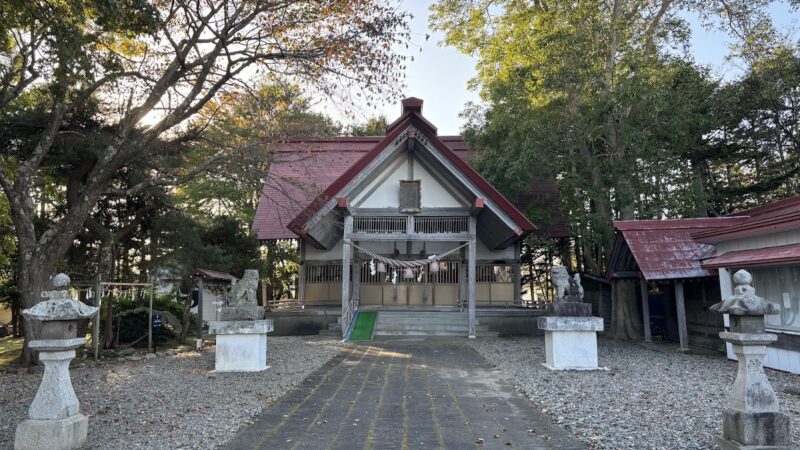
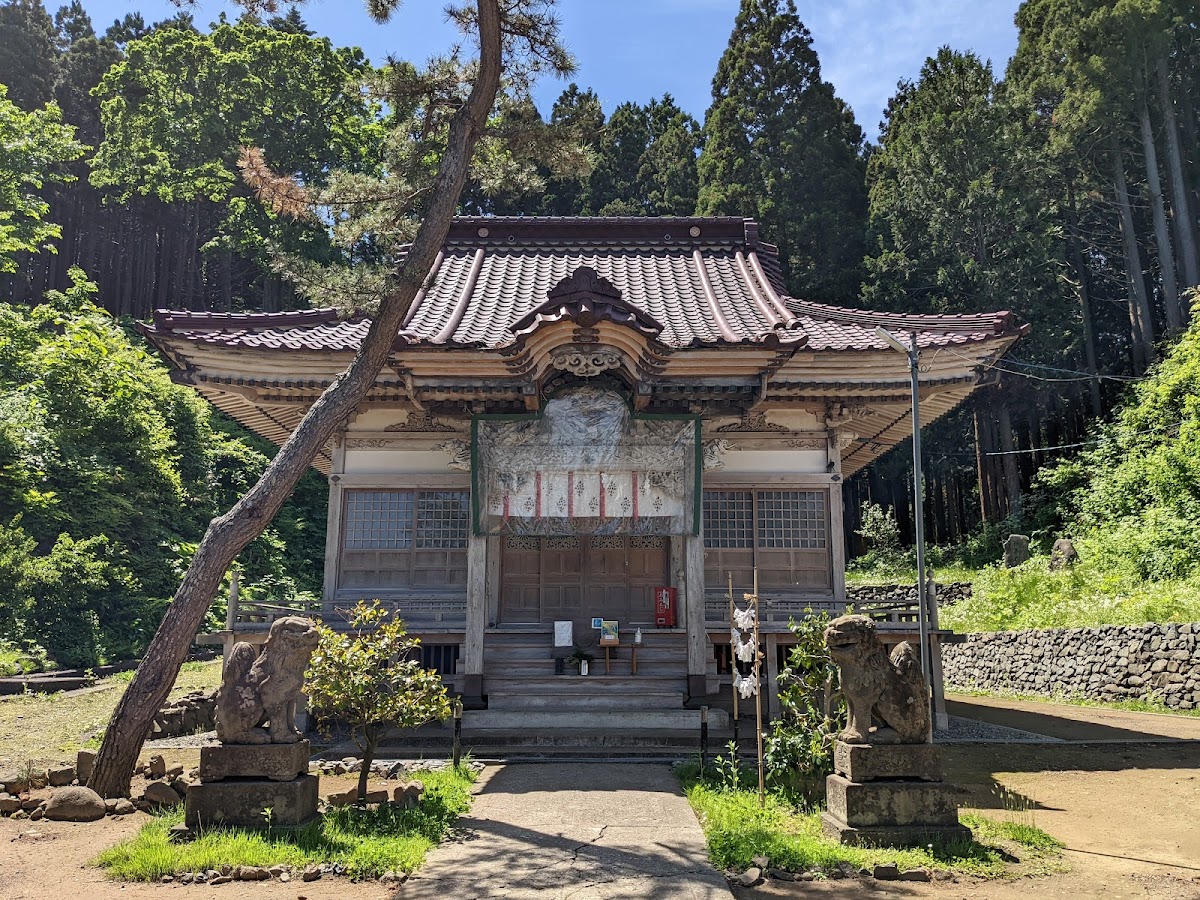
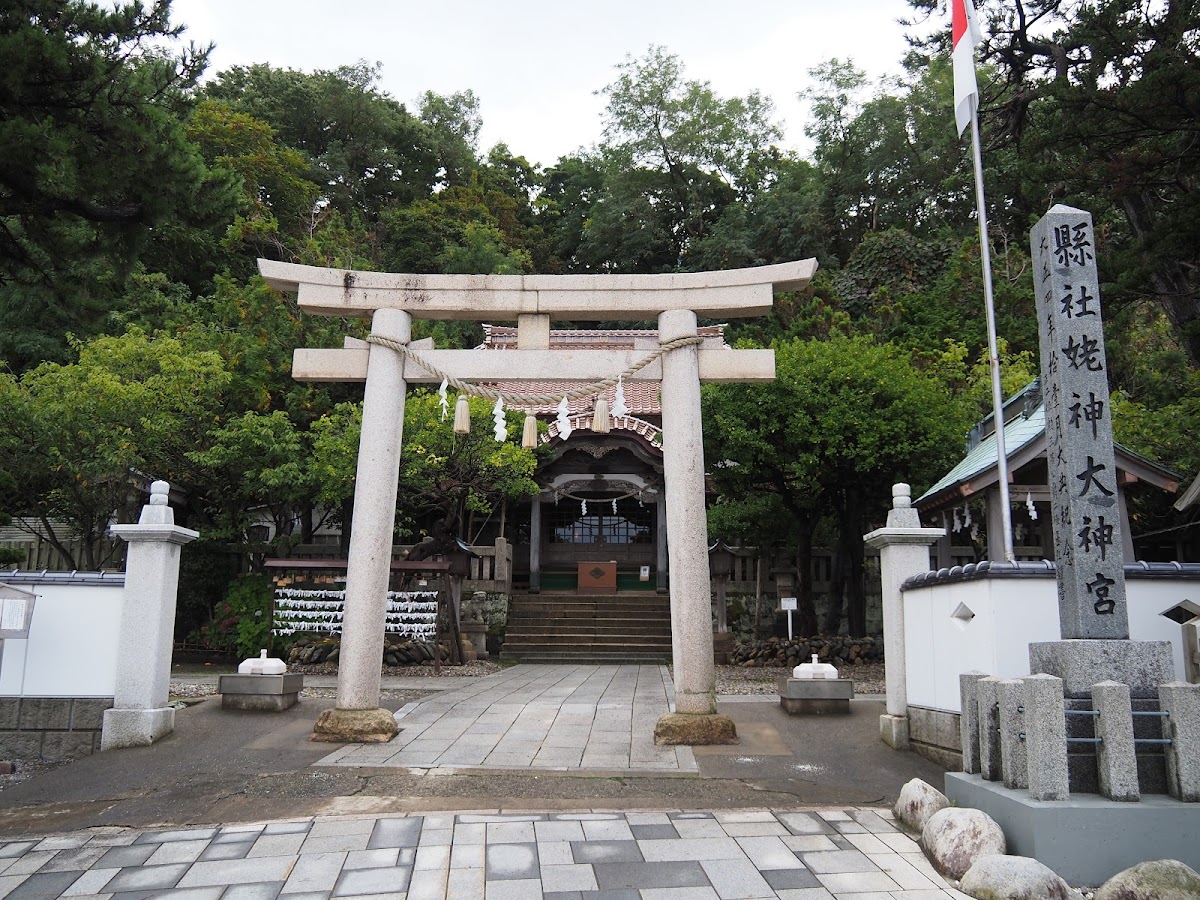
Rebuilt in 1836 (Tenpo 7), the shrine buildings retain strong elements of late Edo period architecture. While robust enough to withstand Hokkaido’s harsh climate, the intricate carvings in the details demonstrate the high level of craftsmanship of the time. In the worship hall, worshippers can quietly offer their prayers.
Orii Shrine
Within the shrine grounds is the Orii Shrine, dedicated to Orii-uba. As the founder of herring fishing and a benefactor of Esashi, it still attracts many worshippers. It is particularly revered by those involved in the fishing industry, and people can be seen praying for safety at sea and a bountiful catch.
Atmosphere of the Shrine Grounds
Despite being located in the heart of Esashi town, the grounds of Ubagami Grand Shrine are enveloped in a tranquil atmosphere. Ancient trees stand tall, creating a space that evokes a sense of history. Visiting in the early morning, in particular, allows you to calm your mind amidst the refreshing air.
Visiting Information and Access
Basic Information
Location: 99 Ubagami-cho, Esashi-cho, Hiyama-gun, Hokkaido
Visiting Hours: Grounds are freely accessible (Please check the shrine office’s opening hours)
Admission Fee: Free
Parking: Available (Limited number of spaces; public transportation is recommended during festival periods)
Access Methods
Access by Car from Hakodate:
- Approximately 1 hour 30 minutes from Hakodate city via National Routes 227 and 228
- Access is expected to improve further with the extension of the Hakodate-Esashi Expressway
Access by Public Transportation:
- Approximately 2 hours by Hakodate Bus bound for “Esashi Terminal” from JR Hakodate Station
- Approximately 10 minutes on foot from Esashi Terminal
Access from Sapporo:
- Approximately 4 hours 30 minutes by car (via National Routes 5 and 227)
- If using public transportation, the route via Hakodate is common.
Manners and Precautions for Visiting a Shrine
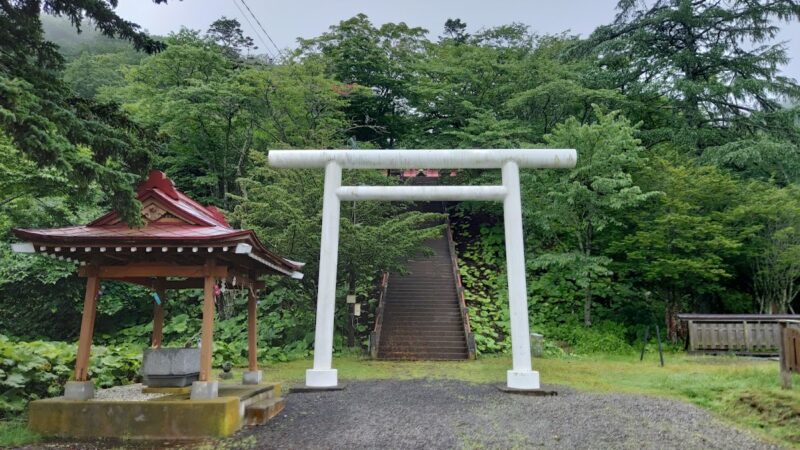
Please observe basic manners when visiting a shrine. Bow when passing through the torii gate, and since the center of the approach is considered the path of the gods, it is desirable to walk along the sides. Cleanse your hands and mouth at the water basin, and at the main hall, perform the ritual of two bows, two claps, and one bow.
Photography is generally permitted, but there may be restrictions during festivals or inside the shrine buildings. Please be considerate of those around you when taking photos.
Nearby Tourist Attractions
Historical Buildings in Esashi Town
If you visit Ubagami Grand Shrine, we recommend also visiting the historical buildings in Esashi Town. Along the ancient road, merchant houses and storehouses from the era when the town prospered from herring fishing are preserved, allowing you to imagine the town’s past glory.
You can also visit cultural heritage buildings such as the former Hiyama Nishi County Office and the former Nakamura family residence, experiencing the history of Esashi from the Edo period to the Meiji period.
Kaiyo Maru Memorial Museum
This memorial museum exhibits a replica of the Dutch-made warship “Kaiyo Maru,” which played an active role in the late Edo period. It also displays salvaged artifacts from the Kaiyo Maru, which sank off the coast of Esashi, allowing visitors to experience the history of the late Edo period.
Kamome Island
Kamome Island, the setting of the Orii legend, is a symbolic landmark of Esashi. A walking path is maintained on the island, and the observation deck offers a spectacular view of the Sea of Japan. Visiting the place where Orii Uba is said to have met the white-haired old man will deepen your understanding of the legend.
Ubagami Grand Shrine and Hokkaido Culture
Position in Hokkaido Shrine History
Ubagami Grand Shrine holds a special place in the history of shrines in Hokkaido. As detailed on the Hokkaido Shrine Association’s website, it is considered one of the oldest shrines in Hokkaido and a source of the region’s shrine culture.
It is one of the few shrines that existed before the full-scale settlement from Honshu, making it a valuable resource for understanding the formation process of Hokkaido’s unique religious culture.
Herring Fishing and Hokkaido’s History
The history of Ubagami Grand Shrine is closely intertwined with the history of Hokkaido’s herring fishing. From the Edo period to the Meiji period, herring fishing was a cornerstone of Hokkaido’s economy, and as the saying goes, “May in Esashi is unmatched even in Edo,” Esashi boasted unparalleled prosperity in Hokkaido.
Even after the decline of the herring fishing industry, Ubagami Grand Shrine continued to preserve its history and culture, becoming an indispensable presence in the history of Hokkaido’s industry.
Japan Heritage Site: “Esashi in May: Unrivaled Even in Edo”
Ubagami Grand Shrine is a core cultural property of the Japan Heritage site “Esashi in May: Unrivaled Even in Edo – Cultural Heritage Sites of Esashi that Prospered Alongside Herring Fishing.” It is featured on the Agency for Cultural Affairs’ Japan Heritage portal site and holds an important position in national cultural policy.
This Japan Heritage designation has led to nationwide recognition of the cultural value of Ubagami Grand Shrine and Esashi Town, attracting attention as a tourist resource.
Annual Events and Festivals
Ubagami Grand Shrine Procession Festival (August 9th-11th)
As mentioned above, this is the largest festival of Ubagami Grand Shrine. Over three days, a portable shrine procession and a parade of 13 floats take place. The first day is the eve of the festival, the second day is the main festival, and the final day is the post-festival, each with its own distinct atmosphere.
Annual and Monthly Festivals
Besides the procession festival, various festivals are held throughout the year. In addition to regular festivals such as the Spring and Autumn Grand Festivals, monthly festivals are also held regularly. These festivals play an important role in maintaining the connection between the shrine and the local community.
New Year’s Visits and Annual Events
Many visitors come for their first shrine visit of the year. Despite Hokkaido’s harsh winter, the shrine is bustling with people praying for safety and prosperity in the new year. Many also visit for life’s milestones such as Setsubun (bean-throwing festival) and Shichi-Go-San (children’s festival), demonstrating the shrine’s deep roots in the lives of local residents.
The Significance of Visiting Ubagami Grand Shrine
Experiencing History and Culture
Visiting Ubagami Grand Shrine is not merely sightseeing; it’s a valuable opportunity to experience the history and culture of Hokkaido. The history dating back to the Kamakura period, the prosperity of Esashi, which flourished through herring fishing, the faith of the people embodied in the Orii legend, and the 380-year-old tradition of the procession festival—all of these are condensed within this shrine.
Spiritual Experience
Many visitors find peace of mind and spiritual fulfillment at Ubagami Grand Shrine. The energy of faith accumulated over a long history seems to permeate the shrine grounds. The time spent quietly praying, away from the hustle and bustle of everyday life, will be a valuable experience for modern people.
Interaction with the Community
Visiting Ubagami Grand Shrine also provides an opportunity to interact with the people of Esashi. Especially during the procession festival, the entire town unites and warmly welcomes visitors. Experiencing the passion the local people have for the festival and their pride in preserving tradition allows you to rediscover the beauty of Japanese regional culture.
Summary
Ubagami Grand Shrine, as the oldest shrine in Hokkaido and the Ichinomiya (first-ranked shrine) of Oshima Province, is a special place with a long history and deep faith. The story of its founding, stemming from the Orii legend, its history of prosperity alongside herring fishing, the imperial decree granting it the highest rank of Sho-ichii (First Rank) and the title of Daijingu (Grand Shrine), and the 380-year-old tradition of the Togyo-sai (procession festival)—all of these contribute to the value of this shrine.
Although located about 1 hour and 30 minutes by car from Hakodate, the number of visitors is still limited. However, this allows for a quiet environment where one can reflect on history and offer prayers in peace. When visiting Hokkaido, be sure to visit Ubagami Grand Shrine and experience the depth of Hokkaido’s history and culture.
Especially during the Togyo-sai in August, the entire town of Esashi is immersed in the festival atmosphere, offering a vibrant and different experience. The sight of 13 magnificent floats parading through the town will surely be a lifelong memory.
Ubagami Grand Shrine is a symbol of Hokkaido’s spiritual culture, spanning from the past to the present and into the future. By visiting this shrine, we can feel the weight of history and the dedication of the people who protect and pass it on.