Complete Guide to Kaminokuni Hachimangu Shrine | Hokkaido’s Oldest Shrine Architecture, History, Goshuin (Shrine Seal), and Access Information
Kaminokuni Hachimangu Shrine, located in Kaminokuni Town, Hiyama District, Hokkaido, is a historic shrine known as the oldest existing shrine architecture in Hokkaido. The main hall, built in 1699 (Genroku 12), is designated as a Hokkaido Prefectural Tangible Cultural Property. As a valuable cultural heritage deeply connected to the history of the Matsumae Domain, it attracts many worshippers and history enthusiasts.
This article comprehensively introduces information you should know before visiting Kaminokuni Hachimangu Shrine, including its history from its founding to the present day, its valuable cultural assets such as the main hall, the traditional procession festival, information on goshuin (shrine seals), and detailed access methods.
History and Origins of Kaminokuni Hachimangu Shrine
Founded in Bunmei 5 (1473)
The history of Kaminokuni Hachimangu Shrine dates back to Bunmei 5 (1473) during the Muromachi period. It began when Lord Takeda Nobuhiro, known as the founder of the Matsumae Domain, established it as a guardian deity at Katsuyama Castle (the current nationally designated historical site, “Katsuyama Castle Ruins”). Initially, it was called “Tategami” or “Tategami Hachimangu” and was located behind Katsuyama Castle.
Takeda Nobuhiro played a crucial role in the expansion and governance of the Japanese forces in Ezo (Hokkaido), and he founded Kaminokuni Hachimangu Shrine as a guardian shrine for his castle, Katsuyama Castle. This founding is considered an extremely important event in the history of Shinto worship in Hokkaido.
Deep Connection with Katsuyama Castle
Katsuyama Castle was a mountain castle that functioned as the political, economic, and military center of southern Ezo (Hokkaido) from the late 15th to the 16th centuries. Katsuyama Castle’s guardian deity, Katsuyama Hachimangu Shrine, was revered by samurai warriors. The Katsuyama Castle ruins are now preserved as a nationally designated historical site, and visiting both Kaminokuni Hachimangu Shrine and Kaminokuni Hachimangu Shrine allows for a deeper understanding of the history of medieval Ezo.
Construction of the Main Hall in Genroku 12 (1699)
The current main hall of Kaminokuni Hachimangu Shrine was built in Genroku 12 (1699). Built during this mid-Edo period, it is considered the oldest existing shrine building in Hokkaido, and its historical and architectural value is immeasurable.
Even after more than 320 years since its construction, the main hall retains its original form, making it a valuable cultural heritage site that conveys the architectural style of Edo-period shrines. The existence of this main hall positions Kaminokuni Hachimangu Shrine as an important shrine in the history of Hokkaido shrines.
Changes Since the Meiji Era
In the Meiji era, with the establishment of the shrine system, Kaminokuni Hachimangu Shrine was designated a local shrine. Furthermore, surrounding shrines such as Wakamiya Shrine were merged, leading to its current form. This merger further strengthened its role as a center of faith in the Kaminokuni region.
Even today, it remains the tutelary shrine of Kaminokuni Town, attracting deep devotion from local residents and drawing many worshippers throughout the year.
Hokkaido’s Oldest Shrine Architecture: Kaminokuni Hachimangu Shrine Main Hall
Architectural Style and Characteristics of the Main Hall
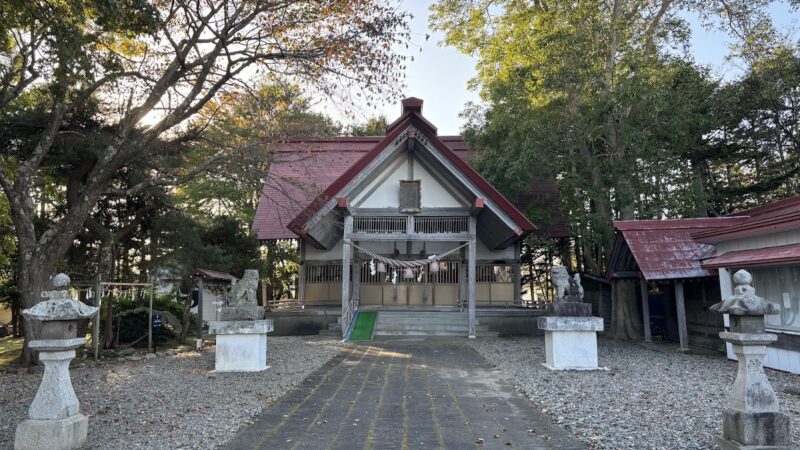
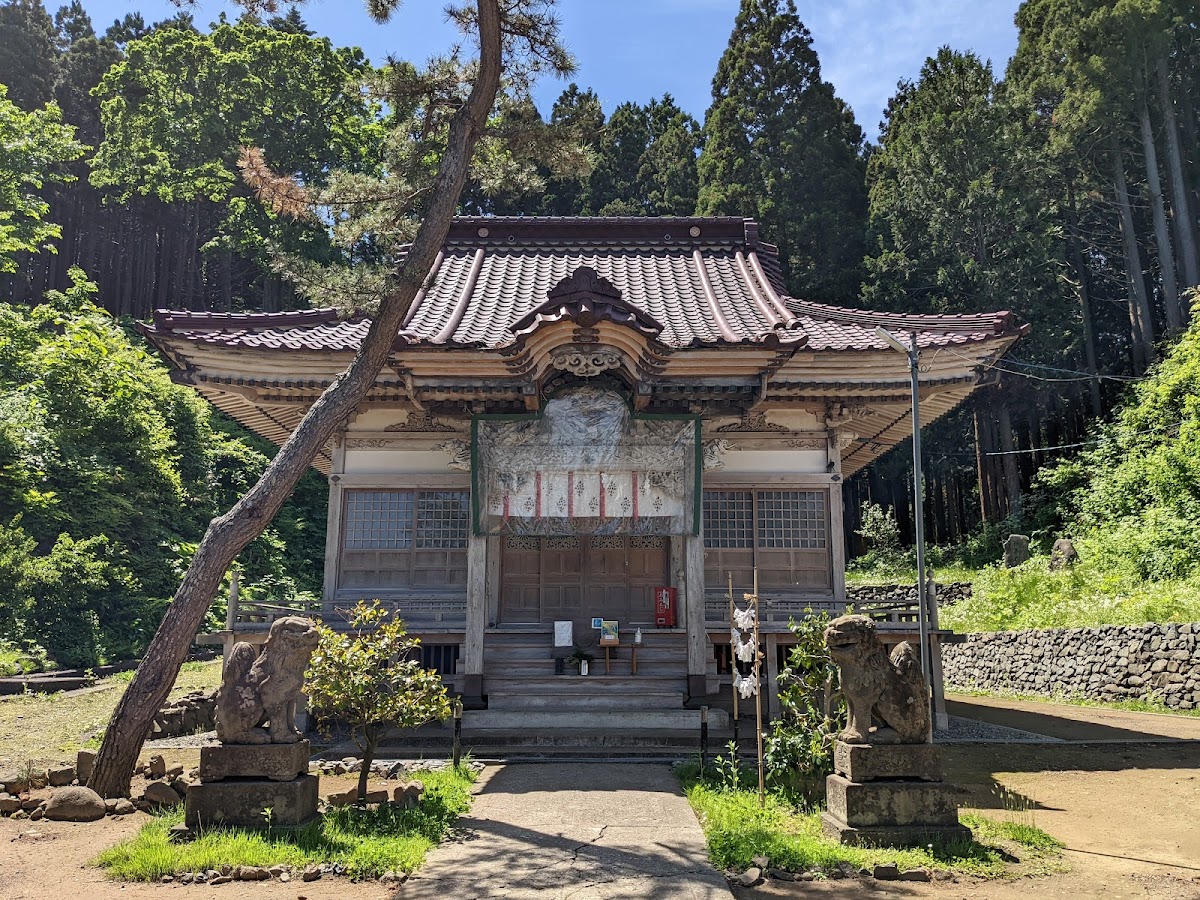
The main hall of Kaminokuni Hachimangu Shrine is built in the Ikkensha Nagare-zukuri architectural style. A “Ikkensha” refers to a small shrine building style with a front column spacing of one ken (approximately 1.8 meters). The Nagare-zukuri style is one of the most common styles in Japanese shrine architecture, characterized by a gently curving roof that extends to the front portico (kohai).
The roof of the main hall extends forward in a gentle curve, presenting an elegant appearance. This roof curvature speaks to the high level of architectural technology of the mid-Edo period, and it is astonishing that it has maintained its form for over 300 years in the harsh climate of Hokkaido.
Value as a Hokkaido Designated Tangible Cultural Property
The main hall of Kaminokuni Hachimangu Shrine has been designated a Hokkaido Designated Tangible Cultural Property in recognition of its historical and architectural value. As the oldest existing shrine building in Hokkaido, this main hall is an invaluable resource for studying the history of shrine architecture in Hokkaido.
The fact that its construction date, Genroku 12 (1699), is clearly established further enhances its value as a cultural property. While many shrine buildings in Hokkaido were constructed after the Meiji era, the existence of a building from the late 17th century is extremely rare, and its excellent state of preservation is particularly noteworthy.
Protection by a Protective Structure
To protect the precious main shrine from wind and snow, a protective structure (ooiiya) has been erected. An ooiiya is a building constructed on the outside to protect cultural heritage structures, serving to shield the main shrine from direct weather conditions.
Thanks to this protective structure, the main shrine from the Genroku era is preserved in excellent condition, allowing visitors to see a shrine building over 300 years old up close. Inside the protective structure, one can observe the details of the main shrine and appreciate the exquisite craftsmanship of Edo-period carpenters.
Highlights and Cultural Properties on the Shrine Grounds
Hackberry Tree Selected as a Famous Tree of Hokkaido
Within the grounds of Kaminokuni Hachimangu Shrine stands a magnificent hackberry tree, designated as a famous tree of Hokkaido. This ancient hackberry tree is a living witness to the long history of the shrine.
The majestic hackberry tree welcomes visitors with its dignified presence, creating a solemn atmosphere within the shrine grounds. The hackberry tree displays different expressions in each season, offering enjoyment with its fresh green leaves in spring, deep green in summer, vibrant autumn foliage, and snow-covered winter landscape.
Komainu and Stone Sculptures
Within the shrine grounds are various stone sculptures, including historical komainu (guardian lion-dogs). These komainu are important historical artifacts that tell the story of the shrine, and their form and carving techniques reveal the skill level of the stonemasons of the time.
The expressions and postures of the komainu vary depending on the era, making them valuable cultural heritage, just like the shrine architecture itself. When visiting, we recommend paying attention not only to the main shrine building but also to these stone sculptures.
Shrine Layout and Atmosphere
Kaminokuni Hachimangu Shrine is situated at the northeastern foot of Mt. Iō, where the Miyanosawa River, flowing from the hills, meets the flat land. This location is considered auspicious from a feng shui perspective; with mountains behind and an open landscape in front, it provides an ideal environment for a shrine.
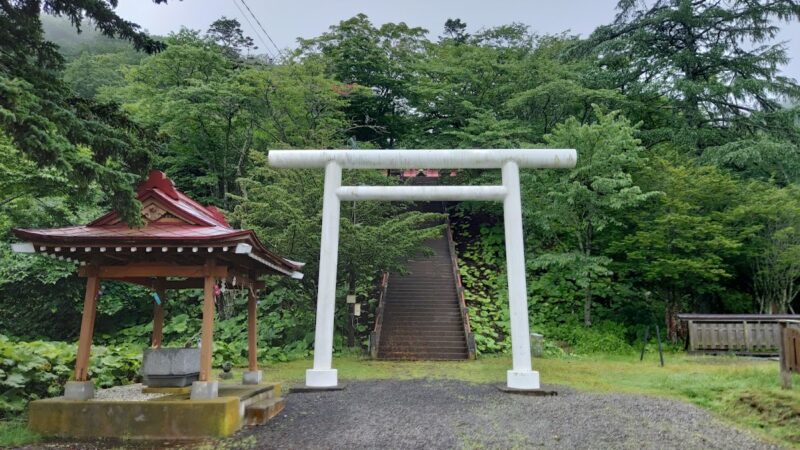
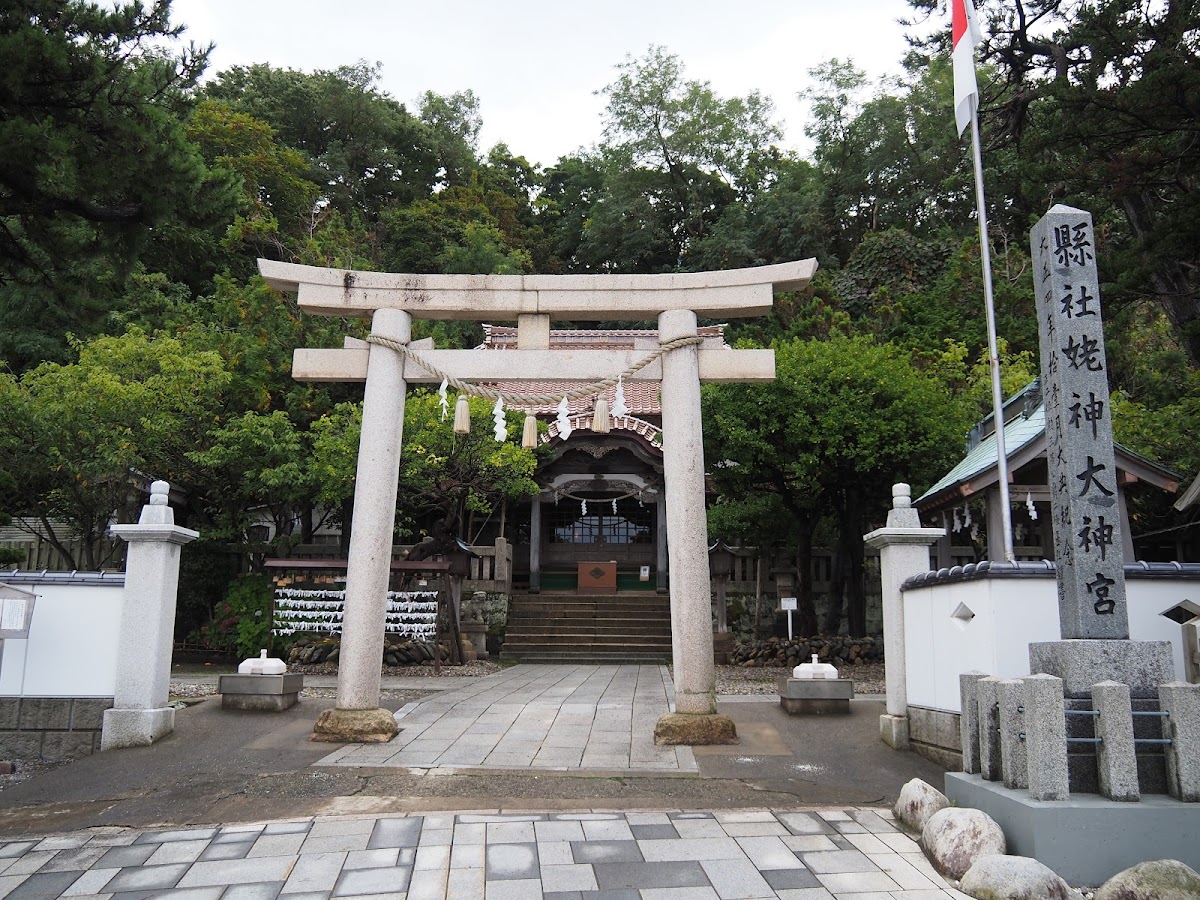
The shrine grounds are enveloped in a tranquil atmosphere, offering peace of mind to visitors. Walking along the approach, passing through the torii gate, and heading towards the main shrine, you will feel a special time away from everyday life.
Kaminokuni Hachimangu Shrine Procession Festival | A Traditional Event Continuing from the Edo Period
History and Tradition of the Procession Festival
The largest annual event at Kaminokuni Hachimangu Shrine is the “Procession Festival (Togyosai),” a tradition dating back to the mid-Edo period. Following tradition, this festival is held around mid-September, when the autumn breeze begins to blow.
This festival, which has continued since the Edo period, is one of the most important annual events for the people of Kaminokuni Town and serves as an opportunity to deepen community bonds. While preserving tradition, the Togyo Festival has gradually evolved to suit the times, and can be said to be a symbol of Kaminokuni Town’s cultural identity.
Festival Highlights
The greatest highlight of the Togyo Festival is the sight of the floats (dashi) and the procession of samurai (okachi) parading through the town to the sound of festival music. The procession, clad in colorful costumes and accompanied by the sounds of flutes and drums, gives the feeling of having traveled back in time to the Edo period.
The samurai procession recreates a samurai procession, and is conducted solemnly using period costumes and equipment. Many people, from children to adults, participate in this procession, passing down the tradition across generations.
Festival Schedule and How to Participate
The Togyo Festival is held annually on a weekend in mid-September. The specific dates vary each year, so those wishing to participate are advised to inquire in advance with the Kaminokuni Town Tourism Association or the Kaminokuni Town Hall.
During the festival, the entire town is enveloped in a festive atmosphere, and many stalls are set up. You can enjoy dishes made with local ingredients and specialty products, making it a great opportunity to fully experience the charm of Kaminokuni Town.
Goshuin (Shrine Seal) Information
Goshuin of Kaminokuni Hachimangu Shrine
At Kaminokuni Hachimangu Shrine, you can receive a goshuin as a memento of your visit. Goshuin are popular among many visitors as proof of their visit to the shrine and as a memento of their trip.
The goshuin of Kaminokuni Hachimangu Shrine features the shrine’s name and the date of visit written in ink, followed by a red seal. The goshuin of this historic shrine, which boasts the oldest shrine architecture in Hokkaido, will be a valuable addition to any goshuincho (stamp book) collection.
Points to Note When Receiving a Goshuin (Shrine/Temple Seal)
Goshuin are received after your visit. First, visit the main shrine, offer your prayers sincerely, and then request a goshuin. You can bring your goshuincho (seal book) or receive a pre-printed goshuin.
Since the shrine office may be unattended, it is recommended to contact them in advance if you want to be sure to receive a goshuin. Also, remember that goshuin are not just a stamp rally, but an expression of respect to the deities, so it is important to treat them with respect.
Nearby Historical Spots
National Historic Site: Katsuyama-kan Ruins
If you visit Kaminokuni Hachimangu Shrine, you should definitely extend your trip to the Katsuyama-kan Ruins, a national historic site. The site of a mountain castle built by Takeda Nobuhiro has yielded many remains and artifacts through archaeological excavations, making it a very important site for understanding the history of medieval Ezo (Hokkaido).
At the Katsuyama-kan Ruins Guidance Facility, you can see exhibits of excavated artifacts and detailed explanations about the history of Katsuyama-kan. A visit to the Katsuyama-kan Ruins is essential for understanding the background of the founding of Kaminokuni Hachimangu Shrine.
Important Cultural Property: Kamikoji Temple Main Hall
Kaminokuni Town has another important cultural property: the Kamikoji Temple Main Hall, designated as an Important Cultural Property. Kamikoji Temple is a historic temple that received patronage from the Matsumae Domain, and its main hall is a valuable legacy of Buddhist architecture in Hokkaido.
By visiting these three historical spots—Kaminokuni Hachimangu Shrine, the Katsuyama-kan Ruins, and the Kamikoji Temple Main Hall—you can gain a comprehensive understanding of the rich history and culture of Kaminokuni Town.
Suzaki-kan Ruins
The nationally designated historic site, “Kaminokuni-kan Ruins,” includes not only the Katsuyama-kan Ruins but also the Suzaki-kan Ruins. Suzaki-kan was built before Katsuyama-kan and is an important archaeological site that allows us to trace the history of Kaminokuni back to an even earlier period.
Visiting these historical sites allows you to experience the flow of history in southern Ezo (present-day Hokkaido) from the medieval to the early modern period.
Access Information
Location
Address: Kaminokuni, Kaminokuni-cho, Hiyama-gun, Hokkaido
Kaminokuni Hachimangu Shrine is located in the center of Kaminokuni-cho, offering good access to major historical sites within the town.
Access by Public Transportation
By Bus:
- Approximately 4 minutes from the Hakodate Bus “Ootome Bus Stop”
- Approximately 2 minutes on foot from the “Kaminokuni” bus stop
If accessing by bus from Hakodate city, it is recommended to plan with ample travel time. Since the number of buses is limited, it is important to check the timetable in advance.
By Train:
The nearest station is Kaminokuni Station on the JR Esashi Line, but the Esashi Line is currently discontinued, so train access is not possible. You will need to use a bus or rental car from Hakodate Station.
Access by Car
From Hakodate:
- Head north on National Route 228 towards Esashi
- Approximately 2 hours from Hakodate city
From Sapporo:
- Via the Hokkaido Expressway, National Route 5, National Route 229, and National Route 228
- Approximately 4 hours and 30 minutes
Access by car is the most convenient. There is parking available around the shrine, but congestion is expected during events such as the Togyo Festival, so please aim to arrive early.
Tips for Setting Your Car Navigation System
When searching by phone number or address, using “Kaminokuni Town Hall” as a landmark will make it easier to find. Kaminokuni Hachimangu Shrine is within walking distance of the town hall.
Basic Information for Visiting
Visiting Hours
Kaminokuni Hachimangu Shrine is generally open for visits during daytime hours. However, since the shrine office’s operating hours may be limited, it is recommended that those wishing to receive a Goshuin (shrine stamp) or prayers check in advance.
Etiquette for Visiting Shrines
Please observe basic shrine etiquette:
- Bow when passing through the torii gate.
- Avoid walking in the center of the approach to the shrine (the center is the path for the gods).
- Cleanse your hands and mouth at the temizuya (water basin).
- At the main hall, worship using the “two bows, two claps, one bow” method.
- Worship quietly and with reverence.
Photography
Photography is generally permitted on the shrine grounds, but there may be restrictions on photography inside the main hall or within the protective structure. When taking photographs, please be considerate of other worshippers and obtain permission if necessary.
Kaminokuni Town Tourism Information
Kaminokuni Town Tourism Association
For detailed information on Kaminokuni Town tourism, please visit the official website of the Kaminokuni Town Tourism Association. This section contains information on seasonal events, detailed sightseeing spots, and accommodation options.
Accommodation
There are guesthouses and inns within Kaminokuni Town. Additionally, there are numerous hotels and inns in the neighboring towns of Esashi and Hakodate, making it possible to use them as a base for visiting Kaminokuni Town.
Local Products and Cuisine
Kaminokuni Town faces the sea and boasts an abundance of fresh seafood. Sea urchins and abalone, in particular, are exquisite. You can also enjoy agricultural products unique to Hokkaido. Local specialties can be purchased at roadside stations and other locations.
Summary
Kaminokuni Hachimangu Shrine is a historically significant shrine, possessing the oldest shrine architecture in Hokkaido, with its main hall built in 1699 (Genroku 12). Since its founding in 1473 (Bunmei 5) by Lord Takeda Nobuhiro, it has watched over the land of Kaminokuni for over 550 years.
Kaminokuni Hachimangu Shrine boasts numerous attractions, including its main hall designated as a Hokkaido Prefectural Tangible Cultural Property, a hackberry tree selected as one of Hokkaido’s famous trees, and a traditional procession festival that has continued since the Edo period. Furthermore, the surrounding area is dotted with historically significant sites such as the Katsuyama-kan Ruins (a nationally designated historical site) and the main hall of Kamikokuji Temple (an important cultural property), making it an ideal location for learning about Hokkaido’s history from the medieval to early modern periods.
Located about two hours from Hakodate, Kaminokuni Hachimangu Shrine offers a quiet and peaceful atmosphere for worship. It’s a shrine well worth visiting for those interested in Hokkaido’s history, shrine architecture, and those seeking a tranquil retreat.
Why not visit Kaminokuni Hachimangu Shrine and experience the beauty of nature in every season and the weight of history?