Ryugu Shrine (Otaru City, Hokkaido) Complete Guide | History, Goshuin (Shrine Seal), Annual Festival, and Access Information
Located at 3-22-11 Inaho, Otaru City, Hokkaido, Ryugu Shrine is a historical shrine deeply connected to the development of Hokkaido during the Meiji era. Founded by Enomoto Takeaki, and revered locally as the god of the sea, the shrine has recently gained national attention for its supposed blessings of good fortune and career advancement, following the appointment of Taro Aso as Prime Minister after his visit.
This article comprehensively covers everything you need to know before visiting Ryugu Shrine, including its history and origins, enshrined deities, goshuin (shrine seals), annual events such as the annual festival, highlights of the grounds, and access information.
History and Origins of Ryugu Shrine
Founding Circumstances and Connection to Enomoto Takeaki
The founding of Ryugu Shrine dates back to the early Meiji era, during the development of Hokkaido. In 1869 (Meiji 2), when state-owned land was sold off, Enomoto Takeaki erected a small shrine to enshrine Emperor Kanmu, the distant ancestor of the Enomoto family, which is considered the origin of the shrine.
Enomoto Takeaki was a retainer of the Edo Shogunate and is known for leading the former Shogunate forces in the Battle of Hakodate during the Boshin War. After the war, he was employed by the Meiji government and dedicated himself to the development of Hokkaido. In 1876 (Meiji 9), he donated a plaque inscribed with “Protection of the North Sea” to ensure the safety of immigrants and formally constructed the shrine building.
Background as a Sacred Site for the Ainu People
The land of Inaho, where Ryugu Shrine is located, was a special place for the Ainu people. In 1870 (Meiji 3), when the development magistrate Iwamura Michitoshi named the town of Otaru, he named it “Inaho-machi.” It is said that “Inaho” is a corrupted form of “Inau,” a ritual object used by the Ainu people.
This area was a sacred site used by the Ainu people for religious ceremonies and has been an object of worship since ancient times. It is believed that Enomoto Takeaki understood the historical and religious significance of this place and founded the shrine.
The Origin of the Name “Ryugu Shrine”
Initially, this shrine was a small shrine without a specific name, but in 1882 (Meiji 15), it was given the name “Ryugu-gu Shrine.” The origin of this name has an interesting history.
At that time, there was a shrine in Esashi town called Ryugu Church, which was deeply revered as a god of the sea. When Emperor Meiji toured Hokkaido, Prince Arisugawa Taruhito, who accompanied him, presented the shrine with a handwritten inscription of “Ryugu-den” (Dragon Palace), and this name was adopted as the shrine’s name. Since then, it has become known locally as “Ryugu Shrine,” and remains so to this day.
Former Shrine Rank and Current Status
Ryugu Shrine was formerly ranked as a Gosha (village shrine). A Gosha was a rank established under the Meiji-era shrine ranking system, designating it as a central shrine within a city or town. As an important shrine in Otaru City, it played a central role in local faith.
Currently, it belongs to the Hokkaido Shrine Association and is widely cherished by local residents and tourists alike as one of Otaru City’s representative shrines.
Deities and Benefits
Main Deities: Watatsumi Three Gods (Wadatsumi Three Gods)
The main deities of Ryugu Shrine are the Watatsumi Three Gods: Sokotsu-Wadatsumi-no-Kami, Nakatsu-Wadatsumi-no-Kami, and Uwatsu-Wadatsumi-no-Kami.
The Watatsumi Three Gods are sea gods appearing in Japanese mythology, said to have been born when Izanagi-no-Mikoto performed a purification ritual. As gods who preside over maritime safety, safe navigation, and prosperous fishing, they have been deeply revered by people involved in fishing and shipping since ancient times.
In Otaru, a port town, Ryugu Shrine, with its main deities being sea gods, is truly a shrine that perfectly matches the characteristics of the region.
Enshrined Deities and Their Respective Benefits
In addition to the main deities, the following gods are enshrined at Ryugu Shrine.
- Toyouke-hime no Mikoto: The goddess who presides over food and grains, bestowing blessings of abundant harvests and industrial development.
- Ōmononushi no Kami: Known as the god of nation-building, bestowing blessings of business prosperity and success in ventures.
- Ōhiko no Mikoto: A general who distinguished himself in pacifying the Hokuriku region, bestowing blessings of pioneering and development.
- Emperor Kanmu: Enshrined as the distant ancestor of the Enomoto family, bestowing blessings of good fortune and career advancement.
Nationally Famous for Blessings of Good Fortune and Career Advancement
The event that brought Ryugu Shrine national attention occurred in 2008. At that time, Taro Aso, then Secretary-General of the Liberal Democratic Party, visited Ryugu Shrine, and approximately one month later, he was appointed Prime Minister.
When this event was reported, Ryugu Shrine became known nationwide as a shrine that brings good fortune and career advancement, attracting many visitors. It is particularly popular among those praying for promotion, employment, and success in exams.
Goshuin (Shrine Seals) and Offerings
Features and Design of Goshuin
Ryugu Shrine offers goshuin as proof of worship. The goshuin features the calligraphy and red seal of “Ryugu Shrine,” characterized by its simple yet powerful design.
Goshuin can be received at the shrine office, and the offering fee is generally around 300 to 500 yen. You can bring your own goshuincho (seal book) or purchase one on-site.
Types of Amulets and Offerings
Ryugu Shrine offers a variety of offerings.
- Good Fortune and Career Advancement Amulet: A representative amulet of Ryugu Shrine, associated with a visit by Taro Aso.
- Maritime Safety Amulet: A popular amulet among fishermen and sailors.
- Traffic Safety Amulet: An amulet for praying for safety in cars and motorcycles.
- Academic Success Amulet: A popular amulet among students and those taking exams.
- Matchmaking Amulet: An amulet for those wishing for a good relationship.
In addition, votive tablets and talismans are also available, allowing visitors to commemorate their visit and pray for the fulfillment of their wishes.
About Prayers
Ryugu Shrine accepts prayers from individuals and groups. The content of the prayers is as follows:
- Prayer for good fortune and protection from evil
- Prayer for business prosperity
- Prayer for family safety
- Prayer for safety at sea
- Prayer for traffic safety
- Prayer for passing exams
- Prayer for safe childbirth
- First shrine visit for a newborn
- Shichi-Go-San (7-5-3) ceremony
If you wish to receive a prayer, it is recommended that you contact the shrine office by phone (0134-22-4268) in advance to reserve a date and time. The prayer fee varies depending on the type of prayer, so please confirm when making your reservation.
Annual Festival and Events
Ryugu Shrine Annual Festival (June 20th-22nd)
The most important religious ceremony at Ryugu Shrine is the annual festival, held from June 20th to 22nd every year. During this period, various religious ceremonies and events are held within the shrine grounds and surrounding area, attracting many worshippers and local residents.
The annual festival features a portable shrine procession and numerous stalls, making it a vibrant early summer tradition in Otaru. Of particular note is the “Sea Procession,” which has been revived in recent years.
Revival of the Sea Procession
At the annual festival in 2025 (Reiwa 7), the “Sea Procession,” which was held before World War II, was revived. The Sea Procession is a Shinto ritual in which the portable shrine is placed on a boat and paraded across the sea. It is a traditional event that spreads the divine blessings of Ryugu Shrine, the god of the sea, from Otaru to all of Hokkaido, praying for maritime safety, safe voyages, and a bountiful catch.
This ritual, unique to the port town of Otaru, is a valuable event symbolizing the region’s maritime culture and attracts the attention of many people.
Dedication of Matsumae Kagura
At the annual festival of Ryugu Shrine, Matsumae Kagura, a representative Shinto performing art of Hokkaido, is dedicated. Matsumae Kagura is designated as a Hokkaido Prefectural Intangible Folk Cultural Property, and its elegant and majestic dance captivates all who see it.
Matsumae Kagura is a Shinto ritual dance that has been passed down since the Edo period, and its content praises the gods and prays for a bountiful harvest and national peace. The Matsumae Kagura performed at the Ryugu Shrine’s annual festival is a valuable opportunity to experience Hokkaido’s traditional culture.
Other Annual Events
In addition to the annual festival, various Shinto rituals are performed at Ryugu Shrine throughout the year.
- January 1st: New Year’s Day Festival: A Shinto ritual to celebrate the New Year and pray for peace throughout the year.
- February 3rd: Setsubun Festival: A ritual involving bean-throwing to ward off evil and invite good fortune.
- November: Shichi-Go-San Festival: A visit to pray for the healthy growth of children.
- December 31st: Great Purification Ceremony: A Shinto ritual to cleanse away the sins and impurities of the year.
Anyone can participate in these rituals, so we recommend visiting at the appropriate time.
Shrine Grounds Guide and Highlights
Main Hall and Worship Hall
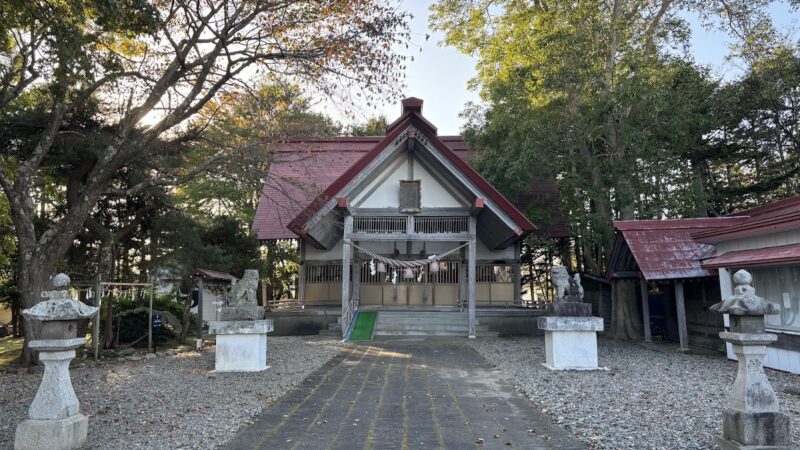
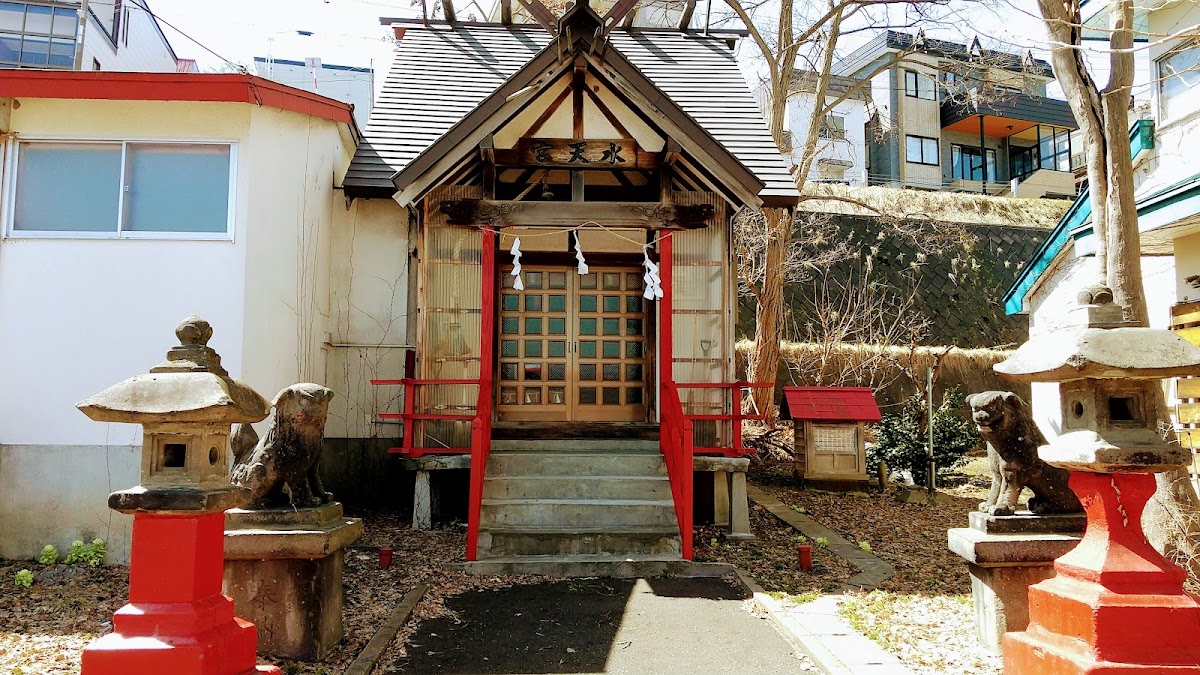
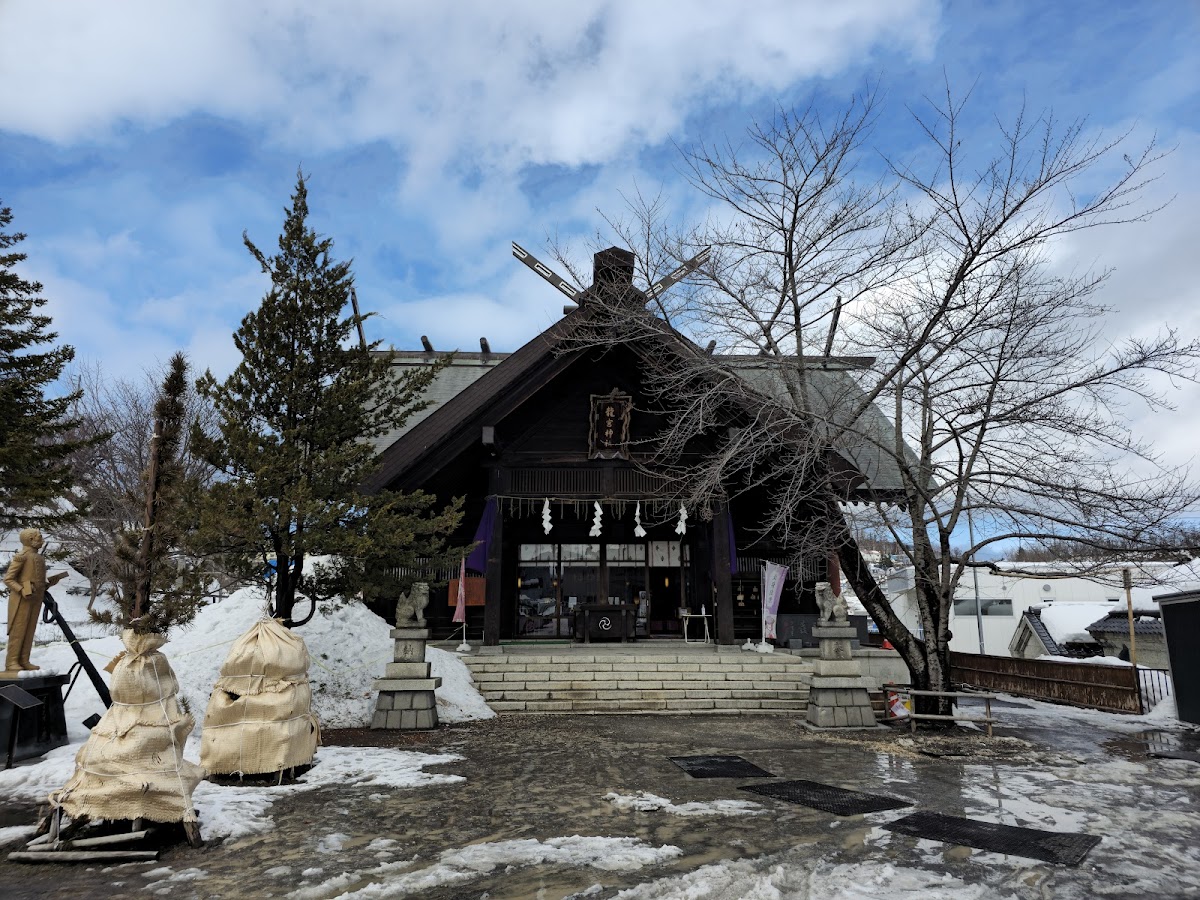
The main hall of Ryugu Shrine is built in the traditional style of shrine architecture. Standing before the worship hall, you are enveloped in a solemn atmosphere, and your mind becomes calm.
The worship hall displays a plaque inscribed with “Protection of the North Sea,” a copy of the one donated by Enomoto Takeaki at the time of the shrine’s founding. This framed picture is a valuable cultural artifact that conveys the history of Hokkaido’s pioneering era.
Atmosphere and Characteristics of the Shrine Grounds
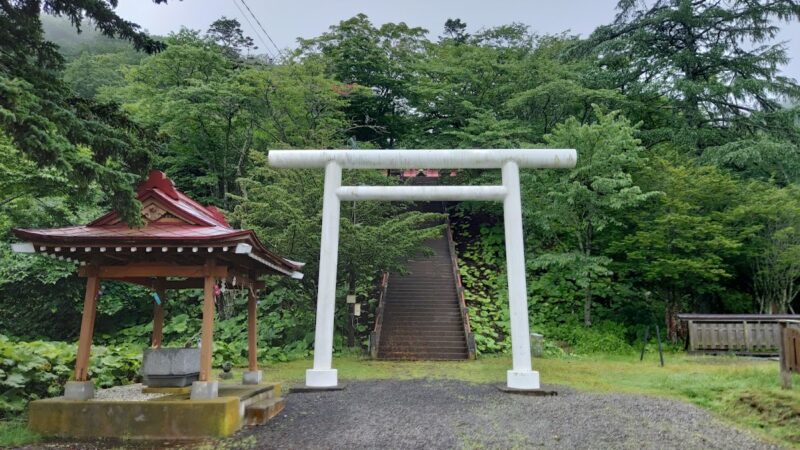
Despite being located in the heart of Otaru city, Ryugu Shrine maintains a quiet and peaceful atmosphere. Walking along the approach to the shrine, you’ll find yourself in a sacred space that makes you forget the hustle and bustle of the city.
The grounds are planted with magnificent trees, allowing you to experience the beauty of nature throughout the seasons. The fresh greenery of spring and the vibrant autumn foliage are particularly beautiful, allowing you to enjoy nature in conjunction with your visit.
Adjacent Inaho Kindergarten
Next to Ryugu Shrine is Inaho Kindergarten. This kindergarten has a deep connection with Ryugu Shrine, and the children sometimes participate in shrine events. As a shrine rooted in the community, it also plays a role in watching over the growth of children.
Treasures and Cultural Assets
Ryugu Shrine houses various treasures that tell the story of its history since its founding. Many valuable historical materials related to the development of Hokkaido remain, including items associated with Enomoto Takeaki and calligraphy by Prince Arisugawa Taruhito.
These treasures are usually not open to the public, but they are sometimes displayed on special occasions. Those interested should inquire at the shrine.
Access Information
Location and Basic Information
Address: 3-22-11 Inaho, Otaru City, Hokkaido
Phone: 0134-22-4268
Visiting Hours: Grounds are freely accessible (Shrine office is open from approximately 9:00 to 17:00)
Parking: Available (a few spaces)
Access from JR Otaru Station
Ryugu Shrine is conveniently located about a 5-10 minute walk from JR Otaru Station.
Walking Route:
- Exit the JR Otaru Station ticket gate and turn left.
- Go straight down the side street in front of the station.
- Pass Funamizaka Hill and go up to the Ryugu Intersection.
- When you see “Inaho Kindergarten” on your left, Ryugu Shrine is next to it.
The route is relatively easy to follow, and there are signs, so even first-time visitors should be able to arrive without getting lost.
Access by Car and Parking
If you are visiting by car, head towards the Ryugu Intersection from Otaru city center. Entering “Ryugu Shrine” or the address into your car navigation system will guide you there.
There are a few parking spaces at the shrine, but congestion is expected during events such as the annual festival. In that case, we recommend using nearby paid parking or public transportation.
Combining with Nearby Tourist Spots
Ryugu Shrine is close to JR Otaru Station, a hub for Otaru sightseeing, making it ideal for combining with other tourist spots.
- Otaru Canal: Approximately 15 minutes on foot. Otaru’s Representative Tourist Attractions
- Sakaimachi Shopping Street: Approximately 20 minutes on foot. A street lined with shops selling glass crafts and seafood.
- Otaru Music Box Museum: Approximately 20 minutes on foot. A specialty music box shop.
- Tenguyama: Approximately 15 minutes by car. An observation spot offering panoramic views of Otaru city.
When sightseeing in Otaru, be sure to include a visit to Ryugu Shrine in your plans.
Manners and Etiquette for Visiting Shrines
Basic Etiquette for Visiting Shrines
When visiting a shrine, it is important to observe basic etiquette.
- Bow before passing through the torii gate: This is a courtesy before entering the sacred area.
- Purify yourself at the water basin: Purify your left hand, then your right hand, then your mouth.
- Walk along the edge of the path: The center is considered the path of the gods.
- Etiquette in front of the main hall: Two bows, two claps, one bow (two bows, two claps, one bow).
Regarding Photography
Photography is generally permitted within the shrine grounds, but it is considered good manners to refrain from taking pictures inside the main hall or during Shinto rituals. Please also be considerate of other worshippers.
Regarding Attire
For regular visits, no special attire is required. However, if you are receiving a prayer, somewhat formal attire is desirable. When participating in events such as the annual festival, please dress appropriately for the sacred nature of the shrine.
A Summary of the Charms of Ryugu Shrine
Ryugu Shrine is a valuable shrine that conveys the history of Hokkaido’s development, and at the same time, it is a popular power spot known for its blessings of good fortune and career advancement.
Its deep connection to the historical figure Enomoto Takeaki, its background as a sacred site for the Ainu people, and its characteristics as a shrine in a port town that enshrines the god of the sea create a unique charm unlike any other shrine.
Its easy accessibility, being within walking distance of Otaru Station, is also one of its attractions. When sightseeing in Otaru, be sure to stop by Ryugu Shrine to experience Hokkaido’s history and culture and receive blessings of good fortune and career advancement.
Traditional events such as the sea procession during the annual festival and the dedication of Matsumae Kagura are also highlights. Visiting at the right time will allow you to experience the charm of Ryugu Shrine even more deeply.
Located at 3-22-11 Inaho, Otaru City, Hokkaido, Ryugu Shrine is a shrine worth visiting, where history, tradition, and modern faith are fused together.