Noshima Suiten-gu Shrine: The History of the Guardian Deity of the Noshima Family and the Local Families in Temiya, Otaru
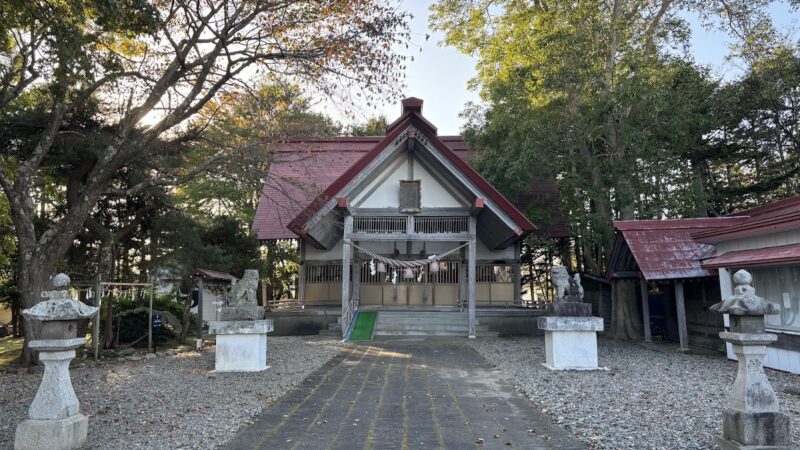
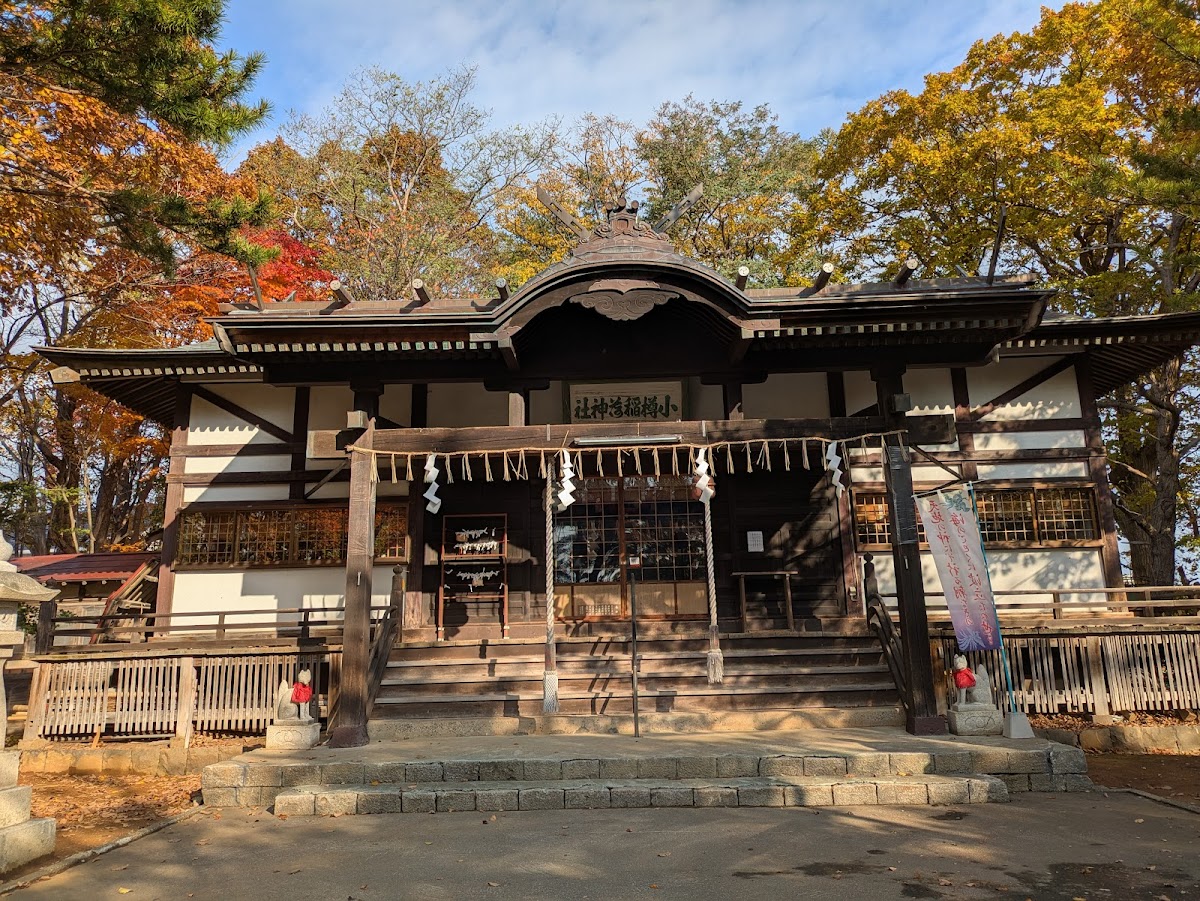
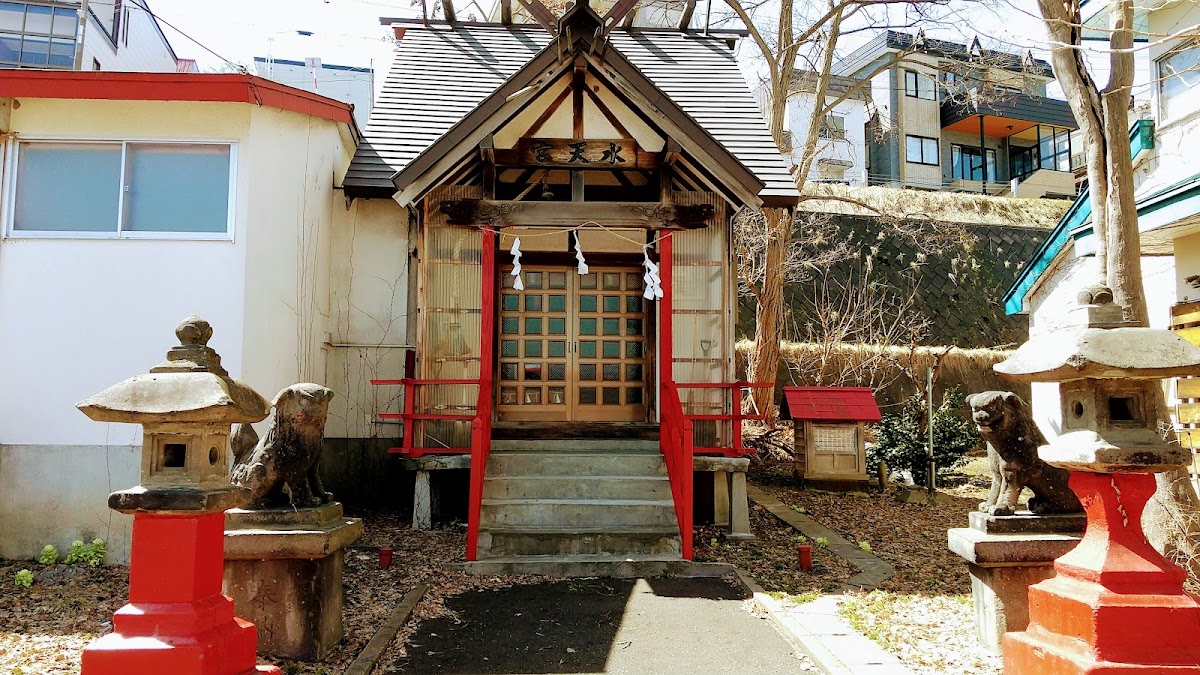
Noshima Suiten-gu Shrine, quietly nestled in a residential area of Temiya district in Otaru City, is a historic shrine founded during the Meiji era. It is known for its unique history, starting as the private guardian deity of the Noshima family and later becoming the tutelary deity of the Nishikitoyo neighborhood association due to the fervent pleas of local residents. This article provides a detailed explanation of the history of Noshima Suiten-gu Shrine, its enshrined deities, the achievements of the Noshima family, and its transformations up to the present day.
Overview and Basic Information of Noshima Suiten-gu Shrine
Noshima Suiten-gu Shrine is a religious corporation located in Temiya 1-chome, Otaru City, Hokkaido. It received approval from the Association of Shinto Shrines in 1958 and was officially registered as a religious corporation on March 25, 1959.
While there are several Suiten-gu shrines in Otaru City, Noshima Suiten-gu is a distinct shrine separate from the Otaru Suiten-gu located on Sakaimachi Street. Its key characteristic is its deep connection to the Noshima family.
Location and Access
Address: 1-chome, Temiya, Otaru City, Hokkaido
The Temiya area is a historical region near Otaru Port, once a thriving base for the development of Hokkaido. Located within a residential area, it’s a shrine more familiar to local residents than tourists.
It’s accessible on foot from JR Otaru Station, but the distance is somewhat long, so using a bus or taxi is more convenient. The Temiya area has many hills, so comfortable walking shoes are recommended.
Founding and History of Noshima Suiten-gu
Founded in 1883
Noshima Suiten-gu was founded on October 1, 1883. Initially, it was a shrine dedicated to the private guardian deity of the Noshima family and was not open to the public.
The Noshima family originated from the Noto Peninsula in Ishikawa Prefecture. In 1859, Shigezo Noshima emigrated to Otaru, Hokkaido, and dedicated himself to the development of the Temiya area. Shigezo Noshima established a regular shipping route between the Noto Peninsula and Hokkaido using three Kitamae ships, and amassed a fortune through the trade of daily necessities including rice, miso, and soy sauce.
Achievements and Regional Contributions of Three Generations of the Noshima Family
The Noshima family made significant contributions to the development of the Temiya area over three generations. Their main achievements are as follows:
- Road Construction and Townscape Improvement: The Noshima family personally funded the construction of surrounding roads and the improvement of the townscape. This was an extremely rare example of public works using private funds at the time.
- Opening of Private Roads to the Public: The Noshima family opened up private roads they managed to the public, contributing to improved convenience for local residents.
- Land Donation: Ultimately, these road construction sites were donated entirely to Otaru City, preserving them as public infrastructure for future generations.
These contributions of the Noshima family to the community were indispensable to the development of the Temiya district and earned them deep trust and respect from the local residents.
From Private Guardian Deity to Community Deity
Initially, Noshima Suiten-gu Shrine was privately worshipped as the guardian deity of the Noshima family. However, due to the fervent pleas of the local residents, it was opened to the public as the community deity of Nishikitoyo Town. This was a manifestation of the residents’ gratitude for the Noshima family’s contributions to the community and also a testament to their faith in the deity’s divine power as a guardian.
After becoming the community deity, a support association was formed, creating a system for the entire community to support the shrine. This association continues to play an important role in the maintenance and management of the shrine and the operation of festivals.
The Path to Religious Incorporation
In 1958 (Showa 33), Noshima Suiten-gu Shrine received approval from the Association of Shinto Shrines. The Association of Shinto Shrines is a religious corporation encompassing approximately 80,000 shrines nationwide. Receiving its approval signifies recognition of a shrine’s legitimacy.
On March 25, 1959 (Showa 34), Noshima Suiten-gu Shrine was officially registered and became a religious corporation. This established the shrine, which began as a private guardian deity, as a legally and publicly recognized religious institution.
Deities and Beliefs
According to the records of the Hokkaido Association of Shinto Shrines, the following deities are enshrined at Noshima Suiten-gu Shrine:
Main Deity
Mitsuhanome-no-kami
A goddess known as the god of water and irrigation. Fittingly for the name Suiten-gu (Suiten Shrine), she is a central deity in water-related beliefs. She was an important object of worship for the people of Hokkaido, whose lives were deeply intertwined with water, including agriculture and fishing.
Enshrined Deities
Ukanomitama-no-kami
This deity is worshipped as the god of grain and food. It is believed to bring blessings of business prosperity and abundant harvests, and is thought to be closely related to the Noshima family’s commercial success.
Omononushi-no-Okami
This deity resides on Mount Miwa in Yamato and is known as the god of nation-building and the guardian deity of commerce and industry. It is presumed that this deity was worshipped to pray for the Noshima family’s business prosperity.
Background of Suiten-gu Faith
All Suiten-gu shrines throughout Japan consider the Suiten-gu in Kurume City, Fukuoka Prefecture, as their head shrine. Kurume Suiten-gu is known as a shrine dedicated to the Taira clan, particularly Emperor Antoku, who perished in the Battle of Dan-no-ura, and is famous for prayers for safe childbirth and fertility.
While drawing from the traditions of Suiten-gu worship, Noshima Suiten-gu Shrine has its own unique form of worship, with Mizuha-no-me-no-kami as its principal deity. This is thought to reflect the regional characteristics of Hokkaido and the religious background of the Noshima family.
Suiten-gu Worship in Hokkaido
There are several Suiten-gu shrines in Hokkaido, each attracting local devotion. While there are 27 religious corporations nationwide with “Suiten-gu” in their name, the following shrines are the main ones in Hokkaido:
Sapporo Suiten-gu (Chuo-ku, Sapporo)
One of the most famous Suiten-gu shrines in Hokkaido, known for prayers for safe childbirth and fertility. Located in the heart of Sapporo, it attracts many worshippers.
Otaru Suiten-gu (Otaru City)
Located on a slope along Sakaimachi Street, this Suiten-gu shrine is frequently visited by tourists in Otaru. Although it is a different shrine from Noshima Suiten-gu, its presence in the same city of Otaru often leads to confusion.
The Positioning of Noshima Suiten-gu Shrine
Compared to the other Suiten-gu shrines mentioned above, Noshima Suiten-gu Shrine is smaller in scale and less well-known as a tourist destination. However, it possesses a unique value that sets it apart from other Suiten-gu shrines due to its deep connection with the Noshima family and the local community.
As a community-oriented shrine, it is an indispensable place of worship for the residents of the Temiya district and an important cultural heritage site that conveys the history of the region.
Nishikitoyo Neighborhood Association and the Local Community
When Noshima Suiten-gu Shrine became the local tutelary shrine, the Nishikitoyo Neighborhood Association played a crucial role.
What is the Nishikitoyo Neighborhood Association?
The Nishikitoyo Neighborhood Association is a neighborhood association that constitutes part of the Temiya district. Neighborhood associations in Hokkaido play an important role in local self-governance activities, mutual assistance, and the preservation of traditional events.
The residents of Nishikitoyo Town Association, grateful for the Noshima family’s contributions to the community and wanting to share their faith in the Noshima family’s guardian deity, strongly requested that Noshima Suiten-gu Shrine be welcomed as the town association’s tutelary shrine.
Establishment of the Supporting Association
When Noshima Suiten-gu Shrine became the local tutelary shrine, a supporting association was established. This organization has the following roles:
- Maintenance and management of the shrine
- Planning and operation of festivals such as the annual festival
- Repair and maintenance of shrine facilities
- Public relations activities for local residents
- Training of successors
The supporting association is operated through the voluntary participation of local residents and functions as a bridge between the shrine and the local community.
Role as the Local Guardian Deity
A tutelary deity is a god that protects a specific area (parishioner district) and is worshipped by the people living in that area (parishioners). Noshima Suiten-gu Shrine, as the tutelary shrine of Nishiki-Toyo Town, fulfills the following roles:
- Prayer for regional safety and prosperity: A central place for praying for peace and development throughout the community.
- Site of life cycle rituals: A place for prayer at important life milestones such as first shrine visits, Shichi-Go-San (a traditional rite of passage for children), and exorcisms.
- Center for community interaction: A place to deepen interaction among residents through events such as the annual festival.
- Site for historical preservation: An educational place to pass on the history of the Noshima family and the region to future generations.
Annual Events and Festivals of Noshima Suiten-gu Shrine
As the tutelary shrine of the region, Noshima Suiten-gu Shrine holds various festivals throughout the year. Detailed festival schedules can be confirmed by contacting the Hokkaido Shrine Association or the local support association.
Annual Festival
The annual festival is the most important annual event for the shrine and is the central festival honoring the enshrined deity. At the annual festival of Noshima Suiten-gu Shrine, Shinto priests perform rituals, and parishioners and local residents attend.
During the festival, the unity of the local community is reaffirmed, and prayers are offered for peace and prosperity in the coming year.
Other Annual Events
Similar to typical Shinto shrines, the following annual events are likely to be held:
- New Year’s Day Festival (January 1st): Welcome the new year and pray for peace throughout the year.
- Setsubun Festival (around February 3rd): Drive away evil spirits with bean-throwing and invite good fortune.
- Spring Festival: Celebrate the arrival of spring and pray for a bountiful harvest.
- Autumn Festival: Express gratitude for the harvest and repay divine blessings.
- Shichi-Go-San Festival (November): Celebrate the growth of children and pray for their health.
- Great Purification Ceremony (June and December): Cleanse away the sins and impurities accumulated over the past six months.
Relationship with the Hokkaido Association of Shinto Shrines
Noshima Suiten-gu Shrine is one of the shrines belonging to the Hokkaido Association of Shinto Shrines.
About the Hokkaido Association of Shinto Shrines
The Hokkaido Association of Shinto Shrines is a regional organization of the Association of Shinto Shrines, overseeing and guiding shrines throughout Hokkaido. The main roles are as follows:
- Management and guidance of shrines in Hokkaido
- Training and education of Shinto priests
- Provision of information on shrines
- Promotion and enlightenment of Shinto culture
- Liaison and coordination with the Association of Shinto Shrines
The Hokkaido Association of Shinto Shrines website contains information on each shrine in Hokkaido, and basic information about Noshima Suiten-gu Shrine can also be found there.
Significance of Approval by the Association of Shinto Shrines
Receiving approval from the Association of Shinto Shrines in 1958 was a significant turning point for Noshima Suiten-gu Shrine. This approval allowed:
- Official recognition of its legitimacy as a shrine
- Participation in the nationwide shrine network
- Access to support such as the dispatch and training of Shinto priests
- Smoother acquisition of religious corporation status
This marked a complete transition of Noshima Suiten-gu Shrine from a private guardian deity to a publicly recognized religious facility.
History and Culture of the Temiya District, Otaru City
To understand Noshima Suiten-gu Shrine, it is important to know the history of the Temiya district where it is located.
Development of the Temiya District
Temiya is an area adjacent to Otaru Port, and from the Meiji era to the early Showa era, it flourished as an important base for the development of Hokkaido.
Temiya Line: Temiya was once the starting point of the Temiya Line (former Japanese National Railways), the first railway in Hokkaido. Although the line is now abandoned, its remains are preserved as a tourist resource.
Port of Call for Kitamae Ships: Many ships, including the Kitamae ships operated by the Nojima family, called at Temiya, and it bustled as a center for the collection of goods.
The Temiya District Today
Although the Temiya district has lost its former vibrancy, it is now a quiet residential area with historical buildings and cultural heritage remaining.
Otaru City Museum: The Temiya district is home to the Otaru City Museum, where you can learn about the history of Hokkaido’s railways and the history of Otaru.
Historical Landscape: The many slopes and the view overlooking the port retain the characteristic charm of Otaru.
Noshima Suiten-gu Shrine, located within this historical area, is an important presence that conveys the region’s memory and beliefs to the present day.
Noshima Suiten-gu Shrine and Other Shrines in Otaru
Many shrines exist within Otaru City, each with its own unique history and beliefs.
Major Shrines in Otaru
Sumiyoshi Shrine: A large shrine known as the guardian shrine of Otaru, it attracts widespread devotion from the citizens of Otaru.
Ryugu Shrine: Situated on a hill overlooking Otaru Port, it is known for its blessings of maritime safety and business prosperity.
Otaru Suiten-gu Shrine: Located on Sakaimachi Street, it is a Suiten-gu shrine visited by many tourists.
Characteristics of Noshima Suiten-gu Shrine
When compared to other shrines, Noshima Suiten-gu Shrine has the following characteristics:
- Deep ties to a family lineage: Its history began with the specific Noshima family lineage.
- Community-oriented: It serves as the tutelary shrine for the limited area of Nishikitoyo Town.
- Connection to the history of pioneering: Its history is linked to the achievements of businessmen during the pioneering period of Hokkaido.
- A small but officially recognized religious corporation: A legitimate shrine approved by the Association of Shinto Shrines.
These characteristics give Noshima Suiten-gu Shrine a unique position among the shrines of Otaru.
Etiquette and Manners for Visiting
Here are some basic etiquette guidelines for visiting Noshima Suiten-gu Shrine.
Basic Worship Procedure
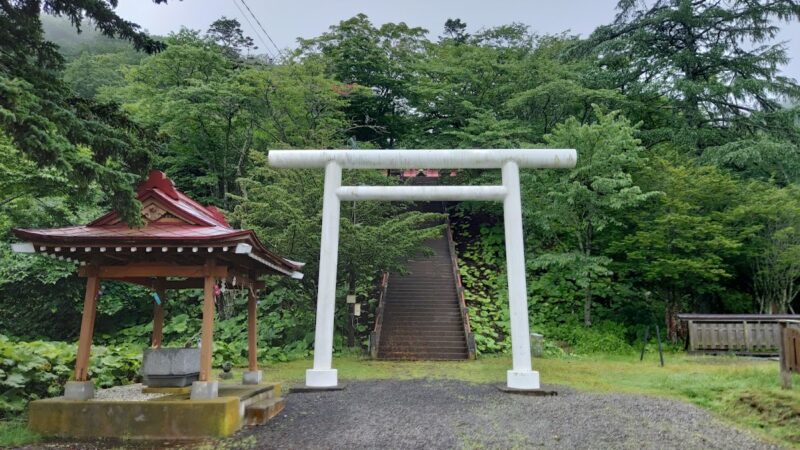
- Passing Through the Torii Gate: Bow before passing through the torii gate.
- Purifying at the Water Basin: Purify your hands and mouth (if there is a water basin).
- Walking Along the Path: Walk along the sides of the path, as the center is considered the path of the gods.
- Worshiping at the Main Hall: Worship using the two bows, two claps, and one bow ritual.
- Departing: After leaving the torii gate, turn around and bow.
Considerations Unique to a Small Shrine
Noshima Suiten-gu Shrine is a small, community-oriented shrine. Please observe the following points when visiting:
- Please worship quietly: As it is located in a residential area, please refrain from making noise.
- Photography: Do not photograph the interior of the main hall or other areas without permission.
- Respect for private property: The surrounding area is residential, so please do not trespass on private property.
- Please take your trash with you: Smaller shrines may not have trash cans.
Access and surrounding information for Noshima Suiten-gu Shrine
Detailed access information
Train/Walking: Approximately 20-25 minutes on foot from JR Otaru Station. Since there are many hills, it is recommended to allow ample time for your visit.
Bus: Take a Chuo Bus bound for Temiya from in front of Otaru Station and get off at the nearest bus stop. It is a few minutes’ walk from the bus stop.
Taxi: Approximately 5-10 minutes by taxi from JR Otaru Station. The fare is approximately 1,000 yen.
Car: Accessible from Otaru city center via National Route 5. However, the area around the shrine is a residential area with narrow roads, so caution is required when driving. It is recommended to check the availability of parking in advance.
Nearby Tourist Attractions
Otaru City Museum: Within walking distance, you can learn about the history of Hokkaido’s railways and the history of Otaru. The exhibits of former Temiya Line trains are a highlight.
Temiya Line Site: The tracks of the former JNR Temiya Line, now abandoned, remain intact and have been developed into a walking path. It’s a popular walking course where you can feel the history.
Otaru Port: Close to the Temiya area, you can enjoy the port scenery and fresh seafood.
Sakaimachi Street: The main street for Otaru sightseeing. It’s lined with glass craft shops and seafood stores and is bustling with tourists. Otaru Suiten-gu Shrine is also nearby.
Summary: The History of Development and Community Bonds Told by Noshima Suiten-gu Shrine
Noshima Suiten-gu Shrine has been a place of worship for the people of the Temiya district for over 140 years since its founding in 1883 (Meiji 16). Its history, beginning as the guardian deity of the Noshima family, becoming the tutelary deity of the Nishikitoyo town association at the request of local residents, and finally being officially recognized as a religious corporation in 1959 (Showa 34), tells a facet of Hokkaido’s pioneering history.
The contributions of three generations of the Noshima family, including Shigezo Noshima, to the community, and the faith and cooperation of the local residents in response, have been passed down through the shrine to the present day. The enshrined deities, Mizuhanome-no-kami, Uga-no-mitama-no-kami, and Omononushi-no-kami, symbolize the people’s wishes for the blessings of water, food, and prosperity in commerce and industry.
While there are several Suiten-gu shrines and other famous shrines in Otaru City, Noshima Suiten-gu Shrine, as a small, community-oriented shrine, is an indispensable presence for the Temiya district community. While it may lack the glamour of a typical tourist destination, it quietly embodies the history of the region dating back to the pioneering era and the strong bonds between its people.
When visiting Otaru, in addition to tourist spots like Sakaimachi Street, a visit to Noshima Suiten-gu Shrine in the Temiya district will allow you to feel the history of Hokkaido’s development and the strength of the local community. This small shrine nestled in a residential area offers a warmer form of faith than larger shrines.
You can find basic information about Noshima Suiten-gu Shrine on the Hokkaido Shrine Association website, so it’s recommended to check the latest information beforehand if you’re planning a visit. As the guardian shrine of the region, Noshima Suiten-gu Shrine will continue to walk alongside the people of the Temiya district. Within its quiet presence, the history of Hokkaido’s development and the bonds of the community still live on.