Complete Guide to Otaru Inari Shrine | History, Goshuin (Shrine Seals), and Access Information for Hokkaido’s Oldest Shrine
Otaru Inari Shrine is one of Hokkaido’s oldest shrines, founded in 1690 (Genroku 3). Considering that Sapporo’s oldest shrine was founded in 1855, it was established a remarkable 165 years earlier, and has been passed down to this day as an important place of worship in the history of Hokkaido’s development.
Nestled on a hill adjacent to Temiya Park, Otaru Inari Shrine is a tranquil space reached by climbing a steep slope. Every June, the shrine holds its annual festival, known as the “Temiya Festival,” attracting many worshippers. This article provides detailed information you should know before visiting, including the history of Otaru Inari Shrine, its enshrined deities, goshuin (shrine seals), and access methods.
History of Otaru Inari Shrine | From the Genroku Era to the Present
Founding in the Genroku Era (1690)
The founding of Otaru Inari Shrine dates back to the 3rd year of the Genroku era (1690). During this period, the activities of the Japanese in Ezo (Hokkaido) were still limited, but economic activities centered on fishing, such as herring fishing, were gradually becoming more active. The Otaru area had long been called “Otarunai” and was inhabited by the Ainu people. With the arrival of the Japanese, an Inari shrine was established as a center of worship.
Initially, it was also called “Otaru Jishi Inari Shrine” and was revered as the guardian deity of the region.
Reconstruction of the Shrine in the Edo Period
The first reconstruction of the shrine took place in the 3rd year of the Kyowa era (1803). This reconstruction is thought to have been carried out 113 years after the founding, to address the aging of the building and the spread of faith.
Furthermore, a second reconstruction of the shrine was carried out in the 3rd year of the Ansei era (1856). This period marked the end of the Edo period, a time of heightened interest in Ezo (present-day Hokkaido). As Otaru’s importance grew, the shrine’s role also expanded.
Development and Relocation in the Meiji Era
In 1875 (Meiji 8), Otaru Inari Shrine was ranked as a village shrine. This signified official recognition under the shrine ranking system, a formal recognition of the shrine’s importance in the region.
In 1898 (Meiji 31), five buildings, including the main shrine building, were renovated. Otaru rapidly developed as a base for the development of Hokkaido during the Meiji era, and the shrine’s improvements progressed along with the population increase.
However, in 1905 (Meiji 38), the number of private houses around the shrine increased, and it was decided to relocate it to Ishiyama-cho on the grounds that it was “defiled the sacred area and divine power.” While this was an important decision to preserve the shrine’s sanctity, its history at this new location was short.
The Great Fire of the Meiji Era and Relocation to the Current Location
In 1909 (Meiji 42), a major fire struck Otaru, destroying the shrine buildings in Ishiyama-cho. Following this disaster, the shrine was relocated to a hill next to the current Temiya Park, and the buildings were rebuilt. This is the current location of the shrine.
The hilltop location likely provided a quiet environment away from the city center and also reduced the risk of further fires.
Development during the Taisho and Showa Eras
In 1912 (Taisho 1), the shrine received special designation, and its organizational structure was further improved.
In the Showa era, the shrine’s infrastructure was further developed. Around 1936 (Showa 11), three philanthropists donated approximately 5 hectares of forest land, which became the shrine’s basic asset. This asset stabilized the shrine’s maintenance and established the operational foundation that continues to this day.
Deities Enshrined | Three Gods
Otaru Inari Shrine enshrines three deities.
Ukemochi-no-kami
Ukemochi-no-kami is the goddess who presides over food and is a central deity in Inari worship. She is believed to bestow blessings such as abundant harvests, business prosperity, and family safety, and is revered as a guardian deity of all aspects of life. She is also the deity from which the name Inari Shrine originates, and in Otaru, which prospered from fishing and trade, she has been considered an important figure protecting people’s lives.
Omononushi-no-Okami
Omononushi-no-Okami is a deity enshrined on Mount Miwa in Yamato, and is known as the god of nation-building and the guardian deity of commerce and industry. He bestows blessings such as matchmaking, healing from illness, and maritime safety, and in Otaru, where the shipping industry flourished, he was worshipped as an object of prayer for safe voyages.
Sugawara no Michizane
Sugawara no Michizane, widely known as the god of learning, is also enshrined here. He is believed to grant academic success and grant prayers for passing exams, and many students and those preparing for exams visit the shrine. It is thought that he was enshrined here during the pioneering period of Hokkaido, when the importance of education was recognized.
This combination of three deities comprehensively protects elements necessary for the local community: stability of life (Ukemochi-no-kami), prosperity of commerce (Omononushi-no-Okami), and improvement of learning (Sugawara no Michizane).
Highlights of the Shrine Grounds
The Approach to the Shrine Known as “Encouragement Hill”
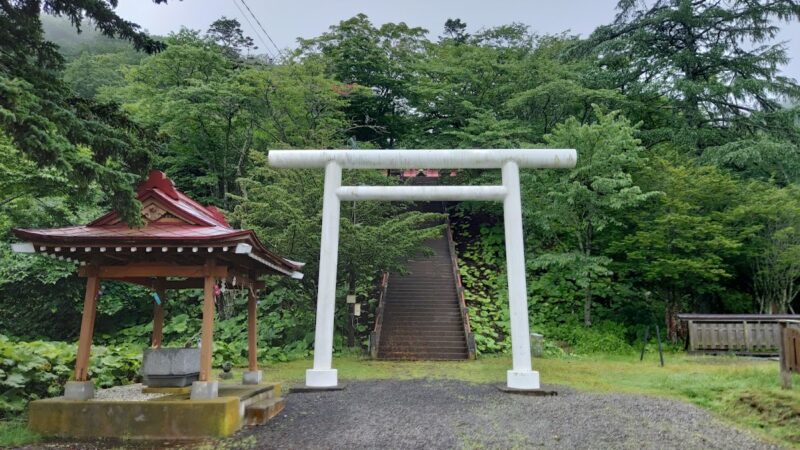
The most distinctive feature of Otaru Inari Shrine is its steep approach. The slope leading from below Temiya Park to the shrine is called “Encouragement Hill,” and its gradient reaches a maximum of 22%. The road sign also displays “22%,” making it a truly steep climb that makes you want to exclaim, “Is this mountain climbing?!”
Climbing this slope has a spiritual significance, representing a departure from the hustle and bustle of everyday life, a purification of mind and body, and entry into a sacred area. Those who are not confident in their physical strength can use the route from the Temiya Park parking lot, which makes the visit relatively easier.
Shrine Building and Grounds
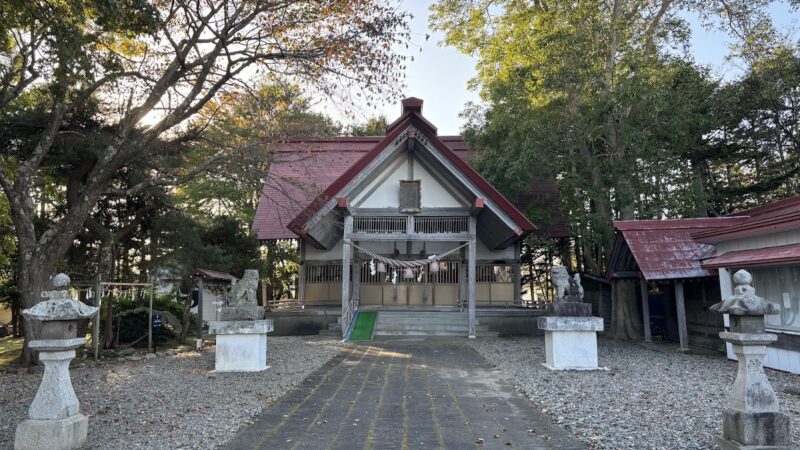
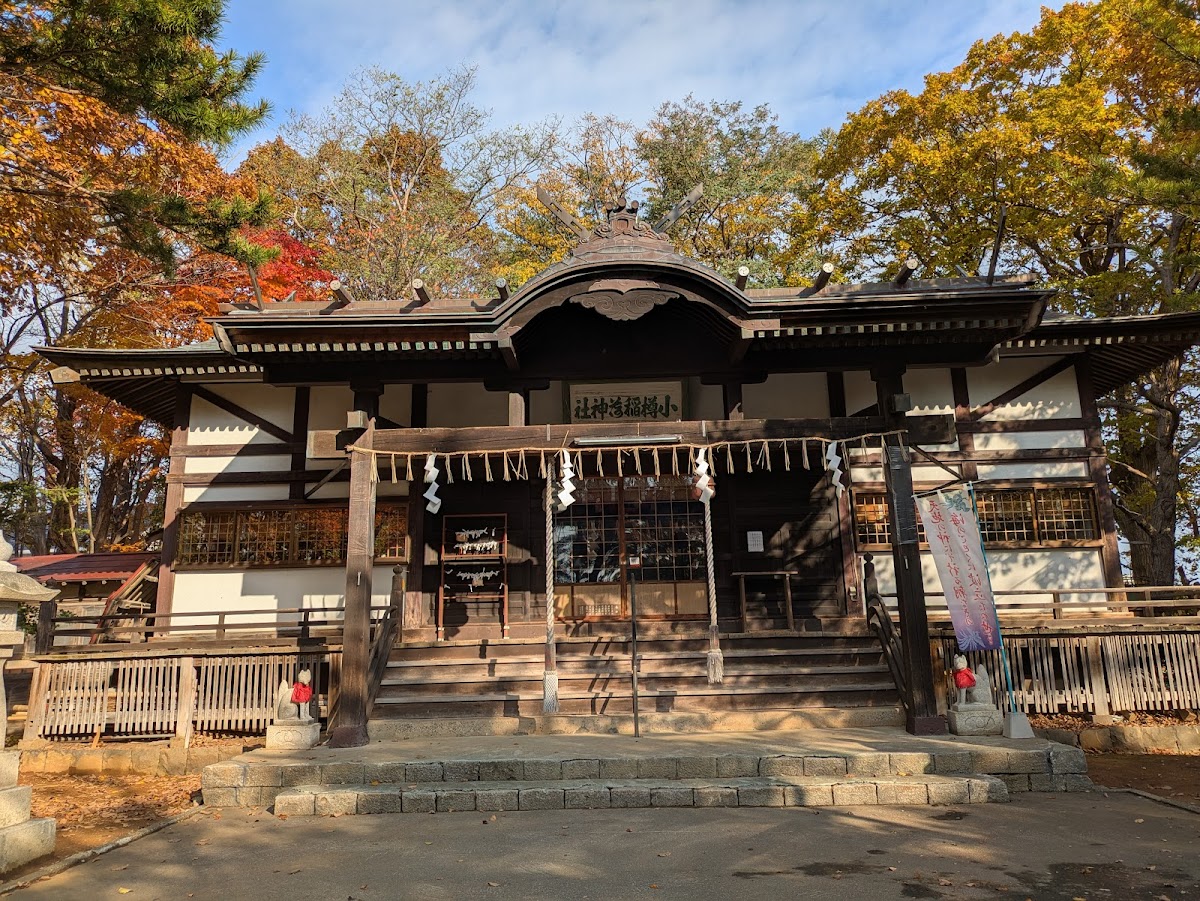
The shrine grounds, which appear after climbing the steep slope, are surprisingly well-maintained and do not feel neglected. Located on a hill, it offers views of Otaru city and harbor, allowing for a tranquil atmosphere during worship.
The shrine building has undergone several repairs since its relocation and reconstruction in 1909 (Meiji 42). Its location adjacent to Temiya Park provides a natural environment, allowing visitors to enjoy the scenery of each season.
Annual Festival “Temiya Matsuri”
Dates and Overview
The annual festival of Otaru Inari Shrine is held every year in early June (usually June 7th-9th, or June 9th-11th) and is affectionately known as “Temiya Matsuri.” The festival day is June 9th, and it is a deeply rooted local festival that colors the early summer in Otaru.
Worship at the Temporary Shrine
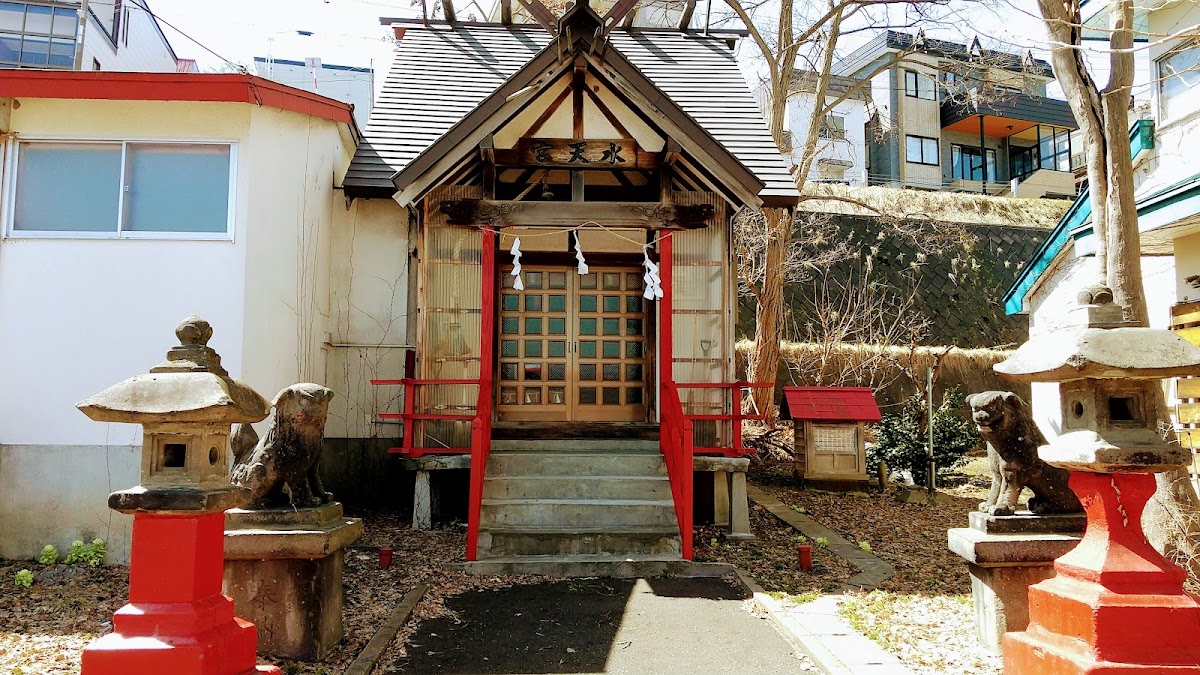
During the Temiya Matsuri, a temporary shrine called “Otabisho” is set up at the bottom of the hill so that worshippers can visit without having to climb the steep slope. This is a temporary shrine used when the portable shrine is being carried through the streets, and worshippers can pray here.
Consideration has been given to making it easy for those who are not confident in their physical strength or families with small children to visit, and it is bustling with many worshippers. Stalls and other vendors are also set up, making it a beloved local festival.
Significance of the Festival
As the annual grand festival of a historic shrine dating back to the Edo period, the Temiya Festival also plays a role in strengthening the bonds of the local community. Even today, it serves as an important opportunity to pass on the region’s history and culture to future generations through traditional Shinto rituals.
Goshuin (Shrine Seal) Information
Issuance of Goshuin
Otaru Inari Shrine offers goshuin (shrine seals). Many visitors receive them as proof of their visit and as a memento of their trip.
Goshuin are issued at the shrine office, but since priests may not always be present, it is recommended to contact the shrine in advance if you wish to be sure to receive one. They are especially likely to be issued during the annual grand festival period.
About Goshuincho (Shrine Seal Books)
While it is common to bring your own goshuincho, if you do not have one, you may be able to receive a pre-printed goshuin. When visiting shrines in Hokkaido, Otaru Inari Shrine is one of the shrines of high historical value where you should definitely get a goshuin.
Access Methods
Location
Address: 2-chome, Temiya, Otaru City, Hokkaido (Some sources list it as Suehiro-cho)
Located on a hill adjacent to Temiya Park.
Access by Bus
Nearest Bus Stop: Temiya Terminal (or Temiya Bus Stop)
From Otaru Station, take one of the following Hokkaido Chuo Bus routes:
- Routes 2 & 3 (Otaru City Main Line)
- Route 12 (Akaiwa Line)
- Other buses bound for Takashima/Temiya
The ride takes approximately 10-15 minutes.
From Temiya Bus Stop to the Shrine:
- Approximately 15-20 minutes on foot
- This route involves a steep uphill climb (maximum gradient of 22%), making it suitable for those with strong legs.
Access by Car
Recommended Route: Use the Temiya Park Parking Lot
Temiya Park has a free parking lot, and parking here before heading to the shrine is the most convenient option. The path from the parking lot to the shrine is relatively gentle.
You can reach the shrine by setting your car navigation system to “Temiya Park” or “Otaru Inari Shrine,” but be careful when driving as the roads around the shrine are narrow.
Access on Foot
Walking from Otaru Station takes approximately 2.5-3 km and 40-50 minutes. There are steep hills along the way, so this is recommended for those confident in their physical fitness.
It’s located somewhat away from city center tourist spots such as the Otaru Canal and Sakaimachi Street, so be mindful of your time allocation if you include it in your sightseeing route.
Nearby Tourist Spots
Temiya Park
Temiya Park, adjacent to the shrine, is a popular viewpoint offering panoramic views of Otaru city. It’s also known as a cherry blossom viewing spot, attracting many visitors in spring. The park has playground equipment, making it enjoyable for families.
Former Temiya Line Site
The abandoned railway line of the Temiya Line, Hokkaido’s first railway, has been developed into a walking path. Enjoy a stroll along the nostalgic promenade where the railway tracks remain, while feeling the weight of history.
Otaru City Museum (Main Building)
Located in the Temiya district, this museum offers insights into Hokkaido’s railway history and the history of Otaru. With exhibits including steam locomotives, it’s especially recommended for railway enthusiasts.
Otaru Canal and Sakaimachi Street
A classic Otaru tourist spot. While a bit of a distance from Otaru Inari Shrine, it’s a place you should definitely visit if you’re in Otaru. Enjoy a stroll along the canal lined with retro buildings, and shop for glass crafts, sweets, and more.
Manners and Points for Visiting a Shrine
Etiquette for Visiting a Shrine
- Bow before passing through the torii gate: This is a courtesy when entering the sacred area.
- Purify your body and mind at the water basin: Purify your left hand, right hand, and mouth in that order.
- Two bows, two claps, one bow: This is the basic etiquette before the shrine.
- Worship quietly: Be mindful that this is a sacred place.
Suitable Time to Visit a Shrine
Spring (April-June):
- The cherry blossoms in Temiya Park are beautiful this season.
- The annual festival, “Temiya Matsuri,” is held in June.
- The weather is mild, making it ideal for visiting a shrine.
Summer (July-August):
- The lush green grounds are refreshing.
- It is cooler than the city due to its elevated location.
Autumn (September-November):
- The autumn leaves are beautiful this season.
- Visiting the shrine in the crisp, clear air is a pleasant experience.
Winter (December-March):
- The snowy scenery is magical.
- However, be careful as the slopes may be icy.
- The shrine office is often closed during winter.
Clothing and Items to Bring
- Comfortable Clothing: Since you will be climbing steep slopes, comfortable walking shoes such as sneakers are essential.
- Winter Cold Weather Protection: Hokkaido winters are harsh, so dress warmly.
- Drinks: Hydration is especially important when climbing slopes in summer.
- Goshuincho (Shrine Stamp Book): Bring one if you wish to receive a Goshuin (shrine stamp).
Cultural Value of Otaru Inari Shrine
Position in the History of Hokkaido’s Development
Otaru Inari Shrine was founded in 1690 (Genroku 3), an extremely early period for a shrine in Hokkaido. This was during a time when the activities of the Japanese were gradually expanding under the rule of the Matsumae Domain, making it a valuable example of the history of faith in Ezo (Hokkaido).
Considering that the predecessor of Sapporo Shrine (now Hokkaido Shrine), considered the oldest shrine in Sapporo, was founded in 1855, Otaru Inari Shrine predates it by 165 years, occupying an important position as a pioneer of shrine worship in Hokkaido.
Connection with the Local Community
Throughout the Meiji, Taisho, and Showa eras, Otaru Inari Shrine has consistently functioned as a spiritual pillar of the local community. Its history of preserving faith despite repeated relocations demonstrates the deep devotion of local residents to the shrine.
Even today, the “Temiya Festival” is passed down as an important annual event in the community, playing a role in strengthening community bonds across generations.
Architecture and Landscape
Its location on a hilltop symbolizes the shrine’s history of watching over Otaru’s development as a port town. From its position overlooking the city, the shrine has continuously witnessed Otaru’s prosperity and transformation.
The steep approach to the shrine is not merely a geographical feature; it holds spiritual significance as a boundary between the secular world and the sacred realm, offering visitors a special experience.
Summary: The Charm of Visiting Otaru Inari Shrine
Otaru Inari Shrine, as one of Hokkaido’s oldest shrines, possesses value far beyond that of a mere tourist attraction. Since its founding in 1690 (Genroku 3), it has continuously attracted the faith of the local community for over 330 years, making it a living witness to the history of Hokkaido’s development.
The three enshrined deities—Ukemochi-no-kami, Omononushi-no-kami, and Sugawara no Michizane—comprehensively protect people’s wishes for stability in life, commercial prosperity, and academic advancement.
The steep approach, known as the “Encouragement Hill,” presents a challenge to visitors, while simultaneously highlighting the sense of accomplishment upon reaching the top and the tranquility of the sacred grounds. The view of Otaru from the hilltop presents a special landscape where history and modernity intersect.
The Temiya Festival, held every June, is a precious opportunity to witness the community’s continued preservation of tradition. The festival is designed so that even those unable to climb the steep slope can participate, thanks to the presence of a temporary shrine for worship.
When visiting Otaru, be sure to visit not only the classic spots like the canal and Sakaimachi Street, but also this historic Otaru Inari Shrine. You’ll experience the depth of Hokkaido’s history and the deeply rooted form of faith in the region. Receiving a Goshuin (shrine stamp) and recording it as part of your Hokkaido shrine pilgrimage is also highly recommended.