Asari Shrine Complete Guide: A Thorough Explanation of its History, Goshuin (Shrine Seals), and the Charm of its Annual Festival [Otaru City, Hokkaido]
Asari Shrine, located in the Shinko district of Otaru City, Hokkaido, boasts a history dating back to the Edo period, yet remains a beloved and approachable shrine for local residents. This article comprehensively covers information useful for those considering a visit, including the shrine’s history, access methods, how to obtain its goshuin (shrine seal), and highlights of its annual festival.
What is Asari Shrine?: A Historic Shrine in Otaru City, Hokkaido
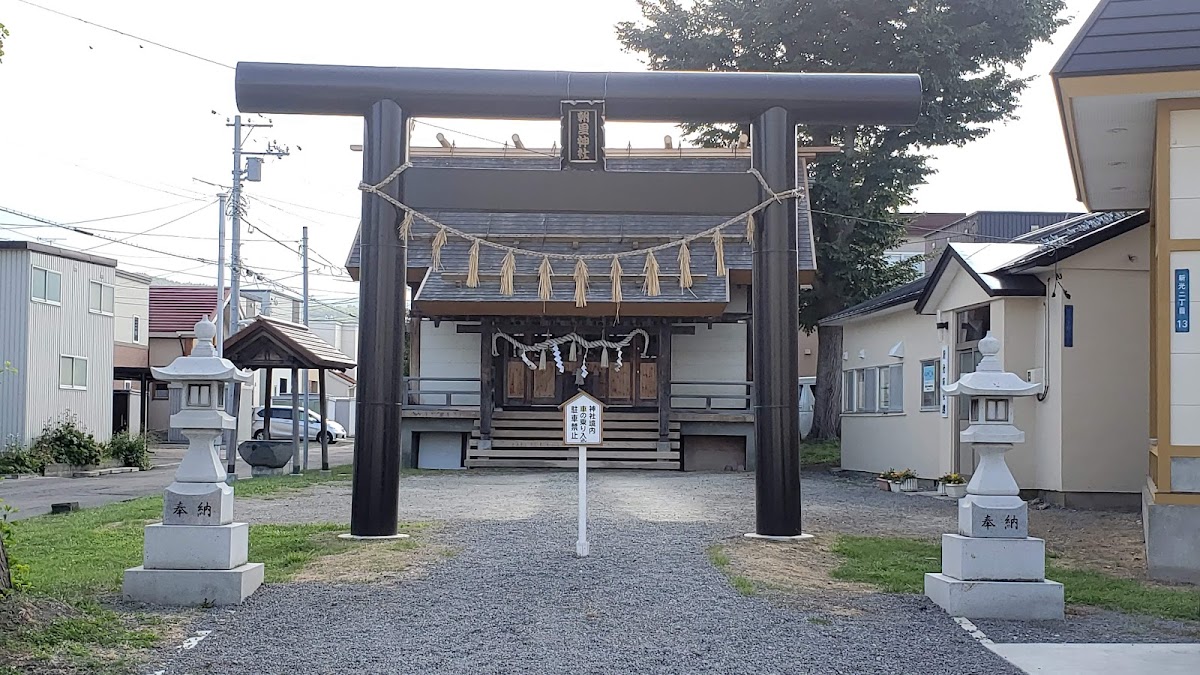
Asari Shrine is located at 2-13-5 Shinko, Otaru City, Hokkaido, approximately a 12-minute walk from Asari Station on the JR Hakodate Main Line. Currently, it operates as an unmanned shrine, but thanks to the diligent management of local residents, its grounds are kept clean and beautiful.
Deities and Beliefs
The deity enshrined at Asari Shrine is Inari Okami, known as the god of abundant harvests and business prosperity. From its founding, the shrine has centered on Inari worship, watching over the development of the region and the peace and well-being of its residents. It played a vital role as a center of faith during the pioneering period of Hokkaido, and in modern times, as a spiritual pillar of the local community.
Features of the Shrine Grounds
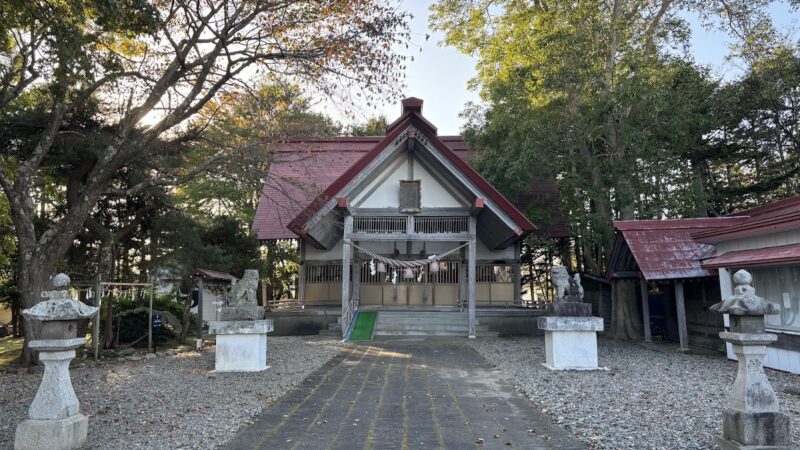
The shrine grounds cover approximately 300 tsubo (about 990 square meters), a compact yet well-maintained space. The shrine building was rebuilt in 1984 and is sturdily constructed to suit Hokkaido’s climate. The Asari Town Community Center (now Shinko Higashi Community Center) is located within the grounds and is also used as a meeting place for local residents. This community center was built around 1958 and also served as the shrine office.
History of Asari Shrine: From Inari Shrine to Asari Shrine
The history of Asari Shrine spans nearly 190 years, walking hand in hand with the history of Hokkaido’s pioneering. Let’s take a closer look at its transformations.
From Founding to Village Shrine Status (1834-1875)
Asari Shrine was founded in 1834 (Tenpo 5) as an Inari Shrine. This period was the end of the Edo period, when the development of Hokkaido (then known as Ezo) was beginning in earnest. It is believed that the settlers in the Otaru area founded the shrine to pray for a bountiful harvest and stable lives.
In 1875 (Meiji 8), it was designated a village shrine, officially recognized as a public place of worship in the region. According to the detailed records from 1902 (Meiji 35), the shrine building at that time measured 3 ken wide and 5 ken deep, with a grounds area of 255 tsubo and 148 worshippers.
Relocation and Name Change (1915)
In November 1915 (Taisho 4), due to the aging of the shrine building, it was relocated to its current location. Upon this relocation, the shrine received a donation of approximately 300 tsubo (about 990 square meters) of land from local residents, and simultaneously changed its name from “Inari Shrine” to “Asari Shrine.”
This name change is thought to have been intended to establish a more community-based identity by incorporating the local place name. The name Asari is believed to originate from the Ainu word “chashi-nai” (river with a fort), reflecting the historical background of the region.
Post-War Development and the Present (1953-Present)
In 1953 (Showa 28), the shrine acquired legal corporate status as a religious corporation, and a modern shrine management system was established. Around 1958 (Showa 33), the Asari Town Community Center was constructed next to the shrine building and began to be used as the shrine office. This center also functioned as a place for local residents to interact, demonstrating that the shrine had evolved beyond a mere place of worship into a central hub of the local community.
In August 1984 (Showa 59), the aging shrine building was rebuilt, and a grand ceremony for the relocation and celebration was held. In 1989 (Heisei 1), a new entertainment stage was constructed, allowing for more substantial events during the annual festival and other occasions.
How to Access Asari Shrine
For those planning a visit to Asari Shrine, we provide detailed access information.
Access by Train
The nearest station is Asari Station on the JR Hakodate Main Line. The shrine is approximately a 12-minute walk from the station, about 800-1,000 meters. Asari Station is the third station from Otaru Station towards Hakodate, about 10 minutes by local train.
After leaving the station, head towards National Route 5 and look for Shinko Elementary School. The shrine is located across from Shinko Elementary School, so using the school as a landmark will make it easy to find.
Access by Car and Important Notes
If traveling by car from Sapporo, use National Route 5 or the Sapporo-Otaru Expressway. If using the Sapporo-Otaru Expressway, exit at the Asari Interchange and it’s approximately a 5-minute drive.
Important Note: The road leading to the shrine is narrow and is a school route for elementary school children. During school hours (weekdays, 7:30-8:30 AM and 2:00-4:00 PM), there are many children, so please avoid these times or drive with extreme caution.
Parking is limited, so during busy periods such as the annual festival, we recommend using public transportation.
Address and Map Information
Official Address: 2-13-5 Shinko, Otaru City, Hokkaido 047-0152
Shinko Elementary School is nearby, and the shrine is located in a residential area. Due to the quiet environment, please be considerate of nearby residents when visiting.
Asari Shrine’s Goshuin (Shrine Seal): How to Obtain and Points to Note When Visiting
Asari Shrine is an unmanned shrine, but it is possible to receive a goshuin (shrine seal). Here, we will explain how to obtain a goshuin and points to note when visiting.
How to Obtain a Goshuin at an Unmanned Shrine
Asari Shrine is an unmanned shrine without resident priests or shrine maidens. Therefore, the method of obtaining a goshuin differs from that of a typical shrine.
Generally, there are one of the following ways to obtain a goshuin at an unmanned shrine:
- Pre-printed Goshuin Available: Pre-printed goshuin may be available at the shrine office or reception area.
- Mail Order: You can contact them in advance and have the goshuin mailed to you.
- Only Available on Special Days: The goshuin may be given directly when the chief priest is present on specific days, such as during the annual festival.
In the case of Asari Shrine, according to visitor reports, it seems that goshuin for specific dates (e.g., June 6th, 2024) may be available. Those wishing to receive a Goshuin (temple/shrine stamp) are advised to contact the Hokkaido Shrine Association or the relevant shrine in advance.
Precautions for Visiting
When visiting Asari Shrine, please note the following:
Regarding the Water Basin: According to visitor reports, a water basin is installed, but the water may not be flowing. Those wishing to cleanse their hands and mouths are advised to bring clean water in a plastic bottle or similar container.
Visiting Hours: As it is an unmanned shrine, it is generally open 24 hours a day. However, visiting at night or early in the morning should be avoided out of consideration for nearby residents. Also, if the shrine is located along a school route, it is recommended to avoid school hours.
Manners on the Shrine Grounds: Even though it is unmanned, it remains a sacred place. Please pray quietly and always take your trash with you. It is also important to treat the shrine buildings and grounds with care.
Regarding Goshuincho (Stamp Books)
Information is limited regarding whether original Goshuincho are available, but it is possible that a standard Goshuincho will be accepted. Those who enjoy collecting Goshuin (temple/shrine stamps) as a hobby may want to visit this shrine along with other shrines in Hokkaido.
Asari Shrine Grand Festival: A Summer Tradition
The Asari Shrine Grand Festival is the largest event in the region, held annually at the end of August. We will introduce the charm of this traditional festival, which is prepared and enlivened by the entire community.
Grand Festival Schedule and Overview
The Asari Shrine Grand Festival is held annually over two days, August 30th and 31st. The 2025 festival is also scheduled for August 30th (Sat) and 31st (Sun).
This festival is more than just a religious event; it is a valuable opportunity to deepen the bonds among community members and create summer memories. It combines traditional Shinto rituals with modern events, making it enjoyable for people of all ages.
Shinto Rituals and Events
Mikoshi Procession: The highlight of the Grand Festival is the Mikoshi procession, held on August 31st. The portable shrine (mikoshi) parades through the community, praying for a bountiful harvest and the safety of the region. Children aged 5-6 can participate in the mikoshi procession as “Ochigo-san” (child participants), and applications are accepted annually.
Kagura Dedication: Traditional Kagura (sacred Shinto music and dance) is dedicated, offering gratitude and prayers to the gods. This is a rare opportunity to see the unique style of Kagura found in Hokkaido.
Karaoke Contest: A karaoke contest with three categories is held for local residents, and participants are being recruited. This is a modern event that fosters interaction and camaraderie among community members.
Food Stalls and Booths: Food stalls run by local residents offer food, drinks, games, and more. Events for children are also available, making it ideal for families.
How to Participate in the Grand Festival
The Grand Festival is generally open to anyone for participation and viewing. However, prior application is required to participate as an Ochigo-san or in the karaoke contest. Details will be announced by local organizations such as the “Otaru-Asari Community Development Association” and local information media such as Asarigawa Press.
Volunteers are also being recruited for the shrine, and you can participate in the preparation and operation of the festival. Participation from outside the area is also welcome, so please inquire if you are interested.
Asari Shrine and the Local Community
Asari Shrine functions as more than just a place of worship; it is a central hub for the local community. Let’s take a closer look at its role and its connection to the community.
The Role of Shinko Higashi Kaikan (Former Asari Town Hall)
The Shinko Higashi Kaikan, located within the shrine grounds, was originally built around 1958 as the Asari Town Hall. While functioning as the shrine office, it has also been used as a meeting place for local residents.
Even today, it is used for various local meetings, events, and gatherings, serving as an important facility connecting the shrine and local residents. The performance stage, newly built in 1989, is also used for the annual festival and other events.
Management and Preservation by Local Residents
Despite being an unmanned shrine, the grounds of Asari Shrine are kept clean and beautiful thanks to the dedicated management of local residents. Regular cleaning, grass cutting, snow removal, and other seasonal maintenance are carried out by local volunteers.
These activities are a manifestation of the residents’ determination to protect the shrine not merely as a historical building, but as a “living community asset.”
Supporter System and Community Participation
Asari Shrine is always recruiting shrine supporters (volunteers). Supporters are involved in cleaning and maintaining the shrine grounds, preparing for and running the annual festival, etc.
This system welcomes participation not only from local residents but also from those outside the Asari area, and serves as a place for new community formation through the shrine. It also functions as an opportunity for people who have moved to Otaru City or Hokkaido to integrate into the community.
Attractions Around Asari Shrine
When visiting Asari Shrine, you can also enjoy the surrounding tourist spots.
Asarigawa Onsen
Located about a 10-minute drive from Asari Shrine, Asarigawa Onsen is one of Otaru’s leading hot spring resorts. This hot spring town, surrounded by abundant nature, boasts numerous day-trip bathing facilities. Refreshing yourself in the hot springs after visiting the shrine is highly recommended.
Asarigawa Flood Control Green Space
This green space, developed along the Asarigawa River, is perfect for strolls and picnics. Enjoy the changing seasons with cherry blossoms in spring, lush greenery in summer, and vibrant autumn leaves.
Otaru City Tourist Spots
Otaru Station is about a 10-minute train ride from Asari Station. It’s easy to access Otaru’s representative tourist spots, such as the Otaru Canal, Sakaimachi Street, and the Otaru Music Box Museum. A day trip combining a visit to Asari Shrine and sightseeing in Otaru is also recommended.
The Four Seasons of Visiting Asari Shrine
Asari Shrine, a shrine in Hokkaido, displays different expressions in each of the four seasons.
Spring (April-June)
Spring arrives at the temple grounds as the snow melts. Spring in Hokkaido, which is late, truly begins around May, and it’s a beautiful season of fresh greenery. Cherry blossoms may even bloom around Golden Week.
Summer (July-September)
This is the busiest season. The annual festival at the end of August is the highlight of summer, attracting many worshippers and spectators. Hokkaido summers are cool, making it ideal weather for visiting the temple.
Autumn (October-November)
This is a beautiful season for autumn foliage. The trees on the temple grounds change color, creating a tranquil atmosphere for worship. Autumn in Hokkaido is short, and the first snow may fall in late October.
Winter (December-March)
The temple grounds, covered in snow, present a serene beauty. While there are visitors for New Year’s prayers, caution is needed as the ground can be slippery. Be sure to dress warmly for your visit.
Manners and Etiquette for Visiting Asari Shrine
This section introduces basic manners and etiquette for visiting a shrine.
Basic Etiquette for Visiting a Shrine
- Passing Through the Torii Gate: Bow before passing through the torii gate. Since the center of the path is considered the path of the gods, walk along the sides.
- Purification at the Water Basin: At Asari Shrine, the water at the water basin may not be running, so it is important to purify yourself with water you brought with you or to purify yourself mentally.
- Praying at the Main Hall: The basic method is two bows, two claps, one bow (two bows, two claps, one bow). Place your offering, ring the bell, bow deeply twice, clap twice, offer your prayer, and then bow deeply once more.
Considerations Unique to an Unmanned Shrine
As this is an unmanned shrine, please pay particular attention to the following points:
- Maintain Cleanliness: Always take your trash with you and avoid littering the shrine grounds.
- Be Quiet: Pray quietly without speaking loudly or making noise.
- Respect the Facilities: Handle the shrine buildings and facilities on the grounds with care.
- Photography: Photography is permitted, but please be considerate of other visitors.
Asari Shrine and Hokkaido’s Shrine Culture
Asari Shrine is an interesting place to understand Hokkaido’s shrine culture.
Characteristics of Shrines in Hokkaido
Shrines in Hokkaido have several characteristics compared to those in Honshu:
- Recent History: Many were founded after the Meiji era, making Asari Shrine, founded in 1834 (Tenpo 5), relatively old.
- Connection to Settlement: Many were established as centers of faith for settlers.
- Adaptation to Harsh Climate: Shrine structures designed to withstand heavy snowfall and cold.
- Close Relationship with Local Communities: In areas with low population density, shrines serve as important gathering places.
Relationship with the Hokkaido Association of Shrines
Asari Shrine belongs to the Hokkaido Association of Shrines, and detailed information is available on their website. The Hokkaido Association of Shrines oversees shrines throughout Hokkaido, providing support for the training of Shinto priests and the maintenance of shrines.
Summary: The Charm and Value of Visiting Asari Shrine
Asari Shrine, with its nearly 190-year history, is a fascinating shrine that continues to function as a central hub for the modern local community.
Main Attractions of Asari Shrine:
- A historic shrine founded in 1834 (Tenpo 5)
- An interesting history of being renamed from Inari Shrine to Asari Shrine
- Grounds beautifully maintained by local residents despite being unmanned
- A grand annual festival held at the end of August
- A central role in the local community
- Convenient location for combining with Otaru sightseeing
Asari Shrine may not have the grandeur of large tourist shrines, but it is a simple and warm shrine deeply rooted in the community. You can feel the history of Hokkaido’s development while experiencing the shrine’s long-standing presence in the faith and lives of local residents.
When you visit Otaru, be sure to take a short detour to visit Asari Shrine. You can find peace of mind in its tranquil grounds and spend a precious time reflecting on Hokkaido’s history and culture. Visiting during the annual festival will allow you to directly feel the vitality of the community and the spirit of tradition.
Asari Shrine is a hidden treasure of Otaru, continuing to convey the essence of Hokkaido’s shrine culture to its visitors.