Inari Shrine (Haruka-cho, Otaru City, Hokkaido) | History and Visitor Guide to Hariusu Inari Shrine
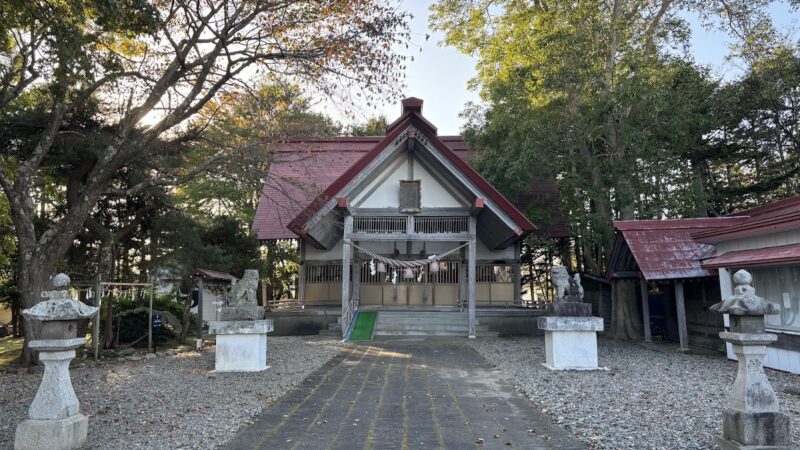
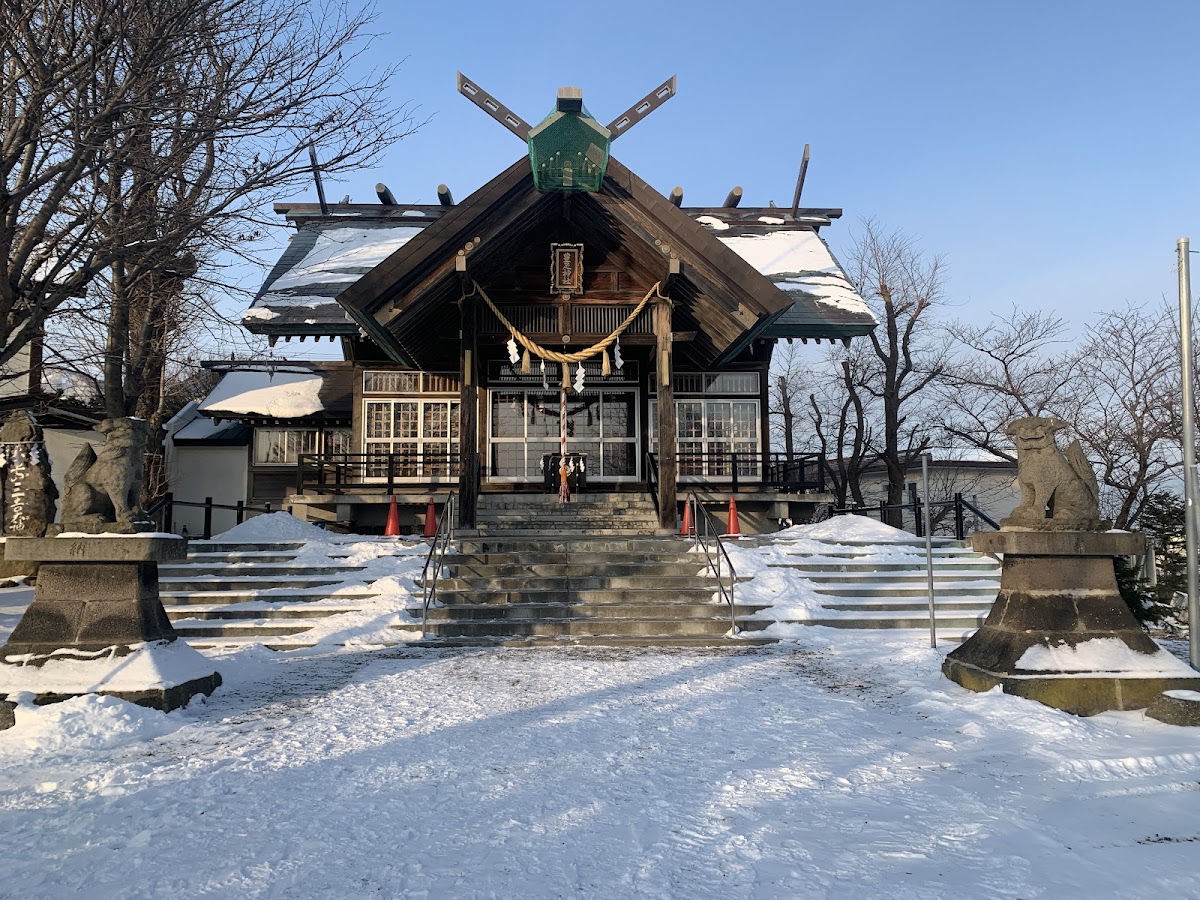
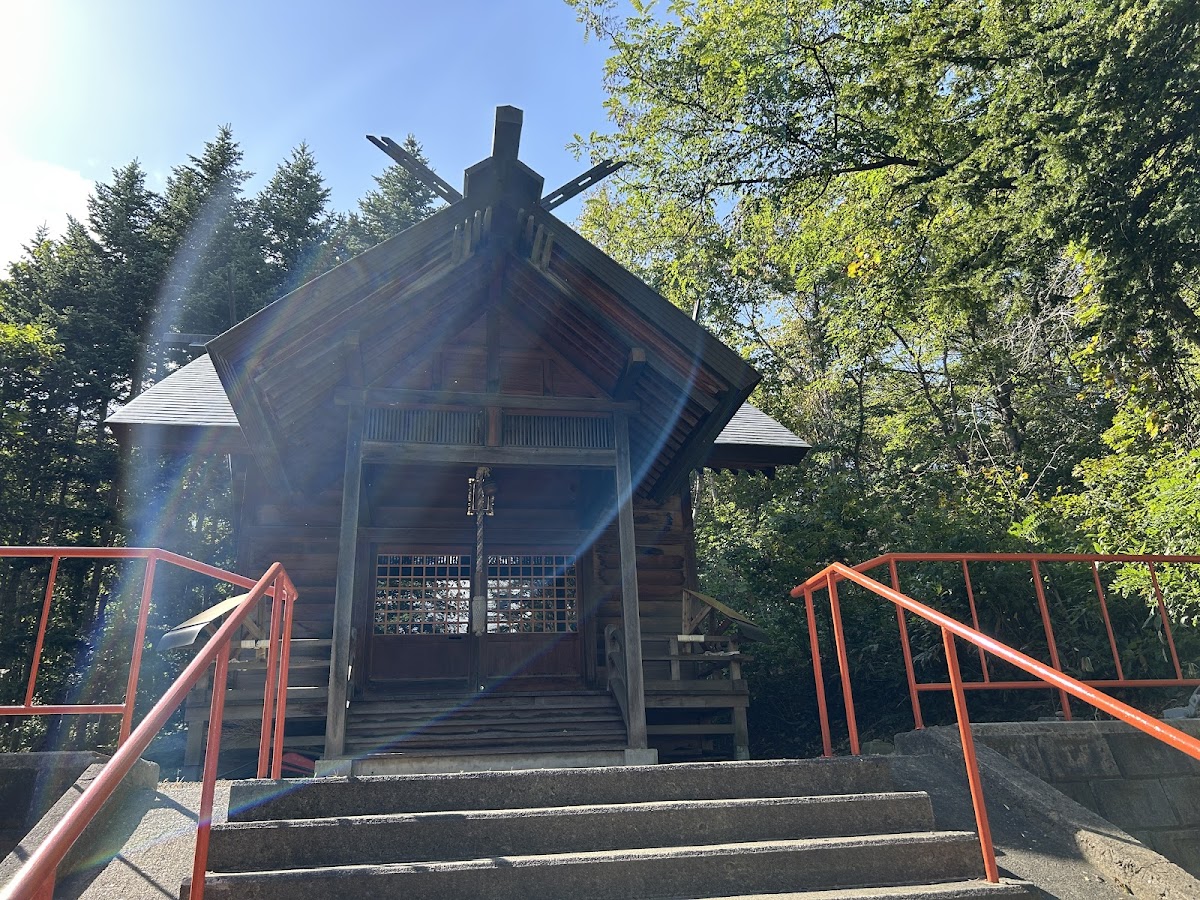
Located in Haruka-cho, Otaru City, Hokkaido, the Inari Shrine, officially known as “Hariusu Inari Shrine,” is a historic shrine founded in 1690 (Genroku 3). Situated at a key transportation hub along National Route 5, it has attracted the faith of the local community for over 300 years. This article provides a detailed overview of this venerable Hokkaido shrine, including its history, enshrined deities, annual festival, goshuin (shrine stamp) information, and access methods.
Basic Information on Inari Shrine (Harisu Inari Shrine)
Location and Access
Address: 291 Haruka-cho, Otaru City, Hokkaido
Postal Code: 047-0265
Corporate Number: 6430005007909 (Date of Corporate Number Assignment: October 5, 2015)
Harisu Inari Shrine is located along National Route 5 (Sapporo-Otaru National Highway), making it relatively easy to find when traveling from Sapporo towards Otaru. It is easily accessible by car, and its location along the national highway makes it convenient for visitors from afar.
Shrine Rank and Status
The Inari Shrine, designated a village shrine in 1875 (Meiji 8), is an official shrine belonging to the Hokkaido Shrine Association. While there are several Inari shrines in Hokkaido, the Inari Shrine in Haruka-cho is known as one of the shrines with a particularly long history.
History of Harisu Inari Shrine
Founded in 1690
The Inari Shrine is believed to have been founded in 1690, during the mid-Edo period. During this time, Hokkaido (then known as Ezo) was experiencing a boom in fishing and trade under the rule of the Matsumae Domain, with an increase in settlers and merchants from Honshu. Inari worship was widely practiced as a deity of business prosperity and abundant harvests, and it is believed the shrine was established in conjunction with the region’s development.
Reconstruction and Development in the Meiji Era
The shrine was rebuilt in 1869. This was also the year that the name Hokkaido was officially established, marking the beginning of the Meiji government’s full-scale development of Hokkaido. Later, in 1875, it was designated a village shrine, establishing its status as a formal local shrine.
The designation as a village shrine indicates that the shrine plays an important role in the local community and is recognized as a spiritual center for Haruka Town and the surrounding areas.
Relocation in 1936
In October 1936 (Showa 11), Inari Shrine was relocated to its current location. This relocation is thought to have been due to regional development and improvements in transportation networks. The current location along National Route 5 may have been chosen with accessibility for worshippers in mind.
Reconstruction of the Shrine Building in the Heisei Era
In 2000 (Heisei 12), the shrine underwent a large-scale reconstruction of its main building, and a relocation ceremony was held in December of the same year. This was a major milestone for the shrine, which had reached its 310th anniversary since its founding. The shrine building that worshippers see today is the result of this Heisei-era reconstruction.
Deities and Divine Virtues
Uke-mochi-no-kami
Uke-mochi-no-kami, one of the main deities of Harisu Inari Shrine, is a goddess of food who appears in the *Nihon Shoki* (Chronicles of Japan). She is said to have produced various foods from her mouth and is revered as the goddess of abundant harvests, the blessings of food, and the sustenance of life.
During the pioneering period of Hokkaido, when agriculture and fishing flourished, faith in Uke-mochi-no-kami, the goddess of food, was crucial to people’s lives.
Toyouke-no-Okami
Toyouke-no-Okami, the other main deity, is a god of grain and food, also known as the main deity of the Outer Shrine of Ise Grand Shrine. As the god who presides over the meals of Amaterasu-Omikami, she has long been deeply revered.
Toyouke-no-Okami is also worshipped as the guardian deity of industrial development, business prosperity, and clothing, food, and shelter, and is widely revered in connection with Inari worship.
Characteristics of Inari Worship
There are said to be approximately 30,000 Inari shrines throughout Japan, making them the most numerous type of shrine in the country. Originally worshipped as a god of agriculture and grain, over time, Inari has come to be worshipped as a deity with a wide range of divine virtues, including business prosperity, family safety, and good fortune.
Inari shrines in Hokkaido have also watched over the prosperity of the region and the lives of its people from the pioneering era to the present day.
Origin of the Place Name “Hariusu”
From the Ainu Word “Haru-ushi”
The place name “Hariusu” is believed to originate from the Ainu word “Haru-ushi.” “Haru” means “food,” and “ushi” means “a place with a lot” or “a place where there is a lot,” so it means “a place with a lot of food.”
This place name indicates that the region was blessed with abundant nature, and that seafood and mountain produce were plentiful. It is highly symbolic that an Inari shrine, dedicated to the gods of food, such as Uke-mochi-no-kami and Toyouke-no-Okami, is located in Harisu, a place whose name literally means “a place of abundant food.”
Location of Haruka-cho, Otaru City
Haruka-cho is located in the western part of Otaru City, close to the border with Sapporo City. It is a transportation hub through which National Route 5 passes, and was formerly an independent administrative area known as Harisu Village. Although now incorporated into Otaru City, the name Harisu remains as the name of the shrine and the local area.
Annual Festival and Events
Annual Festival Schedule
The annual festival of Harisu Inari Shrine is held every year on the second Sunday of June. The annual festival in 2025 (Reiwa 7) is scheduled to be held from June 7th (Saturday) to June 8th (Sunday).
The annual grand festival is the most important festival for a shrine, the most grand day of the year to worship the gods. Local parishioners and devotees gather, and events such as a portable shrine procession and Kagura (sacred dance) performances may take place.
Shrine Festivals in Otaru
Otaru has numerous shrines, each holding its own annual grand festival. While the annual grand festival of Harisu Inari Shrine is in June, other shrines hold their festivals at different times, making Otaru a lively city throughout the year with various shrine festivals.
For detailed information on the times and rituals of the annual grand festivals, please contact Tenmangu Shrine in Otaru (Tel: 0134-22-7984).
New Year’s Visit and Annual Events
In addition to the annual grand festival, Inari shrines hold various rituals throughout the year, including the New Year’s Day festival (Saitansai), Setsubun Festival, and the autumn Niiname-sai (harvest festival). Especially during the New Year’s visit period, many worshippers come to pray for good health and prosperity in business in the new year.
About Goshuin (Shrine Seals)
Issuance of Goshuin
Regarding the issuance of goshuin at Harisu Inari Shrine, we recommend contacting the shrine directly. Some shrines in Hokkaido do not have a resident priest, and some only issue goshuin on specific dates and times.
There are several Inari shrines in Otaru City; for example, Otaru Inari Shrine in the city center is known to issue goshuin. When visiting the Inari shrine in Haruka-cho, we recommend checking in advance whether goshuin are issued and when.
Goshuin Pilgrimage and Hokkaido Shrines
In recent years, “goshuin pilgrimages,” where people visit shrines while collecting goshuin, have become popular. Hokkaido has many historical shrines, each offering its own unique goshuin. Within Otaru city alone, there are many shrines, including Otaru Inari Shrine, Sumiyoshi Shrine, and Ryugu Shrine, making it a fun route for collecting Goshuin (shrine stamps).
Differences from other Inari shrines in Otaru
Relationship with Otaru Inari Shrine
There is another Inari shrine in Otaru city called “Otaru Inari Shrine.” Located in the Inaho district of Otaru city, Otaru Inari Shrine was also founded in 1690 (Genroku 3). In 1912 (Taisho 1), the shrine’s name was changed to “Otaru Inari Shrine,” and in 1931 (Showa 6), it was elevated to the status of a local shrine, making it a highly prestigious shrine.
The Inari Shrine in Haruka-cho (Harisu Inari Shrine) and Otaru Inari Shrine share the same founding year, making them important historical sites that demonstrate the simultaneous development of Hokkaido and the spread of Inari worship during that period. Although the two shrines are separate, they share a common history of Inari worship in the Otaru region.
Differences in Roles within the Region
While Otaru Inari Shrine is located in the heart of the city and developed as the guardian deity of the commercial area, Harisu Inari Shrine is located in the relatively suburban area of Haruka-cho and has functioned as a spiritual pillar for the local community. Its location along National Route 5 also attracts visitors praying for safe travels.
Manners and Etiquette for Visiting Shrines
Basic Principles of Shrine Visits
When visiting a shrine, please observe the following basic manners:
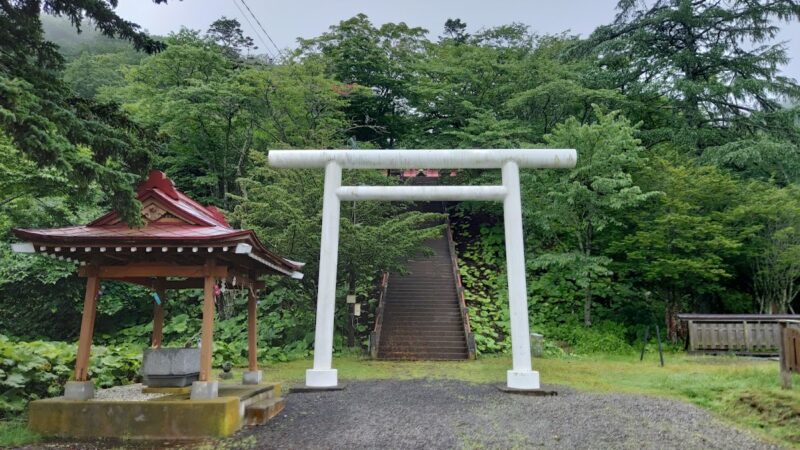
- When passing through the torii gate: Bow before entering the shrine grounds.
- Purification at the water basin: Purify your left hand, then your right hand, then your mouth.
- Walking along the approach to the shrine: Walk along the sides, as the center is considered the path of the gods.
- Etiquette at the main hall: The basic procedure is two bows, two claps, and one bow.
Specific Worship at Inari Shrines
Inari shrines often have statues of foxes, considered messengers of Inari. These fox statues are cherished as divine messengers, so show them respect when visiting.
Also, since fried tofu, rice, and sake are considered favorite foods at Inari shrines, it is customary to offer these as offerings.
Combining a visit with nearby tourist attractions
Combining with Otaru sightseeing
Harisu Inari Shrine is located midway between Sapporo and Otaru, making it possible to combine a visit with sightseeing in Otaru. It’s about a 20-minute drive to Otaru city center, allowing you to visit before or after sightseeing at places like the Otaru Canal, Sakaimachi Street, and the Otaru Music Box Museum.
Historical sites along National Route 5
National Route 5 is a historic road connecting Sapporo and Otaru, and there are many historical sites and points of interest along its route. When visiting Harisu Inari Shrine, exploring the surrounding historical sites will allow you to gain a deeper understanding of the history of Hokkaido’s development.
Hokkaido’s shrine culture and Inari worship
History of shrines in Hokkaido
Many of Hokkaido’s shrines were built by people who migrated from Honshu during the Meiji era and subsequent pioneering period. However, shrines like Harisu Inari Shrine, founded during the Genroku era (1688-1704), are valuable evidence that people had settled in Hokkaido and practiced religious life even before that time.
Spread of Inari Faith
Inari faith spread throughout Japan, with Fushimi Inari Taisha in Kyoto as its head shrine. In Hokkaido, pioneers invited divided spirits from their hometown Inari shrines and prayed for abundant harvests and business prosperity in their new land. Sapporo’s Fushimi Inari Shrine (founded in 1884) and the various Inari shrines in Otaru have this historical background.
Role of the Hokkaido Shrine Association
The Hokkaido Shrine Association is the organization that oversees shrines throughout Hokkaido, responsible for shrine maintenance, priest training, and the transmission of Shinto rituals. Harisu Inari Shrine is also affiliated with the Hokkaido Shrine Association and continues to preserve traditional Shinto rituals and festivals.
The Association of Shinto Shrines provides information on the basics of Shinto rituals and annual events, as well as guidance on Gagaku (ancient Japanese court music), striving to promote Shinto culture.
Connection with the Local Community
Parishioners and Worshippers
Harisu Inari Shrine has long been revered by local residents as the tutelary shrine of Haruka-cho and the surrounding areas. Parishioners cooperate in the maintenance and management of the shrine and the operation of the annual festival, protecting the shrine across generations.
Center of the Local Community
The shrine has functioned not only as a place of worship but also as a place for community interaction. Events such as the annual festival and New Year’s visits are important opportunities for local residents to gather and deepen their bonds.
Significance of Inari Shrines in Modern Times
Inheritance of History
With a history of over 330 years since Genroku 3 (1690), Harisu Inari Shrine embodies the history of Hokkaido itself. Shrines that have survived through the Edo, Meiji, Taisho, Showa, Heisei, and Reiwa eras are at the core of the region’s historical identity.
A Place of Spiritual Support
Even in modern society, shrines play an important role as a place of spiritual support for people. Many people visit shrines to pray at life’s milestones, to express daily gratitude, and to find emotional support during difficult times.
Harmony with Nature
Shrine grounds are also valuable green spaces in today’s increasingly urbanized world. The nature that has been protected as a sacred area contributes to the preservation of ecosystems and the protection of the local environment.
Summary
The Inari Shrine (Harisu Inari Shrine), located at 291 Haruka-cho, Otaru City, Hokkaido, is a venerable shrine with a long history, founded in 1690 (Genroku 3). It enshrines Uke-mochi-no-kami and Toyouke-no-Okami as its deities and is known for its divine blessings of abundant harvests, business prosperity, and family safety.
Designated a village shrine in 1875, it was moved to its current location in 1936, and its main hall was renovated in 2000. It continues to attract the faith of the local community to this day. The annual grand festival is held on the second Sunday of June, drawing large crowds of worshippers.
Located along National Route 5, it boasts convenient access, making it easily accessible for those visiting Otaru. In the area of Harisu, whose name derives from the Ainu word “Haru-ushi” (meaning “place with abundant food”), this Inari shrine, dedicated to the gods of food, is a valuable reminder of Hokkaido’s history and culture.
When visiting Hokkaido, be sure to stop by this historic Inari shrine and experience this place of worship that has been passed down for over 300 years.