Complete Guide to Toyotari Shrine | Goshuin (Shrine Seal), Access, and Highlights of this Historic Shrine in Zenibako, Otaru
Toyotari Shrine, located in Zenibako, Otaru City, Hokkaido, is a venerable shrine with a history of over 240 years, founded in 1780. Situated on a hill just behind JR Zenibako Station, it captivates visitors with its spectacular views of Ishikari Bay and its historical sites. This article will introduce you to the charms of Toyotari Shrine in their entirety, from its detailed history, enshrined deities, access methods, goshuin information, and even the valuable exhibits within the shrine grounds.
Toyotari Shrine, located in Zenibako, Otaru City, Hokkaido, is a historic shrine with a history of over 240 years, founded in 1780. ## Basic Information about Toyoashi Shrine
Location: 2-9-10 Zenibako, Otaru City, Hokkaido
Former Shrine Rank: Village Shrine
Deities Enshrined: Toyouke-no-Okami, Fujiwara-no-Miyoshi-no-Mikoto, Okuninushi-no-Okami
Annual Festival Date: September 15th
Jurisdiction: Hokkaido Shrine Association
Toyoashi Shrine has long been revered by local residents as the guardian shrine of the Zenibako area. Even today, it remains a spiritual pillar of the community, attracting many worshippers.
History and Origin of Toyoashi Shrine
Founding History (An’ei 9, 1780)
The history of Toyoashi Shrine dates back to September 10th, An’ei 9 (1780). When Denjiro Abeya, a merchant from Matsumae, inspected Hokkaido on the orders of the lord of Fukuyama Castle (the Matsumae domain), he was later ordered to oversee salmon fishing in the Ishikari River and the surrounding coastal areas. It is said that at this time, Toyouke-no-Okami was enshrined as the guardian deity of the area north of Zenibako Village, and prayers were offered for the protection of the fishing grounds and for a bountiful catch.
Initially called “Sonden Inari Shrine,” it was an important place of worship for local residents who relied on fishing for their livelihood, praying for safety at sea and a good catch. In the late Edo period, during the development of Hokkaido, the existence of such shrines played an extremely important role as a source of community unity and spiritual support.
Development in the Meiji Era
In 1871 (Meiji 4), Toyoashi Shrine was rebuilt. This was immediately after the Meiji Restoration, a time when the nationwide consolidation and reorganization of shrines was underway due to the separation of Shinto and Buddhism. Later, in 1875 (Meiji 8), it was ranked as a village shrine, establishing its status as a formal local shrine.
Throughout the Meiji era, the shrine underwent improvements alongside the development of the Zenibako area, strengthening its role as a center of faith for local residents.
Relocation and Renaming in the Taisho Era
In 1917 (Taisho 6), Toyotari Shrine was relocated to its current location. Its current location on a hill behind Zenibako Station offers excellent views of the sea, maintaining the shrine’s dignity while remaining easily accessible to local residents.
On October 30, 1922 (Taisho 11), the shrine’s name was changed from “Sonden Inari Shrine” to “Toyotari Shrine.” This change established its current official name.
Changes in the Showa and Heisei Eras
On August 15, 1947 (Showa 22), Toyotari Shrine was designated as a religious corporation. A modern organizational structure based on the post-war Religious Corporations Law was established.
On September 15, 1996 (Heisei 8), Miyoshi Shrine (enshrining Fujiwara no Miyoshi no Mikoto and Okuninushi no Okami) was merged with this shrine. This merger resulted in the current three enshrined deities, developing the shrine into one with a wider range of divine virtues.
Enshrined Deities and Divine Virtues
Toyouke no Okami
Toyouke no Okami is the deity of food and grains, enshrined at the Outer Shrine of Ise Grand Shrine. She is widely worshipped as the guardian deity of abundant harvests, industrial prosperity, and the necessities of life (clothing, food, and shelter). In the Zenibako area, where fishing was thriving, she was invited to be enshrined as an object of prayer for abundant catches of seafood and the safety of fishermen.
Main Divine Virtues:
- Abundant harvests
- Industrial development
- Business prosperity
- Protection of clothing, food, and shelter
Fujiwara no Miyoshi no Mikoto
Fujiwara no Miyoshi no Mikoto is a deity whose head shrine is the Taiheizan Miyoshi Shrine in Akita Prefecture. He is known as the god of strength and victory. He is a god with legends of great bravery and strength.
Main Divine Virtues:
- Improved luck in competitions
- Business success
- Granting of strength
- Protection from evil
Okuninushi no Okami
Okuninushi no Okami is a god of nation-building, known as the principal deity of Izumo Taisha Shrine. He is worshipped nationwide as a god with a wide range of divine virtues, including matchmaking, business prosperity, medicine, and agriculture.
Main Divine Blessings:
- Matchmaking
- Marital Harmony
- Conception
- Business Prosperity
- Healing from Illness
How to Access Toyoashi Shrine
Access by Train
Approximately 6 minutes on foot from JR Hakodate Main Line “Zenibako Station”
Zenibako Station is the third station from Otaru Station towards Sapporo and is a convenient station where the Rapid Airport train also stops. Exiting the station and walking along the tracks towards Sapporo, you will soon see the shrine on a hill. It is very close to the station, about 300 meters, and easily accessible on foot.
Travel Time from Major Stations:
- From Sapporo Station: Approximately 30 minutes by rapid train
- From Otaru Station: Approximately 10 minutes by local train
- From New Chitose Airport: Approximately 1 hour by Rapid Airport train
Access by Car
Via National Route 5 (Sapporo-Otaru National Highway)
From Sapporo, take National Route 5 towards Otaru, then turn onto Prefectural Route 225 in the Zenibako area. Follow the signs for “Zenibako Station Line” to reach the vicinity of Zenibako Station. The shrine is located on a hill behind the station, so you will need to climb a short flight of stairs from the parking lot.
Parking: There is parking space for visitors within the shrine grounds (limited number of spaces available).
Access by Bus
Hokkaido Chuo Bus routes pass through the Zenibako area, and the shrine is approximately a 7-minute walk from the “Zenibako” bus stop.
Highlights of the Shrine Grounds
Spectacular Views from the Hilltop
Toyotari Shrine is located on a hill behind Zenibako Station, offering panoramic views of the beautiful Ishikari Bay coastline from its grounds. On clear days, the contrast between the blue sea and sky is stunning, and especially at sunset, you can witness the fantastic sight of the sun sinking into the ocean. This view is one of the major attractions for visitors.
Exhibit of Russo-Japanese War Mine
Next to the monument to the war dead on the shrine grounds, the remains of a mine laid by the Russian army during the Russo-Japanese War are on display. This mine drifted ashore on Zenibako Beach around 1907 (Meiji 40), and after being detonated, it was preserved as a valuable historical artifact to pass on the memory of the war to future generations.
This mine is one of the many Russian mines laid in the Sea of Japan after the Battle of Tsushima during the Russo-Japanese War, and is one of the few remaining examples to have drifted ashore on the Hokkaido coast. As a historical exhibit emphasizing the importance of peace, it leaves a deep impression on visitors.
Spring Cherry Blossoms
Several cherry trees are planted on the shrine grounds, and they bloom beautifully in the spring. The best time to see them is usually from early to mid-May, and it’s a popular cherry blossom viewing spot for local residents. The combination of cherry blossoms and the sea viewed from the hilltop creates a unique landscape unlike any other.
Worship Hall and Main Shrine
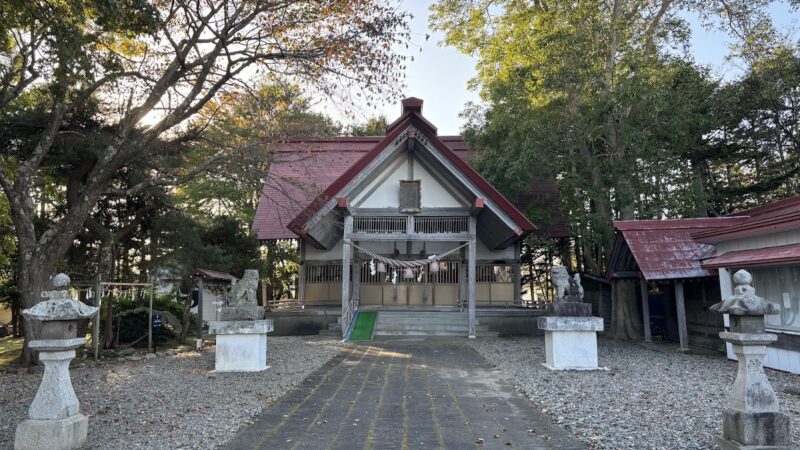
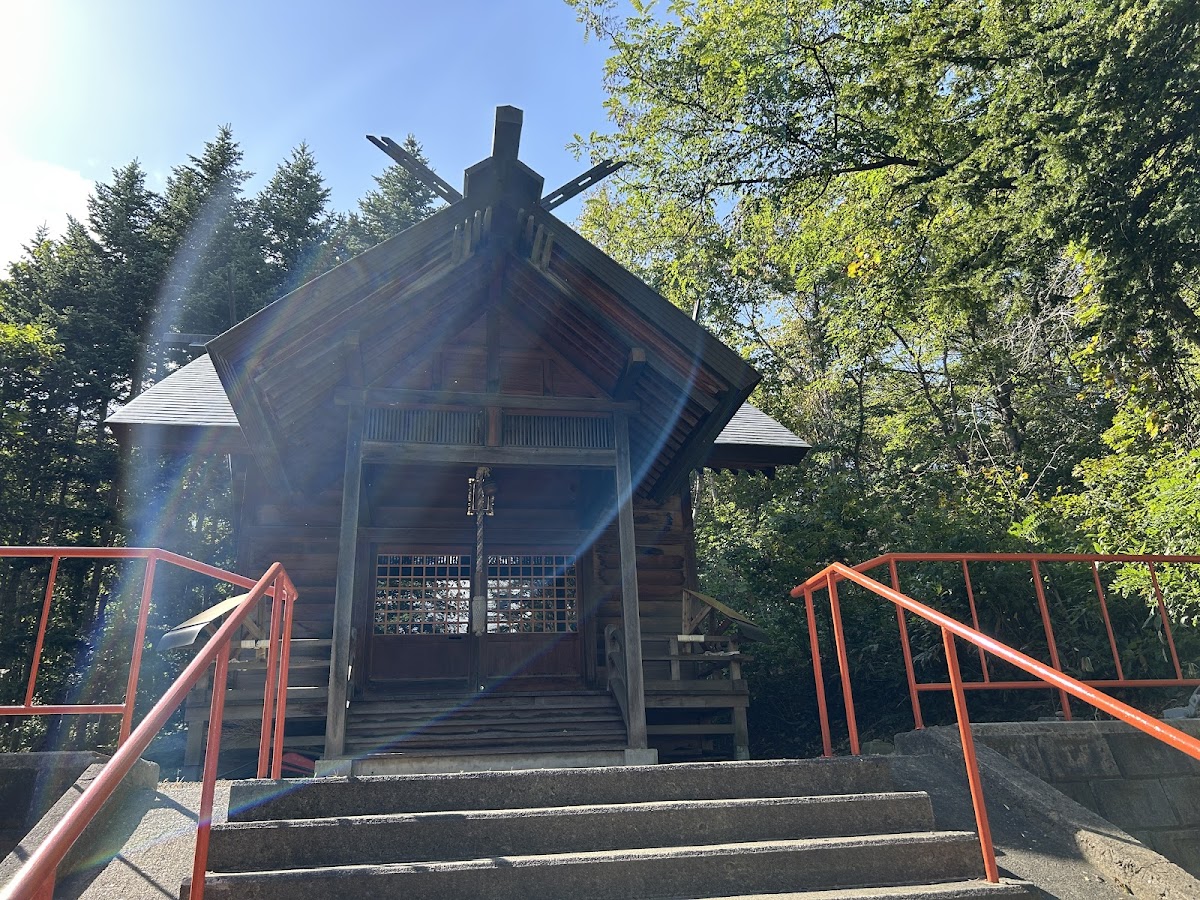
The shrine buildings, constructed during the relocation in 1917 (Taisho 6), maintain the style of traditional shrine architecture while being adapted to Hokkaido’s climate. The worship hall has a warm and welcoming atmosphere for visitors, while the main shrine is enveloped in a sacred aura.
Goshuin (Shrine Seal) Information
About the Issuance of Goshuin
Toyotari Shrine offers goshuin (shrine seals). You can receive a goshuin during the shrine office’s opening hours. However, since there may not always be a resident priest, it is recommended to call ahead to confirm if you wish to receive a goshuin.
Features of the Goshuin (Shrine Seal):
- Calligraphy of “Toyotari Shrine”
- Shrine’s red seal
- Date of visit
If you do not have a Goshuincho (stamp book), you may be able to receive a pre-printed Goshuin.
Offering Fee
The offering fee for a Goshuin is generally around 300 to 500 yen. It is based on your discretion, so it’s best to prepare the exact amount.
Annual Events and Festival
Annual Festival (September 15th)
Toyotari Shrine’s annual festival is held every year on September 15th. On this day, the most important Shinto ritual of the year takes place, and local residents gather to offer their gratitude to the gods. A solemn ritual is performed to pray for a bountiful harvest, a large catch of fish, and peace and tranquility in the community.
First Shrine Visit of the New Year
Many local residents visit the shrine for their first shrine visit of the New Year. From New Year’s Day through the third day, the shrine is bustling with worshippers praying for health, safety, and prosperity in the new year. You can also witness the first sunrise of the year from the hilltop, making a visit in the refreshing New Year’s air a truly special experience.
Snow Light Path (Irregularly Held)
In the past, an event where the shrine grounds were lit with candles was held in conjunction with the Otaru Snow Light Path event. Beautiful photographs from that time are displayed in the shrine office, conveying the magical atmosphere to this day. While it hasn’t been held in recent years, there are many voices hoping for its revival.
History of the Zenibako Area and Toyotari Shrine
Origin of the Place Name Zenibako
The place name Zenibako is said to originate from the Ainu word “Zenibako.” One theory suggests that during the Matsumae Domain era, there was a guard station where money was collected as tolls, hence the name “Zenibako” (money box). Another theory suggests it originated from the fact that the coastal terrain resembled a box.
Development as a Fishing Town
From the Edo period to the Meiji period, Zenibako prospered from fishing, primarily salmon fishing. The Toyosuke Shrine, dedicated to Toyouke-no-Okami, has long been deeply intertwined with the region’s industry, praying for the protection of fishing grounds and for bountiful catches. Salmon caught in Ishikari Bay were transported to Edo (present-day Tokyo) as a representative seafood product of Hokkaido, making Zenibako an important fishing base.
Railway Opening and Modernization
In 1880 (Meiji 13), Hokkaido’s first railway opened between Temiya (Otaru) and Sapporo, and in 1902 (Meiji 35), Zenibako Station opened as part of the Hakodate Main Line. With the opening of the railway, Zenibako developed as a transportation hub, and Toyosuke Shrine established its position as a central shrine in the region.
Nearby Tourist Attractions
Zenibako Beach
Zenibako Beach, within walking distance of Toyosuke Shrine, is known as a beautiful sandy beach and swimming area. In summer, the beach is bustling with many swimmers, and you can enjoy the beautiful scenery of Ishikari Bay.
Tourist Attractions in Otaru
Zenibako is about a 10-minute train ride from the center of Otaru, and it offers good access to Hokkaido’s representative tourist spots such as the Otaru Canal, Sakaimachi Street, and the Otaru Music Box Museum. You can enjoy Otaru sightseeing in conjunction with a visit to Toyotari Shrine.
Hoshimi Station
Hoshimi Station, the station next to Zenibako Station, is popular with photography enthusiasts for its beautiful name “Hoshimi” (star-gazing) and its stunning views of the sea despite being an unmanned station. It’s recommended to stop by when visiting Toyotari Shrine.
Manners and Etiquette for Visiting a Shrine
How to Walk the Shrine Path
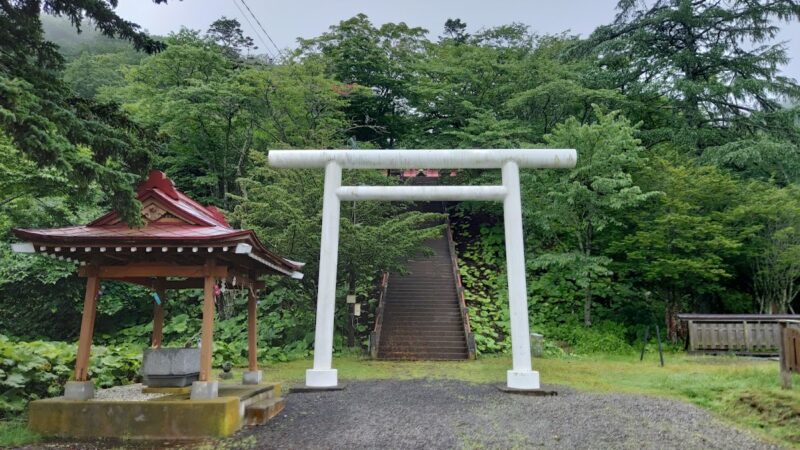
The shrine path is considered the path of the gods. It’s best to avoid the center and walk on either the left or right side. Toyotari Shrine is located on a hill, so there are stairs; climb them slowly and calmly.
Proper Hand-Washing Ritual
- Take the ladle with your right hand and wash your left hand.
- Switch the ladle to your left hand and wash your right hand.
- Take the ladle back into your right hand, receive water in your left hand, and rinse your mouth.
- Finally, stand the ladle upright and pour water over the handle to cleanse it.
Proper Worship Ritual
The basic worship ritual at a shrine is “two bows, two claps, one bow”:
- Place your offering in the offering box.
- If there is a bell, ring it.
- Bow deeply twice.
- Clap your hands twice at chest height.
- Pray with your hands clasped together.
- Finally, bow deeply once.
Seasons at Toyotari Shrine
Spring (April-June)
During cherry blossom season, the shrine grounds are dyed in a soft pink color. The best time to visit is from early to mid-May, when you can enjoy the beautiful contrast between the sea and the cherry blossoms. It’s a season where you can feel the breath of new life as spring arrives.
Summer (July-September)
Summer is a season of lush greenery and pleasant cool breezes from the sea. The annual festival on September 15th is an important event marking the end of summer, and local residents gather, creating a lively atmosphere.
Autumn (October-November)
During the autumn foliage season, the trees in the temple grounds change color, creating a tranquil atmosphere. The view of Ishikari Bay is even more beautiful in the crisp autumn air.
Winter (December-March)
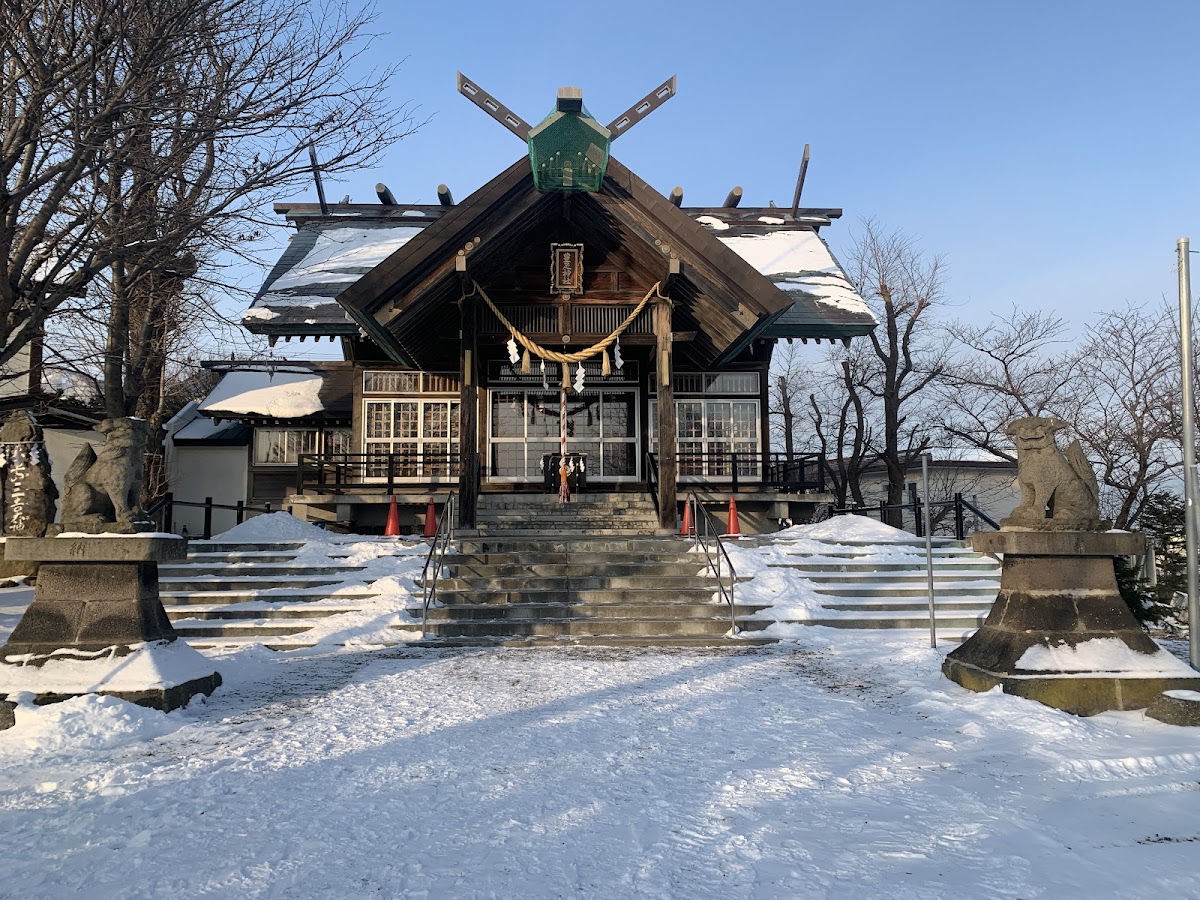
The temple grounds, covered in snow, are enveloped in silence, enhancing the sacred atmosphere. During the New Year’s visit season, you can experience a solemn atmosphere unique to Hokkaido, with a snowy landscape. Because of the strong winds from the sea, be sure to dress warmly when visiting.
Points to Note When Visiting Toyosugi Shrine
Attire
While no special attire is required for visiting the shrine, please dress neatly and cleanly. Since the shrine is located on a hill and requires climbing stairs, comfortable walking shoes are recommended. In winter, choose non-slip shoes due to snow and ice.
Photography
Photography is generally permitted within the shrine grounds, but please refrain from taking photos inside the main hall or during religious ceremonies. Please be considerate of other visitors. Historical exhibits, such as the mine exhibit, may be photographed for documentation purposes.
Shrine Office Hours
The shrine office is not always open, so it is recommended to check in advance if you wish to receive a Goshuin (shrine stamp) or prayer. General worship is possible 24 hours a day, but it is safer to visit during daylight hours due to the limited lighting at night.
Summary
Toyosugi Shrine is a representative shrine of the Zenibako area of Otaru City, with a history of over 240 years, founded in 1780 (An’ei 9). As the guardian shrine of Zenibako, a town that flourished as a fishing village, Toyouke-no-Okami, Fujiwara-no-Miyoshi-no-Mikoto, and Okuninushi-no-Okami are enshrined here, and the shrine has been revered by the local residents.
Despite its convenient location just a 6-minute walk from JR Zenibako Station, its elevated position offers breathtaking panoramic views of Ishikari Bay. The shrine grounds also house a valuable historical exhibit: a mine from the Russo-Japanese War era, conveying the importance of peace. In spring, cherry blossoms bloom, showcasing the shrine’s beautiful scenery throughout the seasons.
The shrine also offers Goshuin (stamped seals), making it a worthwhile visit for those touring shrines in Hokkaido. When sightseeing in Otaru, why not extend your trip a little and visit Toyosu Shrine, experiencing its history, nature, and the faith of the local people? The time spent quietly offering prayers from the hilltop overlooking the sea will surely be a memorable experience.