Ebisu Shrine (Furubira-cho, Furubira-gun, Hokkaido) Complete Guide | History, Annual Festival, and Fire Walking Ritual
Located at 989 Hamamachi, Furubira-cho, Furubira-gun, Hokkaido, Ebisu Shrine is a historic shrine founded in 1847 during the late Edo period. As the tutelary shrine of the Hamamachi district on the east side of Furubira-cho, it is deeply revered by the local residents. In particular, the “Tengu Fire Walking” ritual, held annually in September as part of the annual festival, is a rare traditional event in Hokkaido, attracting many worshippers and tourists.
This article provides a comprehensive overview of Ebisu Shrine, including its detailed history, enshrined deities, highlights of the annual festival, and access information.
Basic Information on Ebisu Shrine
Location and Shrine Rank
Location: 989 Hamamachi, Furubira-cho, Furubira-gun, Hokkaido
Former Shrine Rank: Village Shrine
Deity Enshrined: Kotoshironushi-no-kami
Annual Festival Day: Second Sunday of September
Shrine Style: Nagare-zukuri (stream-style)
Shrine Area: 10 tsubo (33 m²)
Shrine Grounds Area: 108 tsubo (356.4 m²)
Number of Parishioners: Approximately 520 households
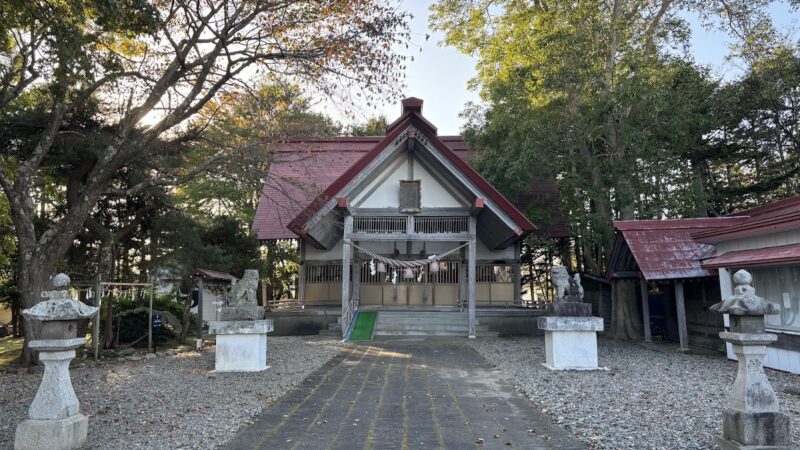
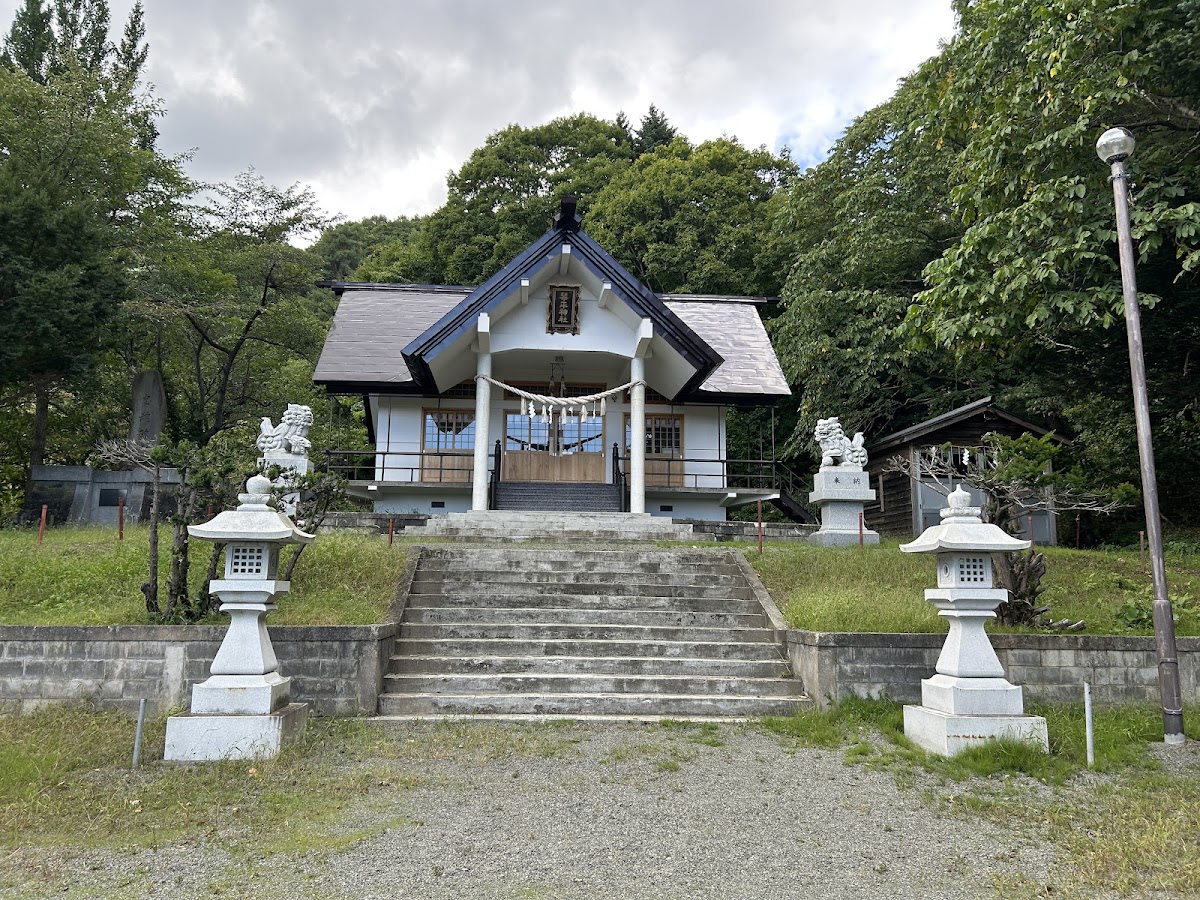
Ebisu Shrine is located next to the Furubira Town Hall, and the new town hall can be seen from the shrine grounds. While the shrine’s nameplate reads “Ebisu Shrine,” the plaque on the shrine building reads “Nishinomiya,” indicating that it is the Nishinomiya (West Shrine) of Kotohira Shrine.
About the Deity
The enshrined deity, Kotoshironushi-no-kami, is a god commonly known as “Ebisu-sama.” He is a son of Okuninushi-no-kami and is known as an important deity appearing in the myth of the transfer of the land in the Kojiki and Nihon Shoki.
Kotoshironushi-no-kami is worshipped as the god of the sea, the god of business prosperity, and the god of abundant catches. He has been revered since ancient times, especially in the coastal regions of Hokkaido where fishing is thriving. Considering that Furubira Town was a fishing town that prospered from herring fishing during the Edo period, it can be inferred that the faith of local fishermen was deeply involved in the founding of the Ebisu Shrine.
History of the Ebisu Shrine
Circumstances of Founding
The Ebisu Shrine was founded in 1847 (Koka 4), during the time of Shirokawa Chojiro, the manager of the Furubira fishing grounds. A shrine building was erected on the hill of the Hamamachi ruins, and Yaekotoshironushi-no-mikoto was enshrined there.
During the late Edo period, Hokkaido (then known as Ezo) established trading posts called “basho” (places) in various locations under a system of contracted trading posts. Furubira was one such post, thriving on fishing, primarily herring, and trade. The fact that the post manager, Shirokawa Chojiro, dedicated himself to the founding of the shrine indicates the economic prosperity of Furubira at that time.
Transitions from the Edo to the Meiji Period
In 1807 (Bunka 4), the Furubira district was designated as shogunate territory, but in 1821 (Bunsei 4), it was temporarily returned to the Matsumae Domain. Later, in 1855 (Ansei 2), it became shogunate territory again and served as a guard post for the Shonai Domain.
Founded during this turbulent period at the end of the Edo period, the Ebisu Shrine played a vital role as a spiritual pillar for the local residents. In the Meiji era, under the modern shrine system, it was ranked as a village shrine, establishing its status as a public shrine in the region.
Up to the Present Day
Throughout the Meiji, Taisho, Showa, Heisei, and Reiwa eras, Ebisu Shrine has continued to attract deeply rooted faith as the tutelary deity of the Hamamachi district of Furubira Town. Currently, it boasts approximately 520 parishioners, and every year in September, many worshippers from both within and outside the town visit for the annual festival.
Highlights of the Ebisu Shrine Annual Festival
Overview of the Annual Festival
The Ebisu Shrine Annual Festival is held annually, primarily on the second Sunday of September. Furubira Town has two annual festivals: the Kotohira Shrine Annual Festival (Summer Festival) held in summer and the Ebisu Shrine Annual Festival (Autumn Festival) held in autumn. The Ebisu Shrine Annual Festival is particularly popular as the festival of the Hamamachi district on the east side of town.
The festival usually lasts two days and features a variety of events, including a portable shrine procession, float parades, and children’s portable shrines. During the festival, the town is filled with the sounds of festival music, and the entire community is brimming with energy. ### Tengu Fire Walking Ritual
The highlight of the Ebisu Shrine Grand Festival is the ritual known as the “Tengu Fire Walking Ritual.” This is a rare traditional ritual even within Hokkaido, and it’s a fascinating event that attracts many tourists.
Sarutahiko (Tengu) Costume
The main character of the fire walking ritual is “Sarutahiko,” who wears a vermilion costume and a tengu mask. Sarutahiko-no-Okami is a god of guidance in Japanese mythology, often depicted as a tengu. Wearing high geta sandals, Sarutahiko, with his dignified appearance, leads the festival procession.
Fire Walking Ceremony
On both days, after the procession, the fire walking ceremony, the most exciting part of the festival, takes place around 8 PM as the sun sets. A bonfire is lit in the center of the shrine grounds, and once ignited, the flames reach a height of approximately 3 meters.
Amidst the resounding beat of drums and the lively sound of flutes, Sarutahiko majestically crosses the flames, kicking away sparks. This spectacle is breathtaking, eliciting loud cheers from the spectators. Sarutahiko and the portable shrine each perform the purifying fire-walking ritual three times, a ceremony to ward off misfortune and cleanse the area.
This fire-walking ritual is an important ceremony for purifying the deity and embodies prayers for the safety and prosperity of the community. Sarutahiko’s figure crossing the flames is truly that of a divine messenger, warding off evil with sacred power.
Portable Shrine Procession and Float Parade
Led by Sarutahiko, the portable shrine and floats parade through the town. Children’s portable shrines also participate, with local children chanting energetically as they parade through the streets. The large floats are elaborately decorated, delighting onlookers.
The Mikoshi Togyo (portable shrine procession) is an important Shinto ritual in which the sacred object is paraded through the parish area, spreading the divine blessings of the gods throughout the entire region. The procession, winding through the town, is a precious sight that conveys the traditional culture of Furubira town to the present day.
Relationship with Kotohira Shrine
As indicated by the inscription “Nishinomiya” (West Shrine) on the Ebisu Shrine’s plaque, Ebisu Shrine has a deep connection with Kotohira Shrine. During Shinto rituals, it sometimes serves as a temporary resting place for Kotohira Shrine’s portable shrine, and the two shrines share important roles in the faith of Furubira town.
Kotohira Shrine is responsible for the festivals on the west side of town, while Ebisu Shrine is responsible for the festivals on the east side, thus supporting the faith of the entire Furubira town.
Access to Ebisu Shrine
Access by Public Transportation
Nearest Station: JR Yoichi Station
Bus: Approximately 30 minutes by Hokkaido Chuo Bus from JR Yoichi Station, get off at “Furuhirahama-cho” bus stop and walk 3 minutes.
Alternatively: Get off at “Furuhira Town Hall” bus stop and walk 1 minute.
Ebisu Shrine is located next to the Furubira Town Hall, so using the town hall as a landmark will make it easy to find. If using public transportation, it is recommended to check the timetable in advance as the number of buses is limited.
Access by Car
From Sapporo: From Sapporo city, take National Route 5 towards Otaru, then from Otaru city, take National Route 229 (towards Shakotan Peninsula). Pass through Yoichi town to Furubira town. The journey takes approximately 2 hours.
Parking: During the annual festival, temporary parking may be available, but please contact Furubira Town Hall for details. Normally, there is parking available around the town hall.
Manners and Precautions for Visiting the Shrine
Etiquette for Visiting the Shrine
When visiting Ebisu Shrine, please follow the general etiquette for visiting a shrine.
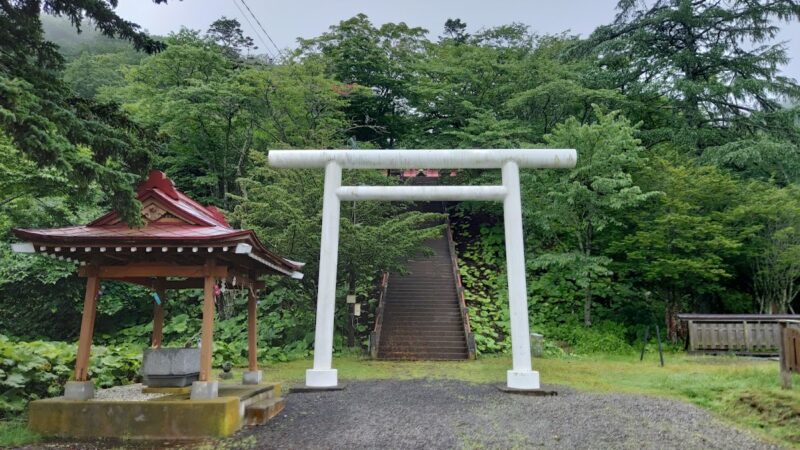
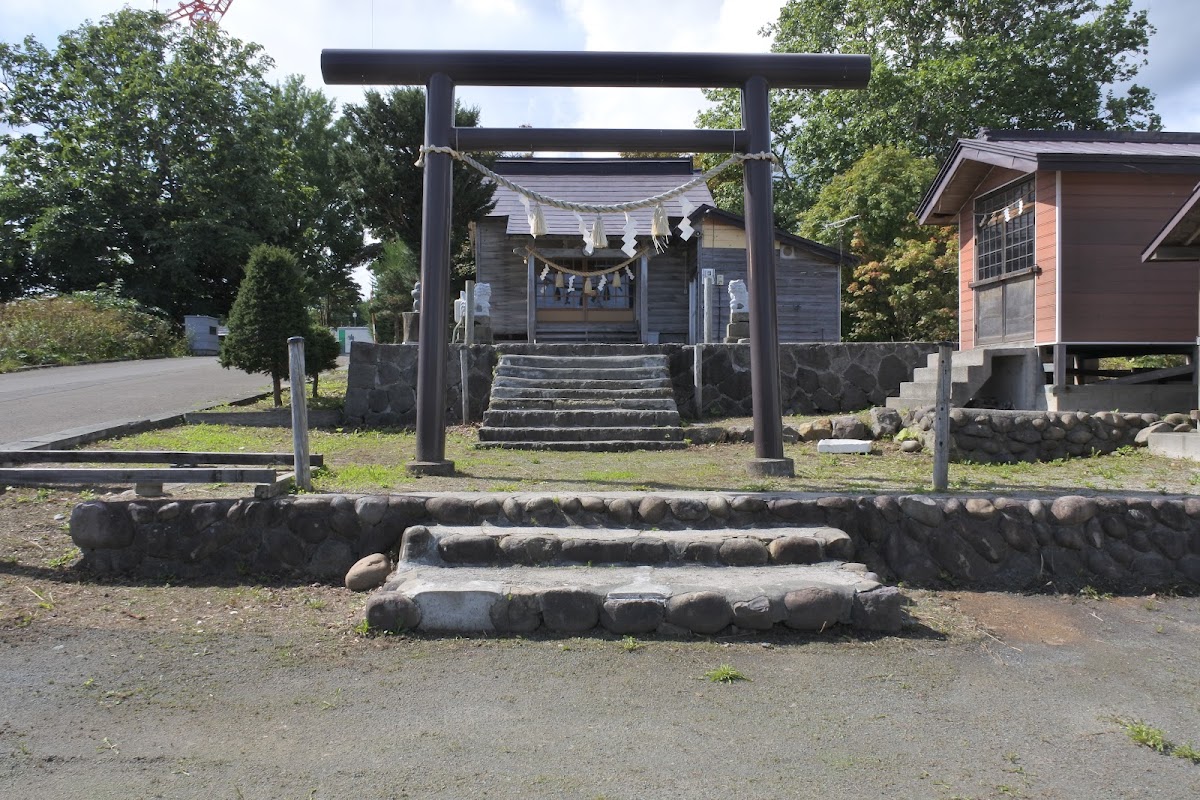
- Bow before passing through the torii gate
- Cleanse your hands and mouth at the water basin
- Bow twice, clap twice, and bow once in front of the main hall
- Turn around and bow once when leaving the torii gate
Precautions for Participating in the Annual Festival
The shrine is crowded with many visitors during the annual festival. Especially during the fire-walking ritual, congestion is expected, so it is recommended to arrive early. Since this is a ritual involving fire, please be extra careful if you are with small children.
Photography is permitted, but please be considerate of the ritual and refrain from using flash photography.
Charms of Furubira Town and Surrounding Sightseeing
About Furubira Town
Furubira Town is a small town located in the Shiribeshi region of Hokkaido with a population of approximately 2,800 people. Located on the eastern side of the Shakotan Peninsula, it boasts a beautiful coastline and abundant nature. It has a history of prosperity from herring fishing since the Edo period, and fishing remains one of its main industries today.
Nearby Tourist Attractions
Kotohira Shrine:
Another important shrine in Furubira town, where a summer festival is held. Visiting it together with Ebisu Shrine is recommended.
Furubira Family Travel Village:
A facility with a campsite and bungalows, popular with families.
Setakamui Rock:
A unique rock formation near the border of Furubira town and Shakotan town, meaning “dog god” in the Ainu language.
Shakotan Peninsula:
A short drive from Furubira town provides access to tourist spots on the Shakotan Peninsula, where you can enjoy the beautiful ocean scenery known as “Shakotan Blue.”
Annual Events of Ebisu Shrine
Grand Festival (Second Sunday of September)
As mentioned above, this is the most important annual event of Ebisu Shrine. This festival is packed with highlights, including the Tengu fire-walking ritual, the portable shrine procession, and the float parade.
Other Festivals
Besides the annual grand festival, Ebisu Shrine holds various festivals throughout the year, such as the New Year’s Day Festival and the Spring Festival. For detailed schedules, please contact the Hokkaido Shrine Association or the Furubira Town Hall.
The Role of Ebisu Shrine in the Community
Ebisu Shrine is not merely a tourist spot; it is a place of faith deeply rooted in the lives of the people of the Hamamachi district of Furubira Town. With approximately 520 parishioners, it functions as a central presence in the local community.
The preparation and operation of the annual grand festival are supported by the cooperation of local residents, and the festival fosters intergenerational exchange. Children participating in the children’s portable shrine procession learn about local traditional culture and cultivate a love for their hometown through the festival.
In Furubira Town, a fishing town, Ebisu Shrine, which enshrines Kotoshironushi-no-kami, the god of the sea, continues to play an important role as a place to pray for bountiful catches and safe voyages. ## Summary
Ebisu Shrine in Furubira-cho, Furubira-gun, Hokkaido, is a historic shrine founded in 1847 (Koka 4), and is revered by the local community, with Kotoshironushi-no-kami as its enshrined deity. The “Tengu Fire Walking” ritual, held annually on the second Sunday of September, is a rare traditional event in Hokkaido that attracts many visitors.
The sight of Sarutahiko gracefully walking through a pillar of fire approximately 3 meters high is breathtaking and a ritual worth seeing at least once. It also offers a valuable opportunity to experience local traditional culture, including the portable shrine procession, float parade, and children’s portable shrine.
Access is relatively easy, about 30 minutes by bus from JR Yoichi Station, making it a convenient stop in conjunction with sightseeing on the Shakotan Peninsula. Please visit Ebisu Shrine to experience the rich nature, history, and warmth of the local people of Furubira-cho.
Especially if you visit during the annual festival, you will be able to experience firsthand the power and beauty of Hokkaido’s traditional Shinto rituals. Ebisu Shrine is one of the essential spots for understanding Hokkaido’s shrine culture.