Kotohira Shrine (Furubira-cho, Furubira-gun, Hokkaido) Complete Guide: History, Annual Festival, Tengu Fire Walking, and Visiting Information
Kotohira Shrine, located in Furubira-cho, Furubira-gun, Hokkaido, is a historic shrine founded during the Keio era at the end of the Edo period. For over 150 years, it has been revered as the guardian deity of Furubira, a small fishing town facing the Sea of Japan. In particular, the “Tengu Fire Walking” ceremony held at the annual festival in July is known as a rare and magnificent ritual in Hokkaido, attracting many tourists.
This article comprehensively introduces information useful for visiting Kotohira Shrine, including its detailed history, enshrined deities, highlights of the annual festival, access methods, and surrounding spots.
Basic Information on Kotohira Shrine
Location and Access
Location: 86 Shinchi-cho, Furubira-cho, Furubira-gun, Hokkaido
Kotohira Shrine is located in the town center of Furubira, at the foot of Mount Maruyama. Located on the Sea of Japan coast, Furubira Town is a small town with a population of approximately 2,600, situated between Yoichi Town and the Shakotan Peninsula.
Access Information:
- By Car: Approximately 2 hours from Sapporo via National Route 5. Approximately 1 hour from Otaru via National Routes 5 and 229. The shrine is located along the road leading from National Route 229 to the Nihonkai Furubira Onsen Shiokaze. There is some parking available around the shrine.
- By Public Transportation: Take the Hokkaido Chuo Bus bound for Furubira from JR Yoichi Station (approximately 30 minutes). Get off at the Furubira bus stop and walk for approximately 10 minutes. However, bus service is limited, so it is necessary to check the timetable in advance. A taxi from Yoichi Station takes approximately 20 minutes and costs around 4,000 yen.
Shrine Rank and Deities
Former Shrine Rank: Gosha (Village Shrine)
Deities:
- Ōmononushi-no-kami: The principal deity. A deity enshrined at Ōmiwa Shrine (Miwa Myōjin) in Nara Prefecture, revered as the god of nation-building and the guardian deity of agriculture, commerce, and medicine.
- Yaekotoshironushi-no-kami: A god of fortune known as Ebisu. An important deity for Furubira Town, a fishing town, as the god of fishing and business prosperity.
- Ukemochi-no-kami: The goddess of food. Worshipped as the god of abundant harvests and food safety.
- Emperor Sutoku: A subordinate deity. Enshrined together due to its connection with Kotohira Shrine in Sanuki Province (present-day Kagawa Prefecture).
Annual Festival Date: July 10th (Currently held on the second weekend of July)
History and Origin of Kotohira Shrine
Founding History
The founding of Kotohira Shrine dates back to the late Edo period, a crucial time in the history of Hokkaido’s development.
Keio 1 (1865): The residents of Furubira petitioned the Hakodate Magistrate’s Office for permission to build a shrine. At that time, Furubira was already thriving on herring fishing, and a shrine was needed as a place to pray for safety in fishing and abundant catches. The Hakodate Magistrate’s Office approved this and permitted the cession of land at the foot of Maruyama Mountain.
Keio 2 (1866): The sacred object of Omononushi-no-kami was bestowed from Kyoto, and the enshrinement took place in June of the same year. Emperor Sutoku was also enshrined, and the sacred object (mitamashiro) was bestowed by the Hokkaido Development Commission. This is considered the official founding year of Kotohira Shrine.
Keio 3 (1867): The formal transfer of the sacred object from Kyoto was completed.
Meiji 1 (1868): The main shrine and worship hall were completed, giving the shrine the appearance of a full-fledged shrine.
Around Meiji 13 (1880): It is estimated that the portable shrine procession (omikoshi togyo) began. This became the prototype for the annual festival that continues to this day.
Origin of the Name Kotohira
The name “Kotohira” originates from Kotohira-gu Shrine in Kagawa Prefecture. Kotohira-gu Shrine is worshipped nationwide as the guardian deity of maritime traffic, and has been deeply revered, especially by fishermen and sailors. During the Hokkaido pioneering period, Kotohira worship spread throughout the region, and Kotohira Shrine was named “Kotohira Shrine” in Furubira Town, following this tradition.
Ōmononushi-no-kami is the same deity as Ōmononushi-no-kami, the principal deity of Kotohira-gū Shrine. Furthermore, Emperor Sutoku, who is also enshrined there, had a deep connection to Kotohira-gū Shrine, which is likely why the shrine’s name was chosen.
Connection to the Community
Since its founding, Kotohira Shrine has functioned as a spiritual pillar of Furubira Town. During the Meiji and Taisho periods, when the town prospered from herring fishing, it served as a place where fishermen prayed for bountiful catches and safety at sea. Since the Showa era, it has become a central hub of the local community, deeply rooted in the lives of the townspeople.
Even today, many townspeople participate in the annual festival, continuing to uphold tradition. Despite the declining population, younger generations are actively involved in the festival, playing a vital role in strengthening community bonds.
Kotohira Shrine Annual Festival and Tengu Fire Walking
The biggest highlight of Kotohira Shrine is the annual festival held every July. In particular, the “Tengu Fire Walking” is a rare Shinto ritual in Hokkaido, attracting many spectators from both within and outside the prefecture. ### Grand Festival Schedule and Overview
Dates: Three days from Friday to Sunday of the second week of July (may vary by year)
Main Events:
- First Day (Friday): Eve Festival, Sea Procession
- Second Day (Saturday): Land Procession
- Third Day (Sunday): Land Procession, Tengu Fire Walking
Sea Procession
On the first day of the Grand Festival, a Sea Procession is held to pray for a bountiful catch and safety at sea. The portable shrine carrying the deity is placed on a fishing boat and cruises around Furubira Port. The fishing boats are adorned with large fishing flags, and the sight of the colorful flags reflected on the blue waters of the Sea of Japan is magnificent.
The sight of the fishing boats gathered in the port simultaneously sounding their horns to welcome the deity is a unique ritual of a fishing town. After the sea procession ends, the portable shrine returns to land and goes back to the shrine.
Land Procession Festival
On the second and third days, the land procession festival takes place, with the portable shrine parading through the town.
Leading the Procession by Sarutahiko-no-Okami (Tengu):
Leading the procession is a Tengu dressed as Sarutahiko-no-Okami. Wearing tall geta sandals about 30 centimeters high, a red mask, and a Tengu nose, their appearance is full of dignity. Sarutahiko-no-Okami is known as the god of guidance, and the Tengu plays the role of safely leading the gods.
As the Tengu walks through the town, it is believed that they bear the town’s calamities. Their magnificent appearance leaves a strong impression on those who see them.
Lion Dance and Portable Shrine:
Following the Tengu, the lion dance appears. The lion dance plays the role of warding off evil spirits and purifying the path for the gods. Following this is the portable shrine carrying the local deity.
The shrine parades through various parts of the town, pausing briefly in front of each house and shop to pray for the prosperity and safety of the household. The bearers’ shouts of “Soiya, Soiya” echo throughout the town, and the festival reaches its peak of excitement.
Tengu’s Fire Walking
On the final night of the annual festival, the “Tengu’s Fire Walking” takes place as the climax. This is the highlight of the Kotohira Shrine Annual Festival and a representative traditional event of Furubira Town.
Meaning of Fire Walking:
It is believed that the Tengu and the local deity, while parading through the town, absorbed all of the town’s calamities. The fire walking is a Shinto ritual to purify and ward off these calamities with fire. It is believed that walking through the raging flames burns away impurities and brings peace to the town.
Procedure for Fire Walking:
- Preparation of the Fire Pit: A fire pit approximately 10 meters long and 3 meters wide is set up in the shrine grounds or a specially constructed venue. A large amount of firewood and timber is piled up and ignited in the evening.
- Climax of the Flames: As dusk falls, the fire pit burns fiercely, with flames several meters high. The surrounding temperature rises, and even spectators can feel the heat of the flames.
- Appearance of the Tengu: While the flames are burning most intensely, a Tengu wearing tall geta (wooden clogs) appears in front of the fire pit.
- Fire Walking: Without a moment’s hesitation, the Tengu steps into the raging flames. They walk across the fire pit, treading on the hot charcoal in their geta. Following the lion dance and the portable shrine procession, the fire-walking ceremony takes place.
- Fire-Walking by Parishioners: After the Shinto rituals are complete, general participants may have the opportunity to try fire-walking. Many townspeople cross the firebed, praying for good health and safety for their families.
Highlights:
The sight of the Tengu (mythical creature) walking majestically through the blazing flames in high wooden clogs is breathtaking. The red mask and nose of the Tengu illuminated by the flames, along with the sound of the clogs, create a truly mystical and magnificent spectacle.
In the darkness of the night, the venue, illuminated only by the light of the flames, is enveloped in a fantastical atmosphere, eliciting cheers and applause from the spectators.
History of the Grand Festival
The procession of the portable shrine at Kotohira Shrine is estimated to have begun around 1880 (Meiji 13). This festival, with a history of nearly 150 years, has evolved over time, but its essence has remained unchanged.
While there are no clear records of when the Tengu fire-walking ritual began, it is believed to have been performed at least by the early Showa period. Although it was interrupted during the war, it was revived after the war and has been held annually ever since.
In recent years, the continuation of the festival has become a challenge due to population decline and aging, but thanks to the strong will and efforts of the townspeople, the tradition continues to be preserved. Younger generations also actively participate, playing active roles as Tengu and mikoshi (portable shrine) bearers.
Kotohira Shrine Grounds and Highlights
Shrine Building
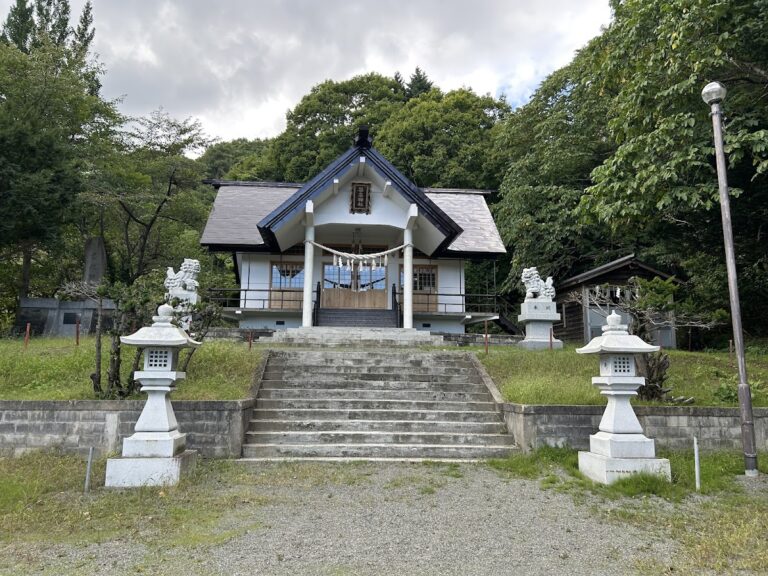
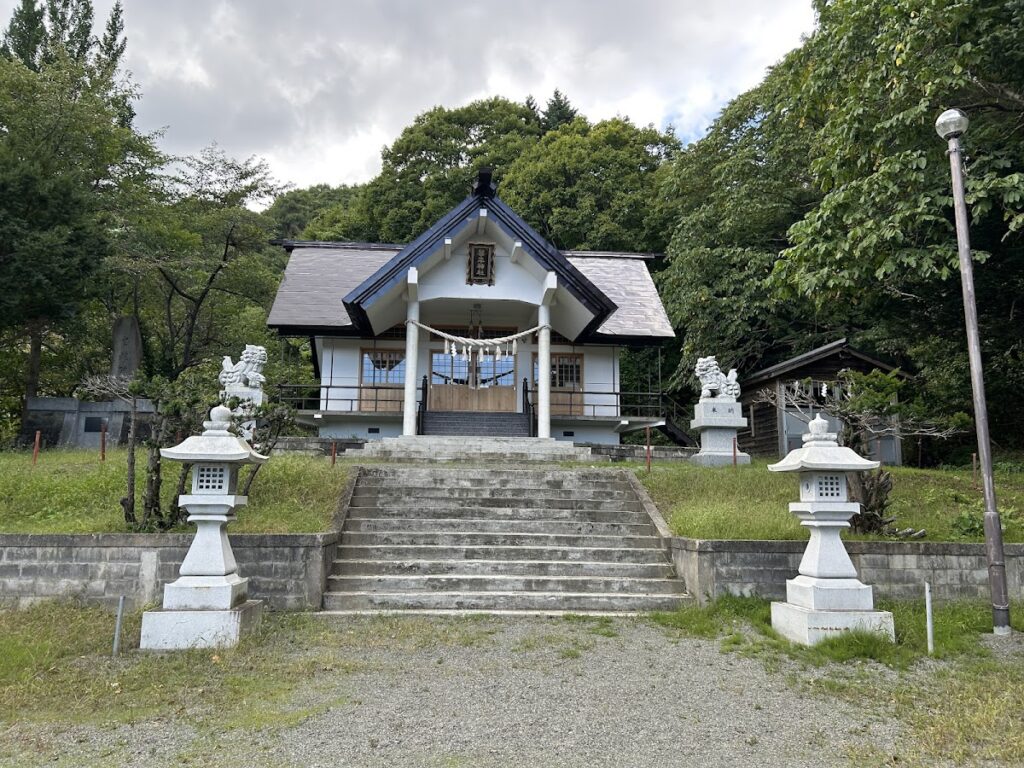
The shrine building of Kotohira Shrine is built at the foot of Mount Maruyama. The current building was renovated during the Showa period, but it retains the atmosphere of the original construction and is a charming structure.
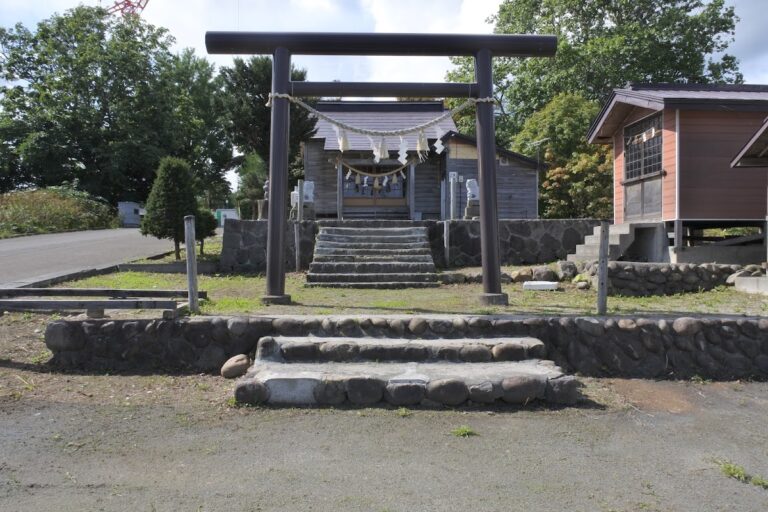
The worship hall is a traditional wooden shrine building, and the vermilion torii gate is striking. The main shrine is located behind the worship hall, where the sacred object is enshrined.
Atmosphere of the Shrine Grounds
The shrine grounds are enveloped in a quiet and peaceful atmosphere. Surrounded by trees, you can worship while feeling the sea breeze from the Sea of Japan. Climbing the stone steps leads to the worship hall, from which you can enjoy a panoramic view of the town of Furubira and the Sea of Japan.
Outside of the annual festival, there are few visitors, making it a hidden gem of a shrine where you can worship in peace. Local people visit regularly, and you can see them offering their prayers.
Goshuin (Shrine Seal)
You can receive a goshuin (shrine seal) at Kotohira Shrine. However, since there is no resident priest, it is necessary to check in advance if you wish to receive a goshuin. During the annual festival, the shrine office is usually open and goshuin are often issued.
The goshuin features the calligraphy of “Kotohira Shrine” and the shrine’s seal, a simple yet dignified design.
Charms of Furubira Town and Surrounding Spots
After visiting Kotohira Shrine, be sure to explore other attractive spots in Furubira Town.
Japan Sea Furubira Onsen Shiokaze
This is a day-trip hot spring facility located about a 5-minute drive from Kotohira Shrine. It boasts an open-air bath with panoramic views of the Japan Sea, making bathing while watching the sunset a truly special experience. The spring water is a sodium chloride spring, said to be effective for neuralgia, muscle pain, and poor circulation.
The facility also has a restaurant where you can enjoy dishes made with fresh seafood caught locally. Seafood bowls featuring sea urchin and scallops are particularly popular.
Location: 74-4, Shinchi-cho, Furubira-cho, Furubira-gun, Hokkaido
Opening Hours: 10:00 AM – 9:00 PM (Last entry 8:30 PM)
Closed: Every third Wednesday of the month (or the following day if it’s a public holiday)
Furubira Family Travel Village
This is a campsite located along the coast of Furubira Town. It offers auto campsites and bungalows, making it popular with families. You can enjoy marine sports and fishing on the Japan Sea that stretches out before you.
Open only during the summer, this campsite is bustling with campers from July to August. At night, you can enjoy a breathtaking starry sky and experience nature in a way you can’t in the city.
Setakamui Rock
This is a uniquely shaped rock near the border of Furubira Town and Shakotan Town. In the Ainu language, “Seta” means dog and “kamui” means god, so it means “Dog God.” The sight of the approximately 30-meter-high rock rising from the sea is truly impressive.
There is an observation area along National Route 229 where you can park your car and take photos. Setakamui Rock is particularly beautiful when illuminated by the setting sun, making it a popular photo spot.
Furubira Town Local History Museum
This museum allows you to learn about the history and culture of Furubira Town. It displays fishing gear and daily life tools from the era when the town prospered from herring fishing, as well as materials related to the development history of Furubira Town.
Some materials related to the history of Kotohira Shrine are also on display, and visiting before visiting the shrine will allow for a deeper understanding.
Location: 40 Hamamachi, Furubira-cho, Furubira-gun, Hokkaido
Opening Hours: 9:00 AM – 5:00 PM
Closed: Mondays, the day after national holidays, and during the New Year holidays
Admission Fee: Free
Seafood of Furubira
Furubira is a fishing town facing the Sea of Japan, and is rich in fresh seafood. Sea urchins, scallops, octopus, and squid are particularly famous and can be purchased at restaurants and direct sales outlets in the town.
In the summer, the “Furubira Sea Urchin Festival” is held, offering an event where you can enjoy freshly caught sea urchins at a bargain price. Enjoy Furubira’s cuisine along with your visit to Kotohira Shrine.
Points to Note When Visiting Kotohira Shrine
Manners for Visiting Shrine
- Bow Before Passing Through the Torii Gate: Before entering the sacred area, bow before the torii gate.
- How to walk along the approach to the shrine: The center of the approach is considered the path for the gods, so walk along the sides.
- Purifying yourself at the water basin: If there is a water basin, purify your hands and mouth before praying.
- Etiquette at the main hall: The basic etiquette is “two bows, two claps, one bow.” Place your offering in the offering box, ring the bell, bow deeply twice, clap twice, and finally bow once.
Best time to visit
Kotohira Shrine can be visited throughout the year, but each season has its own charm.
July (during the annual festival): The busiest time. A rare opportunity to witness the Tengu fire-walking ceremony. It gets crowded with many visitors, but you can enjoy the festive atmosphere.
Summer (July-August): The weather is stable, and you can enjoy sightseeing in the surrounding area. You can combine your visit with activities such as bathing at the Nihonkai Furubira Onsen Shiokaze, swimming in the sea, and camping.
Autumn (September-October): The autumn foliage is beautiful, and you can visit the shrine in peace. Seafood is also abundant during this time, making it ideal for enjoying local cuisine.
Winter (November-March): There is snow, so caution is needed regarding road conditions. However, the shrine amidst the snowy landscape has its own unique charm. The winter Sea of Japan is rough and powerful, allowing you to experience both the harshness and beauty of nature.
Estimated Time Required
Visiting Kotohira Shrine itself takes about 30 minutes. Including nearby hot springs and sightseeing spots, a half-day to full-day plan is recommended.
Day trips from Sapporo and Otaru are possible, but staying overnight in Furubira Town and relaxing is also a good option.
Detailed Access Information to Kotohira Shrine
Route from Sapporo City
By Car:
- From Sapporo city, take National Route 5 (or via the Sapporo-Otaru Expressway) towards Otaru.
- From Otaru city, take National Route 5 towards Yoichi.
- From Yoichi town, take National Route 229 (towards the Shakotan Peninsula).
- After arriving in Furubira town, follow the signs for Nihonkai Furubira Onsen Shiokaze.
- Turn onto the road before the hot spring facility to reach Kotohira Shrine.
Estimated Travel Time: Approximately 2 hours (may vary depending on traffic conditions)
By Public Transportation:
- From JR Sapporo Station, take the Hakodate Main Line to Yoichi Station (approximately 1 hour 15 minutes by rapid train).
- From Yoichi Station, take the Hokkaido Chuo Bus “bound for Furubira” (approximately 30 minutes).
- After getting off at the “Furuhira” bus stop, it’s about a 10-minute walk.
Important Note: Bus service is infrequent, so please check the timetable in advance. Especially during winter, there may be service cancellations or reduced services.
Route from Otaru City
By Car:
- From Otaru City, take National Route 5 towards Yoichi.
- From Yoichi Town, take National Route 229 to Furubira Town.
- Travel time: Approximately 1 hour
By Public Transportation:
- From JR Otaru Station, take the Hakodate Main Line to Yoichi Station (approximately 30 minutes).
- From Yoichi Station, take the Hokkaido Chuo Bus bound for “Furuhira”.
Parking Information
Kotohira Shrine does not have its own dedicated parking lot, but there are a few parking spaces along the roads around the shrine. Temporary parking may be available during the annual festival.
If using the parking lot at Nihonkai Furubira Onsen Shiokaze, please obtain permission from the facility.
Summary: The Charm of Kotohira Shrine
Kotohira Shrine is a shrine steeped in history and tradition, located in Furubira-cho, a small fishing town in Furubira-gun, Hokkaido. Since its founding in 1866, it has attracted the faith of the local people for over 150 years, functioning as a spiritual pillar of the town.
In particular, the “Tengu Fire Walking” ceremony held at the annual festival in July is known as a rare and magnificent ritual in Hokkaido, attracting many tourists. The sight of the Tengu walking across the blazing flames on their wooden clogs leaves a powerful and unforgettable impression.
Visiting Kotohira Shrine allows you to experience the history of Hokkaido’s pioneering era, the culture of a fishing town, and the strong bonds of the local community. The surrounding area also boasts abundant tourist resources, including beautiful scenery of the Sea of Japan, fresh seafood, and hot springs.
It is relatively easy to access from Sapporo and Otaru, making day trips possible. Please visit Kotohira Shrine and experience the charm of Furubira-cho. Visiting during the annual festival will surely create unforgettable memories.
We hope that Furubira Town and Kotohira Shrine will become special places for everyone.