Hachiman Shrine (Kyowa-cho, Iwanai-gun, Hokkaido) Complete Guide | Thorough Explanation of Deities, Blessings, Access, and History
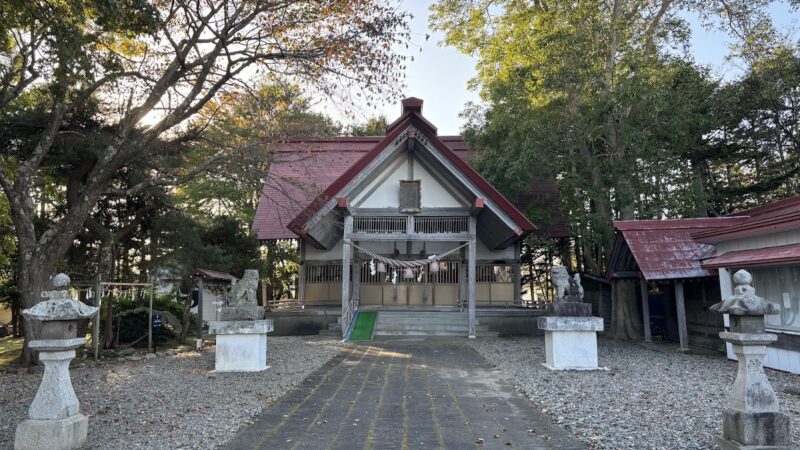
Hachiman Shrine, located in Kyowa-cho, Iwanai-gun, Hokkaido, is a historic shrine that has long been cherished by the local people. This article provides a detailed explanation of Hachiman Shrine’s deities, blessings, worship methods, access information, and its deep connection to the community.
Basic Information on Hachiman Shrine (Kyowa-cho)
Hachiman Shrine is located in Kyowa-cho, Iwanai-gun, Hokkaido, and has long been revered as the local guardian deity. As a shrine that has watched over the development of the region since the pioneering days of Hokkaido, it continues to attract many worshippers today.
Shrine Location and Contact Information
Address: Kyowa-cho, Iwanai-gun, Hokkaido
Access: Accessible from Kyowa-cho town center
Parking: Parking available on the shrine grounds or nearby
Kyowa-cho is located in the Shiribeshi region, a naturally rich area close to the Niseko mountain range and the Sea of Japan. Hachiman Shrine functions as a central place of worship for this local community.
About the Deity of Hachiman Shrine
Like all Hachiman shrines throughout Japan, the principal deity of Hachiman Shrine is Emperor Ōjin (Homudawake-no-Mikoto). Hachiman is one of the most widely worshipped deities in Japan and is widely revered as a god of war and victory.
About Hachiman
Hachiman has been revered since ancient times as a deity with the following characteristics:
- God of Military Fortune: Particularly worshipped from the Kamakura period onward as the guardian deity of samurai.
- God of National Protection: Revered by the imperial court as a god who protects the country.
- God of Agriculture and Industry: Also worshipped as a god who watches over the development of local industries.
- God of Protection Against Misfortune and Bringing Good Fortune: A beloved deity who wards off disaster and brings good fortune.
Many Hachiman shrines in Hokkaido were founded during the pioneering era by people who migrated from Honshu, bringing their Hachiman faith from their homeland and praying for success and safety in their new land.
Benefits of Hachiman Shrine (Kyowa Town)
The main benefits you can receive at Hachiman Shrine are as follows:
Main Benefits
- Good Fortune in Competitions and Victory: Success in various competitive endeavors such as exams, job hunting, and sports.
- Family Safety: Health and peaceful living for all family members.
- Traffic Safety: A particularly important benefit in Hokkaido, a car-dependent society.
- Business Prosperity: Success in business and business prosperity.
- Protection from Misfortune and Good Fortune: Avoiding disaster and attracting good fortune.
- Prosperity of Descendants: Abundance of children, safe childbirth, and healthy growth of children.
- Abundant Harvest: Success in agriculture and prayers for a bountiful harvest.
Since Kyowa Town is a region where agriculture thrives, it is likely that many local farmers visit the shrine to pray for a good harvest.
History and Origins of Hachiman Shrine
Hokkaido Development and Shrine Founding
Many shrines in Hokkaido were founded in conjunction with the full-scale development of the region after the Meiji era. It is believed that the Hachiman Shrine in Kyowa Town also originated when settlers in the area invited Hachiman, the guardian deity of their homeland, to the shrine and prayed for safety and prosperity in their new land.
Connection with the Community
Since its founding, Hachiman Shrine has played a central role in the community of Kyowa-cho, fulfilling the following roles:
- Annual Grand Festival: A major annual festival where local residents gather, and portable shrines and floats are paraded.
- New Year’s Visit: Local residents visit the shrine to pray for happiness in the new year.
- Shichi-Go-San: A traditional event celebrating the growth of children.
- Exorcism: Prayers for protection against misfortune for those in their unlucky years.
- Local Festivals: Prayers offered at milestones in agricultural work and at local events.
Through these events, the shrine has become a place that fosters community bonds across generations.
How to Visit and Manners
Here are the basic manners to observe when visiting Hachiman Shrine.
Basic Procedure for Worship
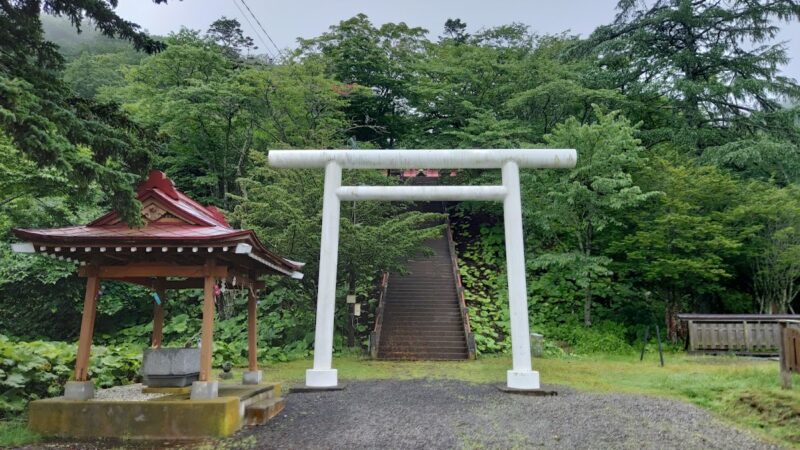
- Bow at the Torii Gate: Bow before entering the shrine grounds.
- Purify at the Water Basin: Cleanse your hands and mouth to purify your mind and body.
- Hold the ladle in your right hand and purify your left hand.
- Switch the ladle to your left hand and purify your right hand.
- Switch the ladle back to your right hand, receive water in your left hand, and rinse your mouth.
- Finally, hold the ladle upright and purify the handle.
- Walk the Path: The center of the path is the path for the gods, so walk along the edge.
- Worship at the Main Hall: Worship using the two bows, two claps, and one bow method.
- Place your offering in the offering box.
- Ring the bell if there is one.
- Bow deeply twice.
- Clap your hands twice.
- Pray with all your heart.
- Finally, bow deeply once.
- Leave the Shrine Grounds: After leaving the torii gate, turn around and bow.
Attire and Mindset for Visiting the Shrine
- Attire: No special formal attire is required, but clean and understated clothing is preferred.
- Hats: Please remove your hat in front of the main hall.
- Photography: Photography is permitted on the shrine grounds, but please be considerate of other visitors.
- Mindset: Please visit the shrine with gratitude and respect for the deities.
Access Information
Access by Car
Kyowa Town is located in the Shiribeshi region of Hokkaido and is easily accessible by car.
Travel Time from Major Cities:
- From Sapporo: Approximately 1 hour 30 minutes to 2 hours via National Route 5
- From Otaru: Approximately 1 hour
- From Niseko: Approximately 30 minutes
- From Iwanai: Approximately 15 minutes
During winter, there is a possibility of snow and icy roads, so please use winter tires and drive safely.
Access by Public Transportation
By JR:
- Nearest Stations: JR Hakodate Main Line “Ozawa Station” or “Kutchan Station”
- From the station, take a bus or taxi.
By Bus:
- Local buses such as Niseko Bus operate within Kyowa Town.
- Please check the latest information for detailed timetables.
Due to limited public transportation in rural areas of Hokkaido, visiting by car is the most convenient option.
Attractions in Kyowa Town and Surrounding Sightseeing
When visiting Hachiman Shrine, you can also enjoy sightseeing in Kyowa Town and the surrounding areas.
Characteristics of Kyowa Town
Kyowa Town is a town with a thriving agricultural industry, and is particularly known for the following products:
- Raiden Melon: A high-quality melon famous nationwide as a specialty product of Kyowa Town.
- Raiden Watermelon: A delicious watermelon with high sugar content.
- Potatoes: A typical Hokkaido agricultural product.
Nearby Tourist Attractions
Niseko Area:
- Niseko Annupuri: Enjoy skiing in winter and mountain climbing in summer.
- Niseko Onsenkyo: Numerous hot spring facilities.
Iwanai Town:
- Iwanai Port: Fresh seafood.
- Kida Kinjiro Museum: Exhibits works by a painter from Iwanai.
Shinsennuma:
- A beautiful high-altitude wetland in the Niseko mountain range.
Shakotan Peninsula:
- The beautiful sea known as Shakotan Blue.
- Fresh sea urchin dishes.
Annual Events and Festivals
Various festivals are held throughout the year at Hachiman Shrine. ### Main Annual Events
January:
- Hatsumode: Praying for happiness in the new year
- Gantansai: A festival celebrating the new year
February:
- Setsubunsai: Driving away evil spirits with bean-throwing
Spring:
- Spring Grand Festival: Praying for safety in agricultural work and a bountiful harvest
July-August:
- Summer Festival: A local summer tradition
Autumn:
- Autumn Grand Festival: Expressing gratitude for the harvest
November:
- Shichi-Go-San: Celebrating the growth of children
December:
- Oharai: Cleansing away the impurities of the year
Specific dates may vary from year to year, so it is recommended to check before visiting.
About Goshuin (Shrine Seals)
In recent years, collecting Goshuin has become a popular way to enjoy visiting shrines. Whether you can receive a Goshuin (temple/shrine stamp) at a Hachiman Shrine depends on the size of the shrine and whether or not there is a resident priest.
Etiquette for Receiving a Goshuin
- Receive after worship: A Goshuin is proof of worship, so always receive it after praying.
- Prepare a Goshuincho (stamp book): Prepare a dedicated Goshuincho.
- Offering: Generally around 300 to 500 yen.
- Polite Service: Don’t forget to show gratitude to the priest.
In the case of small shrines, there may not be a resident priest. In such cases, the priest may be serving at a nearby shrine, so it’s a good idea to check beforehand.
The Spread of Hachiman Faith
There are said to be approximately 44,000 Hachiman Shrines throughout Japan, making them the most numerous type of shrine in Japan. This faith has the following historical background:
History of Hachiman Faith
- Nara Period: Usa Hachimangu Shrine (Oita Prefecture) established as the head shrine.
- Heian Period: Iwashimizu Hachimangu Shrine (Kyoto Prefecture) was founded and gained the reverence of the imperial court.
- Kamakura Period: Spread throughout samurai society as the tutelary deity of the Minamoto clan. Tsurugaoka Hachimangu Shrine (Kanagawa Prefecture) became the central shrine for samurai.
- Edo Period: Faith spread among commoners.
- Meiji Era and Beyond: Shrines were established in various locations along with the development of Hokkaido.
The Hachiman Shrine in Kyowa Town also plays a part in this long-standing Hachiman faith.
Characteristics of Shrines in Hokkaido
Shrines in Hokkaido have characteristics that differ from those of shrines on Honshu.
Relatively Short History and Pioneer Spirit
Many shrines in Hokkaido were founded after the Meiji era, making them relatively young. However, they embody the hardships and hopes of the pioneers, and their prayers for success in the new land. ### Adapting to the Harsh Climate
To cope with Hokkaido’s harsh winter climate, the structure of the shrine buildings and the methods of worship show ingenuity. During winter, heavy snowfall can make worship difficult.
Enshrinement of Multiple Deities
Many shrines began as small altars in the early days of settlement, later expanding by enshrining multiple deities.
Seasonal Highlights for Visitors
Spring (April-June)
As the snow melts, new greenery sprouts in the shrine grounds, allowing visitors to experience Hokkaido’s short spring. This is the season when farming begins, and the number of visitors praying for a bountiful harvest increases.
Summer (July-August)
This is the season to fully enjoy Hokkaido’s refreshing summer. Many festivals, such as the annual grand festival, are held, giving a sense of the vibrant community.
Autumn (September-November)
This is the harvest season, and thanksgiving festivals are held. The autumn foliage is beautiful, and it is also the time for Shichi-Go-San (a traditional Japanese rite of passage for children).
Winter (December to March)
The shrine grounds, covered in snow, are enveloped in a tranquil atmosphere. Many worshippers visit for the New Year’s pilgrimage, but caution is needed due to icy roads.
History and Culture of Kyowa Town
Kyowa Town was formed in 1955 (Showa 30) through the merger of Kunitomi Village and Maeda Village. The town name “Kyowa” was chosen with the hope that both villages would develop in harmony.
History of Settlement
The settlement of Kyowa Town began in earnest during the Meiji era. Settlers gathered from all over Honshu, clearing primeval forests to create farmland. Hachiman Shrine served as a spiritual support for these settlers.
Development of Agriculture
Agriculture utilizing the volcanic ash soil has flourished, with particular success in the cultivation of melons and watermelons. The brand name “Raiden” originates from Mount Raiden.
Shrine Visits and Community Contribution
Shrines function not only as places of worship but also as centers of local communities.
Places for Fostering Community Bonds
Through festivals and cleaning activities, shrines provide opportunities for local residents to gather and interact. Especially in rural areas experiencing depopulation, shrines play a crucial role in maintaining community bonds.
Preservation of Traditional Culture
Traditional performing arts such as Kagura (sacred dance) and Matsuribayashi (festival music) are passed down to future generations through shrine festivals.
Value as a Tourism Resource
Shrines, as symbols of local history and culture, also possess value as a tourism resource.
Points to Know Before Visiting
Suitable Time for Visiting
Shrines are generally open for worship from sunrise to sunset. Visiting in the refreshing early morning air is a particularly soul-cleansing experience.
Checklist of Items to Bring
- Goshuincho (stamp book) (if you plan to receive a stamp)
- Small change (for offerings)
- Camera (for recording memories)
- Drinks (especially in summer)
- Warm clothing (in winter)
- Hat and sunscreen (in summer)
Precautions for Visiting Shrines in Winter
Hokkaido winters bring snow and icy roads:
- Wear non-slip shoes
- Dress warmly
- Check your car’s winter equipment
- Do not force yourself to travel on bad weather days
Summary: The Charm of Hachiman Shrine (Kyowa Town)
Hachiman Shrine in Kyowa Town, Iwanai District, Hokkaido, is a valuable place that conveys the history and culture of the region to the present day. Since the pioneering era, it has played an important role as a spiritual center for the local people and as the heart of the community.
It offers various blessings such as good fortune in competitions, family safety, and traffic safety, and is a shrine open not only to local residents but also to tourists. Visiting Kyowa Town, with its abundant nature and agricultural products, and combining it with sightseeing in the surrounding Niseko area and Shakotan Peninsula, will make for a more fulfilling Hokkaido experience.
When you visit the shrine, why not offer a quiet prayer, reflecting on the hopes the pioneers held in this new land and your gratitude to the gods who have protected the region? We hope your visit to Hachiman Shrine will be a memorable experience.