Complete Guide to Nakagawa Shrine (Nakatsugawa City, Gifu Prefecture) | History, Deities, Goshuin (Shrine Seal), and Access Information
About Nakagawa Shrine
Nakagawa Shrine is a historic shrine located at 816-1 Kitano-cho, Nakatsugawa City, Gifu Prefecture. As a Shikinaisha (shrine listed in the Engishiki) of Ena District, Mino Province, it has long been revered and is cherished by the local people as the tutelary deity of Nakatsugawa City.
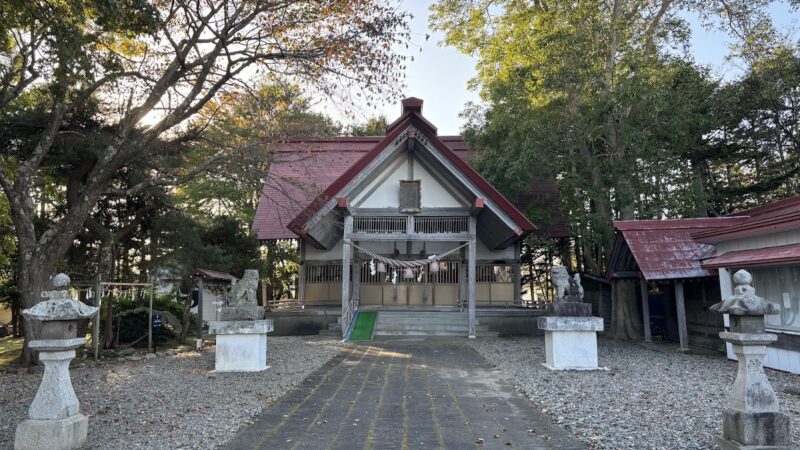
Located on a small hill in Kitano, Nakatsugawa City, the shrine grounds, nestled in a quiet residential area, offer visitors a sense of peace and a sacred atmosphere. Formerly a village shrine, it has been passed down to the present day as a center of community faith.
While the current pronunciation is “Nakagawa,” there were times in the past when it was called “Nakawa” or “Nakatsukawa,” and there is a theory that this is the origin of the place name Nakatsugawa. It is an important shrine that tells the story of how this region has been recognized as a sacred place since ancient times.
Table of Contents
- Main Deity and Divine Virtues
- History of Nakagawa Shrine
- Highlights of the Shrine Grounds
- About Subsidiary Shrines
- Annual Festivals and Events
- Goshuin (Shrine Seal) Information
- Transportation and Access Methods
- Etiquette and Manners for Worship
- Nearby Tourist Spots
Main Deity and Divine Virtues
Three goddesses are enshrined as the main deities in the main hall of Nakagawa Shrine.
Kukurihime no Okami
She is a central deity of Hakusan faith and is known as the goddess of matchmaking, harmony, and mediation. The word “kukuru” means “to tie” or “to connect,” and she is believed to have the divine virtue of connecting people with each other and with gods. She is worshipped as a goddess who brings harmony not only to romantic relationships but to all human relationships.
Konohanasakuya-hime no Okami
A beautiful goddess famous as the deity of Mount Fuji, she is revered as the goddess of safe childbirth, child-rearing, and protection against fire. Her beauty is like that of a cherry blossom, and the myth of her conceiving overnight has led many pregnant women to visit her shrine as a guardian deity for safe childbirth. Furthermore, the myth of her giving birth in flames has led to her being believed to offer protection against fire.
Izanami no Okami
The goddess of creation who gave birth to the land of Japan and many gods. As the source of life and mother of all things, she bestows blessings of vitality, creativity, matchmaking, and safe childbirth. The connection to Ena Shrine, where Mount Ena is said to be the placenta of Amaterasu Omikami, indicates that this region has been revered as a sacred place since ancient times.
There is also a legend that this is the birthplace of Izanagi no Mikoto, making it a sacred place deeply connected to Japanese mythology.
History of Nakagawa Shrine
Founding and Ancient Times
The exact founding date of Nakagawa Shrine is unknown, but since it is recorded as a Shikinaisha (a shrine listed in the Engishiki), it is believed to have existed before the Heian period. Because Mount Ena is considered the place where Amaterasu Omikami’s placenta was enshrined (Ena Shrine), this entire area has been recognized as a sacred region since ancient times.
As a Shikinaisha of Ena District, Mino Province, it is a historically significant shrine recognized by the imperial court and has functioned as a center of local faith. It has been closely intertwined with the lives of the people of this region since ancient times.
Suffering During the Sengoku Period
A major turning point in the history of Nakagawa Shrine was the events of the Sengoku period (Warring States period). During the Tensho era (1573-1592), the shrine suffered a disaster when its buildings were destroyed by fire during a conflict led by Takeda Katsuyori.
Takeda Katsuyori was born as the fourth son of Takeda Shingen and was the last head of the Takeda family. During the battles between the combined forces of Oda Nobunaga and Tokugawa Ieyasu, this region was engulfed in conflict, and Nakagawa Shrine also suffered damage. It is believed that many of the shrine’s old records and treasures were lost as a result of this fighting.
Reconstruction and Development in the Modern Era
From the Edo period onward, the shrine buildings were rebuilt through the efforts of local people, and the faith continued to be preserved. With the reform of the shrine system during the Meiji era, it was ranked as a village shrine and officially positioned as the local tutelary deity.
Even in the Heisei era, improvements to the shrine grounds continued, resulting in the current main hall, worship hall, and celebratory hall. Major renovations in the Heisei era created a comfortable environment for worshippers, maintaining its function as a center of local faith.
Highlights of the Shrine Grounds
Main Hall
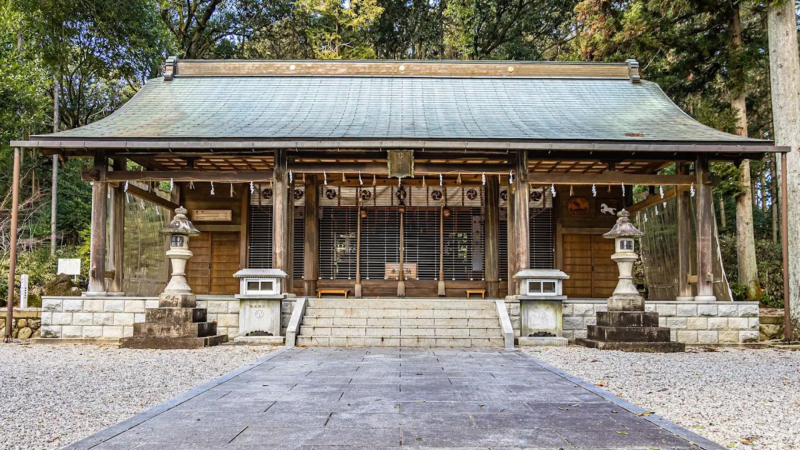
The current main hall, while adhering to traditional shrine architectural styles, was renovated in the Heisei era. Three principal deities are enshrined there, creating a solemn atmosphere. The carvings and decorations of the main hall showcase the skill of craftsmen, delighting the eyes of worshippers.
Worship Hall
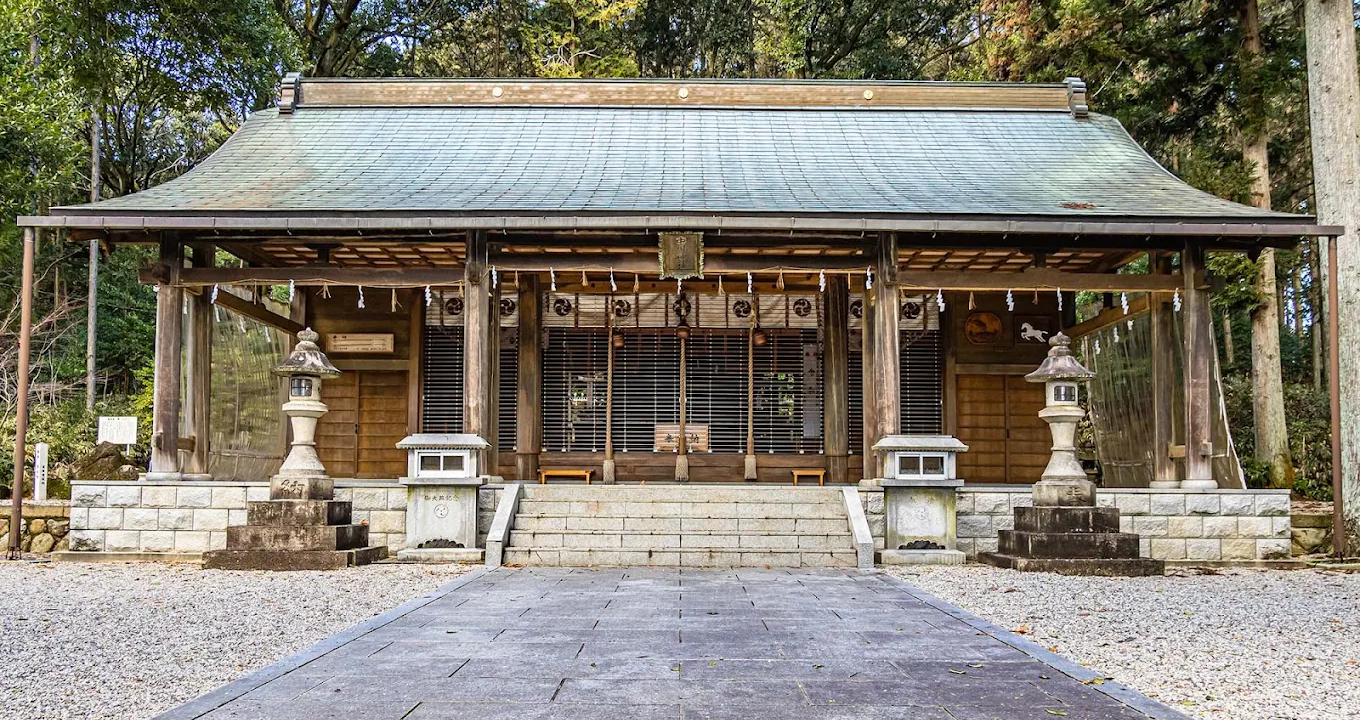
The worship hall, where worshippers offer their prayers, is located in front of the main shrine and is a covered space designed to allow worship regardless of the weather. From the worship hall, one can worship the main shrine and feel a sacred atmosphere.
Naorai Hall
This building is where Shinto priests and parishioners gather after religious ceremonies to hold a Naorai (ritual feast), sharing the sacred sake and food offered to the gods. It is an important place for a ceremony where gods and people become one, and it also plays a role in strengthening the bonds of the local community.
Nature of the Shrine Grounds
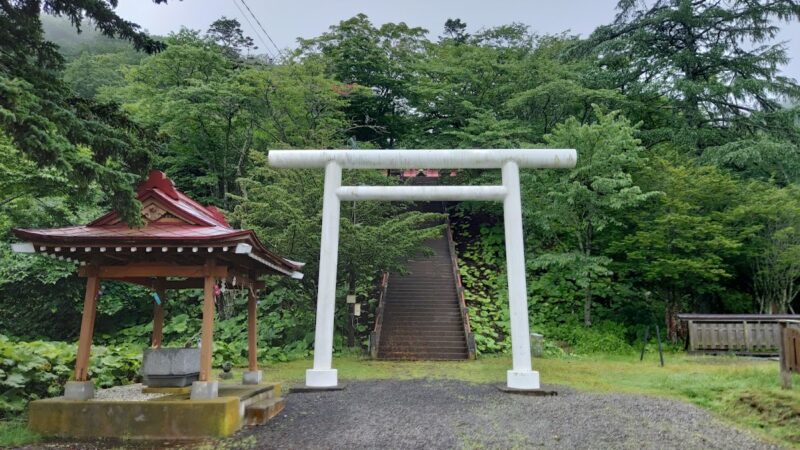
The grounds of Nakagawa Shrine, situated on a small hill in Kitano, Nakatsugawa City, are surrounded by abundant nature. Visitors can enjoy the scenery of each season, and the views are particularly beautiful during the seasons of fresh greenery and autumn leaves. It is a space where one can worship in a peaceful environment with a calm heart.
About Subsidiary Shrines
Akiba Shrine
Within the grounds of Nakagawa Shrine, Akiba Shrine is enshrined as a subsidiary shrine. Akiba Shrine is worshipped nationwide as a deity of fire prevention, revered as a god who protects homes and communities from fire.
Combined with the divine power of Konohanasakuya-hime no Okami to ward off fire, Nakagawa Shrine plays an important role as a place of worship for fire prevention. It enjoys deep faith from its parishioners as a god who protects the safety of the community.
Annual Festivals and Events
Nakagawa Shrine holds various festivals and events throughout the year.
Annual Festival
A regular festival is held on the third Sunday of each month, where parishioners and local residents gather to offer prayers of gratitude to the gods. This regular occurrence on the third Sunday of each month provides an opportunity to deepen the bonds of the local community.
The annual grand festival is a more elaborate celebration, sometimes including a procession of portable shrines and dedication ceremonies. It is an important opportunity to pass on the region’s traditional culture to the next generation.
Other Annual Events
During the New Year, the shrine is bustling with visitors for their first shrine visit of the year, who come to pray for good health and safety for their families in the coming year. Traditional Japanese annual events such as the Setsubun Festival, the Summer Purification Ceremony, and the Autumn Harvest Thanksgiving Festival are also held.
Through these events, local people feel the changing seasons and renew their gratitude to nature and reverence for the gods.
Goshuin Information
Nakagawa Shrine offers Goshuin (shrine stamps). Many visitors receive them as a memento of their visit and as a way to preserve their connection with the shrine.
A Goshuin is a stamp with the shrine’s name and date of visit written in ink, and stamped with the shrine’s seal. If you bring your Goshuin book, it will be carefully written for you. Goshuin are not merely stamps; they should be cherished as proof of your visit.
For information on Goshuin issuance hours and fees, it is recommended to check with the shrine office during your visit. Since the chief priest may be absent, it is recommended to contact the shrine in advance if you wish to be sure to receive a Goshuin (shrine stamp).
Transportation and Access
Location
816-1 Kitano-cho, Nakatsugawa City, Gifu Prefecture 508-0000
Access by Train
The nearest station is Nakatsugawa Station on the JR Chuo Main Line. It is a considerable distance from Nakatsugawa Station, so we recommend taking a taxi or bus.
While there are sometimes buses from Nakatsugawa Station towards Kitano-cho, the number of services is limited, so we recommend checking the timetable in advance.
Access by Car
It is approximately a 10-minute drive from the Nakatsugawa Interchange on the Chuo Expressway. From National Route 19, head towards the city center and then towards Kitano-cho.
There is parking space for visitors on the shrine grounds, but it is not a large parking lot, so it may become crowded during festivals. Please park respectfully and avoid inconveniencing the neighbors. ### Taking a Taxi
If you take a taxi from Nakatsugawa Station, it will take about 10 minutes to arrive. The fare will vary depending on the distance, but it is a relatively affordable distance.
Etiquette and Manners for Visiting a Shrine
Basic Etiquette for Visiting a Shrine
The basic etiquette for visiting a shrine is “two bows, two claps, one bow.” Follow these steps in front of the main hall:
- Straighten your posture and bow deeply twice (two bows)
- Bring both hands together at chest height, slightly pull back your right hand, and clap twice (two claps)
- Bring both hands together properly and offer your prayer
- Finally, bow deeply once (one bow)
Etiquette for Washing Your Hands
Before entering the shrine grounds, purify your body and mind at the water basin.
- Take the ladle with your right hand and wash your left hand.
- Switch the ladle to your left hand and wash your right hand.
- Switch the ladle back to your right hand, receive water in your left hand, and rinse your mouth.
- Wash your left hand again.
- Hold the ladle upright, let the water flow down the handle, and return it to its original place.
Guidelines for Visiting a Shrine
Shrines are sacred places where deities are enshrined. Please pray quietly and refrain from speaking loudly or running around on the shrine grounds. Photography is permitted only in designated areas, and please refrain from taking pictures in prohibited areas such as inside the main hall.
Nearby Tourist Attractions
Nakatsugawa City Center
Nakatsugawa is a historic town that flourished as a post town on the Nakasendo road. You can stroll through the streets that retain the atmosphere of a post town, or visit famous Japanese confectionery shops, including those specializing in chestnut paste.
Mount Ena and Ena Shrine
Mount Ena, which has deep ties to the history of Nakagawa Shrine, is a famous peak counted among Japan’s 100 Famous Mountains. It’s also recommended to visit Ena Shrine, which is said to be the place where Amaterasu Omikami’s placenta was enshrined.
Magome-juku
Magome-juku, famous as a post town on the Nakasendo road, is a popular tourist spot in Nakatsugawa City. The townscape retains the atmosphere of the Edo period along the cobblestone slopes, and it also houses the Fujimura Memorial Museum, the birthplace of the renowned author Shimazaki Toson.
Naegi Castle Ruins
These are the ruins of a mountain castle located in Naegi, Nakatsugawa City, characterized by its stone walls made from massive rocks. From the castle tower’s observation deck, you can enjoy a spectacular view of Mount Ena and the Kiso River, making it a popular tourist spot in recent years.
Summary
Nakagawa Shrine, located in Nakatsugawa City, Gifu Prefecture, is a historically significant shrine that has attracted local faith from ancient times to the present day as a Shikinaisha (a shrine listed in the Engishiki, an ancient Japanese legal text). It enshrines three goddesses as its main deities: Kukuri-hime no Okami, Konohanasakuya-hime no Okami, and Izanami no Okami. It is believed to offer divine blessings for matchmaking, safe childbirth, and protection from fire. Having overcome the hardships of warfare under Takeda Katsuyori and being preserved by the faith of the local people, this shrine’s history speaks to the strong bond between the shrine and the community. Even in the Heisei era, the main hall, worship hall, and celebratory hall were renovated, and it continues to play an important role as the local tutelary shrine.
Annual events, including the monthly festival held on the third Sunday of each month, strengthen community ties and provide valuable opportunities to pass on traditional culture to future generations. Goshuin (shrine stamps) are also available, and many people receive them as a memento of their visit.
Its convenient location, approximately 10 minutes by car from Nakatsugawa Station, is another attractive feature, making it a must-visit shrine for those sightseeing in Nakatsugawa. Why not find peace of mind in the tranquil grounds and feel the spirit of faith that has continued since ancient times?
Nakagawa Shrine, while preserving its history and traditions, will continue to walk hand in hand with the community, serving as a spiritual haven for people living in the modern age.