Soma Shrine (Kuromatsunai-cho, Suttsu-gun, Hokkaido) Complete Guide | History, Deities, and Access Information
Soma Shrine, located in Kuromatsunai-cho, Suttsu-gun, Hokkaido, is a historic shrine that attracts the faith of the local community. This article comprehensively introduces information you should know before visiting, from detailed information about Soma Shrine to points of worship and nearby attractions.
Basic Information about Soma Shrine
Location and Contact Information
Soma Shrine is located at 144 Kuromatsunai, Kuromatsunai-cho, Suttsu-gun, Hokkaido. The postal code is 048-0101, and the telephone number is 0136-72-4351. It is close to the center of Kuromatsunai-cho and is cherished as a center of faith for local residents.
The corporate number is 3440005002184, and it was assigned on October 5, 2015. As a shrine belonging to the Hokkaido Shrine Association, it is properly managed and operated.
Overview of the Shrine and Grounds
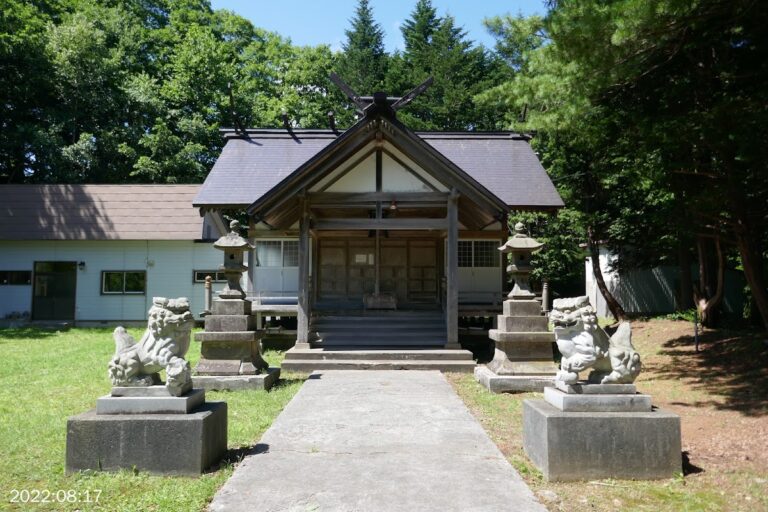
Soma Shrine’s shrine building employs the Nagare-zukuri style, preserving the beauty of traditional Japanese shrine architecture. The Nagare-zukuri style is characterized by its long, extended roofline, creating an impressive and elegant curve.
The shrine building and grounds are compact, measuring 15 tsubo (49.5 square meters), yet the well-maintained grounds warmly welcome visitors. With approximately 30 parishioners, it is a cherished and deeply rooted community shrine.
Deity and Divine Virtues
About Amenominakanushi-no-Kami
The deity enshrined at Soma Shrine is Amenominakanushi-no-Kami. Amenominakanushi-no-Kami is considered the first god to appear in Japanese mythology, and is described in the Kojiki as one of the three creation gods who appeared in Takamagahara at the time of the creation of heaven and earth.
As the god who governs the origin of the universe, this deity is at the center of all things and symbolizes the creation and harmony of all living things. Its divine virtues are wide-ranging, and it is believed that one can receive blessings in all aspects of life, including good fortune, family safety, business prosperity, and the fulfillment of wishes.
Characteristics of the Faith
Amenominakanushi-no-kami is deeply connected to Myoken faith and is also linked to the deification of the North Star. Revered as a guardian deity of directions and a god of safe voyages, this deity holds special significance in Hokkaido, a land of pioneering.
In the naturally rich environment of Kuromatsunai Town, the local people have prayed for the peace and prosperity of their daily lives and the development of their region, while revering the divine virtues of Amenominakanushi-no-kami.
History and Origins of Soma Shrine
Circumstances of Founding
The founding of Soma Shrine is deeply intertwined with the history of Hokkaido’s pioneering period. Kuromatsunai Town is a region where full-scale development began during the Meiji era. It is believed that settlers brought their homeland’s faith with them and founded the shrine to pray for stability in their new lives and the development of the region.
The name “Soma” suggests the possibility that settlers from the Soma region of Fukushima Prefecture were involved. Many shrines throughout Hokkaido were founded by people who migrated from various parts of Honshu, inviting the spirits of their hometown shrines. Soma Shrine is thought to be one such shrine with a historical background.
A Path with the Community
Soma Shrine, which has grown alongside the development of Kuromatsunai Town, has played an important role as a spiritual center for those engaged in agriculture and forestry, and as the heart of the local community. The prayers of people who endured the harsh Hokkaido winters and prayed for abundant harvests are embodied in this shrine.
While the number of parishioners and the characteristics of the region have changed with the times, it is still carefully preserved by approximately 30 parishioners, playing a role in passing on the region’s traditions and culture to future generations.
Annual Festival and Other Annual Events
Annual Festival Date (October 20th)
The annual festival of Soma Shrine is held every year on October 20th. This festival is the most important ceremony for the shrine, a Shinto ritual expressing gratitude to the enshrined deity and praying for peace and prosperity in the community.
Held during the autumn harvest season, the festival also expresses gratitude for the year’s bountiful harvest and prayers for a prosperous harvest in the following year. Parishioners and local residents gather, and a solemn ritual is performed by Shinto priests.
Other Annual Events
In addition to the annual festival, Soma Shrine holds various Shinto rituals throughout the year. On New Year’s Day, the Saitansai festival is held to pray for happiness and peace in the new year. Furthermore, Shinto rituals in line with traditional Japanese annual events, such as the Setsubun festival and the spring and autumn Kinensai festivals, are also preserved.
These events protect the region’s traditional culture and function as a place for intergenerational exchange, providing a valuable opportunity to foster community bonds in a rural area facing depopulation. ## Information for Visitors
Visiting Hours and Etiquette
Soma Shrine is generally open for visits during the daytime. However, if you require assistance from the shrine office, it is recommended to call ahead to confirm.
Please observe the following basic etiquette when visiting:
- Bow before passing through the torii gate.
- Walk along the sides of the path, as the center is considered the path of the gods.
- Purify yourself at the water basin (may be unusable in winter due to freezing).
- Perform the ritual of two bows, two claps, and one bow.
- Maintain silence within the shrine grounds to preserve the purity of the sacred area.
Regarding Goshuin (Shrine Seals)
Regarding the issuance of Goshuin at Soma Shrine, it is recommended to call ahead to confirm, as there may not always be a resident priest. Many priests at smaller shrines in Hokkaido serve multiple shrines, and may be absent.
When receiving a Goshuin (temple/shrine stamp), please bring your Goshuincho (stamp book) and politely request it at the shrine office after your visit. The offering fee is generally around 300 to 500 yen, but please follow the shrine’s instructions.
Prayers and Amulets
If you wish to receive various prayers (for family safety, business prosperity, traffic safety, protection from evil, etc.), you must make a reservation by phone in advance. For the issuance of amulets and talismans, it is recommended to check the shrine office’s opening hours before visiting.
Access
Access by Public Transportation
The nearest station to Soma Shrine is Kuromatsunai Station on the JR Hakodate Main Line. The shrine is within walking distance from Kuromatsunai Station, but depending on the distance and local conditions, you may want to consider taking a taxi.
Kuromatsunai Station is accessible from both Hakodate and Sapporo. However, since the number of trains on the JR Hakodate Main Line is limited, it is important to check the timetable in advance and plan your trip with ample time.
Access by Car
Access by car is the most convenient. It’s approximately 2 hours and 30 minutes from Sapporo via National Route 5, and about 2 hours from Hakodate.
Kuromatsunai Town is known as the “Northernmost Village of Beech Trees” and is located along National Route 5, making access relatively good. During winter, snow and icy roads are highly likely, so winter tires are essential. Depending on the weather, road closures and significant delays are possible.
Regarding parking, there may be parking spaces on the shrine grounds or nearby, but it is recommended to check details in advance.
Points to Note When Visiting
When visiting shrines in Hokkaido, it is necessary to consider the differences in environment depending on the season. Especially during winter (November to March), there is heavy snowfall, and temperatures can drop below -10 degrees Celsius. Take sufficient precautions against the cold and wear non-slip shoes.
Even in summer, Hokkaido weather is unpredictable, so it’s a good idea to bring rain gear and a jacket. Also, since Kuromatsunai Town is a region rich in nature, don’t forget to take precautions against insects.
About Kuromatsunai Town
Town Overview and Characteristics
Kuromatsunai Town is a small town with a population of approximately 2,500, located within the jurisdiction of the Shiribeshi General Subprefectural Bureau in Hokkaido. Known as the “Northernmost Limit of Beech Trees,” it possesses a valuable natural environment where natural beech forests spread near the northern limit.
The town’s name is said to originate from the Ainu word “kurmattinay,” meaning “river where Japanese women reside.” During the pioneering period, it developed mainly through agriculture and forestry, and dairy farming remains a thriving industry today.
Nearby Tourist Spots
When visiting Soma Shrine, be sure to also visit the attractive tourist spots in Kuromatsunai Town.
Utasai Beech Forest
This is a primeval beech forest designated as a national natural monument, and is a scientifically valuable natural environment as the northernmost limit of beech trees. A walking trail is maintained, allowing you to enjoy the changing seasons.
Kuromatsunai Onsen Buna no Mori
This hot spring facility features a sodium chloride spring, perfect for relaxing after a day of sightseeing. Accommodation is also available, allowing for a leisurely stay.
Toi Vert
This facility manufactures and sells processed goods using agricultural and livestock products from Kuromatsunai Town. You can purchase local specialties such as cheese, ham, and sausages. A restaurant is also located on-site, where you can enjoy dishes made with local ingredients.
Michi-no-Eki Kuromatsunai
Located along National Route 5, this is a convenient rest stop where you can purchase local agricultural products and specialties.
Food and Specialties of Kuromatsunai Town
Kuromatsunai Town is known for its thriving dairy industry, and its cheese and yogurt made from fresh milk are famous local products. Furthermore, the pure water nurtured by the beech forest and the rich natural environment enhance the quality of the agricultural products.
Local restaurants offer dishes using these ingredients, allowing you to savor the unique flavors of Hokkaido. In particular, the “Kuromatsunai Beef” brand is characterized by its fine marbling and deep umami flavor.
Hokkaido’s Shrine Culture and Soma Shrine
Characteristics of Shrines in Hokkaido
Shrines in Hokkaido have characteristics that differ from those in Honshu. Many were founded during the pioneering period after the Meiji era, beginning with settlers inviting divided spirits from their hometown shrines or enshrining guardian deities of the pioneering effort.
Therefore, Hokkaido’s shrines strongly reflect themes such as “pioneering,” “settlement,” and “life in a new land,” embodying the prayers and wishes of the pioneers who forged new ground while facing the harsh natural environment.
The Position of Soma Shrine
Soma Shrine also plays a part in this Hokkaido shrine culture. By enshrining Amenominakanushi-no-kami, the god of the universe’s origin, one can feel the aspirations of the settlers who sought to build a foundation for a new life in a new land.
Though small in scale, Soma Shrine, deeply rooted in the community and carefully preserved by its parishioners, plays a vital role in maintaining community bonds in rural areas facing depopulation and an aging population.
Message to Visitors
The Charm of Soma Shrine
The charm of Soma Shrine lies in its simple and warm atmosphere, deeply rooted in the local community. While it lacks the grandeur of large tourist shrines, it embodies the true essence of a shrine, closely intertwined with the faith and lives of the local people.
Spending time praying in the tranquil grounds surrounded by Hokkaido’s magnificent nature will be a precious experience, allowing you to forget the hustle and bustle of everyday life.
Mindset for Visitors
When visiting Soma Shrine, please approach it with respect, not as a tourist attraction, but as a place of local faith. Because it is a small shrine, the behavior of each visitor greatly influences the atmosphere.
It is important to pray quietly, maintain the cleanliness of the grounds, and respect the faith of the local people. By visiting with this mindset, you’ll be able to truly appreciate the charm of Soma Shrine.
Access to Kuromatsunai Town and Surrounding Information
Accommodation
Kuromatsunai Town has accommodations including “Kuromatsunai Onsen Buna no Mori.” There are also a variety of accommodations in the neighboring towns of Oshamanbe and Niseko, which can be used as a base for sightseeing.
The Niseko area, in particular, has developed into an international resort area, offering a wide range of options from luxury hotels to guesthouses. It’s about a 30-minute drive from Kuromatsunai Town.
Seasonal Highlights
Spring (April-June)
As the snow melts, new greenery sprouts, and the beech forest is dyed a light green. It’s also the season for gathering wild vegetables, making it the perfect time to enjoy local cuisine.
Summer (July-August)
Hokkaido’s short summer is the most suitable season for sightseeing. Temperatures are pleasantly mild, in the 20s Celsius, making it ideal for walks in the beech forest and outdoor activities.
Autumn (September-October)
This is the season of autumn foliage, when the beech trees turn a beautiful yellow. The Soma Shrine’s annual festival (October 20th) is also held during this time. As autumn is the harvest season, local agricultural products are abundant.
Winter (November-March)
This is a harsh season with heavy snowfall, but visiting the shrine amidst the snowy landscape creates a magical atmosphere. Enjoying winter in Hokkaido while warming up in a hot spring is also highly recommended.
Soma Shrine and the Future of the Region
Depopulation and Shrine Maintenance
The problems of depopulation and aging, faced by rural areas throughout Japan, are not unique to Kuromatsunai Town. With only 30 parishioner households, the maintenance of the shrine presents significant challenges.
However, the local people cooperate to support the shrine in order to protect the faith and traditions passed down through generations. Efforts to protect the shrine as a community, such as annual festivals and cleaning activities, continue.
Potential as a Tourism Resource
On the other hand, the tourism value of shrines as resources that convey the history and culture of the region is also attracting attention. While Soma Shrine is not a large-scale tourist shrine, it is expected to play a new role as an important cultural asset that tells the history of Kuromatsunai Town, and as a place to introduce the local faith and culture to tourists visiting the “Northernmost Beech Forest Village.”
Sustainable utilization is being explored, such as developing tourist routes that combine local specialties and the natural environment.
Summary
Soma Shrine (Kuromatsunai Town, Suttsu District, Hokkaido) is a community-based shrine that enshrines Amenominakanushi-no-kami as its main deity. With a history rooted in the pioneering era of Hokkaido, it is still carefully preserved by approximately 30 parishioners.
The shrine’s charm lies in its nagare-zukuri style architecture, the annual festival held on October 20th, and above all, the deep faith of the local people. In the rich natural environment of Kuromatsunai Town, known as the “Northernmost Village of Beech Trees,” a quiet visit to Soma Shrine will bring peace of mind to visitors.
The nearest station is Kuromatsunai Station on the JR Hakodate Main Line, but visiting by car is more convenient. There are also many attractive tourist spots nearby, such as the Utasai Beech Forest and Kuromatsunai Onsen (hot springs).
Please consider planning a visit to Soma Shrine as a destination for experiencing Hokkaido’s shrine culture and connecting with the region’s history and nature. Experiencing the original form of the shrine as a place of worship for the community will deepen your understanding of traditional Japanese culture.
When visiting, please respect the faith of the local people and pray quietly and sincerely. We hope that Soma Shrine will continue to walk alongside the local people and bestow peace and divine blessings upon its visitors.