Complete Guide to Utashima Shrine: The Charm and Visiting Information of a Historic Shrine in Wakkanai City, Hokkaido
Utashima Shrine, located in Wakkanai City, Hokkaido, has been a center of local faith for over 180 years since its founding in 1840 (Tenpo 11). This article provides detailed information you should know before visiting, including the history of Utashima Shrine, its enshrined deities, highlights of the grounds, how to worship, and access information.
What is Utashima Shrine?
Utashima Shrine is a shrine located in Wakkanai City, Hokkaido, and belongs to the Hokkaido Shrine Association. Founded in 1840 (Tenpo 11) at the end of the Edo period, it developed as a central shrine in the region, even being designated a village shrine during the Meiji era.
The current shrine building was relocated and rebuilt during the Taisho era. Situated on a hill overlooking the Sea of Japan, it is an important cultural asset that conveys the history and culture of Wakkanai City to the present day.
History: From the Tenpo Era to the Present
Founding and Early History (Tenpo 11th Year – Early Meiji Period)
The founding of Utashima Shrine dates back to Tenpo 11th year (1840). This period was the end of the Edo period, before the full-scale development of Hokkaido. Initially, it started as a small shrine and functioned as a place of worship for the local residents.
Meiji Era: Rank as a Village Shrine and Development
In Meiji 9th year (1876), Utashima Shrine was ranked as a village shrine. This was an important position in the shrine ranking system, signifying the official recognition of the shrine’s importance in the region.
In December of Meiji 26th year (1893), the shrine building was renovated, giving it the appearance of a proper shrine. This renovation established a system to welcome more worshippers.
History of Consolidation: Three Shrines Become One
From the late Meiji era to the early Taisho era, Utashima Shrine experienced a history of consolidating with surrounding shrines.
- December 2, 1910: Consolidated with Inari Shrine, the village shrine of Utashima
- March 10, 1911: Consolidated with Inari Shrine, an unranked shrine of Kishi
Through these consolidations, Utashima Shrine took on the role of integrating the faith of multiple local communities. The consolidation was carried out as part of the Meiji government’s shrine reorganization policy, aiming to build a stronger foundation of faith by integrating local shrines.
Taisho Era: Relocation to the Current Location and Reconstruction of the Shrine Building
On January 10, 1913 (Taisho 2), a major turning point occurred for Utashima Shrine. Due to the limited space of its previous grounds, it was relocated to the top of Azasakuhamayama and a new shrine building was constructed.
This relocation resulted in Utashima Shrine being situated on its current elevated location, transforming it into a shrine with a larger precinct and more magnificent shrine buildings. The elevated position offers a panoramic view of the Sea of Japan, significantly improving the shrine’s appearance.
Showa and Heisei Eras: Walking Together with the Community
Since the Showa era, Utashima Shrine has continued to function as a center of local faith. Through the post-war social changes, the period of rapid economic growth, and the Heisei and Reiwa eras, it has played a vital role as a spiritual anchor for local residents and as a place for preserving traditional culture.
Regular repairs and maintenance are carried out, and the history and traditions from its founding are still preserved today.
Deities and Divine Virtues
Utashima Shrine enshrines multiple deities. Due to its history of joint enshrinement, in addition to the main deity, several other deities are also enshrined, allowing visitors to receive diverse divine blessings.
Main Divine Blessings
The deities enshrined at Utashima Shrine are believed to bestow the following divine blessings:
- Abundant Harvest: Prosperity in agriculture and fishing
- Business Prosperity: Success and development of businesses
- Family Safety: Health and happiness of the family
- Maritime Safety: Safe voyages and successful fishing
- Good Fortune and Prosperity: Improved luck and the arrival of good fortune
Especially given the thriving fishing industry of Wakkanai, many worshippers visit the shrine to pray for maritime safety and a bountiful catch.
Highlights of the Shrine Grounds
Shrine Building
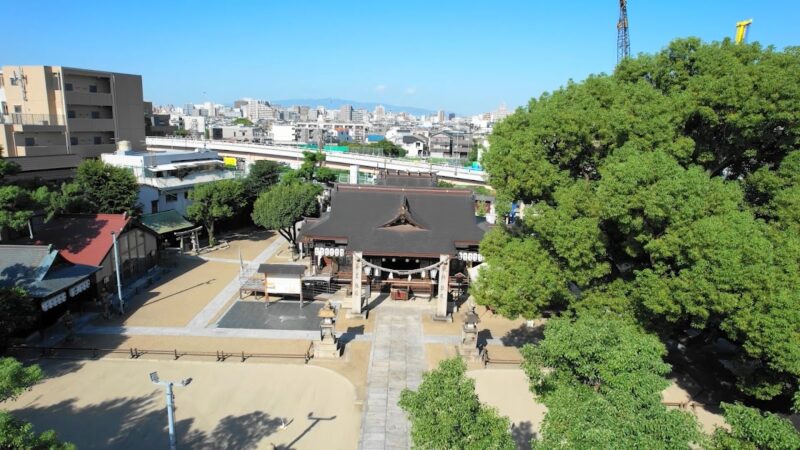
The shrine building, rebuilt in 1913 (Taisho 2), is sturdily constructed to withstand Hokkaido’s harsh climate. While adhering to traditional shrine architectural styles, it features a design adapted to Hokkaido’s unique climatic conditions.
View from the Shrine Grounds
From the grounds of Utashima Shrine, located on a hill, you can enjoy a magnificent view of the Sea of Japan. On clear days, you can see all the way to the horizon and enjoy the ever-changing expressions of the sea depending on the season.
The view at sunset is especially exceptional; the sight of the setting sun over the Sea of Japan interwoven with the serene atmosphere of the shrine soothes the hearts of visitors.
Seasonal Attractions
Spring (April-June)
With the arrival of spring, new greenery sprouts throughout the shrine grounds, and the air becomes refreshing. As the snow melts, the area around the shrine becomes lively.
Summer (July-August)
Summer is the season for Shinto rituals, including the annual festival. Local people gather and deepen their bonds through traditional events.
Autumn (September-November)
In autumn, the trees on the shrine grounds change color, offering beautiful autumn foliage. It is also a time to express gratitude for the harvest.
Winter (December-March)
During Hokkaido’s harsh winter, the shrine grounds are covered in snow, creating a tranquil atmosphere. The shrine buildings amidst the snowy landscape present a fantastical beauty.
Annual Events and Festivals
At Utashima Shrine, various Shinto rituals and festivals are held throughout the year.
Main Annual Events
New Year’s Festival (January 1st)
A festival to welcome the new year and pray for peace and prosperity throughout the year. It is bustling with many first-time visitors.
Grand Festival (Summer)
The most important festival at Utashima Shrine, celebrated grandly by the entire community. A portable shrine procession and offering ceremonies may also be held.
Autumn Grand Festival
A festival to express gratitude for a bountiful harvest. Thanks are given for the year’s harvest, and prayers are offered for a good harvest in the following year.
Monthly Festival
A festival held regularly every month, where prayers for the peace of the community and the wishes of the worshippers are offered to the gods.
Etiquette and Manners for Visiting a Shrine
Basic Etiquette for Visiting a Shrine
- Bow before passing through the torii gate: Bow as a sign of respect before entering the sacred area.
- Walk along the edge of the path: The center is considered the path of the gods.
- Purify yourself at the water basin: Purify your left hand, right hand, and mouth in that order.
- Worship in front of the main hall: Two bows, two claps, and one bow is the basic procedure.
- Bow upon leaving: Turn around and bow before leaving the torii gate.
About Goshuin (Shrine Seals)
You can also receive a goshuin at Utashima Shrine. Remember that a goshuin is proof of your visit, not a stamp rally. It is important to bring your goshuin book and make your request politely.
The shrine office may be unattended, so it is recommended to check with the Hokkaido Shrine Association or a local tourist information center beforehand.
Access Information
Location
Wakkanai City, Hokkaido (Please check the Hokkaido Shrine Association website for the detailed address)
Access by Public Transportation
From JR Wakkanai Station
- Bus: Use local buses operating within Wakkanai City
- Taxi: Approximately 15-20 minutes (depending on distance)
Access by Car
From the Hokkaido Expressway
- Head north on National Route 40, passing through Wakkanai city center
- Set “Utashima Shrine” or a nearby landmark on your car navigation system
Parking
There is parking space on the shrine grounds or in the surrounding area, but congestion is expected during festivals.
Notes on Access
- Snow and ice may occur during winter (November-April)
- Take sufficient precautions against the cold
- Check weather information in advance as the weather can change suddenly
Nearby Tourist Attractions
When visiting Utashima Shrine, we recommend also visiting other tourist attractions in Wakkanai City.
Cape Soya
Famous as Japan’s northernmost point, Cape Soya is a highlight of Wakkanai sightseeing. A commemorative photo at the “Monument to Japan’s Northernmost Point” is a must.
Wakkanai Park
This park, located on a hill, offers panoramic views of Wakkanai city and the Sea of Japan. Highlights include the Centennial Memorial Tower and the Ice and Snow Gate.
Cape Nosappu
Known as a famous spot for sunsets, this scenic location offers stunning views of Mount Rishiri. The Wakkanai City Youth Science Museum and aquarium are also located here.
Wakkanai Port North Breakwater Dome
This uniquely shaped breakwater, 427 meters long, is designated as a Hokkaido Heritage site.
The Relationship Between Wakkanai City and Utashima Shrine
As Japan’s northernmost city, Wakkanai City possesses a unique history and culture. In this region, which has developed amidst a harsh natural environment, Utashima Shrine has played a crucial role as a spiritual pillar.
Center of the Local Community
Since its founding, Utashima Shrine has been a gathering place for local residents, a place where people deepened their bonds through festivals and religious ceremonies. Even today, it plays a central role in preserving local traditions and culture.
Deep Connections to the Fisheries
Wakkanai is one of Japan’s leading fishing bases, and Utashima Shrine attracts the faith of those involved in the fishing industry, who pray for safety at sea and bountiful catches. Many fishermen visit the shrine to pray for safety before setting sail and to express gratitude for good catches.
Characteristics of Shrines in Hokkaido
Understanding Utashima Shrine is also important, as it reveals the unique characteristics of shrines in Hokkaido.
Relatively Recent Founding Period
While many shrines on Honshu were founded before the Heian period, most shrines in Hokkaido were founded from the late Edo period to the Meiji period. Utashima Shrine’s founding in 1840 (Tenpo 11) follows this trend.
Settlement and Faith
Many shrines in Hokkaido were founded by settlers who invited the spirits of their hometown shrines or prayed for the success and safety of their settlements. These shrines became spiritual anchors supporting life in the harsh natural environment.
History of Shrine Consolidation
As with Utashima Shrine, many examples of multiple shrines being consolidated during the Meiji era’s shrine reorganization policy can be found throughout Hokkaido. This is linked to the process of small settlements being merged.
Useful Facts to Know Before Visiting
Difference Between Shrines and Temples
Shrines are Shinto facilities that enshrine ancient Japanese deities. Temples, on the other hand, are Buddhist facilities. Utashima Shrine is a shrine, so it has a torii gate and is staffed by Shinto priests.
About the Shrine Ranking System
Under the shrine ranking system established during the Meiji era, shrines were classified into categories such as Kanpei-sha (government-supported shrines), Kokuhei-sha (national shrines), Fuken-sha (prefectural shrines), Go-sha (village shrines), and Son-sha (village shrines). Utashima Shrine, classified as a “son-sha,” was positioned as the central shrine of the village.
Relationship with Inari Shrines
Both shrines that were merged with Utashima Shrine were Inari shrines. Inari is widely worshipped as the god of abundant harvests and business prosperity, and is the most widely worshipped deity throughout Japan.
The Future and Preservation Activities of Utashima Shrine
Utashima Shrine, with a history of over 180 years, faces various challenges even today.
Value as a Cultural Asset
The shrine building, rebuilt during the Taisho era, is a valuable cultural asset that conveys the architectural techniques and religious practices of that time. Appropriate maintenance and preservation activities are required.
Collaboration with the Local Community
Amidst depopulation and an aging population, strong collaboration with the local community is essential for maintaining the shrine. Intergenerational exchanges are taking place through festivals and cleaning activities.
Utilization as a Tourism Resource
As a historical shrine and a spot where visitors can enjoy the scenery of Wakkanai, its value as a tourism resource is increasing. Efforts are being made to improve appropriate information dissemination and the development of a welcoming system.
Summary: The Charm of Utashima Shrine
Utashima Shrine has been a guardian shrine of the history and culture of Wakkanai City, Hokkaido, since its founding in 1840 (Tenpo 11). Through its history of being designated a village shrine in the Meiji era, merging with several other shrines, and relocation and reconstruction in the Taisho era, it has reached its current form.
From its elevated location, the shrine grounds offer a panoramic view of the Sea of Japan, allowing visitors to enjoy the beautiful scenery of each season. As a center of local faith and a cultural asset that tells the history of Hokkaido’s development, it is a shrine of great value.
When visiting Wakkanai, be sure to visit Utashima Shrine and experience its history and traditions. In the tranquil atmosphere of this long-established shrine in Japan’s northernmost region, you can spend a peaceful time finding peace of mind.
The Hokkaido Shrine Association website provides detailed information on Utashima Shrine and other shrines throughout Hokkaido. Check the latest information before your visit to enjoy a fulfilling pilgrimage experience.