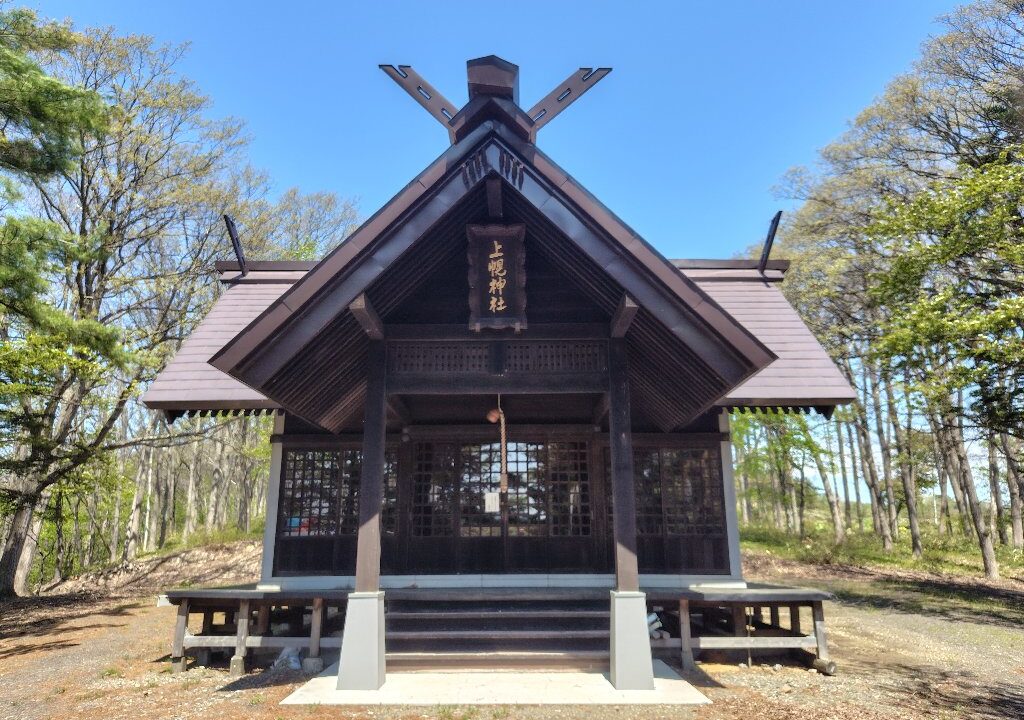
Complete Guide to Kamihoro Shrine | A Thorough Explanation of History, Deities, Access, and Annual Festival Information
Hokkaido is home to numerous shrines that have protected the region since the pioneering era. Among them, Kamihoro Shrine is a shrine that has garnered the faith of pioneers and settlers during the Meiji era, and has continued to weave its history as a spiritual pillar of the region to this day. This article comprehensively provides useful information for those considering visiting Kamihoro Shrine or those interested in Hokkaido’s shrines, covering its detailed history, enshrined deities, features of the grounds, access methods, and annual events.
What is Kamihoro Shrine?
Kamihoro Shrine is a shrine located in Hokkaido, cherished as the guardian deity of the local residents. As a shrine belonging to the Hokkaido Shrine Association, it is officially recognized as a religious corporation and plays a central role in the region’s spiritual culture.
Basic Information about Kamihoro Shrine
We have compiled basic information you should know before visiting Kamihoro Shrine.
Location: Located in the Kamihoro district of Hokkaido
Shrine Rank: Village Shrine (Former Rank)
Religious Corporation Approval: 1961
Annual Festival Day: September 13th
Shrine Building Style: Shinmei-zukuri
Jurisdiction: Hokkaido Shrine Association
The Shinmei-zukuri style of shrine building is a traditional Japanese architectural style, exemplified by Ise Grand Shrine, characterized by its simple yet majestic appearance. Kamihoro Shrine’s building also adopts this style, presenting a beautiful form that harmonizes with Hokkaido’s natural environment.
History and Origin of Kamihoro Shrine
History of Faith from the Pioneer Era
The history of Kamihoro Shrine is closely linked to the development of Hokkaido during the Meiji era. In 1896 (Meiji 29), pioneers from Honshu crossed to the northern land with faith in the gods of their homeland. For these pioneers forging a new land in a harsh natural environment, shrines were a source of spiritual support and a symbol of community unity.
Initially, the settlers erected small shrines in each district, enshrining deities they had invited from their hometowns. These small shrines were scattered throughout the settlements, functioning as the spiritual centers of each local community.
The Merger of Six Shrines and the Founding of Kamihoro Shrine
In 1960 (Showa 35), a significant decision was made with the aim of regional development and the integration of faith. It was resolved to merge the six shrines that had been scattered throughout the district into one, creating a new shrine known as Kamihoro Shrine.
This relocation and merger had significance beyond mere shrine consolidation. More than 60 years had passed since the settlement, and as the region, once separate settlements, matured into a single community, it was a natural progression for the center of faith to also converge.
Following the relocation and merger in 1960 (Showa 35), the shrine received formal registration as a religious corporation in 1961 (Showa 36). At this time, the annual festival day was set as September 13th, and since then, this day has been the most important festival day of Kamihoro Shrine.
A Journey with the Community
Since its founding, Kamihoro Shrine has served as the tutelary shrine of the local residents, accompanying them through various milestones in their lives. It has functioned as a place for life rituals such as first shrine visits for newborns, Shichi-Go-San (a traditional rite of passage for children), exorcisms, and weddings, and as a place to deepen community bonds through annual events such as the spring festival and the annual festival.
Many shrines in Hokkaido do not have the millennium-long histories of ancient shrines on Honshu, but they carry the weight of history gained from overcoming the difficult times of pioneering together. Kamihoro Shrine is one such shrine with a history unique to Hokkaido.
About the Deities
Kamihoro Shrine enshrines the deities that were worshipped by each of the six shrines that were merged. These deities were invited by the pioneers from their hometowns, and each has a deep meaning and origin.
Divine Virtues of the Main Deities Enshrined
The deities enshrined in the combined shrines are thought to include the following gods:
Amaterasu Omikami
The supreme deity of Japan, a deified representation of the sun. Possesses divine virtues of national peace, abundant harvests, and good fortune.
Okuninushi no Okami
Known as the god of nation-building, worshipped as the god of matchmaking, abundant harvests, business prosperity, and medicine. An important deity for people seeking stability in their new lives in pioneering lands.
Ubusunagami
Deities protecting the land of each region. Pioneers invited the Ubusunagami of their hometowns, seeking the protection of their homeland gods in their new lands.
Characteristics of Deities Enshrined in Hokkaido Shrines
The deities enshrined in Hokkaido shrines have characteristics that differ from those of ancient shrines on Honshu. In many cases, the deities enshrined here were invited from shrines in the pioneers’ hometowns, and many of them are from the Hokuriku region (Niigata, Toyama, Ishikawa prefectures) and the Tohoku region.
In the case of Kamihoro Shrine, since the deities invited from the hometowns of six different settlements are enshrined together in one building, it is possible that a diverse range of deities are worshipped here. This can be considered an important characteristic that tells the story of the history of Hokkaido’s development.
Highlights and Facilities of the Shrine Grounds
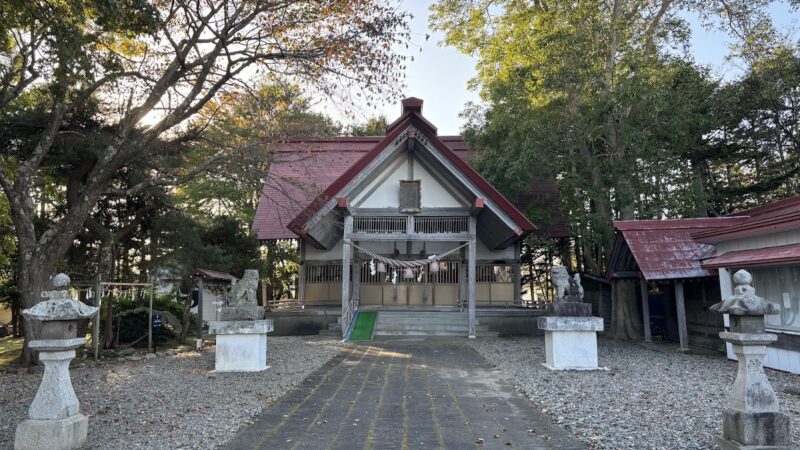
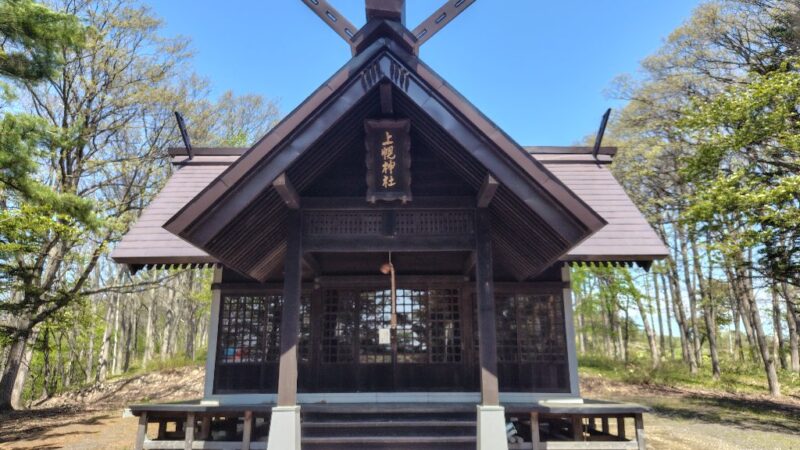
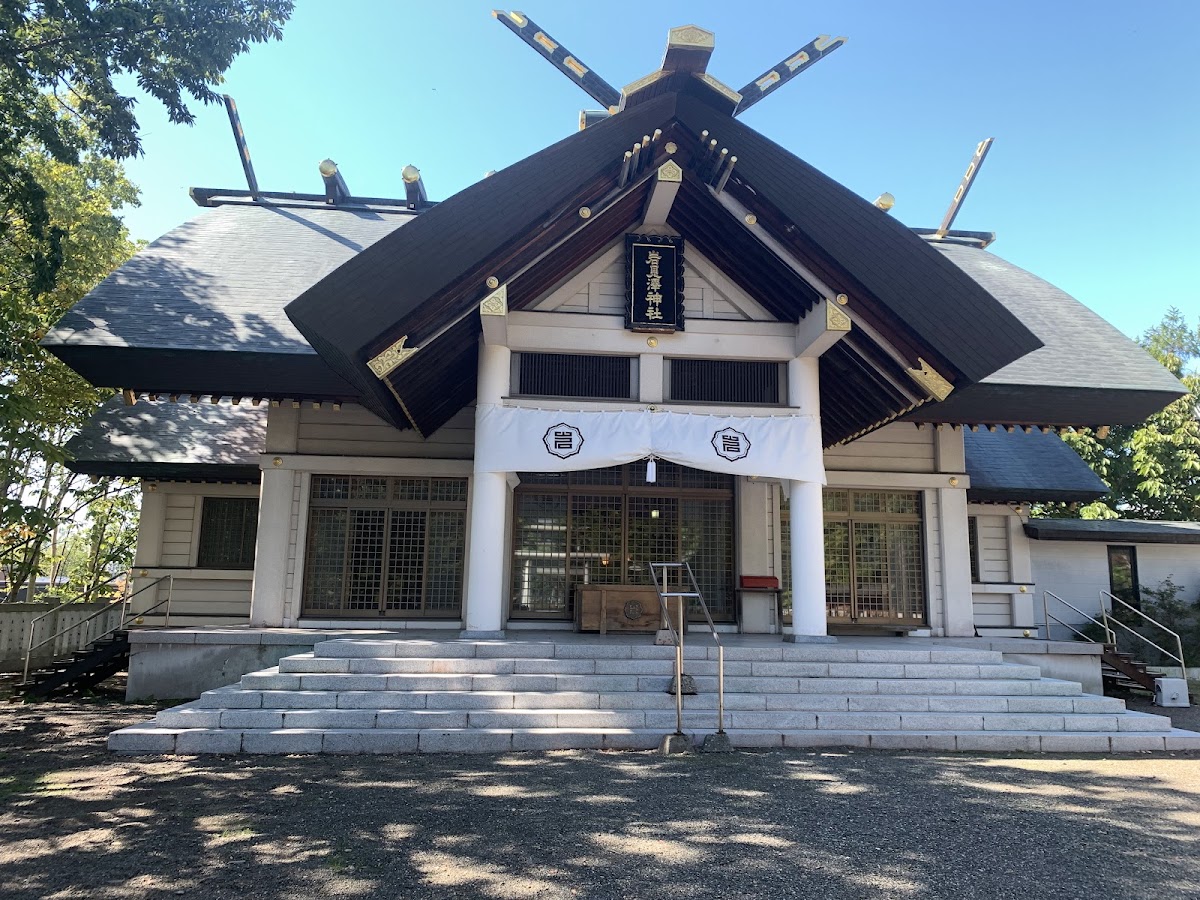
Features of the Shrine Building and Grounds
The shrine building of Kamihoro Shrine is built in the Shinmei-zukuri style. Shinmei-zukuri is one of the oldest styles of Japanese shrine architecture, based on a gable roof, a flat entrance, and featuring chigi (ornamental roof finials) and katsuogi (decorative roof beams).
The size of the shrine building and grounds is commensurate with the number of parishioner households in the area, and it can accommodate many worshippers during events such as the annual festival.
Atmosphere of the Shrine Grounds
Many shrines in Hokkaido, while surrounded by residential areas, maintain lush green spaces and function as places of relaxation for local residents. Kamihoro Shrine is no exception, offering a tranquil space away from the hustle and bustle of everyday life.
The shrine grounds, displaying different expressions throughout the seasons—cherry blossoms and fresh greenery in spring, deep green in summer, vibrant autumn leaves, and snowscapes in winter—allow visitors to feel the changing seasons.
Worship Facilities
The following facilities are provided within the shrine grounds:
- Haiden: A place where worshippers offer their prayers
- Honden: The most sacred place where the enshrined deity resides
- Temizuya: A place to purify oneself before worship
- Shamusho: A place where goshuin (shrine stamps) and amulets are given out
- Keidaisha: Sometimes subsidiary shrines or smaller shrines are enshrined here
Annual Events and the Annual Festival
Annual Festival (September 13th)
The most important festival of Kamihoro Shrine is the annual festival, held every year on September 13th. The annual festival is the most formal of the shrine’s annual events, an important Shinto ritual in which gratitude is offered to the enshrined deity for the past year and prayers are offered for the peace and prosperity of the region.
On the day of the annual festival, a solemn ceremony is held by Shinto priests, and representatives of the parishioners and local residents attend. Following the ceremony, a celebratory feast (naorai) is held, where attendees deepen their relationships while sharing the offerings left over from the festival.
Spring Festival
Many shrines in Hokkaido hold spring festivals in the spring to pray for a bountiful harvest and the safety of the community. Kamihoro Shrine also holds a spring festival, embodying the joy of welcoming a new season after the long winter and a prayer for a safe year ahead.
Other Annual Events
Shrines perform various Shinto rituals throughout the year:
New Year’s Day Festival (January 1st)
A festival to celebrate the New Year and pray for peace throughout the year.
Setsubun Festival (around February 3rd)
A ritual to ward off evil and invite good fortune through bean-throwing and other activities.
Summer Purification Ceremony (June 30th)
A Shinto ritual to cleanse away the sins and impurities accumulated over the past six months.
Year-End Purification Ceremony (December 31st)
A Shinto ritual to cleanse away the sins and impurities accumulated over the past year and welcome the New Year with a fresh start.
Life Rituals and Shrines
First Shrine Visit
This is a ritual where a baby visits a shrine for the first time after birth to pray for their healthy growth. It is generally customary for boys to visit on the 31st day after birth and girls on the 32nd day, but in Hokkaido, the date is often determined flexibly considering the climate.
Shichi-Go-San
This is a celebration of the growth of children aged 3, 5, and 7, and a prayer for their future health and happiness. It is customary to visit the shrine around November 15th, but in Hokkaido, it is often held in October to avoid the cold.
Exorcism of Misfortune
This is a prayer to avoid misfortune and live safely during the unlucky years of life. For men, the unlucky years are 25, 42, and 61; for women, 19, 33, and 37.
Wedding Ceremony
A Shinto wedding ceremony is a traditional ceremony where a couple exchanges vows before the gods. In a solemn atmosphere, ceremonies such as the San-San-Ku-Do (three-three-nine-times exchange of sake cups) and the offering of tamagushi (sacred branches) are performed.
Access to Kamihoro Shrine
Location
Kamihoro Shrine is located in the Kamihoro area of Hokkaido. The detailed address can be found on the Hokkaido Shrine Association website.
Transportation Access
Access by Car
Access by car is the most convenient in Hokkaido. You can confirm the exact location by entering the shrine’s name or address into your car navigation system. Parking for visitors is often available on or near the shrine grounds.
Access by Public Transportation
You will need to take a bus or taxi from the nearest station. Since access to shrines in Hokkaido may be limited by public transportation, it is recommended to check transportation options in advance.
Precautions When Visiting a Shrine
- Visiting Hours: Generally, visiting hours are from sunrise to sunset.
- Attire: For formal visits, clean and subdued clothing is desirable.
- Visiting in Winter: Hokkaido winters bring snow, so wear non-slip shoes and take adequate precautions against the cold.
- Photography: Photography is generally permitted on the shrine grounds, but please refrain from taking pictures inside the main hall or during festivals.
Proper Etiquette for Visiting a Shrine
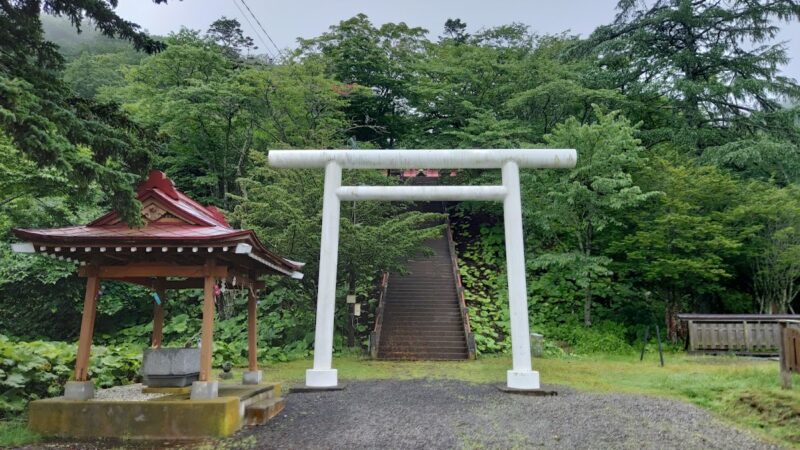
How to Pass Through a Torii Gate
The torii gate, the entrance to a shrine, is the boundary separating the secular world from the sacred realm. Before passing through the torii gate, bow once, and walk along the path avoiding the center (the center is considered the path of the gods).
Proper Ritual for Washing Hands
- Take the ladle with your right hand and wash your left hand.
- Switch the ladle to your left hand and wash your right hand.
- Take the ladle back into your right hand, receive water in your left hand, and rinse your mouth.
- Wash your left hand once more.
- Hold the ladle upright, let water flow over the handle, and return it to its original position.
Proper Ritual for Worship
The basic worship ritual at a shrine is “two bows, two claps, one bow”:
- Stand in front of the offering box and quietly place your offering in it.
- If there is a bell, ring it.
- Bow deeply twice (two bows).
- Clap your hands twice at chest height (two claps).
- Pray sincerely.
- Bow deeply once (one bow).
About the Hokkaido Shrine Association
Kamihoro Shrine is a shrine belonging to the Hokkaido Shrine Association. The Hokkaido Shrine Association is an organization that oversees shrines throughout Hokkaido, with its office located in Miyagaoka, Chuo-ku, Sapporo.
Role of the Hokkaido Shrine Association
- Supervision and guidance of shrines in Hokkaido
- Training and education of Shinto priests
- Provision of information on shrines
- Guidance on Shinto rituals and festivals
- Public relations activities (leaflets, website, TV commercials, etc.)
Characteristics of Hokkaido Shrines
There are approximately 600 shrines in Hokkaido, most of which were founded during the pioneering era after the Meiji Restoration. While they do not have the long history of ancient shrines on Honshu, they possess a unique history of walking alongside local residents through the difficult times of pioneering.
Many of Hokkaido’s shrines enshrine deities invited from the pioneers’ hometowns, and many deities from the Hokuriku region (Niigata, Toyama, Ishikawa, etc.) and the Tohoku region (Aomori, Akita, etc.) are found there. This reflects the history of Hokkaido’s pioneering efforts.
Relationship with Surrounding Shrines
Shrines with Similar Names
Several shrines in Hokkaido have the character “Horo” in their name:
Kami-Horomukai Shrine
Located in Kami-Horomukai, Iwamizawa City, it is close to Kami-Horomukai Station. It is a popular community space surrounded by residential areas.
Minami-Horomukai Shrine
Located in Minami-Horomukai, Sorachi District, it was formerly called Horomukai Shrine. Its former shrine rank was Village Shrine.
Kami-Nopporo Shrine
Located in Atsubetsu Ward, Sapporo City, it is said to have originated around 1887 when Chojiro Ogama, originally from Kyushu, built a small shrine to the mountain god.
Nopporo Shrine
Located in Ebetsu City, it was founded in 1890 when immigrants from Niigata Prefecture settled in the area.
These shrines are located in different regions and have different histories, but all are important institutions that convey the history of faith during the pioneering era of Hokkaido.
Shrines and Local Communities
Parishioner Organization
Kamihoro Shrine has a parishioner organization that cooperates in the maintenance and management of the shrine and the operation of festivals. Parishioners are local residents who worship the shrine’s guardian deity and support the shrine.
The organization, centered around the parishioner representatives, handles preparations for the annual festival, cleaning of the shrine grounds, and maintenance of the shrine buildings, deepening the bond between the shrine and the local community.
Involvement in Local Events
Shrines function not only as religious facilities but also as the center of the local community. Events such as the annual festival and spring festival provide valuable opportunities for local residents to gather and interact, fostering bonds across generations.
Especially in rural and suburban areas of Hokkaido, shrines play an important role in preserving local traditions and culture even as urbanization progresses.
About Goshuin (Shrine Seals)
What are Goshuin?
Goshuin are seals and calligraphic inscriptions given as proof of visiting a shrine or temple. In recent years, collecting Goshuin (temple/shrine stamps) has become a popular hobby, and many visitors bring their Goshuin notebooks when visiting shrines.
Manners for Receiving Goshuin
- Receive after praying: Goshuin are proof of your visit, so always pray before receiving them at the shrine office.
- Prepare a donation: Generally, this is around 300 to 500 yen.
- Prepare a Goshuin notebook: Use a dedicated Goshuin notebook, not a regular notebook or memo pad.
- Request politely: Treat the Shinto priests and shrine maidens with gratitude.
- Check the hours: Visit during the hours the shrine office is open.
It is recommended to check in advance whether Kamihoro Shrine offers Goshuin. Smaller shrines may not have resident priests.
Shrine Culture in Hokkaido
Gagaku and Shrines
The Hokkaido Shrine Association is also working to promote Gagaku (Japanese court music). Gagaku is traditional music performed at Shinto shrine festivals and is Japan’s oldest orchestra, with a history of over a thousand years.
At important festivals, Gagaku is sometimes performed, further enhancing the solemn atmosphere. The sounds produced by wind instruments such as the sho, hichiriki, and ryuteki, and percussion instruments such as taiko and shoko, create a sacred space.
The Basics of Shinto Rituals
Shinto rituals performed at shrines have customs and meanings cultivated over a long history. The Hokkaido Shrine Association is working to widely disseminate information about the significance and customs of Shinto rituals.
Each element of a Shinto ritual, such as the recitation of prayers, the offering of tamagushi (sacred branches), and the naorai (ritual feast), is imbued with deep meaning. Understanding these elements allows for a more meaningful worship experience.
The Imperial Rescript on Education and Shinto Shrines
In pre-war Japan, Shinto shrines and the Imperial Rescript on Education were closely related. While the treatment of the Imperial Rescript on Education has changed in modern times, some of the moral teachings contained within it are still recognized as traditional Japanese values.
Information about this historical background is also provided on the Hokkaido Shrine Association’s website.
Summary: The Charm of Kamihoro Shrine
Kamihoro Shrine is a shrine that has walked hand in hand with the community, from the pioneering settlers of the Meiji era to the current state after the merger of six shrines in 1960. The history of faith of the pioneers who forged a new land in Hokkaido’s harsh natural environment is etched into this shrine.
The Shinto shrine building, the annual festival on September 13th, and the deep connection with the local community—all of these contribute to the charm of Kamihoro Shrine.
Through a visit, you can reflect on the history of Hokkaido’s development and feel the hardships and profound faith of the pioneers. You can also find peace of mind in the tranquil grounds and spend time away from the hustle and bustle of everyday life.
When visiting Hokkaido, or if you live in the area, please be sure to visit Kamihoro Shrine. There, you’ll find the unique history of shrines in Hokkaido and the enduring faith of the region.
Related Information and Resources
Hokkaido Shrine Association Official Website
Detailed information about shrines in Hokkaido can be found on the Hokkaido Shrine Association’s official website. Located in Miyagaoka, Chuo-ku, Sapporo City, Hokkaido, it provides comprehensive information about shrines throughout the prefecture.
Leaflets and Public Relations Materials
The Hokkaido Shrine Association creates leaflets and public relations materials to deepen understanding of shrines and Shintoism. These materials clearly explain the history of shrines, worship etiquette, and annual events.
TV Commercials
The Hokkaido Shrine Association also conducts activities to widely convey the charm and role of shrines through television commercials. These commercials convey that shrines are not merely tourist destinations, but the heart of the region’s spiritual culture.
Related Websites
Information about shrines can also be found on the following websites:
- Hokkaido Shrine Association Official Website
- Individual Shrine Websites
- Shrine Visit Information Websites (e.g., Hotokami)
- Local Tourism Information Websites
By utilizing these resources, you can gain a deeper understanding of shrines and have a more fulfilling pilgrimage experience.
Kamihoro Shrine is a historical shrine where the history of Hokkaido’s development and local beliefs are intertwined. We hope this article will deepen your understanding of Kamihoro Shrine and be helpful in your pilgrimage.