Bihoro Shrine Complete Guide | A Thorough Explanation of Everything from Goshuin (Shrine Seals), Blessings, History, and How to Visit
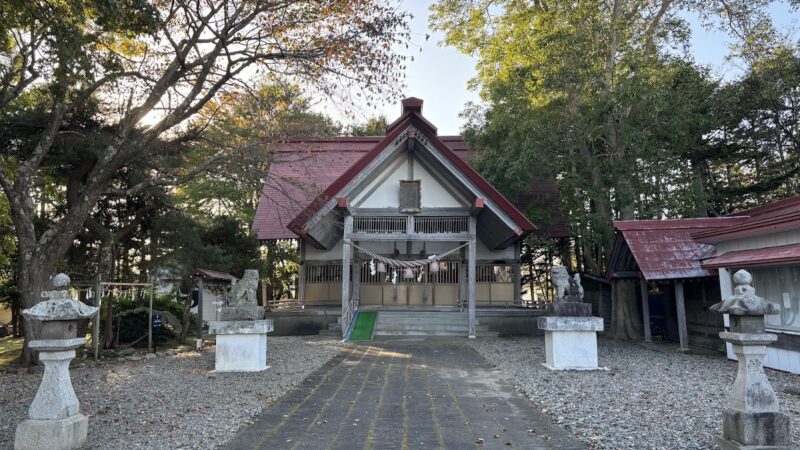
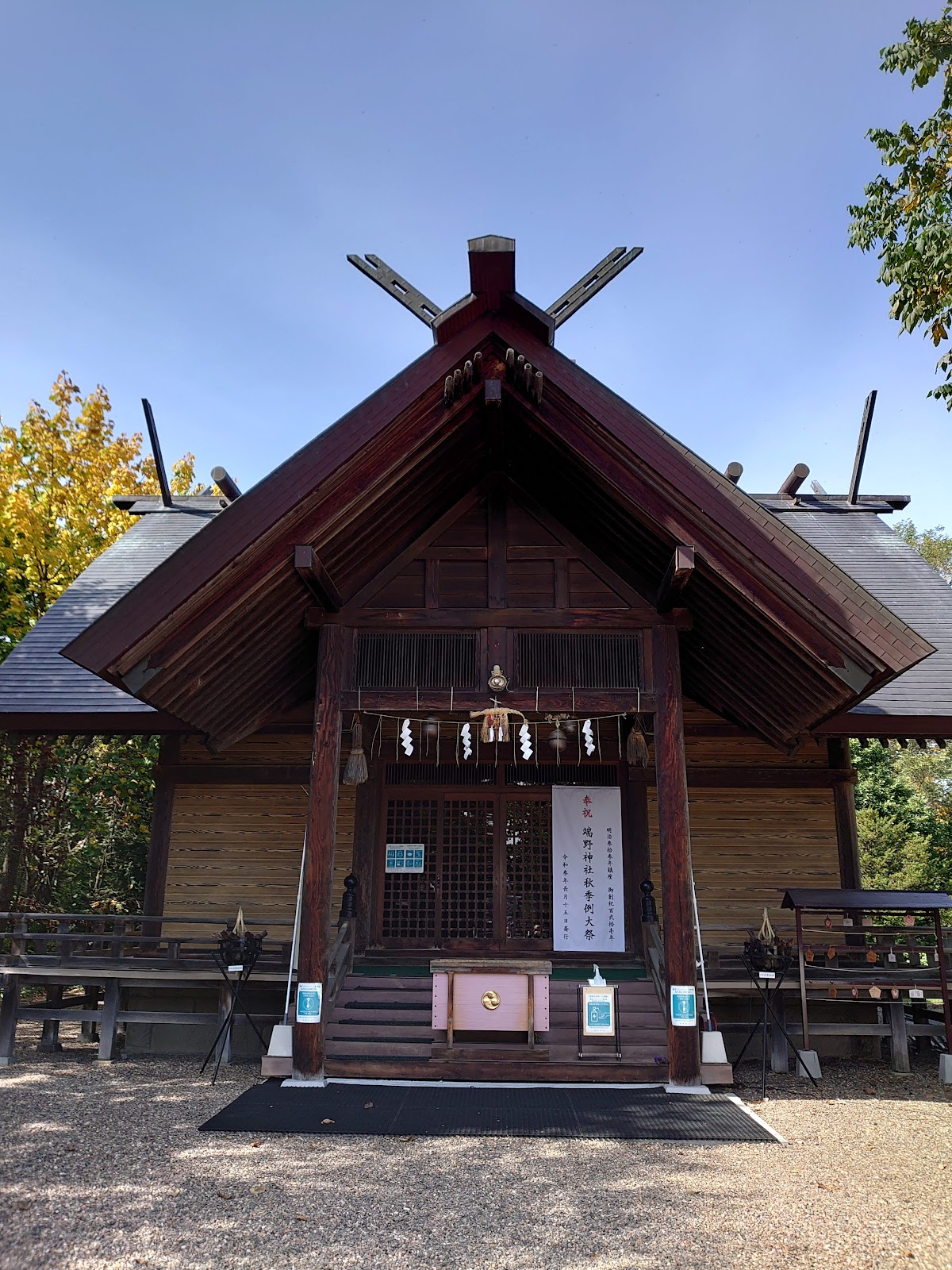
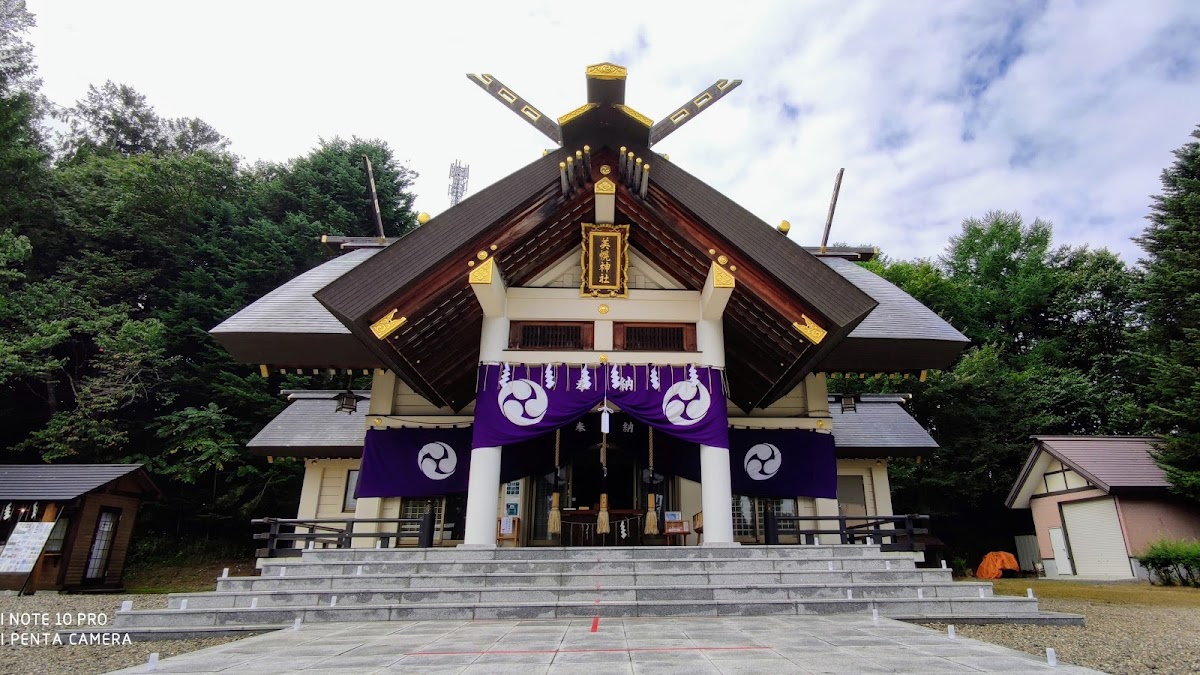
Bihoro Shrine, located in Bihoro-cho, Abashiri-gun, Hokkaido, has been a beloved spiritual center for the local people since the pioneering days of the Meiji era. With Ame-no-Tajikarao-no-Mikoto as its main deity, it serves as a guardian shrine praying for the development of agriculture and commerce, health, safety, and the prosperity of the town. Many worshippers still visit today.
This article provides a thorough explanation of everything you need to know before visiting Bihoro Shrine, including its history, enshrined deities, blessings, goshuin (shrine seals), annual events, and access methods.
What is Bihoro Shrine?
Bihoro Shrine is located at 1-1, Nishi 1-jo Minami 4-chome, Bihoro-cho, Abashiri-gun, Hokkaido. It was founded in 1903 (Meiji 36) by pioneers who migrated from Tottori Prefecture, seeking a spiritual haven amidst the harsh natural environment of primeval forests and wilderness.
Officially established on September 16, 1920 (Taisho 9), Bihoro Shrine has watched over the development of Bihoro Town for over 100 years. Currently, it is known as a shrine visited by many worshippers not only from the local area but also from within and outside Hokkaido.
Deities enshrined at Bihoro Shrine
The following three deities are enshrined at Bihoro Shrine:
Amaterasu Omikami
The supreme deity in Japanese mythology, the personification of the sun. Considered the ancestral deity of the Imperial family, she is revered as a benefactor who brings blessings to all life.
Amenotachikarao no Mikoto
The principal deity of Bihoro Shrine. Known as the god of strength who opened the rock cave when Amaterasu Omikami hid there. He is worshipped as the guardian deity of pioneering, good fortune, success in competitions, and sports.
Amenominakanushi-no-kami
Considered the first deity to appear in Japanese mythology, this is the supreme being who governs the center of the universe. It was added to the shrine on September 4, 1989, when the Soma Myoken Shrine was merged with it.
History and Origins of Bihoro Shrine
Founding History
In 1903 (Meiji 36), a group of 13 households migrated to Bihoro from Tottori Prefecture. They were followers of Togakushi Shrine in Nagano Prefecture, and seeking spiritual solace amidst the hardships of pioneering, they erected a temporary shrine in 1904 (Meiji 37).
This temporary shrine enshrined Ame-no-Tajikarao-no-Mikoto, the deity of Togakushi Shrine, and was named “Bihoro Shrine.” At that time, Bihoro was an undeveloped land of primeval forests and wilderness, and the shrine became a spiritual support for the pioneers.
History of Development
- **September 16, 1920 (Taisho 9): Officially Founded
- **1946 (Showa 21): Religious Corporation Established
- **1957 (Showa 32): Shrine Building Constructed
- **September 1, 1989 (Heisei 1): Shrine Building Constructed
- **May 15, 1991 (Heisei 3): Shrine Office Renovated
Bihoro Shrine has walked hand in hand with the development of Bihoro Town. It is cherished by the townspeople as a guardian deity of the region, praying for the development of agriculture and commerce, and as a cultural presence that conveys the history of pioneering to the present day.
Benefits of Bihoro Shrine
Bihoro Shrine is believed to offer the following benefits through the divine virtues of its enshrined deities.
Main Benefits
- Good Fortune and Prosperity: Through the powerful divine virtue of Ame-no-Tajikarao-no-Mikoto, you will be granted the strength to forge new paths.
- Business Prosperity: As a shrine dedicated to the development of commerce and industry, you can pray for the success of your business.
- Abundant Harvest: As the guardian deity of agriculture, prayers are offered for a bountiful harvest.
- Family Safety: Your family’s health and peaceful life will be protected.
- Exorcism and Protection from Misfortune: Misfortune at important life stages will be dispelled, protecting you from disaster.
- Traffic Safety: You can pray for traffic safety, including car blessings.
- Academic Success: Through the divine virtue of wisdom of Ame-no-Minakanushi-no-Kami, you can pray for academic improvement.
- Good Luck in Competitions: Many visitors come to pray for success in sports and competitions.
Goshuin (Shrine Seals), Amulets, and Gifts
About Goshuin
Bihoro Shrine offers Goshuin (shrine seals). The shrine office is open from 9:00 AM to 5:00 PM. Goshuin (shrine stamps) are given as proof of worship and as an important symbol of connecting with the deities.
Those wishing to receive a goshuin should inquire at the shrine office after their visit. Even those without a goshuincho (stamp book) can obtain one at Bihoro Shrine.
Amulets and Souvenirs
Bihoro Shrine offers a variety of amulets and souvenirs.
- Traffic Safety Amulet: An amulet to protect the safety of cars and bicycles.
- Exorcism Amulet: For those in their unlucky year or those wishing for protection from misfortune.
- Academic Success Amulet: An amulet for students taking exams or other students.
- Health Amulet: An amulet for recovery from illness and for wishing for good health and longevity.
- Rilakkuma Collaboration Goods: Ema (votive tablets) and amulets in collaboration with the popular character “Rilakkuma” are also sold and are popular with younger generations.
- Ofuda (Sacred Talisman): A talisman to be enshrined on the household shrine.
- Hama-ya (Demon-Repelling Arrow): An auspicious item to ward off evil spirits and invite good fortune.
- Ema (Votive Tablet): A votive tablet on which wishes are written and offered.
Fortune Slips
At Bihoro Shrine, you can also draw various fortune slips. You can receive messages from the gods about your fortune for the year and guidance for your life.
Annual Events and Festivals
At Bihoro Shrine, various festivals and events are held throughout the seasons. ### Main Annual Events
January
- Hatsumode: Welcome the New Year and pray for safety and prosperity throughout the year.
- Dondoyaki: A traditional event where New Year’s decorations and amulets are burned.
February
- Setsubun Festival: Bean-throwing ceremony to ward off evil and invite good fortune.
- Exorcism and Prayer for Good Health: An exorcism ceremony is held for those in their unlucky years.
Late April to Early May
- “Koi no Mori” Carp Streamer Display Project: Numerous carp streamers are displayed on the shrine grounds to coincide with the Boys’ Festival. The sight of the carp streamers, donated by local residents, swimming in the sky is breathtaking and has become a spring tradition at Bihoro Shrine. They can be seen until around May 7th every year.
July
- Reitaisai: The most important festival at Bihoro Shrine. Mikoshi processions and dedication ceremonies are held.
November
- Shichi-Go-San Pilgrimage: A traditional ceremony to pray for the healthy growth of children.
December
- Great Purification Ceremony: A Shinto ritual to cleanse away the sins and impurities accumulated over the past six months.
For detailed dates of these events, please check the official website of Bihoro Shrine or call (0152-73-2318).
Information on Prayers and Supplications
Bihoro Shrine accepts various prayers and supplications to address various milestones and wishes in life.
Available Prayers
- Car Blessing (Traffic Safety Prayer): Prayers for safety when purchasing a new car or for regular use.
- Shichi-Go-San Ceremony: Prayers for the healthy growth of children aged 3, 5, and 7.
- Exorcism of Evil Spirits: Prayers for protection against evil spirits for those in their unlucky years.
- Prayer for Good Health: Prayers for good health and protection from illness.
- Family Safety: Prayers for the health and peace of all family members.
- Business Prosperity: Prayers for the development and prosperity of the business.
- Safe Childbirth Prayer: Prayers for the safety of the pregnant woman and baby.
- First Shrine Visit: Prayers for the birth of a baby and for their healthy growth.
- Prayer for Success in Exams: Prayers for success in exams.
- Groundbreaking Ceremony: Prayers for the safety of construction work and the prosperity of the building.
- Roof-Raising Ceremony: Prayers upon completion of the building’s framework.
- Shinto Funeral Ceremony: A Shinto-style funeral service
How to Request a Prayer
We recommend making a reservation by phone (0152-73-2318) in advance if you wish to request a prayer. Same-day reservations are possible, but you may have to wait depending on the crowd.
Reception hours are 9:00 AM to 5:00 PM. The offering fee (prayer fee) varies depending on the type of prayer; please inquire for details.
Access and Basic Information
Address and Contact Information
Address: 1-4-1 Nishi 1-jo Minami, Bihoro-cho, Abashiri-gun, Hokkaido 092-0017
Phone: 0152-73-2318
Reception Hours: 9:00 AM to 5:00 PM
Access by Train
Approximately 27 minutes on foot (approx. 2.2 km) from JR Sekihoku Main Line “Bihoro Station”. A taxi from the station takes approximately 5 minutes.
Access by Car
- From Memanbetsu Airport: Approximately 15 minutes (approx. 10 km)
- From Abashiri City: Approximately 30 minutes (approx. 25 km) via National Route 39
- From Kitami City: Approximately 40 minutes (approx. 35 km) via National Route 39
- From Sapporo: Approximately 4 hours via the Hokkaido Expressway and Asahikawa-Monbetsu Expressway
Parking
The shrine has a parking lot for visitors. Temporary parking is also available during busy periods such as New Year’s Day and the annual festival.
Visiting Hours
Visiting the shrine grounds is generally free. However, the shrine office is open from 9:00 AM to 5:00 PM for the issuance of Goshuin (shrine stamps), distribution of amulets, and prayer requests.
Highlights of Bihoro Shrine
Spring “Koi no Mori” (Carp Streamer Festival)
From late April to early May, the carp streamers displayed on the shrine grounds are a spring tradition at Bihoro Shrine. The sight of numerous carp streamers, donated by local residents, swimming in the blue sky is breathtaking, creating a beautiful scene wishing for the healthy growth of children.
This “Koi no Mori” is an initiative to pass on the tradition of the Boys’ Festival (Tango no Sekku) to the modern age, attracting many visitors from both within and outside the region. It’s also a popular photo spot.
Winter Snowscape
In Hokkaido’s winter, Bihoro Shrine, covered in snow, is enveloped in a solemn atmosphere. The snow-covered grounds are filled with silence, and visiting the shrine in this crisp air is a special experience. You can enjoy the unique and charming scenery of winter.
Rilakkuma Collaboration
Bihoro Shrine has collaborated with the popular character “Rilakkuma,” offering Rilakkuma-designed ema (votive tablets) and amulets. While a traditional shrine, it is characterized by its efforts to be accessible to younger generations.
About Bihoro Town
Bihoro Town is located in the Okhotsk region of Hokkaido and has a population of approximately 18,000. Agriculture is its main industry, with particularly strong production of onions, potatoes, and wheat.
The town’s name, “Bihoro,” is said to originate from the Ainu word “piporo” (a place with abundant water), and it is a land blessed with rich water resources. It is conveniently located near Memanbetsu Airport and serves as a base for sightseeing to Abashiri and Shiretoko.
From Bihoro Pass, you can enjoy a spectacular view of Lake Kussharo, making it a popular tourist spot in eastern Hokkaido. When visiting Bihoro Shrine, please also enjoy the nature and culture of Bihoro Town.
Manners and Etiquette for Visiting Shrines
We will introduce basic manners and etiquette for visiting shrines.
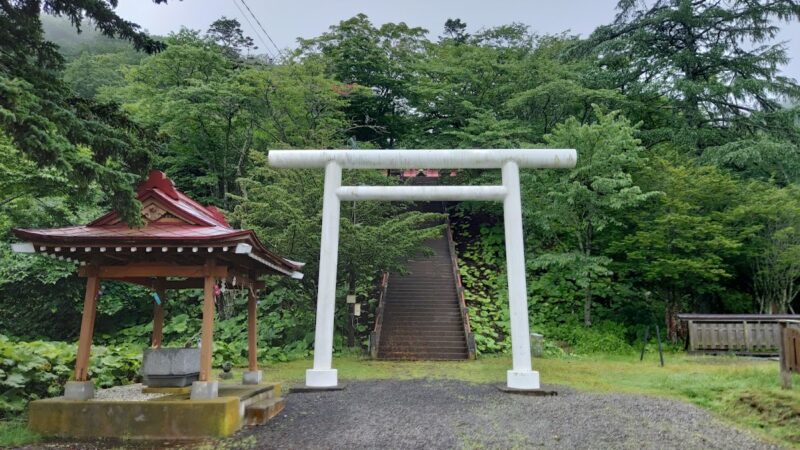
How to Pass Through the Torii Gate
The torii gate is the entrance to the sacred area. Before passing through the torii gate, bow to show respect to the gods. Since the center of the path is considered the gods’ passage, it is polite to walk along the edge.
How to Wash Your Hands
- Take the ladle in your right hand and wash your left hand.
- Switch the ladle to your left hand and wash your right hand.
- Switch the ladle back to your right hand, receive water in your left hand, and rinse your mouth.
- Wash your left hand again.
- Hold the ladle upright, let the water flow down the handle, and return it to its original position.
How to Worship at the Main Hall
- Bow slightly in front of the main hall.
- Gently place your offering in the offering box.
- If there is a bell, ring it.
- Perform two bows, two claps, and one bow (two deep bows, two claps, one deep bow).
- Finally, bow slightly and leave.
How to Check Announcements
The latest information and announcements from Bihoro Shrine can be found using the following methods.
- Official Website: https://www.bihorojinja.com/
- Instagram: @bihoro.jinja
- Facebook: Bihoro Shrine Official Page
- Phone: 0152-73-2318 (9:00-17:00)
Detailed information on seasonal events such as the Dondo-yaki (bonfire festival), exorcism, and carp streamer display in 2026 is updated regularly on the official website and social media. We recommend checking before your visit.
Nearby Tourist Attractions
Here are some nearby tourist attractions you might want to visit when you come to Bihoro Shrine.
Bihoro Pass
Located about 30 minutes from Bihoro Town, at an altitude of 525m, this pass offers a spectacular view of Lake Kussharo and Mount Mashu. Local specialty products can also be purchased at the roadside station “Gurutto Panorama Bihoro Pass”.
Lake Abashiri
Lake Abashiri, adjacent to Bihoro Town, is a popular spot for ice fishing for smelt in winter. A cycling path is also maintained along the lakeshore.
Abashiri Prison Museum
This history museum in Abashiri City preserves and displays a Meiji-era prison building. It’s about a 30-minute drive from Bihoro Shrine.
Shiretoko Peninsula
The Shiretoko Peninsula, a World Natural Heritage site, is about a 2-hour drive from Bihoro Town. It offers a valuable experience of encountering magnificent nature and wildlife.
Summary
Bihoro Shrine is a historic shrine that has watched over the development of Bihoro Town since the Meiji era’s pioneering period. It enshrines Ame-no-Tajikarao-no-Mikoto as its main deity and is believed to offer various blessings, including good fortune, business prosperity, and family safety.
With its spring “Koi no Mori” (carp forest), winter snowscapes, and Rilakkuma collaborations, it’s a fascinating shrine where tradition and modernity blend seamlessly. We offer Goshuin (temple/shrine stamps), amulets, and various prayers, making it a place you can visit at various milestones in your life.
Conveniently located near Memanbetsu Airport, Bihoro Shrine is an ideal base for sightseeing in eastern Hokkaido. When visiting Bihoro Town, we highly recommend paying a visit. The time spent quietly offering prayers while feeling the history of pioneering will surely be a special and memorable experience of your trip.
For inquiries regarding visits, please feel free to contact us by phone (0152-73-2318) or through our official website. We sincerely look forward to your visit.