Complete Guide to Tanno Shrine | History, Goshuin (Shrine Seal), and Access Information [Kitami City, Hokkaido]
Tanno Shrine, located in Tanno-cho, Kitami City, Hokkaido, is a historic shrine that preserves the history of the Tondenhei (frontier soldiers) settlement during the Meiji era. It enshrines Amaterasu Omikami as its main deity and has long been cherished by the local people. This article provides detailed information useful for visitors, including the history of Tanno Shrine, information on its goshuin, and access methods.
Basic Information on Tanno Shrine
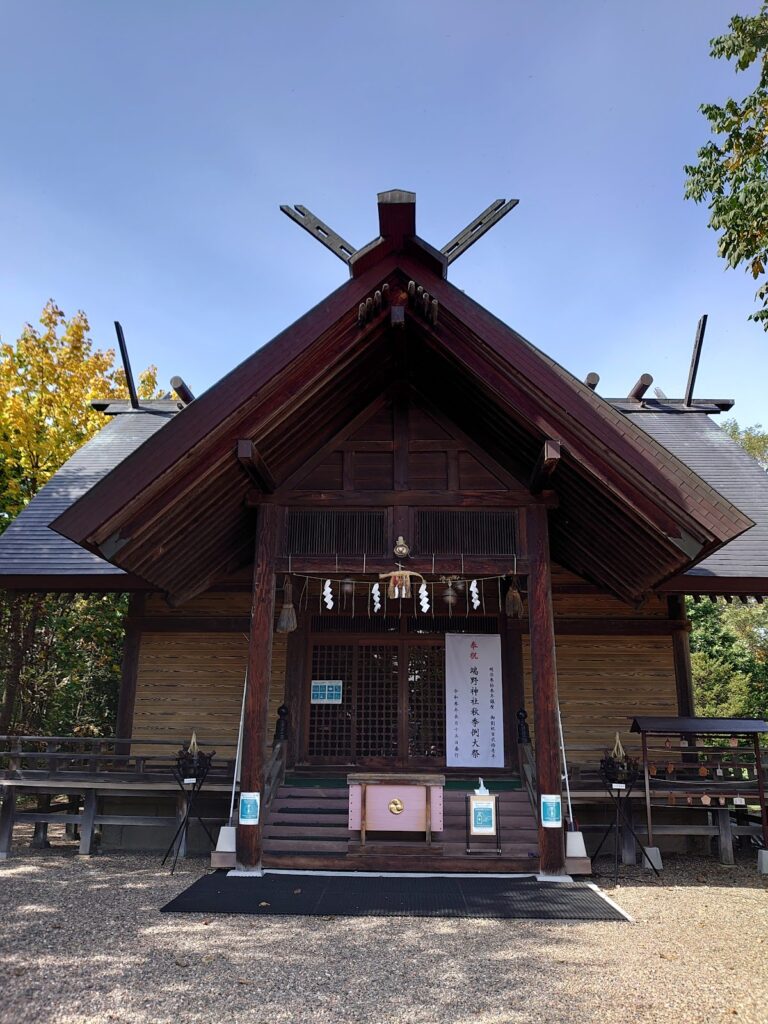
Tanno Shrine is a shrine belonging to the Hokkaido Shrine Association, and its former shrine rank was Village Shrine. It boasts a vast precinct and magnificent shrine buildings, playing an important role as a center of local faith.
Location and Contact Information
- Address: 470, 2-ku, Tanno-cho, Kitami City, Hokkaido
- Phone Number: 0157-56-2102
- FAX: 0157-56-2355
Deity Enshrined
Amaterasu Omikami
The supreme deity in Japanese mythology, and the goddess of the sun revered as the ancestral deity of the Imperial Family. Known as the deity enshrined in the Inner Shrine of Ise Grand Shrine, she is believed to bestow divine blessings such as national peace and security, abundant harvests, and family safety.
Features of the Shrine
- Shrine Style: Shinmei-zukuri (Shinmei-zukuri style)
- Shrine Area: 38.3 tsubo (approx. 125 sq m)
- Shrine Grounds Area: 5,846 tsubo (19,328 m²)
The Shinmei-zukuri style is an architectural style exemplified by Ise Grand Shrine, characterized by its gabled roof and simple, pure appearance. The shrine building of Tanno Shrine also adopts this traditional style, creating a dignified atmosphere.
History and Origins of Tanno Shrine
The founding of Tanno Shrine is deeply intertwined with the history of Hokkaido’s development.
Formation of the Tondenhei Village and Founding of the Shrine
During the Meiji era, the Tondenhei system was established for the development of Hokkaido and border security. The 1st Company of the 4th Battalion of the Tondenhei settled in the Tanno area, forming the Tanno military village (Shimotsukeushi military village).
Tanno Shrine was founded on public land northwest of the training grounds in District 2, where the company headquarters was located. It played a crucial role as a spiritual pillar for the Tondenhei (frontier soldiers) engaged in pioneering work and their families, and as the guardian deity of the region.
Development as a Village Shrine
Tanno Shrine attained the status of a village shrine and became a central presence in the local community. Currently, it boasts 2,003 parishioner households and is revered as the most important shrine in the Tanno area.
In the harsh environment of the pioneering era, people gathered at the shrine to pray for bountiful harvests and the safety of their families. This faith has been passed down through generations, continuing to support the bonds of the local community to this day.
Annual Festival and Events
Annual Festival Date
September 15th
The annual festival of Tanno Shrine is held every year on September 15th. This festival is the most important event at the shrine, where local people gather to express gratitude to the gods and pray for a bountiful harvest and the prosperity of the region.
Highlights of the Annual Festival
During the annual festival, Shinto rituals are solemnly performed, and sometimes a portable shrine procession and offering ceremonies take place. It’s a valuable opportunity to experience the region’s traditional culture, and attracts many worshippers.
Other Annual Events
In addition to the annual festival, Tanno Shrine holds various Shinto rituals throughout the year, including the New Year’s Day Festival, Setsubun Festival, Spring Festival, and Autumn Festival. These events allow visitors to experience the changing seasons of the region and serve as important opportunities to deepen the bonds among parishioners.
Goshuin (Shrine Seal) Information
In recent years, collecting goshuin has become a popular pastime during shrine visits. Goshuin can also be obtained at Tanno Shrine.
Goshuin Reception
- Reception Status: Always available
- Reception Hours: 9:00 AM – 6:00 PM
- Format: Pre-printed only
Tanno Shrine’s goshuin are provided in pre-printed format. You can receive it at the shrine office, so please be sure to get one as a memento of your visit.
Features of the Goshuin (Shrine Seal)
The Goshuin of Tanno Shrine has the shrine name and date of visit written in ink, and stamped with a red seal. Its simple yet dignified design makes it a worthwhile addition to your Goshuincho (stamp book) collection.
Manners for Receiving a Goshuin
A Goshuin is proof of your visit and is not a stamp rally. The correct procedure is to first offer your prayers sincerely at the main shrine, and then receive your Goshuin at the shrine office. When paying the offering fee (around 300-500 yen), it’s best to have the exact amount ready to avoid needing change.
Amulets and Souvenirs
Tanno Shrine offers a variety of amulets and souvenirs to suit the wishes of visitors.
Distinctive Amulets
Tanno Shrine offers amulets where only the inner amulet can be replaced. This is an environmentally conscious initiative and a practical system that allows you to continue using the outer bag. ### Nontakun Amulet
Amulets featuring Nontakun, the official character of Tanno Town, are also popular. These amulets, rich in local character, are a unique offering of Tanno Shrine and make a delightful souvenir.
Other Offerings
A variety of amulets are available to address various wishes, including traffic safety, family safety, academic success, and protection from evil. Talismans and sacred sake are also offered.
Access Information
Here’s how to access Tanno Shrine.
Access by Train
From Tanno Station on the JR Sekihoku Line
- Approximately 15-22 minutes on foot (approximately 1.5 km)
- Approximately 5 minutes by taxi
Tanno Station is on the Sekihoku Line, connecting Kitami Station and Abashiri. The shrine is within walking distance from the station, but a taxi is convenient if you have a lot of luggage or if the weather is bad.
Access by Bus
From Tanno Community Center Entrance Bus Stop
- Approximately 7 minutes on foot (516m)
From Higashi 17-go Line Bus Stop
- Approximately 10 minutes on foot (759m)
You can use the bus routes heading towards Tanno from Kitami city. The bus stops are relatively close, making bus access convenient.
Access by Car
Via National Route 39
From Kitami city center, head east on National Route 39 to reach Tanno Shrine. The shrine has a parking lot for visitors, so you can visit by car with peace of mind.
- Approximately 15 minutes from Kitami city center
- Approximately 40 minutes from Memanbetsu Airport
Car Navigation Settings
Searching by address “470, Tanno-cho, Kitami City, Hokkaido” or phone number “0157-56-2102” will provide accurate directions.
Nearby Attractions
When visiting Tanno Shrine, why not also explore the surrounding tourist spots?
Nearby Shrines
Nikoro Shrine
- Approximately 1 hour 11 minutes on foot from Tanno Shrine (5.6 km)
Kitami Shrine
- Approximately 1 hour 28 minutes on foot from Tanno Shrine (7 km)
- A prestigious shrine known as the guardian shrine of Kitami City
Inari Shrine
- Approximately 2 hours 41 minutes on foot from Tanno Shrine (8 km)
For those who enjoy visiting shrines, you can also enjoy a “shrine tour” by visiting these shrines together.
Tourism in Tanno Town
Tanno Town is a region where agriculture thrives, and peaceful rural landscapes spread out. You can enjoy the beautiful rural scenery from spring to autumn. You can also purchase fresh vegetables and local specialties at local farmers’ markets.
Manners and Points for Visiting Shrines
Here are some basic manners to observe when visiting a shrine.
How to Pass Through a Torii Gate
The torii gate is the entrance to the sacred area. Before passing through the torii gate, bow once and walk while avoiding the center of the path (the path of the gods).
How to Wash Your Hands
- Take the ladle with your right hand and wash your left hand.
- Switch the ladle to your left hand and wash your right hand.
- Switch the ladle back to your right hand, receive water in your left hand, and rinse your mouth.
- Wash your left hand once more.
- Hold the ladle upright, let water flow down the handle, and return it to its original position.
How to Worship at the Shrine Hall
The basic method is “two bows, two claps, one bow.”
- Quietly place your offering in the offering box.
- Ring the bell (if present).
- Bow deeply twice.
- Clap your hands twice at chest height.
- Join your hands together and offer a prayer.
- Finally, bow deeply once.
Attire for Visiting the Shrine
No special attire is required, but clean clothing that reflects the sacred nature of the place is desirable. Avoid excessive exposure even in summer, and take proper precautions against the cold in winter.
The Charm of Tanno Shrine
A Shrine that Tells the History of Development
The greatest charm of Tanno Shrine is that it tells the history of Hokkaido’s development. As a shrine founded on land opened by Tondenhei (frontier soldiers), you can feel the pioneering spirit of the Meiji era.
Vast Grounds
The vast grounds, approximately 19,328 square meters (5,846 tsubo), offer a sense of openness not found in urban shrines. You can spend a relaxing time in a quiet environment surrounded by abundant nature.
A Faith Rooted in the Community
With 2,003 parishioners, Tanno Shrine functions as the heart of the local community. During events such as the annual festival, local people gather, and you can witness the continuation of traditions.
Seasonal Scenery
The seasonal changes in Hokkaido are even more dramatic than in Honshu. The fresh green of spring, the lush green of summer, the vibrant autumn foliage, and the snowy winter landscapes offer completely different scenery depending on the season you visit.
Practical Information for Visiting Tanno Shrine
Estimated Time Required for Visiting
30 minutes to 1 hour is a good guideline, including a stroll around the shrine grounds. If you plan to receive a Goshuin (shrine stamp) or wish to visit at a more leisurely pace, it’s best to plan for a little more time.
Busy Periods
- New Year’s Day (January 1st-3rd)
- Annual Festival (around September 15th)
- Shichi-Go-San Season (November)
While there are many visitors during these periods, the shrine grounds are spacious, so extreme congestion is rare. ### Photography
Photography is generally permitted on the shrine grounds, but please be considerate of other visitors. It is considered good manners to refrain from taking photos inside the main hall.
Accessibility Information
Due to the nature of the shrine, there are some areas with steps. If you wish to visit in a wheelchair, it is recommended to contact the shrine in advance.
About the Tanno Area
History of Tanno Town
Tanno Town was established in 1897 (Meiji 30) when Tondenhei (frontier soldiers) settled there. It developed primarily through agriculture and existed as an independent town until its merger with Kitami City in 2006.
Tanno’s Local Products
The Tanno area is a major producer of agricultural products, particularly onions. It is known as one of the leading onion-producing regions in Hokkaido, producing high-quality onions with a strong sweetness.
Nontakun
Nontakun, the mascot character of Tanno Town, is a character based on an onion. It’s a beloved local deity, even appearing on the amulets of Tanno Shrine.
Other Shrines in Kitami City
When visiting Tanno Shrine, why not also visit other shrines in Kitami City?
Kitami Shrine
A prestigious shrine known as the guardian shrine of Kitami City. Founded in 1897 (Meiji 30), it is located in the city center of Kitami.
Ainai Shrine
A shrine located in Ainai-cho, Kitami City, it is a center of local faith.
Rubeshibe Shrine
A central shrine of the former Rubeshibe town, characterized by its historical shrine building.
Places to Visit After Your Pilgrimage
Michi-no-Eki Onneyu Onsen
A roadside station located in Rubeshibe-cho, Kitami City, featuring hot springs, local specialty products, and a restaurant. Approximately 30 minutes by car from Tanno Shrine.
Northern Fox Farm
This facility allows you to observe the Northern Fox, unique to Hokkaido, up close. You’ll be soothed by the adorable foxes.
Peppermint Museum
Kitami City was once known as the “City of Peppermint,” producing 70% of the world’s peppermint market. At the Peppermint Museum, you can learn about its history.
Summary
Tanno Shrine is a historic shrine located in Tanno-cho, Kitami City, Hokkaido. It preserves the history of settlement by the Tondenhei (frontier soldiers) and has long been cherished by the local people, with Amaterasu Omikami as its enshrined deity.
The shrine boasts a Shinto-style building, vast grounds, and a warm, community-oriented atmosphere. Goshuin (shrine stamps) are always available as pre-printed items, and unique offerings such as amulets featuring Tanno-cho’s character, “Nontakun,” are also popular.
Located about a 15-minute walk from JR Tanno Station and easily accessible by car, it’s a must-visit spot when sightseeing in Kitami. While the shrine is particularly lively on its annual festival day, September 15th, you can enjoy its beautiful scenery throughout the seasons, so you’re sure to discover something new no matter when you visit.
Why not visit Tanno Shrine, where the pioneering spirit and traditions of Hokkaido breathe life into, and reflect on its history in a peaceful atmosphere? The warm atmosphere of the shrine, nurtured by the faith and culture of the local people, will gently welcome all visitors.