Complete Guide to Ginkgoyama Shrine (Akita Prefecture) | 1300 Years of History and the Giant Ginkgo Trees, a Natural Monument
Located in Nifuna, Futatsui-cho, Noshiro City, Akita Prefecture, Ginkgoyama Shrine is a venerable shrine boasting a history of over 1300 years. Within its grounds are three gigantic ginkgo trees, over a thousand years old, which have been carefully protected by the local community as Akita Prefecture’s designated natural monuments. This shrine, also known as “Goshado” since ancient times, is a place of worship known for its blessings related to breastfeeding and matchmaking, and continues to attract many worshippers.
History and Origins of Ginkgoyama Shrine
Background of its Founding and the Legend of Abe no Hirafu
The exact founding date of Ginkgoyama Shrine is unknown, but according to the oral traditions of the elders, it dates back to the reign of Empress Saimei, the 37th Emperor of Japan (655-661). It is said that during his eastern expedition to subdue the Emishi people in the Asuka period, Abe no Hirafu led eighty warships to this area and enshrined the deity here to pray for victory.
Abe no Hirafu was a historical figure who led three campaigns against the Emishi in 658, 659, and 660, during the reign of Empress Saimei. The Noshiro region was located near the border with the Emishi territory at the time and was a strategically important base. The founding of this shrine is believed to have taken place within this historical context.
Ranking as a Local Shrine and Modern Development
In July 1872 (Meiji 5), Ginkgoyama Shrine was ranked as a local shrine. A local shrine is one of the ranks of shrines under the modern shrine ranking system, signifying official recognition as an important shrine in the region. This ranking established the shrine’s position as a religious and cultural center within the local community.
Formerly known as “Goshado,” it functioned as a place of worship where multiple deities were enshrined. Throughout its long history, the shrine has been revered as a spiritual pillar for local residents and as a guardian deity of agriculture and all aspects of life.
Deities and Blessings
Ginkgoyama Shrine enshrines multiple deities, each believed to bestow different blessings. Beneath the large ginkgo tree on the shrine grounds are enshrined Izanagi-no-Mikoto and Izanami-no-Mikoto, the gods of creation in Japanese mythology.
These divine couple are considered gods who preside over the birth and prosperity of life, and have long been believed to grant blessings for conception, safe childbirth, and marital harmony. The worship associated with the large ginkgo tree on the shrine grounds, in particular, has developed into a unique local folk belief, attracting the devotion of many women.
Main Benefits
- Breastfeeding/Nursing: Prayers for successful breastfeeding through the miraculous power of the female ginkgo tree.
- Matchmaking/Good Relationships: Fulfillment of good relationships, associated with the married ginkgo tree.
- Childbearing/Safe Childbirth: Divine virtues of Izanagi and Izanami.
- Victory in Battle/Good Fortune in Competition: Improved luck in competitions, based on the shrine’s founding history.
- Family Safety/Abundant Harvest: Benefits as a guardian deity of the region.
Natural Monument Giant Ginkgo Trees
Characteristics of the Three Giant Ginkgo Trees
The greatest highlight of Ginkgoyama Shrine is the three giant ginkgo trees standing in the back left of the shrine grounds. These were designated as Akita Prefecture Natural Monuments in 1955, boasting an overwhelming presence with a height of approximately 25 meters and a circumference of approximately 9 meters at the base.
According to the legends of the elders, these ginkgo trees are a pair of sacred ginkgo trees called “Appearance of the Age of the Gods,” and it is believed that their seeds were planted when the shrine was founded. They are estimated to be over 1300 years old, making them a valuable presence as one of the oldest trees in the Noshiro region.
The Legend of the Female Ginkgo Tree and Breastfeeding
Of the three ginkgo trees, the one called the “Female Ginkgo” has a unique characteristic. Part of its trunk hangs down like a breast, and this part is called the “Breast-Hanging Ginkgo” or “Breast Ginkgo.”
There is an old legend about this Female Ginkgo tree that says, “If a woman who cannot produce breast milk circles this tree five times and makes a wish, she will be able to produce milk.” Many women have actually believed this legend and visited the shrine, and there are numerous reports of their wishes being granted.
The Married Couple Ginkgo Trees and Matchmaking Beliefs
The three ginkgo trees are also called the “Married Couple Ginkgo Trees,” and are believed to bring good fortune in finding a partner and marital harmony. The legend that “you will be blessed with a good wife” has been widely believed among young women in the region.
In autumn, these ginkgo trees turn a magnificent golden color, covering the entire shrine grounds with a yellow carpet. This time of year sees a particularly large influx of worshippers and tourists, and it’s a popular spot for photography.
Highlights of the Shrine Grounds
Shrine Buildings and Grounds Layout
The grounds of Ginkgoyama Shrine are a sacred space enveloped in a tranquil atmosphere. While maintaining the style of traditional shrine architecture, the shrine buildings are also adapted to the local climate and environment.
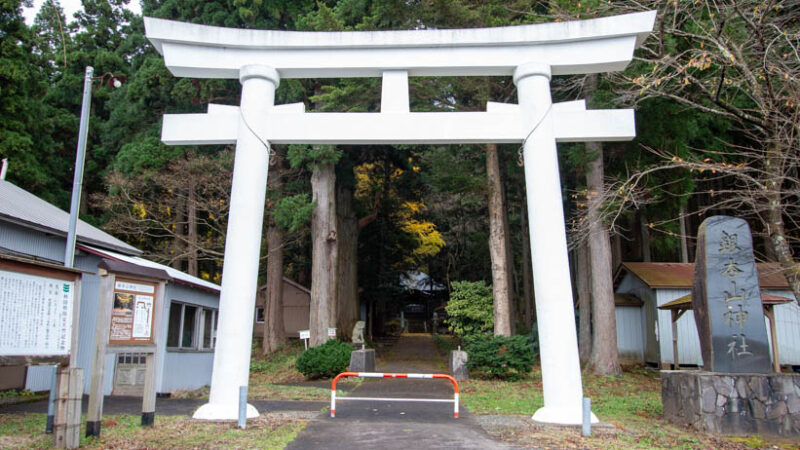
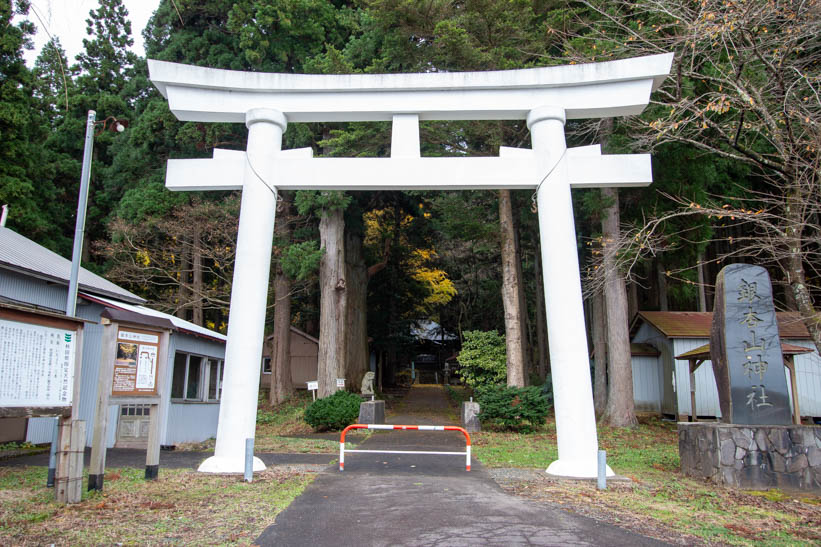
The layout of the grounds is such that, upon proceeding along the approach, the worship hall is directly ahead, with the main shrine located behind it. To the left and rear stands a large ginkgo tree, a natural monument, and at its base is a small shrine dedicated to Izanagi and Izanami. The entire grounds are meticulously clean, reflecting the careful maintenance by the local people.
Seasonal Expressions
Ginkgo Mountain Shrine displays different expressions throughout the four seasons. In spring, the ginkgo trees sprout new green leaves, and in summer, the deep green leaves create cool shade within the shrine grounds. The autumn foliage season is the most beautiful, with the peak viewing period being from early to mid-November. In winter, the snow-covered grounds create a solemn atmosphere.
The golden foliage of the ginkgo trees in autumn is particularly breathtaking; the sight of the 25-meter-tall giant trees shining in golden hues captivates visitors. The scene of fallen ginkgo leaves covering the shrine grounds is also a popular scene for photography enthusiasts.
Basic Information
Location and Access
Address: 018-3113 Nifuna, Futatsui-machi, Noshiro City, Akita Prefecture
Transportation Access:
- Approximately 5 minutes by car from JR Ou Main Line “Futatsui Station”
- Approximately 20-25 minutes on foot from Futatsui Station
- Approximately 10 minutes by car from Akita Expressway “Futatsui Shirakami IC”
- Approximately 15 minutes by car from Noshiro city center
Parking: Parking available for visitors on the shrine grounds (free)
Visiting Hours and Admission Fee
Visiting Hours: Grounds are freely accessible (24-hour visitation possible)
Admission Fee: Free
Shrine Office Hours: Daytime (prior confirmation recommended)
Inquiries
For detailed information, prayers, and Goshuin (shrine stamps), please contact the Akita Prefectural Shrine Association or the Noshiro City Tourism Association.
Points and Manners for Visiting the Shrine
Etiquette for Visiting the Shrine
When visiting Ginkgoyama Shrine, please follow the general etiquette for visiting a shrine.
- Bow before passing through the torii gate.
- Avoid walking in the center of the path (the center is the path of the gods).
- Cleanse your hands and mouth at the water basin (may be unusable in winter due to freezing).
- Bow twice, clap twice, and bow once in front of the main hall.
- Show respect when viewing the large ginkgo tree.
Method of Praying for Breastfeeding
If you wish to pray for breastfeeding using the female ginkgo tree, the traditional method is to “walk around the tree five times.” However, currently, from the perspective of tree protection, care must be taken not to step on the roots. The most important thing is to pray with sincerity.
Precautions Regarding Photography
Photography is generally permitted on the shrine grounds, but please note the following points.
- Photography inside the shrine may be prohibited.
- Please be considerate of other visitors.
- Avoid using tripods during crowded times.
- Do not touch or break the branches of the ginkgo trees, which are designated as a natural monument.
Nearby Tourist Attractions
Highlights of Futatsui Town
Futatsui Town in Noshiro City, where Ginkgoyama Shrine is located, also boasts other attractive tourist spots.
Kimimachizaka Prefectural Natural Park: A scenic spot along the Yoneshiro River, known for its beautiful autumn foliage. It’s about a 10-minute drive from Ginkgoyama Shrine, making a visit to both highly recommended.
Michi-no-Eki Futatsui: A roadside station where you can purchase local specialties and fresh agricultural products. Convenient for taking a break or buying souvenirs.
Nanazayama: Although a low mountain at 287 meters above sea level, the summit offers spectacular views of the Yoneshiro River and the Noshiro Plain.
Tourism in Noshiro City
If you venture to the center of Noshiro City, you’ll find many more tourist attractions, such as the Noshiro City Hall Sakura Garden and Kaze no Matsubara (Windy Pine Grove). Noshiro is also famous as a basketball city, and you can visit the Basketball Museum, among other things.
Cultural Value of Ginkgoyama Shrine
As a Center of Local Faith
Ginkgoyama Shrine has functioned as a spiritual pillar for the Nifuna district of Futatsui Town for over 1300 years. In the era when agriculture was the main industry, grand festivals praying for a bountiful harvest were held there, strengthening the bonds of the local community.
Even today, local residents continue cleaning activities and maintaining the festivals, making it an indispensable presence for the community.
Importance as a Natural Monument
The three large ginkgo trees, designated as natural monuments by Akita Prefecture, are extremely valuable from a biological and historical perspective. Ginkgo trees over 1300 years old are rare in the prefecture, and their excellent state of preservation is highly praised by experts.
The “breast-drooping” shape of the female ginkgo tree is a rare characteristic among ginkgo trees and is a fascinating subject of folkloric research. As an example of the connection between trees and folk beliefs, it is also important material for understanding Japanese religious culture.
Significance of the Abe no Hirafu Legend
The founding legend of Ginkgoyama Shrine is valuable as a clue to understanding the history of the ancient Tohoku region. Abe no Hirafu’s conquest of the Emishi is a historical fact recorded in the *Nihon Shoki*, and shrines where this legend remains are scattered throughout the Tohoku region.
The legend of Ginkgoyama Shrine provides valuable evidence that the Noshiro region was already an important area in ancient times, and also shows the relationship between the central government and the Tohoku region.
Visitor Voices and Experiences
Many visitors to Ginkgoyama Shrine report being moved by the tranquil atmosphere of the shrine grounds and the awe-inspiring presence of the large ginkgo tree. Especially during the autumn foliage season, many comments are heard such as, “It was more beautiful than I imagined,” and “I was enveloped in a mystical atmosphere.”
Women who have visited the shrine to pray for breastfeeding have reported that their wishes have been granted, demonstrating that the faith continues to thrive today. Furthermore, history-loving tourists highly appreciate it as a “valuable place where one can feel the history from ancient times.”
Summary: The Charms of Ginkgoyama Shrine
Ginkgoyama Shrine in Futatsui-cho, Noshiro City, Akita Prefecture, is a shrine with multifaceted charms, boasting a history of over 1300 years, a giant ginkgo tree designated as an Akita Prefecture natural monument, and blessings for breastfeeding and matchmaking.
The founding legend by Abe no Hirafu conveys the history of ancient Tohoku, and the three giant ginkgo trees embody the mystery and vitality of nature. In particular, the legend of the female ginkgo tree granting breastfeeding demonstrates the richness of the local folk beliefs, and many women still visit the shrine today to offer their prayers.
The shrine grounds display beautiful scenery throughout the seasons, and the autumn foliage season, in particular, offers a breathtaking view. Located in a tranquil setting, Ginkgoyama Shrine offers a space where history, nature, and faith harmonize, making it a must-visit spot when traveling to Akita Prefecture.
Its convenient location, just a 5-minute drive from Futatsui Station, is another attractive feature. When sightseeing in Noshiro City or northern Akita Prefecture, be sure to visit Ginkgoyama Shrine and experience this sacred space steeped in a thousand years of history.