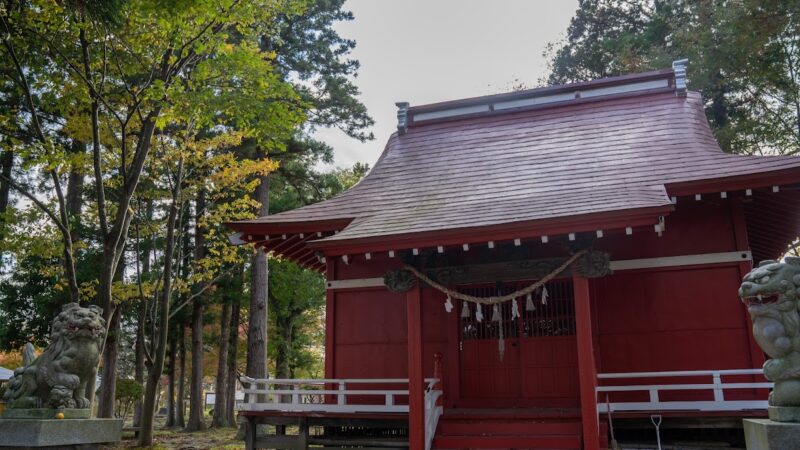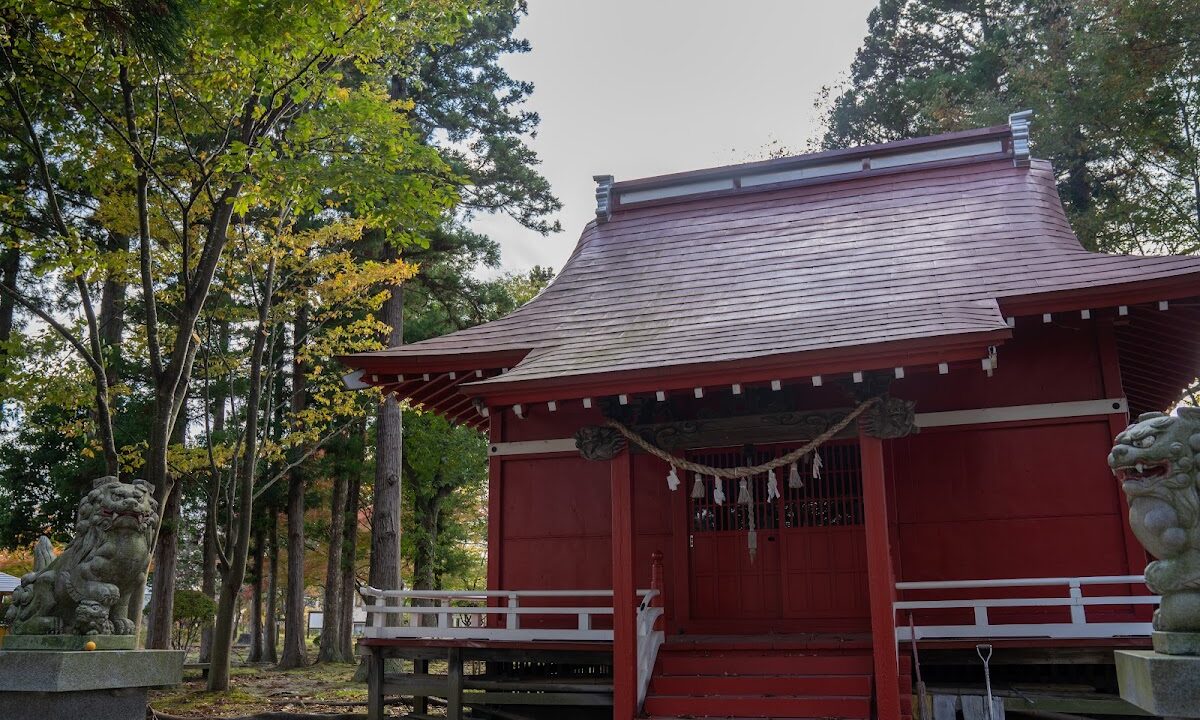
Inari Shrine (Inoda, Towada Nishikigi, Kazuno City, Akita Prefecture) | Detailed Information, Access, and History
Located in Inoda, Towada Nishikigi, Kazuno City, Akita Prefecture, the Inari Shrine has long been a beloved place of worship deeply rooted in the local community. This article provides detailed information about the shrine, from its basic information and history to access methods and surrounding environment, useful for those considering visiting or researching it.
Basic Information on Inari Shrine
Location and Contact Information
Address: 25 Inouda, Nishikigi, Towada, Kazuno City, Akita Prefecture
Postal Code: 〒018-5336
Corporate Number: 2410005003384
Address Pronunciation: Akita-ken, Kazuno-shi, Towada Nishikigi, Azainouda
Inari Shrine is located in the Nishikigi area of the Towada district in Kazuno City, in northern Akita Prefecture. Kazuno City is close to the border with Aomori Prefecture and is also close to natural tourist destinations such as Lake Towada and Hachimantai.
Detailed Corporate Information
The corporate number 2410005003384 was assigned based on the corporate number system managed by the National Tax Agency, indicating that this Inari Shrine is a formally registered religious corporation. This corporate number allows for accurate identification in nationwide temple and shrine searches and complete shrine lists.
Deities and Beliefs
There are over 30,000 Inari shrines nationwide, making them a top-ranking shrine name in the national ranking of identical shrine names. Generally, Inari shrines enshrine Ukanomitama-no-kami, who is believed to grant blessings such as abundant harvests, business prosperity, and family safety.
Inari worship is also deeply rooted in Akita Prefecture. Due to the region’s thriving agricultural sector, Inari has been worshipped by local residents as a guardian deity of fields and for praying for bountiful harvests.
History and Origins of Inari Shrines
Historical Background of the Kazuno Region
The northern region of Akita Prefecture, including Kazuno City, has a long history of being ruled by various warlords, including the Nanbu, Tozawa, and Satake clans. Many Inari shrines registered with the Akita Prefectural Shrine Association were established during the medieval and early modern periods by local warlords and influential figures.
The Towada Nishikigi area was formerly part of Towada Village, and a settlement centered on agriculture was formed there. It is believed that Inari shrines played a central role in the local community, serving as a spiritual anchor for these settlements.
Spread of Inari Faith
Inari faith originated at Fushimi Inari Taisha in Kyoto and spread throughout Japan. In Akita Prefecture, too, Inari shrines were established in various locations from the Edo period onward, accompanying the development of commerce and new land reclamation. In the Kazuno region, it is presumed that Inari faith, which prayed for business prosperity and abundant harvests, spread along with economic development due to copper mine development and road construction.
How to Access Inari Shrine
Access by Public Transportation
Nearest Station: JR Hanawa Line “Kazuno-Hanawa Station” or “Towada-Minami Station”
Distance from Station: Approximately 5-8 km
Public transportation in Kazuno City is limited, so using a car or taxi from the nearest station is convenient. Bus routes also operate, but the number of services is limited, so it is recommended to check the timetable in advance.
Access by Car
Nearest Interchange: Tohoku Expressway “Kazuno-Hachimantai IC”
Travel Time from IC: Approximately 15-20 minutes
If using the Tohoku Expressway, exit at Kazuno-Hachimantai IC and head towards Towada-Nishikigi via National Route 282 or a prefectural road. If using a car navigation system, it is convenient to search using the address “25 Inoda, Towada-Nishikigi, Kazuno City, Akita Prefecture” or postal code “018-5336”.
Parking Information
As this is a small, local shrine, there may not be a dedicated large parking lot. When visiting, please check the situation around the shrine and be considerate of the neighbors.
Map of the area around Inari Shrine
Geographical Characteristics
The Towada Nishikigi area is located in the southern part of Kazuno City and extends towards Lake Towada. The surrounding area is a rural area with expansive rice paddies, surrounded by mountains and blessed with abundant nature.
Major Facilities in the Surrounding Area
- Towada District Community Center: Local meeting facility
- Nishikigi Elementary School: Local educational institution (current status needs confirmation due to school consolidation)
- Agricultural Facilities: Surrounded by fields and farmlands, with scattered agricultural warehouses, etc.
Location in Relation to Tourist Spots
- Lake Towada: Approximately 30-40 minutes by car
- Oyu Stone Circle: Approximately 20 minutes by car
- Kazuno City Center (Hanawa District): Approximately 15 minutes by car
Kazuno City is blessed with tourist resources such as Jomon period ruins, hot springs, and natural landscapes. It is possible to visit these tourist spots in conjunction with a visit to the Inari Shrine.
List of Nearby Shrines
Major Inari Shrines in Kazuno City
There are several Inari Shrines in Kazuno City, Akita Prefecture. Each is located in a different district, attracting local devotions.
1. Inari Shrine (Towada Suehiro)
Address: 29 Kamiyashiki, Towada Suehiro, Kazuno City, Akita Prefecture
Postal Code: 〒018-5337
Corporate Number: 9410005003386
Located in the same Towada district as the Inari Shrine in Towada Nishikigi, this shrine protects the surrounding settlements. The Suehiro district is adjacent to the Nishikigi district; while not within walking distance, it’s a few minutes’ drive away.
2. Inari Shrine (Hanawa)
Address: 88 Terasaka, Hanawa, Kazuno City, Akita Prefecture
Postal Code: 〒018-5201
Corporate Number: 5410005003365
This Inari Shrine is located in the Hanawa district, the central area of Kazuno City. Hanawa is located in the central area of Kazuno City, where the city hall and shopping streets are situated, making it a more urban environment for a shrine. Historically, Hanawa has been the political and economic center of the Kazuno region, and this Inari Shrine has attracted worshippers along with the region’s development.
3. Inari Shrine (Hachimantai)
Address: 58 Hichison, Hachimantai, Kazuno City, Akita Prefecture
Postal Code: 〒018-5141
Corporate Number: 6410005003364
This Inari Shrine is located in the Hachimantai area. Hachimantai is located in the western part of Kazuno City, close to the tourist area including the Hachimantai Onsenkyo hot spring resort on the border of Akita and Iwate Prefectures.
Other Nearby Shrines
Dainichi Shrine
In some areas of Kazuno City (e.g., Jinbei-gawara area), Dainichi Shrines are also located alongside Inari Shrines. These shrines sometimes hold festivals from the 8th to the 9th of spring (April) and autumn (September), playing an important role as part of the local annual events.
Kōinari Shrine
In the Kazuno region, there is also a shrine called “Kōinari Shrine,” which attracts local devotion. A characteristic feature is the presence of various Inari-related shrines with different names, as derivative forms of Inari shrines.
Shrine Culture and Characteristics of Kazuno City
Shrine Statistics of Akita Prefecture
Akita Prefecture ranks mid-level in the national ranking of the number of shrines by prefecture, and shows average figures in terms of the number of shrines per capita and per area. Many shrines within the prefecture are registered with the Akita Prefectural Shrine Association, and Kazuno City has a certain number of shrines in the ranking of shrines by city/town/village.
Regional Festival Culture
In the northern region of Akita Prefecture, including Kazuno City, annual events centered around spring and autumn festivals are held at each shrine. These festivals are often held to coincide with milestones in the agricultural season, serving as important opportunities to pray for a bountiful harvest and the safety of the community.
The dates of Inari shrine festivals vary by shrine, but in most cases, they are held around April before rice planting in the spring and around September or October after the harvest in the autumn. Local residents participate in the preparations, and sometimes include portable shrine processions and dedication ceremonies.
Shrines and Local Communities
In regional cities facing population decline and aging, shrines hold significance beyond mere religious institutions. As highlighted in regional development projects such as “Akita Genki Mura,” shrine festivals and cleaning activities serve as places for community interaction, playing a crucial role in maintaining community.
The Inari Shrine in Towada Nishikigi is also thought to function as a spiritual pillar of the community and a place to deepen the bonds among residents.
Points to Note and Manners When Visiting a Shrine
Basic Worship Etiquette
- When passing through the torii gate: Bow before entering the shrine grounds.
- Purification at the water basin: Purify your left hand, right hand, and mouth in that order.
- Worship Method: Two bows, two claps, and one bow is the basic method.
- Offering: There is no set amount, but offer it respectfully.
Considerations Unique to Local Shrines
In the case of small local shrines, there may not be a resident priest. If you wish to receive a goshuin (shrine stamp) or prayer, it is recommended to inquire with the Akita Prefectural Shrine Association or a nearby shrine in advance.
Also, since many shrines are maintained by local residents, it is necessary to be considerate of the community by keeping the grounds clean and refraining from trespassing on private property or farmland.
Regarding Photography
Photography is generally permitted at shrines, but you should refrain from photographing sacred areas such as the interior of the main hall or the deity. Furthermore, during festivals, it is considered good manners to obtain permission from local residents before taking photographs.
History and Cultural Background of Kazuno City
Overview of Kazuno’s History
The Kazuno region has been inhabited since ancient times, and the Oyu Stone Circle from the Jomon period is designated as a National Special Historic Site. In the Middle Ages, it was under the rule of the Nanbu clan, in the early modern period it was part of the Morioka Domain, and after the Meiji Restoration it was incorporated into Akita Prefecture.
Due to this complex historical background, the Kazuno region has formed a unique cultural sphere where the cultures of Akita Prefecture and Iwate Prefecture (Nanbu region) are blended.
Industry and Life
Agriculture is the core industry of Kazuno City, with rice cultivation and livestock farming being particularly thriving. It also prospered in the past with mining, including the Osarizawa Mine. The Towada Nishikigi district is also a settlement centered on agriculture, and the worship of Inari Shrine is an expression of the earnest prayers of local residents for safety in agricultural work and a bountiful harvest.
Modern Kazuno City
Present-day Kazuno City is working on regional development by utilizing its tourism resources, such as Lake Towada, hot springs, local cuisine like kiritanpo, and the Oyu Onsen hot spring resort. Although the population is declining, the city aims for sustainable community development while preserving its rich natural environment and historical culture.
Nationwide Spread of Inari Worship
Inari Shrines Across Japan
Referencing national shrine databases, lists of all Buddhist temples, and lists of all Shinto shrines reveals that Inari shrines are widely distributed throughout Japan. Inari shrines exist in every prefecture, from Hokkaido in the north to Kyushu and Okinawa in the south.
Numerous Inari shrines also exist in the Tohoku region, including Hokkaido, Aomori, Iwate, Miyagi, Akita, Yamagata, and Fukushima prefectures, each developing its own unique form of worship.
Diversity of Inari Shrines
Even with the same name, “Inari Shrine,” their history, enshrined deities, and scale vary considerably. Shrines come in a variety of forms, from large-scale shrines like Kyoto’s Fushimi Inari Taisha to small local shrines. Towada Nishikigi Inari Shrine, as a community-oriented shrine, has a history of growing alongside the local people.
Shrine Search and Digital Information
Online Shrine Information
In modern times, it’s possible to search for shrine information nationwide online through shrine search engines and various temple/shrine databases. Various data is publicly available, from basic information such as corporate numbers, addresses, and postal codes, to, in some cases, aerial photographs and map information.
Smartphone Use
An increasing number of shrine information websites are accessible from smartphones using QR codes. Before visiting a shrine, you can check detailed information on your smartphone or use it for navigation in conjunction with map apps.
Full-Text Search Function
Many shrine database websites offer a full-text search function, allowing you to find your desired shrine using keywords such as shrine name, address, and enshrined deity. You can also narrow your search by prefecture or city/town/village from the top page.
Other Inari Shrines in Akita Prefecture
Famous Inari Shrines in the Prefecture
Besides the Inari Shrine in Towada Nishikigi, there are many other Inari shrines in Akita Prefecture.
Yojiro Inari Shrine (Akita City)
The Yojiro Inari Shrine in Akita City is known as a shrine dedicated to Yojiro the fox, who served as a messenger for the Satake clan. It is a shrine with a unique history, with a legend of Yojiro the fox who met a tragic end.
Inari Shrines in Various Regions
Inari worship is widespread from the Kanto region, including Ibaraki, Tochigi, and Gunma prefectures, to the Tohoku region, and Akita Prefecture is no exception. Inari shrines throughout the prefecture have characteristics that reflect the history and culture of their respective regions.
Significance of Worship and Modern Value
A Place of Spiritual Peace
In modern society, shrines have value as places to find spiritual peace. For many, the time spent escaping the hustle and bustle of daily life and finding peace of mind in the quiet grounds is a precious experience.
Value as a Cultural Property and Historical Heritage
Local shrines are also cultural properties and historical heritage that convey the history of the land. The architectural style, offerings, and forms of festivals reveal the history and cultural changes of the region.
Core of the Local Community
As mentioned above, shrines play a central role in local communities. Through festivals and cleaning activities, intergenerational exchanges are fostered, strengthening community bonds.
Summary
The Inari Shrine (corporate number 2410005003384), located at 25 Inoda, Towada Nishikigi, Kazuno City, Akita Prefecture, has played an important role as a place of worship rooted in the community.
This area, with postal code 018-5336, is a naturally rich rural area, and the Inari Shrine serves as a place of prayer for abundant harvests and the safety of the community. Several Inari shrines exist within Kazuno City, each attracting local devotions.
For those considering a visit, access by car is recommended due to limited public transportation. It’s approximately 15-20 minutes from the Kazuno-Hachimantai Interchange on the Tohoku Expressway. Nearby attractions include Lake Towada and the Oyu Stone Circles, allowing visitors to fully enjoy the nature and history of the Kazuno region.
The Towada Nishikigi Inari Shrine plays a vital role in the nationwide Inari faith. Why not visit this shrine, which preserves the region’s history and culture?
*When visiting, please be considerate of local residents, observe proper shrine etiquette, and show respect. If you wish to receive a Goshuin (shrine stamp) or prayers, it is recommended to inquire with the Akita Prefectural Shrine Association or a nearby shrine in advance.