Taga Shrine (Shii, Kokura Minami-ku, Kitakyushu City, Fukuoka Prefecture) Complete Guide | Deities, Goshuin (Shrine Seal), and Access Information
Taga Shrine, located in Shii, Kokura Minami-ku, Kitakyushu City, has long been revered as the local guardian deity. This article comprehensively introduces detailed information you should know before visiting, including the deities enshrined at Taga Shrine, its history, goshuin (shrine seal), access methods, and annual festivals.
Basic Information about Taga Shrine
Location
Address: 354 Shii, Kokura Minami-ku, Kitakyushu City, Fukuoka Prefecture 802-0985
Phone Number: 093-451-4695
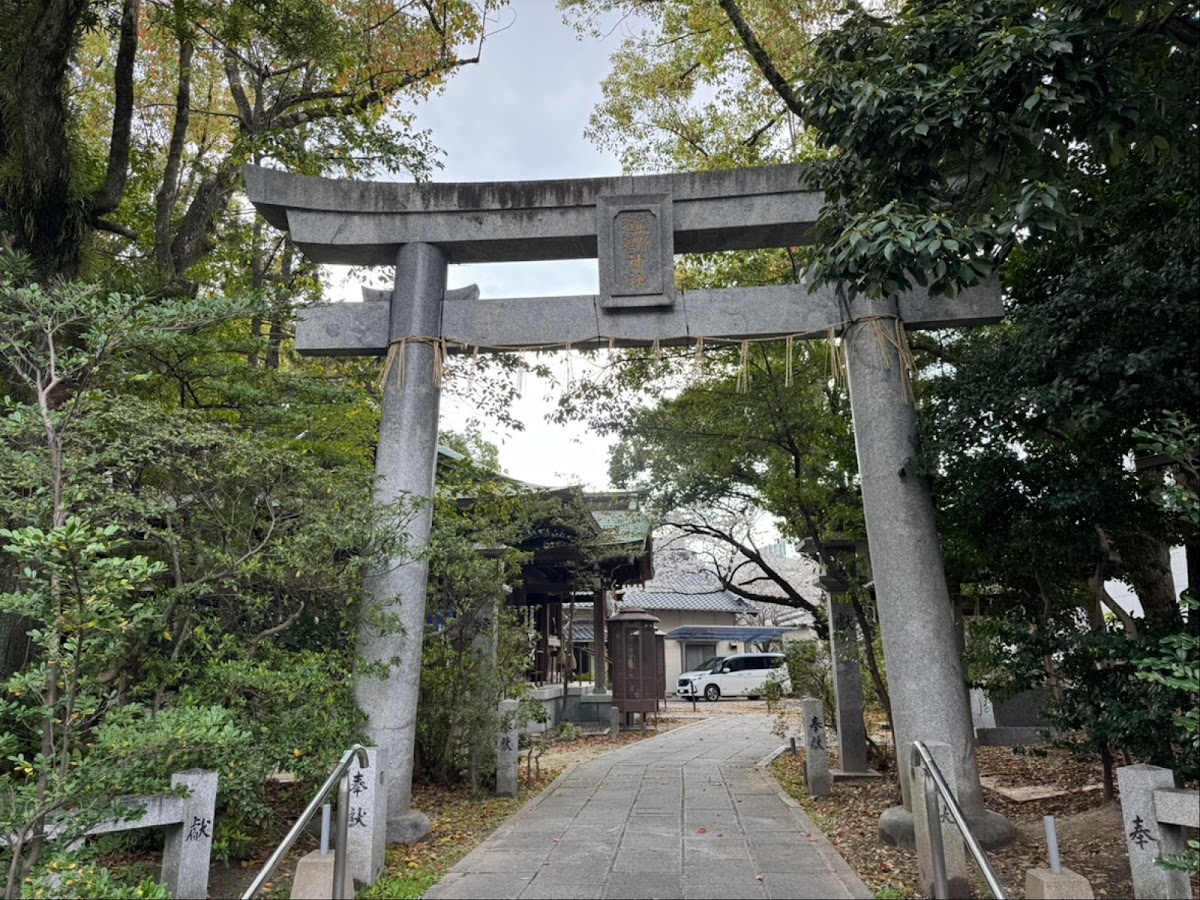
Taga Shrine is located in the Shii district of Kokura Minami-ku, Kitakyushu City, nestled in a quiet residential area. Surrounded by a rich natural environment, it is a shrine cherished by local residents, where visitors can enjoy the scenery of the four seasons while praying.
Deities Enshrined
The deities enshrined at Taga Shrine are gods who played important roles in Japanese mythology.
Main Deities:
- Izanagi-no-Okami
- Izanami-no-Okami
These two deities are a married couple said to have created the land of Japan and given birth to the myriad gods. Izanagi-no-Okami is the male deity, and Izanami-no-Okami is the female deity. They are believed to bestow blessings such as matchmaking, marital harmony, fertility, safe childbirth, and longevity.
The name Taga Shrine refers to a lineage of shrines with Taga Taisha in Shiga Prefecture as its head shrine, and Taga Shrines exist throughout Japan. All of them enshrine Izanagi-no-Okami and Izanami-no-Okami as their principal deities and are affectionately known as “O-Taga-san.”
History and Origins of Taga Shrine
Founding History
The exact founding date of Taga Shrine (Shii, Kokura Minami-ku, Kitakyushu City) is unknown, but according to local tradition, it has been worshipped as the tutelary deity (ubusunagami) of the Shii district since ancient times. A tutelary deity is a god who protects the people born in a particular area, and has played an important role as a spiritual anchor for the local community.
Historical Background
The Shii district has long developed as a settlement centered on agriculture. Taga Shrine has been revered for generations as a shrine that prays for abundant harvests in the region and protects the peace and security of its residents.
Even during the Meiji era’s policy of consolidating shrines, it survived as an independent shrine due to the strong faith of the local residents, and continues to play a role as a spiritual pillar of the community to this day.
Current Status of Taga Shrine
Currently, Taga Shrine, as the local tutelary deity, holds various festivals and ceremonies throughout the year. This shrine is deeply rooted in the community and attracts many visitors for important life events such as New Year’s visits, Shichi-Go-San (a traditional rite of passage for children), exorcism, and prayers for safe childbirth.
Highlights of the Shrine Grounds
Shrine Buildings
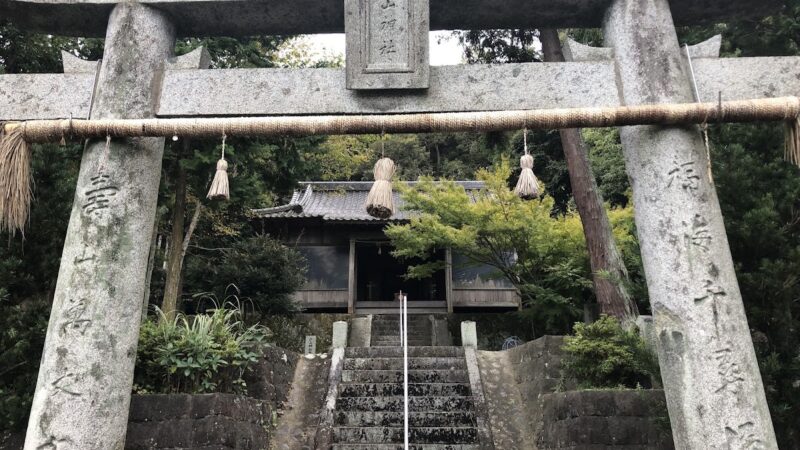
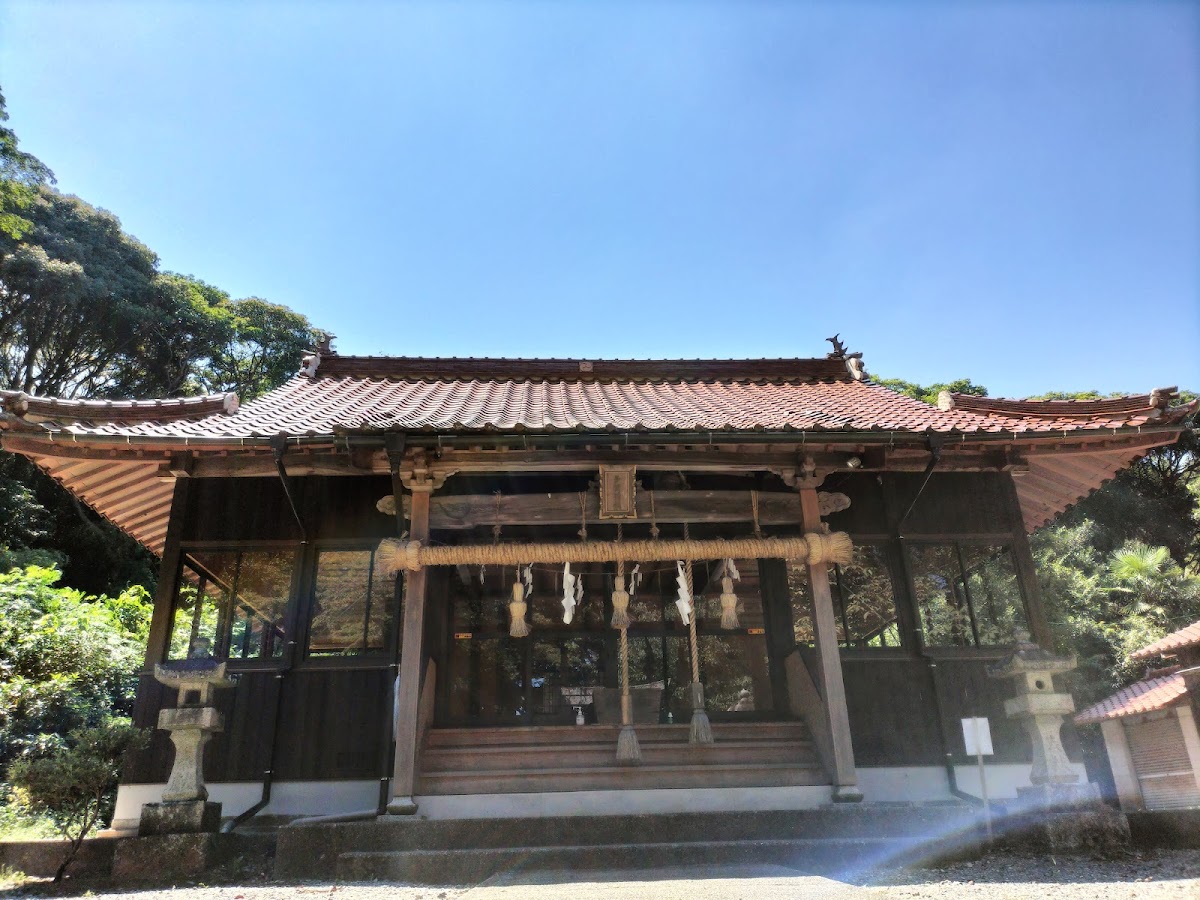
Taga Shrine’s buildings maintain traditional shrine architectural styles while being properly maintained. The worship hall has a warm atmosphere that welcomes visitors, and the main hall houses the enshrined deities.
Atmosphere of the Shrine Grounds
The shrine grounds are a tranquil space surrounded by trees, a place where you can feel the breath of nature despite being in an urban area. It displays different expressions throughout the seasons: cherry blossoms in spring, fresh greenery in summer, autumn leaves in fall, and crisp air in winter.
Water Basin
A water basin is provided for purification before worship, allowing visitors to cleanse their minds and bodies before approaching the shrine.
About Goshuin (Shrine Seals)
Issuance of Goshuin
Taga Shrine offers Goshuin (shrine seals). Goshuin (temple/shrine stamps) are cherished by many worshippers as proof of their visit and as a record of their faith.
Goshuin Reception Hours: During the shrine office’s operating hours (please inquire with the shrine for details)
Offering Fee: Same as typical shrine goshuin (usually around 300-500 yen)
When requesting a goshuin, please speak to the shrine office after completing your prayers. Those without a goshuincho (stamp book) may be given a pre-printed goshuin.
Manners for Receiving a Goshuin (Temple/Shrine Stamp)
- Complete your prayers first: The goshuin is proof of your visit, so be sure to complete your prayers first.
- Request politely: Please request politely from the shrine office staff.
- Prepare the offering: It’s a good idea to prepare small change so that no change is needed.
- Open and hand over your goshuin book: It’s polite to open the page where you want the stamp written and hand it over.
Access Information
Nearest Station/Line
Nearest Station: JR Hitahikosan Line “Shii-koen Station” or “Shii Station”
- Approximately 15-20 minutes on foot from Shii-koen Station
- Approximately 20-25 minutes on foot from Shii Station
Nearest Bus Stop/Line
If using Nishitetsu Bus:
- Get off at the “Shii” bus stop, approximately 5-10 minutes on foot
- Multiple bus routes operate from the Kokura Station area.
For specific bus routes and timetables, please check the Nishitetsu Bus Kitakyushu official website or contact their inquiry desk.
Access by Car
Using the Kitakyushu Urban Expressway:
- Approximately 10 minutes from the “Yamaji Exit”
- Approximately 15 minutes from the “Otani Exit”
Parking: There may be parking spaces for visitors within or around the shrine grounds, but please contact the shrine directly for details.
Notes on Access
The Shii area is a residential area, so please pay attention to the width of the surrounding roads when visiting by car. First-time visitors are advised to check the route using a map app beforehand.
Annual Festivals and Events
Taga Shrine holds various festivals and events throughout the year. Here are some of the main festivals.
Main Annual Festivals
January
- New Year’s Day Festival: A festival to celebrate the New Year and pray for peace throughout the year.
- First Shrine Visit of the Year: Many worshippers visit to pray for the New Year.
February
- Setsubun Festival: A traditional event to ward off evil spirits and invite good fortune.
- Kinensai Festival: A major spring festival praying for a bountiful harvest.
Spring (March-May)
- Spring Grand Festival: One of the shrine’s important festivals.
Summer (June-August)
- Summer Purification Ceremony: A Shinto ritual to purify and cleanse away the impurities accumulated over the past six months.
- Summer Festival: A local summer tradition.
Autumn (September-November)
- Autumn Grand Festival: A festival to express gratitude for the bountiful autumn harvest.
- Shichi-Go-San (7-5-3 Festival): A time when visits to celebrate children’s growth increase.
December:
- Niiname-sai (Harvest Festival): A festival to give thanks for the harvest.
- Toshikoshi no Oharae (Year-End Purification Ceremony): A Shinto ritual to purify oneself of the impurities of the year and prepare for the New Year.
Participation in Festivals
For detailed dates and times of each festival, please contact the shrine directly or check the Fukuoka Prefectural Shrine Association website. Participating in festivals together with local residents will allow for a deeper religious experience.
Manners and Etiquette for Visiting Shrines
Basic Etiquette for Visiting Shrines
There are basic manners to observe when visiting a shrine. When visiting Taga Shrine, please observe the following etiquette.
1. How to Pass Through the Torii Gate
- Bow before passing through the torii gate.
- Walk along the edge of the path, as the center is considered the path of the gods.
2. How to Wash Your Hands
- Take the ladle with your right hand and wash your left hand.
- Switch the ladle to your left hand and wash your right hand.
- Switch the ladle back to your right hand, receive water in your left hand, and rinse your mouth.
- Finally, stand the ladle upright and wash the handle.
3. Worship at the Main Hall
- Stand in front of the offering box and quietly place your offering.
- If there is a bell, ring it.
- Worship using the “two bows, two claps, one bow” method.
- Bow deeply twice.
- Clap your hands twice at chest height.
- Finally, bow deeply once.
Attire for Worship
Everyday clothes are fine, but please dress neatly and cleanly to show respect to the gods. For formal prayers, more formal attire is recommended.
About Prayers and Exorcisms
Available Prayers
Taga Shrine accepts various types of prayers.
- Exorcism and Purification: Purification of misfortune for those in their unlucky year
- Family Safety: Praying for the health and safety of the family
- Business Prosperity: Praying for the development of the business
- Traffic Safety: Blessing of the car, etc.
- Prayer for Safe Childbirth: Praying for the safety of the pregnant woman and the baby in the womb
- First Shrine Visit: Reporting the birth of the baby to the gods
- Shichi-Go-San Visit: Giving thanks for the child’s growth and praying for their continued healthy growth
- Prayer for Success in Exams: Praying for the success of students taking exams
How to Apply for Prayers
If you wish to request prayers, we recommend contacting the shrine by phone in advance. Reservations may be required, or there may be specific reception hours.
Offering Fee: Varies depending on the type of prayer; please inquire (generally from 5,000 yen).
Relationship with Surrounding Shrines
Shrine Pilgrimage in the Kitakyushu Area
In addition to Taga Shrine, many other shrines are located in Kokura Minami Ward, Kitakyushu City. For those who enjoy shrine pilgrimages, we recommend visiting the following shrines:
- Shinozaki Hachiman Shrine (Shinozaki, Kokura Kita Ward)
- Suga Shrine (Kokura Minami Ward)
- Adachiyama Myoken-gu (Kokura Kita Ward)
These shrines each have different enshrined deities and histories, making them valuable resources for understanding the history and culture of Kitakyushu.
Relationship with the Fukuoka Prefectural Shrine Association
Taga Shrine belongs to the Fukuoka Prefectural Shrine Association and is under the jurisdiction of the Association of Shinto Shrines. The Fukuoka Prefectural Shrine Association website allows you to search for information on shrines within the prefecture, and basic information about Taga Shrine is also available.
Connection with the Community
Center of the Local Community
Taga Shrine plays an important role in the local community of the Shii district. During festivals, local residents gather, helping to carry the portable shrine and assisting with the festival’s operation, creating a place for intergenerational exchange.
Parishioners’ Organization
The shrine has a parishioners’ organization that supports it, responsible for the daily maintenance and management of the shrine and the operation of festivals. Thanks to the dedicated efforts of the parishioners, the shrine is kept beautiful and its traditions are passed down.
Charm of Taga Shrine
Quiet Worship Environment
One of the greatest charms of Taga Shrine is that, despite being located in an urban area, it maintains a quiet and peaceful worship environment. A space where one can escape the hustle and bustle and calmly face the gods is a precious presence in modern society.
A Local Guardian Deity
Unlike large-scale tourist shrines, Taga Shrine is a local guardian deity rooted in the community, and its appeal lies in its proximity, allowing for daily worship. It’s a shrine where you can easily stop by during a walk or visit to express your daily gratitude. ### Abundant Divine Blessings
Because this shrine enshrines Izanagi-no-Okami and Izanami-no-Okami, the fundamental deities of Japanese mythology, one can receive divine blessings in various aspects of life, such as matchmaking, marital harmony, fertility, safe childbirth, and longevity.
Recommended Time to Visit
Seasonal Charms
Spring (March-May)
- The temple grounds are beautifully adorned with cherry blossoms.
- The fresh greenery is beautiful, making for a refreshing visit.
Summer (June-August)
- Experience the vibrant energy of the community during summer festivals.
- Enjoy the cool breeze in the lush green temple grounds.
Autumn (September-November)
- A beautiful season for autumn leaves.
- Witness children in their finest attire during the Shichi-Go-San (7-5-3) festival season.
Winter (December-February)
- The temple is bustling with many visitors during the New Year’s visit season.
- Enjoy a solemn visit in a serene atmosphere.
Recommended Time to Visit
Visiting early in the morning or during the morning hours is recommended, as there are fewer people and it’s a quiet environment. Especially on weekend mornings, you can enjoy a peaceful and calming visit in a refreshing atmosphere.
Frequently Asked Questions
Is there parking available?
Please contact the shrine directly regarding the availability and number of parking spaces. Since the surrounding area is residential, please avoid street parking and be mindful of proper etiquette during your visit.
Are pets allowed?
Policies vary by shrine, but generally, pets are not permitted on the shrine grounds. It is recommended to check with the shrine for details.
Is photography allowed?
Generally, photography is permitted on the shrine grounds, but there may be restrictions, such as inside the main hall or during religious ceremonies. Consideration for other visitors is also necessary. If you have any concerns, please check with the shrine office.
Do you sell Goshuincho (stamp books)?
Please contact the shrine directly regarding the sale of Goshuincho. Even if they do not sell them, they may be able to provide pre-written Goshuin (stamps).
Summary
Taga Shrine (Shii, Kokura Minami-ku, Kitakyushu City, Fukuoka Prefecture) is a community-based shrine dedicated to Izanagi-no-Okami and Izanami-no-Okami. With a long history, it has long been revered as the tutelary deity of the Shii area.
Despite its urban location, it maintains a tranquil environment for worship, allowing visitors to experience the beauty of nature throughout the seasons and find peace of mind. Goshuin (shrine stamps) are also available, making it a great choice for those who enjoy visiting shrines.
It’s easily accessible, within walking distance of Shii-koen Station and Shii Station on the JR Hitahikosan Line, or by bus. From visits marking life’s milestones such as New Year’s prayers, exorcisms, and Shichi-Go-San (a traditional Japanese rite of passage for children), to everyday expressions of gratitude, this shrine offers a variety of ways to connect with the gods.
When visiting Kokura Minami-ku in Kitakyushu City, be sure to visit Taga Shrine and experience the divine blessings of the fundamental deities of Japanese mythology. You will have a heartwarming shrine experience supported by the warm faith of the local people.
Contact information for visitors: 093-451-4695
Address: 354 Shii, Kokuraminami-ku, Kitakyushu City, Fukuoka Prefecture 802-0985