Inari Shrine (Kokura Minami-ku, Kitakyushu City, Fukuoka Prefecture) Complete Guide | Deities, Blessings, and Access Information
Located in Tokuyoshi Nishi, Kokura Minami-ku, Kitakyushu City, Fukuoka Prefecture, Inari Shrine is a shrine deeply rooted in the local community. This article provides detailed information useful for those considering visiting, including the deities enshrined, blessings, history, highlights of the grounds, and access methods.
Basic Information on Inari Shrine
Location: 3-10-16 Tokuyoshi Nishi, Kokura Minami-ku, Kitakyushu City, Fukuoka Prefecture
Phone Number: 093-451-4695
Jurisdiction: Kitakyushu Branch, Fukuoka Prefectural Shrine Association
Parking: Parking available for visitors on the shrine grounds (limited number of spaces)
Kokura Minami-ku in Kitakyushu City is located in the southeastern part of Kitakyushu City and is an area with a rich natural environment and residential areas. The Inari Shrine is located in the Tokuyoshi-Nishi district and has long been cherished as the guardian deity of the local residents.
Deities and Origins
Main Deity: Ukanomitama-no-kami
The main deity of the Inari Shrine is Ukanomitama-no-kami (also written as Kura-Inadama-no-mikoto). This deity is known in Japanese mythology as the god who presides over grains and food, and is worshipped at Inari shrines throughout Japan as the guardian deity of agriculture, especially rice cultivation.
Ukanomitama-no-kami is considered a child of Susanoo-no-Mikoto, and “Uka” is an archaic word meaning food. Inari worship spread throughout Japan during the Nara period, with Fushimi Inari Taisha in Kyoto as its head shrine, and is now the most numerous type of shrine in Japan.
Divine Messenger of Inari Shrines: Fox
Inari shrines are known for their white foxes (byakko) as their divine messengers. This stems from the fact that foxes prey on mice that damage crops, leading to their reverence as guardians of agriculture. Fox statues are often placed throughout the shrine grounds, welcoming visitors.
Benefits and Faith
The main benefits believed to be obtained at Inari shrines are as follows:
Abundant Harvest and Business Prosperity
Because Inari shrines enshrine Ukanomitama-no-kami, the god of grain, they are believed to offer blessings not only for bountiful harvests but also for business prosperity. Since the Edo period, with the rise of the merchant class, Inari worship has become widely practiced as a god of commerce.
Industrial Development and Business Prosperity
In modern times, visitors come to pray for the development of not only agriculture but also all kinds of industries and businesses. Many business owners visit to pray for the success of new ventures and the prosperity of their companies. ### Family Safety and Protection from Evil
As the local guardian deity, we accept prayers for family health and safety, and protection from evil. Exorcisms can also be received at life’s milestones and during unlucky years.
Regional Characteristics of Kokura Minami Ward, Kitakyushu City, and Inari Shrines
History and Culture of Kokura Minami Ward
Kokura Minami Ward was incorporated as part of the former Kokura City when Kitakyushu City was established in 1963. In 1974, Kokura Ward was divided into Kokura Kita Ward and Kokura Minami Ward. The ward boasts natural landscapes such as Hiraodai and numerous historical sites, creating a region where history and nature harmonize.
Characteristics of Tokuyoshi Nishi District
The Tokuyoshi Nishi district, where the Inari Shrine is located, is a residential area with a vibrant community. The shrine serves as a spiritual anchor for local residents, deepening community bonds through festivals and annual events.
Annual Events and Festivals
Hatsuumasai (First Horse Day Festival)
The Hatsuumasai is one of the most important festivals at Inari shrines. Held on the first Horse Day of February, this festival commemorates the day Inari Okami descended upon Mount Inari and is celebrated grandly at Inari shrines throughout Japan. It is bustling with worshippers praying for business prosperity and a bountiful harvest.
Annual Grand Festival
The annual Grand Festival features a procession of portable shrines and dedication ceremonies, with local residents uniting to honor the deity. It is an important opportunity to pass on the region’s traditional culture to the next generation.
New Year’s Festival and Setsubun Festival
The New Year’s Festival on January 1st prays for peace and prosperity in the new year. The Setsubun Festival in February involves bean-throwing, attracting many worshippers as a ritual to ward off evil and invite good fortune.
Highlights of the Shrine Grounds
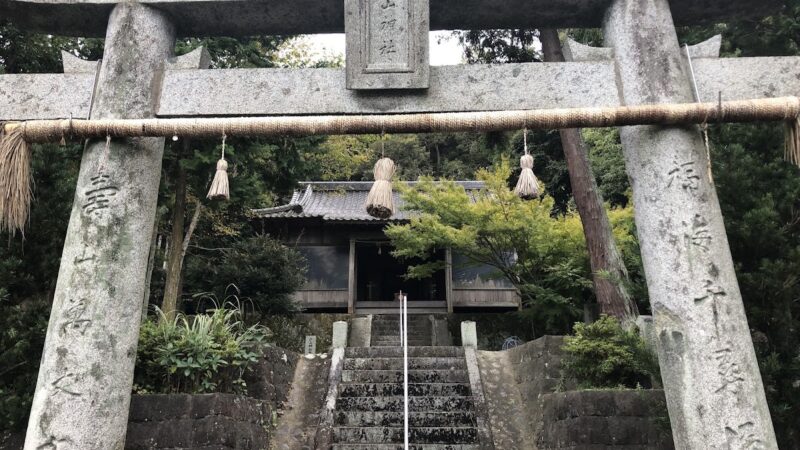
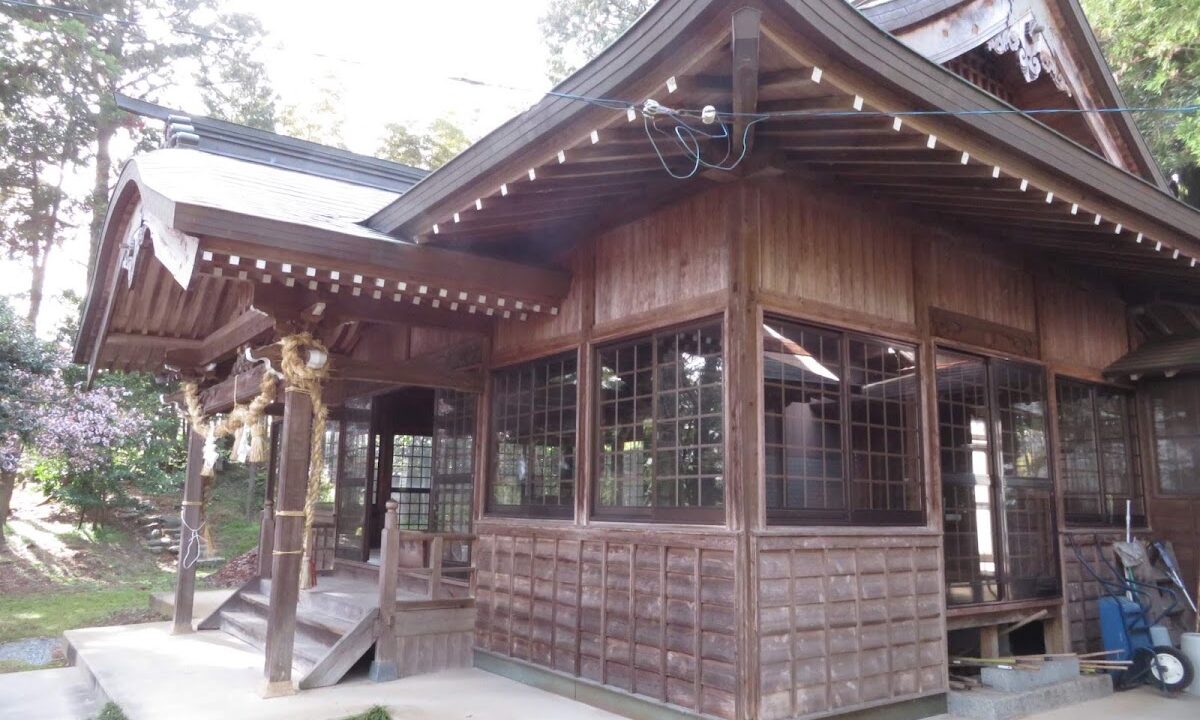
Main Hall and Worship Hall
The main hall of the Inari Shrine is built in the traditional style of shrine architecture. Daily prayers are offered in the worship hall, providing a tranquil atmosphere for prayer.
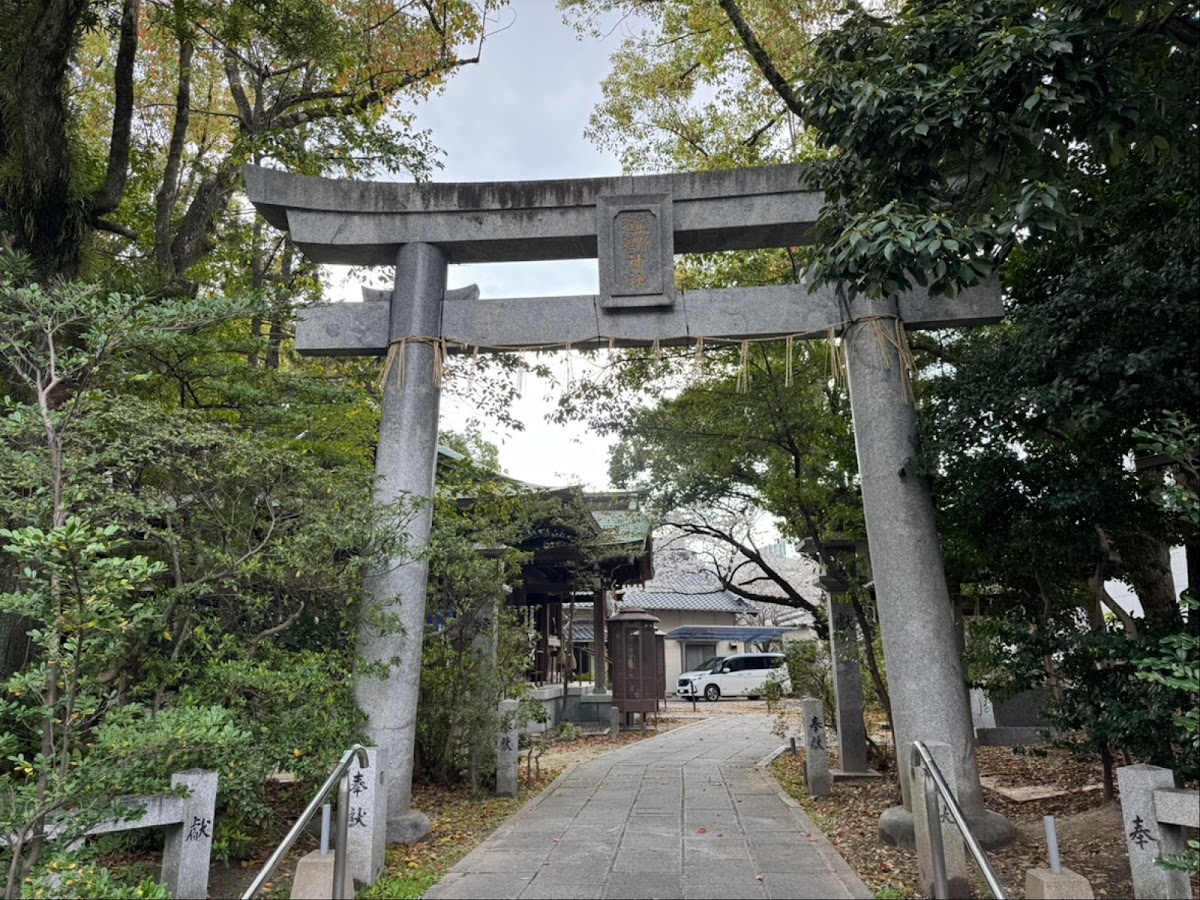
Torii Gate and Approach
The vermilion torii gate, a symbol of the Inari Shrine, welcomes visitors. The torii gate serves as a boundary separating the sacred realm from the secular world, and passing through it symbolizes purification of mind and body.
Shrine Office and Gift Shop
Goshuin (shrine stamps), amulets, and talismans can be obtained at the shrine office. Various items are available as mementos of your visit or for daily protection.
Etiquette and Manners for Visiting a Shrine
Basic Flow of Visiting a Shrine
- Bow Before Passing Through the Torii Gate: As a sign of respect before entering the sacred area, bow before the torii gate.
- Purify Yourself at the Water Basin: Purify your left hand, then your right hand, then your mouth, and finally wash the handle of the ladle.
- Avoid Walking in the Center of the Path: The center is considered the path of the gods.
- Etiquette at the Main Hall: The basic procedure is two bows, two claps, and one bow.
- Bow deeply twice.
- Clap your hands twice at chest height.
- Offer your prayers with sincerity.
- Finally, bow deeply once.
Meaning of Offerings
Offerings express gratitude to the gods. Sincerity is more important than the amount. Place your offering quietly in the offering box.
Access Information
Access by Public Transportation
Nearest Station: Approximately 10 minutes by car from JR Nippo Main Line “Shimosone Station”
Bus: Approximately 5 minutes on foot from Nishitetsu Bus “Tokuyoshi” bus stop
Kitakyushu City Buses and Nishitetsu Buses operate towards Tokuyoshi. It is recommended to check the bus timetable in advance.
Access by Car
Kitakyushu Urban Expressway: Approximately 15 minutes from “Otani IC”
National Route 10: From Kokura, head south on National Route 10 towards Tokuyoshi
There is parking on the temple grounds, but the number of spaces is limited, so it is recommended to use public transportation during New Year’s visits and festivals.
Landmarks in the Surrounding Area
Located in a residential area of Tokuyoshi Nishi district, local residents will kindly provide directions if you ask them. Searching for “Inari Shrine, Tokuyoshi Nishi, Kokura Minami-ku, Kitakyushu City” on your car navigation system or smartphone map app will display the exact location.
Goshuin (Shrine Seals) and Amulets
About Goshuin
Goshuin are given at shrines as proof of your visit. Bring your goshuincho (seal book) and politely request one at the shrine office. Goshuin are not just stamps; they are important for forging a connection with the gods.
Main Items Offered
- Business Prosperity Amulet: An amulet for wishing for the prosperity of your business or commerce.
- Family Safety Amulet: An amulet to protect the health and peace of your family.
- Traffic Safety Amulet: A prayer for safe driving of cars and bicycles.
- Academic Success Amulet: A prayer for academic improvement for students taking exams.
- Good Fortune Amulet: An amulet to bring good luck and fortune.
It is customary to replace your amulet with a new one approximately once a year and return the old one to the shrine. ## Other Shrines in Kokura Minami Ward, Kitakyushu City
Besides Inari shrines, many other shrines are located in Kokura Minami Ward. When visiting, it’s recommended to also explore the surrounding shrines.
Major Shrines in Kokura Minami Ward
- Gamo Hachiman Shrine: A historical Hachiman shrine located in Gamo, Kokura Minami Ward.
- Shii Hachiman Shrine: A shrine revered as the guardian deity of the Shii district.
- Sone Hachiman Shrine: The central shrine of the Sone district.
- Nuki Hachiman Shrine: Located in the Nuki district, revered as the guardian deity of the region.
These shrines each have their own history and characteristics, conveying the local culture.
Visiting Inari Shrines in the Kitakyushu Area
In addition to the Inari shrines in Kokura Minami Ward, many other Inari shrines are located in Kitakyushu City, Fukuoka Prefecture. Inari worship is widespread throughout Japan, and unique beliefs have developed in each region of the Kitakyushu area.
Inari Shrines in Kitakyushu City
Inari shrines are located in each ward of Kitakyushu City, including Yahata-Higashi Ward, Yahata-Nishi Ward, Kokura-Kita Ward, Tobata Ward, and Wakamatsu Ward. Each shrine has its own unique history and origins, and is deeply connected to its respective community.
History and Culture of Inari Worship
Origins of Inari Worship
Inari worship is believed to have originated in the Nara period on Mount Inari (Inariyama) in Kyoto. It is said to have begun in 711 (Wado 4) when a member of the Hata clan enshrined deities on the three peaks of Mount Inari, which later became Fushimi Inari Taisha.
Spread Nationwide
During the Heian period, it received the reverence of the imperial court, and from the medieval period onward, the faith spread to the samurai and merchant classes. During the Edo period, it became widely worshipped among common people as a god of business prosperity, and today, it is said that there are approximately 30,000 Inari shrines throughout Japan.
Inari Worship in Fukuoka Prefecture
Fukuoka Prefecture has many Inari shrines, including the Inari Shrine in Kitakyushu City, the Imamasu Inari Shrine in Fukuoka City, and the Ukiha Inari Shrine in Ukiha City. Ukiha Inari Shrine is known for its rows of red torii gates on the mountainside and the spectacular view of the Chikugo Plain, and has recently become a popular spot on social media such as Instagram.
The Significance and Mindset of Shrine Visits
The Purpose of Shrine Visits
Shrine visits are not just for making wishes. They are also an opportunity to express gratitude to the gods, purify the heart, and reflect on oneself. By praying in the quiet grounds, one can escape the hustle and bustle of everyday life and find peace of mind.
Recommendation for Regular Shrine Visits
Visiting shrines regularly, not just during New Year’s or festivals, allows you to feel a connection to the community and have a place of spiritual support. Why not make shrines a familiar presence in your life, perhaps by taking a morning walk or stopping by on your way home from work?
The Role of the Shrine in the Local Community
As the Center of the Community
Inari Shrine plays a central role in the Tokuyoshi-Nishi district community. Through festivals and cleaning activities, it serves as a place for local residents to gather and interact. In modern society, the importance of such places that foster community bonds is increasing.
Passing on Traditional Culture
Annual events and festivals at the shrine are valuable opportunities to pass on Japanese traditional culture to the next generation. By participating in festivals, children can learn about local history and culture and develop their identity.
Coexistence with Nature
Shrine grounds function as a valuable green space even in urban areas. The sacred grove serves as a habitat for wild birds and insects, contributing to the conservation of biodiversity.
Precautions and Manners When Visiting
Regarding Attire
While everyday clothing is acceptable, please avoid overly flashy or revealing clothing. Clean and presentable attire, respecting the sacred nature of the place, is desirable.
Photography Etiquette
Photography is generally permitted on the shrine grounds, but consideration for the interior of the main hall, the Shinto priests, and other visitors is necessary. Please refrain from taking photos in areas where photography is prohibited. Also, when posting on social media, please be careful not to include other visitors in your photos.
Pet Policy
Pet policies vary by shrine. Please check in advance or follow the signs on the grounds. Even if pets are allowed, it is important to observe proper etiquette, such as keeping the leash short and properly disposing of pet waste.
Offerings and Donations to Inari Shrines
Torii Gate Offering
At Inari shrines, there is a custom of offering torii gates as an expression of gratitude for wishes granted or as a way to express new wishes. This is famous for the Senbon Torii (thousand torii gates) at Fushimi Inari Taisha, but it is a custom seen at Inari shrines throughout Japan.
Tamagaki and Lantern Donations
You can also donate tamagaki (stone fences) and stone lanterns on the shrine grounds, having your name engraved on them. This contributes to the maintenance and management of the shrine and signifies a lasting connection with the deities.
Cooperation in Shrine Maintenance
Many shrines are maintained through donations from local residents. You can support the operation of the shrine through offerings, first fruits offerings, and the purchase of amulets.
Seasonal Scenery of the Shrine Grounds
Spring (March-May)
Spring is a beautiful season as the trees in the shrine grounds bud, and the fresh greenery is stunning. Many shrines also have cherry blossoms, making it enjoyable to visit while viewing the blossoms. Many worshippers visit at the start of the new fiscal year to pray for a fresh start.
Summer (June-August)
This is the season for summer festivals and annual grand festivals. The lush green grounds offer a cool respite from the city. The Nagoshi no Oharai (Summer Purification Ceremony) is held to cleanse away the impurities of the past six months and pray for good health and protection from illness for the remaining half of the year.
Autumn (September-November)
In the fruitful autumn season, festivals are held to express gratitude for the harvest. It’s also a beautiful time of year for autumn foliage, and the changing colors of the trees in the shrine grounds are quite picturesque. Many people visit during the Shichi-Go-San (7-5-3) festival.
Winter (December-February)
With the year-end purification ceremony and the New Year’s visit, this is the busiest season for worshippers. The Hatsuumasai festival in February is an important festival for Inari shrines. It’s a good time to report your plans for the year to the gods in the tranquil winter grounds.
Summary: The Charm of Inari Shrine (Kokura Minami-ku, Kitakyushu City)
Located in Tokuyoshi Nishi, Kokura Minami-ku, Kitakyushu City, Fukuoka Prefecture, Inari Shrine is an important shrine that preserves deeply rooted local beliefs. Many worshippers visit seeking various blessings, such as business prosperity, abundant harvests, and family safety.
Even in today’s increasingly urbanized world, shrines remain central to local communities, serving as a spiritual anchor for people. They also play a vital role in passing on traditional culture to future generations through annual events and festivals.
When visiting Kokura Minami Ward in Kitakyushu City, we highly recommend visiting an Inari Shrine. Find peace of mind in its tranquil grounds and offer your gratitude and prayers to the deities. You might discover something new by experiencing the local history and culture.
Visiting a shrine is not only about having your wishes granted, but also a valuable opportunity to reflect on yourself and re-examine your daily life. We hope that Inari Shrine can contribute to your peace of mind and happiness.