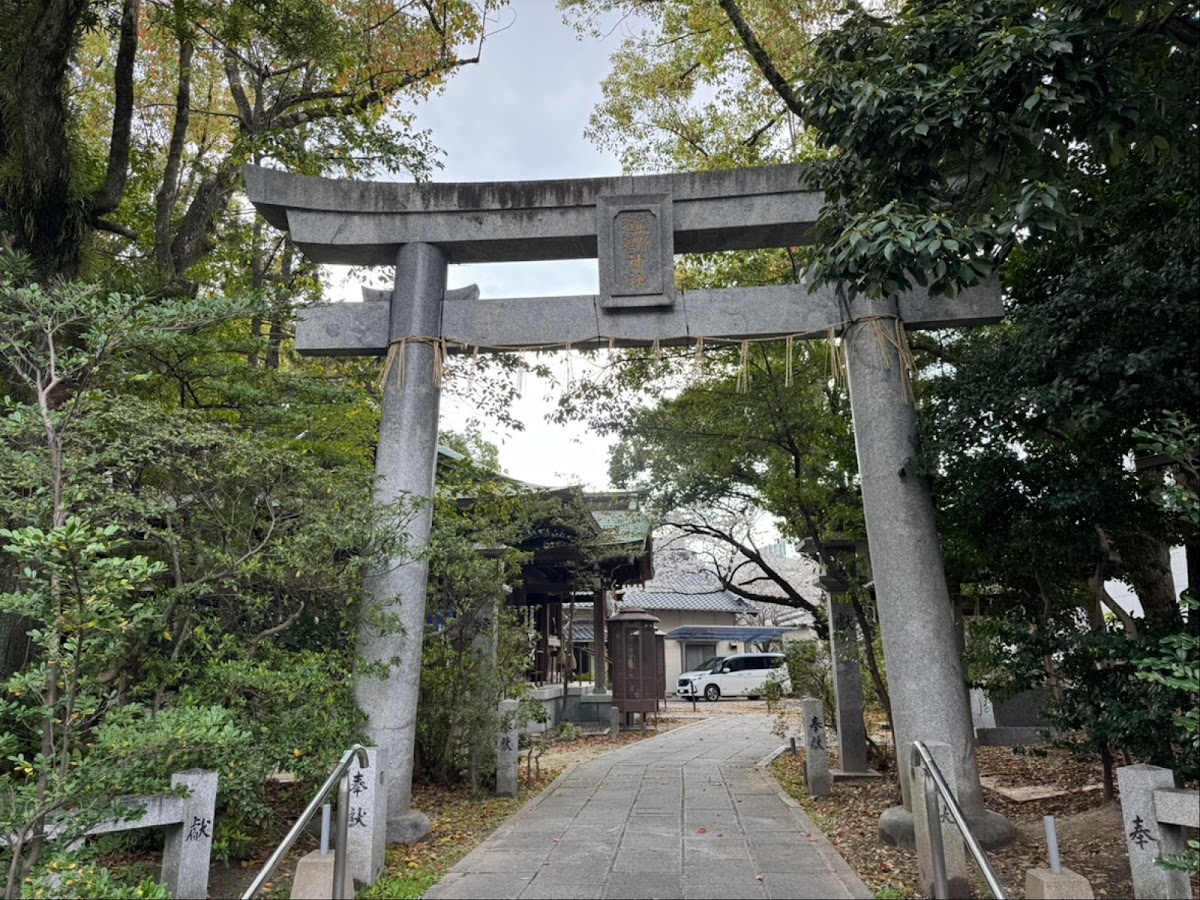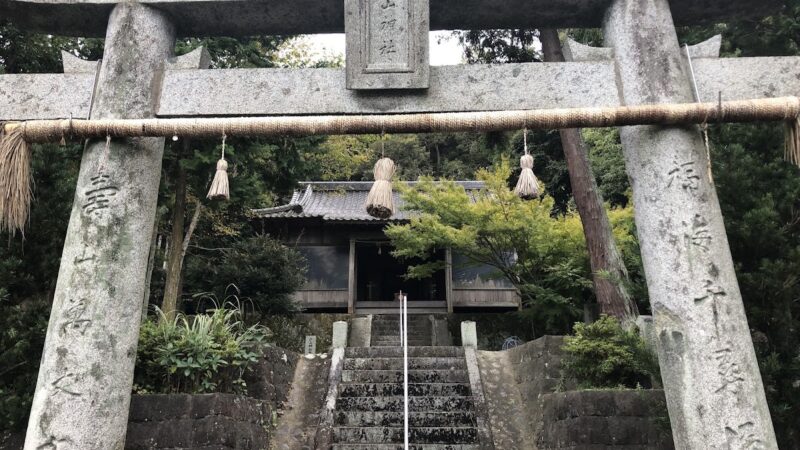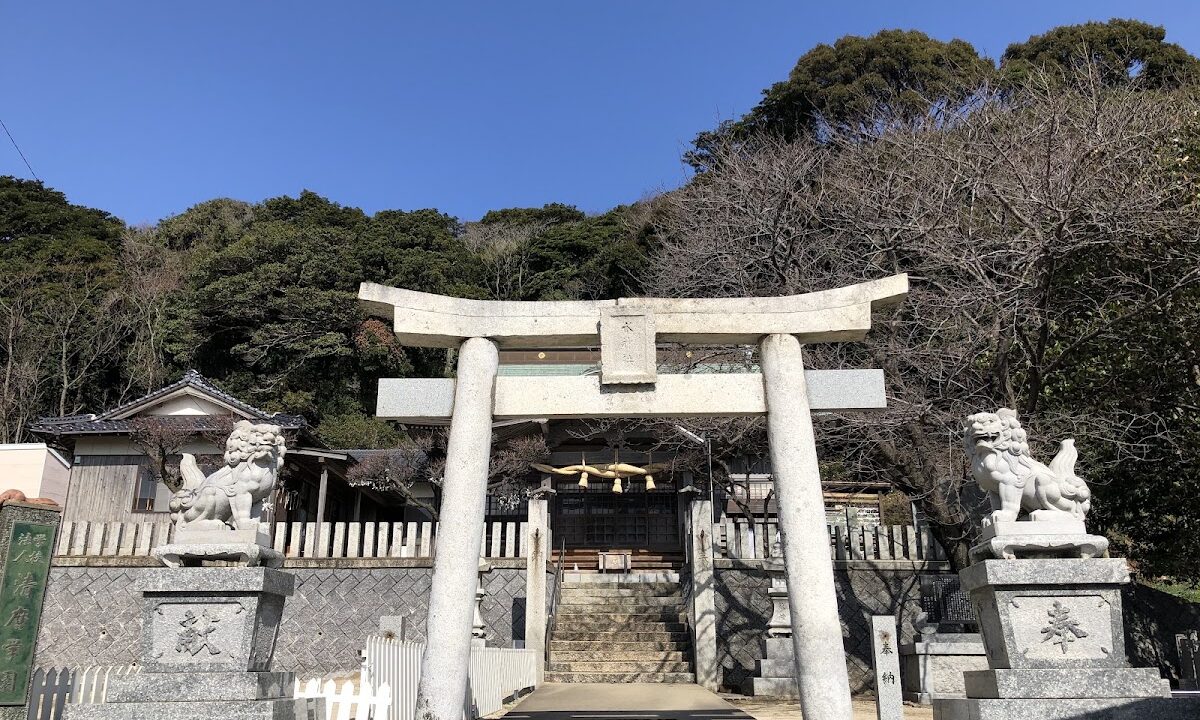
Complete Guide to Mizujinja Shrine (Yukawa, Kokuraminami-ku, Kitakyushu City, Fukuoka Prefecture)
Mizujinja Shrine, located in Yukawa, Kokuraminami-ku, Kitakyushu City, Fukuoka Prefecture, is a shrine that preserves the local water deity worship. This article comprehensively introduces useful information for visitors, from basic information about Mizujinja Shrine to access methods, enshrined deities, history, and information on surrounding shrines.
Basic Information about Mizujinja Shrine
Mizujinja Shrine is a shrine located in Yukawa 3-chome, Kokuraminami-ku, Kitakyushu City, Fukuoka Prefecture, and is revered by local residents as a shrine dedicated to the water deity.
Location and Address
Official Address: 3-3-30 Yukawa, Kokuraminami-ku, Kitakyushu City, Fukuoka Prefecture 800-0257
Mizujinja Shrine is located in the Yukawa area of Kokuraminami-ku, quietly nestled within a residential area. The surrounding area is a tranquil residential neighborhood, and it is cherished as the local guardian shrine.
Shrine Rank and Affiliation
Mizujinja Shrine is classified as a water deity affiliation shrine. Numerous shrines dedicated to water deities exist throughout Japan, reflecting a long-standing belief in gratitude for the essential blessing of water for agriculture and daily life, and in prayer for protection from floods.
Following Shinto tradition, these shrines have a history of protecting local water sources and rivers.
Deities and Divine Virtues
Main Deity
The deity enshrined at water shrines is presumed to be Water Deity (Mizuhanome-no-Kami). In water deity shrines, it is common to enshrine the following water-related deities:
- Mizuhanome-no-Kami: Goddess of water in Japanese mythology
- Mitsuhanome-no-Kami: Goddess who governs water
- Mitsuhanome-no-Kami: Goddess of irrigation water
Divine Virtues and Benefits
The following divine virtues are believed to be offered at Mizujinja Shrine:
- Abundant Harvest: Prayers for a bountiful harvest of crops
- Protection from Water Disasters: Protection from floods and water-related accidents
- Business Prosperity: Prayers for smooth and efficient business operations, like the flow of water
- Family Safety: Gratitude for the blessing of water, essential for life
- Healing from Illness: Prayers for purification and good health through pure water
Access and Transportation Information
Nearest Station and Line
Kitakyushu Monorail (Kitakyushu High-Speed Railway) Kokura Line
- Approximately 6 minutes on foot (approx. 452m) from Abeyama Park Station
Abeyama Park Station is the nearest station to Suijinja Shrine. After exiting the station and walking through the residential area, you can reach the shrine on foot.
Nearest Bus Stop and Bus Route
Nishitetsu bus routes operate in the surrounding area. For detailed bus stop information, we recommend checking the Nishitetsu Bus Kitakyushu official website or route map for bus stops towards “Yukawa”. ### Access by Car
If using the Kitakyushu Urban Expressway:
- Accessible via national and prefectural roads from the nearest interchange.
- As the surrounding area is a residential neighborhood, it is recommended to enter the address (3-3-30 Yukawa, Kokuraminami-ku, Kitakyushu City, Fukuoka Prefecture) into your car navigation system.
Parking: As this is a small shrine, it is recommended to check in advance whether there is a dedicated parking lot.
Map and Surrounding Environment
Suijinja Shrine is located in the residential area of Yukawa, south of Abeyama Park Station. The surrounding area is quiet, with parks and houses scattered throughout. Searching for “Suijinja Yukawa” in a map app will show the exact location.
History of Suijinja Shrine
Origin of Water Deity Worship
Water deity worship in Japan is a traditional form of belief that has continued since ancient times. For the Japanese people, an agricultural society, water was the source of life and an essential element for rice cultivation.
While there are often no clear records regarding the founding date of the Suijin Shrine, it is believed to have been established in conjunction with the development of the region and the construction of irrigation facilities, as a way to express gratitude for the blessings of water and to pray for protection from floods.
Yukawa District and the Suijin Shrine
The Yukawa district in Kokura Minami Ward is presumably a place associated with water, as its name suggests. The name “Yukawa” often means hot springs or clear streams, suggesting that the area may have been blessed with water resources since ancient times.
The Suijin Shrine has been revered by local residents as a guardian shrine protecting the water source that supports agriculture and daily life in this region.
The Suijin Shrine in Modern Times
Even after the Meiji-era shrine consolidation policy and the social changes of the post-war period, the Suijin Shrine has continued to exist as the local tutelary shrine. Even today, it is maintained and managed by local residents, and festivals and ceremonies are held.
Points to Note When Visiting
Etiquette for Visiting
When visiting the Suijin Shrine, follow the basic etiquette of Shinto.
- Bow before passing through the torii gate.
- Purify your body and mind at the purification fountain (if one is available).
- Hold the ladle in your right hand and purify your left hand.
- Switch the ladle to your left hand and purify your right hand.
- Switch the ladle back to your right hand, receive water in your left hand, and rinse your mouth.
- Finally, hold the ladle upright and purify the handle.
- Bow twice, clap twice, and bow once in front of the main hall.
- Bow deeply twice.
- Clap your hands twice.
- Offer your prayers with sincerity.
- Finally, bow deeply once.
About Goshuin (Shrine Seals)
Regarding Goshuin at Suijin Shrine, the availability may vary depending on the staffing situation at the shrine office. Smaller shrines may not issue Goshuin, or they may be handled by nearby shrines.
If you wish to receive a Goshuin, it is recommended that you inquire in advance with the Fukuoka Prefectural Shrine Association or nearby major shrines.
Amulets and Souvenirs
At Suijinja Shrine, there may be amulets and souvenirs based on water deity worship. These may include amulets for protection against water-related disasters and items for praying for a bountiful harvest.
For details on available items, it is recommended to check during your visit or inquire in advance.
Annual Events and Festivals
Annual Festivals and Major Rituals
The dates of Suijinja Shrine’s annual festivals are determined according to local customs. Generally, festivals are held at Suijinja Shrine around the following times:
- Spring Grand Festival: The start of agricultural work, expressing gratitude for the blessings of water and praying for a good harvest
- Autumn Grand Festival: A festival of thanksgiving for the harvest
- New Year’s Day Festival: Praying for peace and prosperity in the new year
For specific festival dates, it is best to check local bulletin boards or ask nearby residents.
Water Deity Worship in Kokura Minami Ward, Kitakyushu City
Shrine Culture in Kokura Minami Ward
Kokura Minami Ward in Kitakyushu City is home to numerous shrines, each with its own unique and deeply rooted belief system. Due to its large area and diverse topography, ranging from mountainous regions to residential areas, Kokura Minami Ward has fostered a distinct shrine culture in each area.
Characteristics of Water Deity Shrines
Several water deity shrines exist within Fukuoka Prefecture. For example:
- Water Shrine (Kuchiami, Kokura Minami Ward, Kitakyushu City): A water shrine located in the Kuchiami district.
- Water Shrine (Yoshii-machi, Ukiha City): Water deity worship in the Chikugo River basin.
- Water Shrine (Kokura Kita Ward, Kitakyushu City): Shrines located in multiple locations within Kokura Kita Ward.
While these shrines are independent, they share a common foundation of water deity worship. They are closely connected to the water sources, rivers, and irrigation facilities of each region, protecting local agriculture and livelihoods.
Nearby Shrines and Temples
Major Shrines in Kokura Minami Ward
When visiting Suijin Shrine, visiting the surrounding shrines will allow you to gain a deeper understanding of the local religious culture.
Taga Shrine (354 Shii, Kokura Minami Ward, Kitakyushu City)
- A shrine dedicated to Taga-no-Okami, known as the god of longevity and good health.
- One of the major shrines in Kokura Minami Ward.
Munakata Shrine (5-8-16 Kamisone, Kokura Minami Ward, Kitakyushu City)
- A shrine dedicated to the three Munakata goddesses.
- Divine blessings for traffic safety and maritime safety.
Recommendation for Shrine Visits
There are over 61 shrines in Kokura Minami Ward, Kitakyushu City, and planning a shrine visit route is one of the pleasures of visiting. By learning about the history and divine blessings of each shrine while visiting, you will deepen your understanding of the local culture.
Guidelines for Visiting Suijinja Shrine
Cherishing Local Shrines
Community-based shrines like Suijinja Shrine are maintained by parishioners and local residents. As a visitor, it is important to be mindful of the following points:
- Keep the grounds clean: Take your trash with you.
- Maintain silence: As it is located in a residential area, please refrain from making noise.
- Do not trespass on private property: Pay attention to the boundary between the shrine grounds and surrounding houses.
- Photography etiquette: Photograph the main hall and the sacred object sparingly.
Gratitude for the Blessing of Water
When visiting Suijinja Shrine, it is important to have a heart of gratitude for the blessing of water that we take for granted in our daily lives. While modern water infrastructure has made securing water less difficult, people have historically devoted themselves to securing water and protecting themselves from floods.
Visiting Suijinja Shrine is an opportunity to feel the prayers and wisdom of our ancestors.
Water Deity Worship in Fukuoka Prefecture
Comparison with Water Deity Worship Nationwide
Numerous shrines dedicated to water deities exist throughout Japan. While the deities worshipped and the forms of worship vary by region, a common thread lies in gratitude for the blessings of water and protection from floods.
Fukuoka Prefecture is blessed with abundant water systems, including the Chikugo River, and water deity worship has flourished there since ancient times. In particular, water shrines were often built in agricultural areas as guardian deities of irrigation water.
Water Deity Shrines in Fukuoka Prefecture
Several water shrines exist within Fukuoka Prefecture, each developing its own unique beliefs.
- Chikugo Region: Numerous water shrines scattered throughout the Chikugo River basin
- Kitakyushu Region: Multiple water shrines centered around Kokura Minami Ward and Kokura Kita Ward
- Fukuoka Region: Water deity worship in the Naka River and Muromi River basins
These shrines are closely linked to the local water culture and serve as valuable resources for regional history research.
Useful Information for Visiting Shrines
Visiting Season and Time
While visiting shrines is generally possible year-round, please keep the following points in mind:
- Visiting Time: Daytime hours are recommended.
- Recommended Season: Spring (cherry blossom season) and Autumn (autumn foliage season) are particularly beautiful.
- During Festivals: Special rituals may be performed on festival days.
Clothing and Items to Bring
- Clothing: Casual attire is acceptable, but please dress neatly and respectfully.
- Items to Bring:
- Small change (for offerings)
- Camera (for commemorative photos, but please observe proper etiquette)
- Goshuincho (stamp book) (if you wish to receive a Goshuin stamp)
Accessibility Information
Small shrines may not have accessibility facilities. If you plan to visit in a wheelchair or if you have a disability, it is recommended to check the local conditions beforehand.
Summary
The Suijin Shrine, located in Yukawa, Kokura Minami-ku, Kitakyushu City, Fukuoka Prefecture, is a valuable shrine that preserves the local water deity worship. Its address is 3-3-30 Yukawa, Kokura Minami-ku, Kitakyushu City, Fukuoka Prefecture 800-0257, and it is approximately a 6-minute walk from Abeyama Park Station on the Kitakyushu Monorail.
The worship of the water deity, which expresses gratitude for the blessings of water and prays for protection from floods, is one of Japan’s traditional forms of faith, and its significance remains undiminished even today. We hope that visiting the Suijin Shrine will provide an opportunity to reaffirm your gratitude for the blessings of water that you take for granted in your daily life, and to reflect on the prayers and wisdom of our ancestors.
There are many other shrines located in Kokura Minami-ku, so we recommend starting your shrine pilgrimage from the Suijin Shrine. Enjoy a peaceful time while experiencing the history and culture of the region.
Frequently Asked Questions (FAQ)
Q1: What is the address of Suijinja Shrine?
A1: The address of Suijinja Shrine is “3-3-30 Yukawa, Kokuraminami-ku, Kitakyushu City, Fukuoka Prefecture 800-0257”. It is located about a 6-minute walk (approximately 452m) from Abeyama Park Station on the Kitakyushu Monorail.
Q2: What kind of deities are enshrined at Suijinja Shrine?
A2: It is presumed that Suijinja Shrine enshrines water deities such as Mizuhanome-no-kami or Mitsuhanome-no-kami. As a shrine of the water deity lineage, a belief in gratitude for the blessings of water and prayers for protection from floods is deeply rooted there.
Q3: How do I get to Suijinja Shrine?
A3: If using public transportation, the nearest station is Abeyama Park Station on the Kitakyushu Monorail Kokura Line, about a 6-minute walk away. Nishitetsu bus routes also operate in the surrounding area. If traveling by car, you can access the shrine by entering the address into your car’s navigation system.
Q4: Can I get a Goshuin (shrine stamp)?
A4: The availability of Goshuin at Suijinja Shrine depends on the staffing situation at the shrine office. Because it is a small shrine, they may not offer Goshuin, or they may be handled by a nearby shrine. It is recommended to check with the Fukuoka Prefectural Shrine Association or other major nearby shrines in advance.
Q5: When is the annual festival at Suijinja Shrine?
A5: The specific date of the annual festival at Suijinja Shrine is determined based on local customs. Generally, festivals are held at Suijinja Shrine in spring (start of farming season) and autumn (harvest season), but it is best to check local bulletin boards or ask nearby residents for details.
Q6: Is there parking available?
A6: Because it is a small shrine, it is recommended to check in advance whether there is a dedicated parking lot. Since the surrounding area is a residential area, please avoid street parking and use nearby coin-operated parking lots or public transportation. ### Q7: What other shrines are there in Kokura Minami Ward, Kitakyushu City?
A7: There are over 61 shrines in Kokura Minami Ward. Representative examples include Taga Shrine (Shii), Munakata Shrine (Kamisone), and Suijin Shrine (Kuchiami). Each has a different enshrined deity and divine virtues, and attracts the faith of the local community.
Q8: What are the blessings of Suijin Shrine?
A8: Suijin Shrine is believed to offer blessings for abundant harvests, protection from water-related disasters, business prosperity, family safety, and healing from illness. The blessings are particularly centered on those related to the blessings of water, and a faith in praying for safety in agriculture and daily life is deeply rooted.