Sugawara Shrine (Tagawa City, Fukuoka Prefecture) Complete Guide | History, Benefits, and Access Information
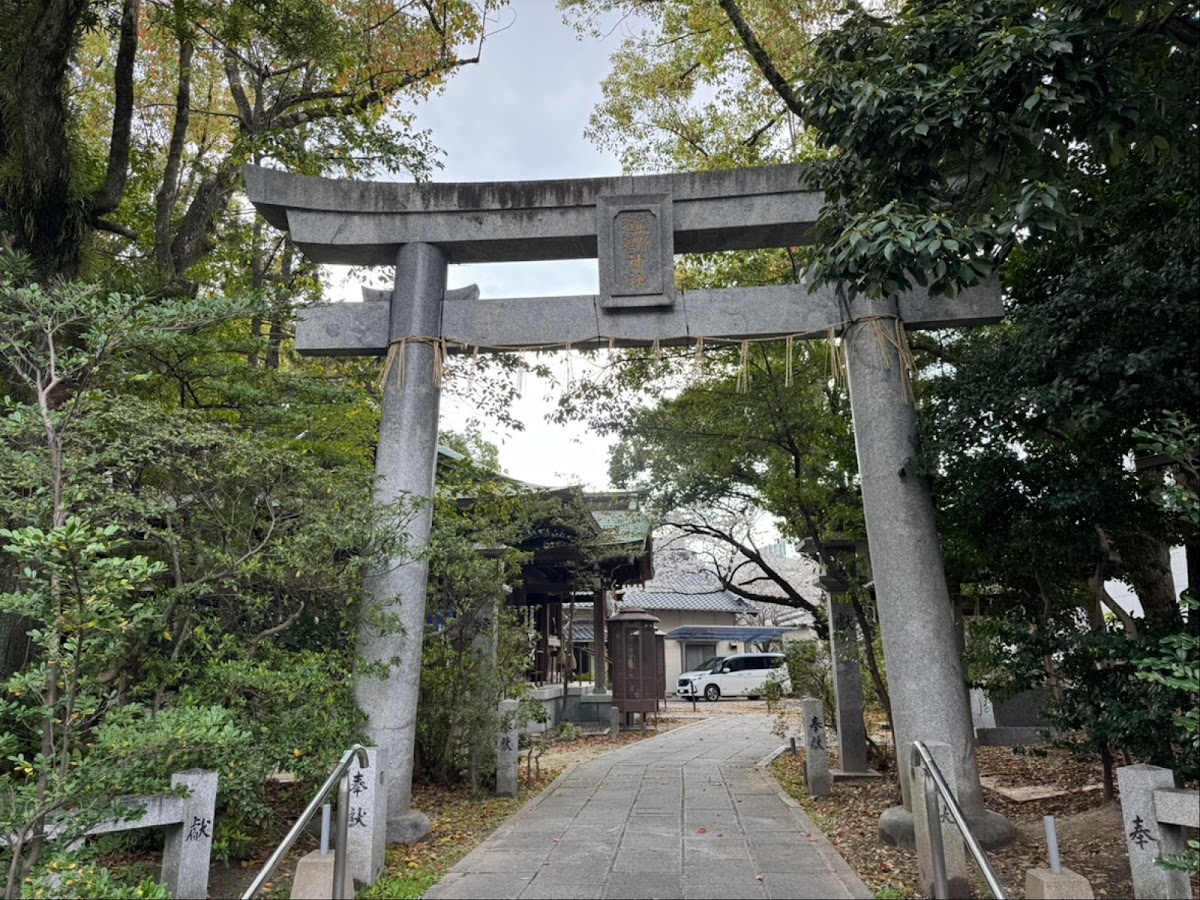
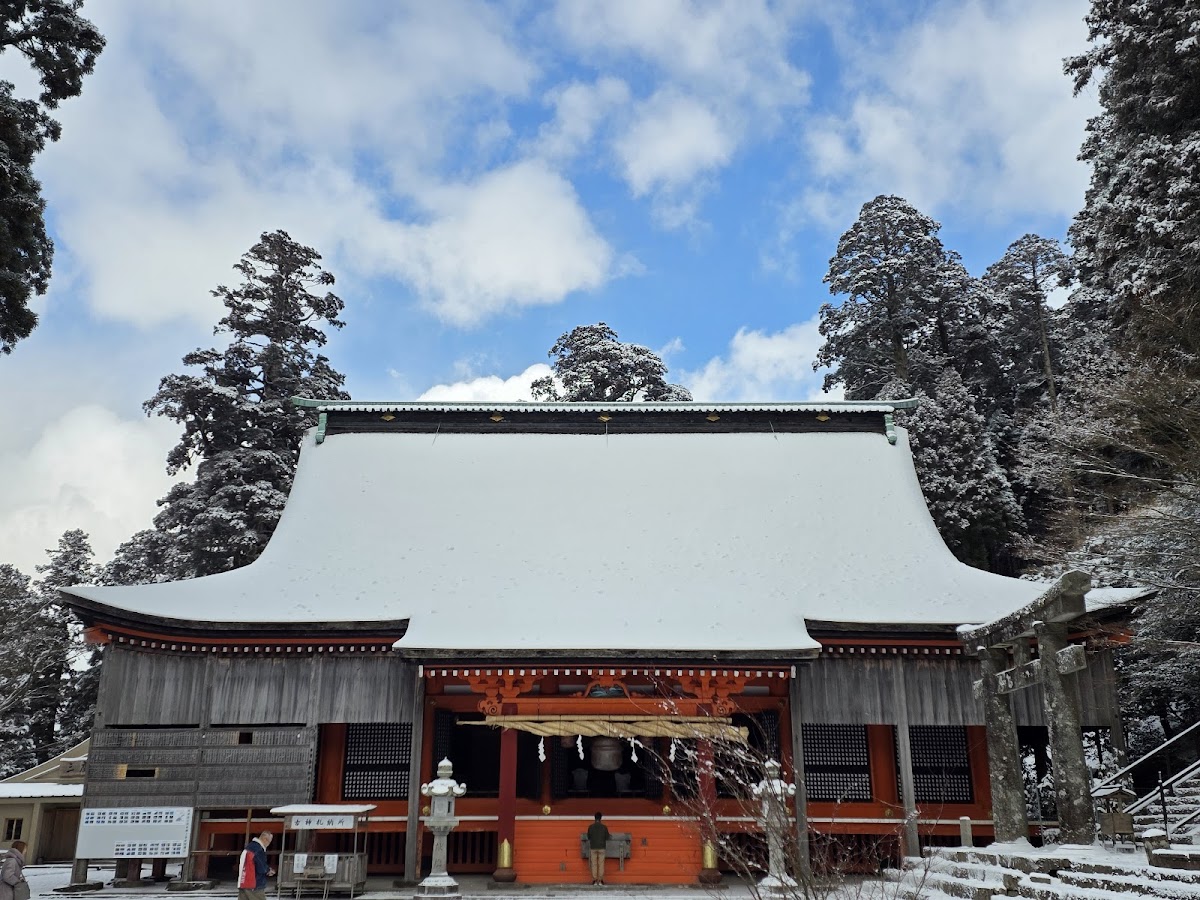
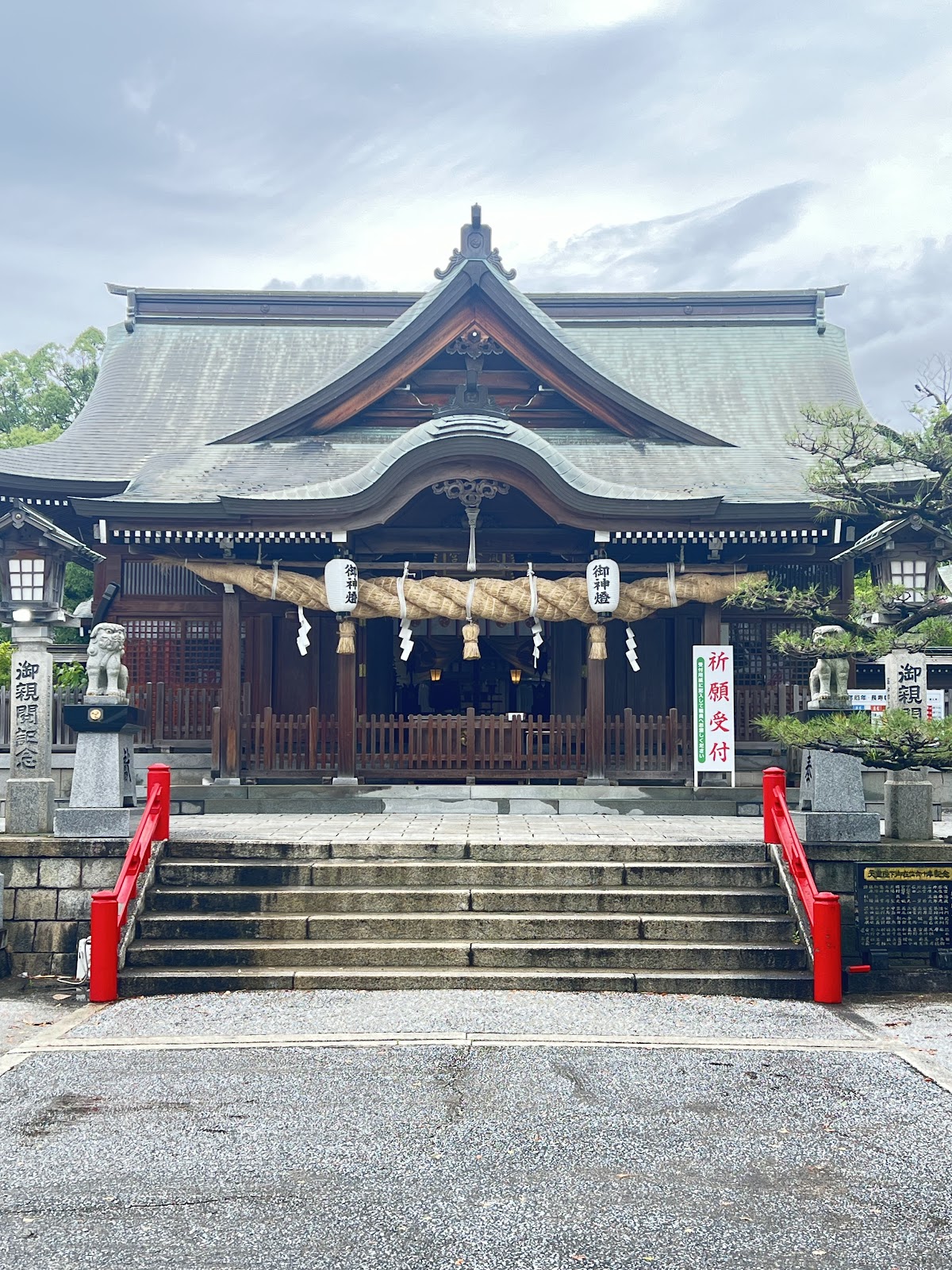
Sugawara Shrine (Sugawara Jinja), located in Tagawa City, Fukuoka Prefecture, is a shrine dedicated to Sugawara no Michizane, known as the god of learning. This article provides a detailed explanation of Sugawara Shrine in Tagawa City, from its history to information on visiting, benefits, and access methods.
Basic Information on Sugawara Shrine (Sugawara Jinja)
Location and Contact Information
Sugawara Shrine is located at 192 Ida, Tagawa City, Fukuoka Prefecture. Tagawa City is located in the central part of Fukuoka Prefecture, in the Chikuhō region, and is a historical area that once prospered from coal mining.
Basic Data
- Official Name: Sugawara Shrine
- Location: 192, Ida, Tagawa City, Fukuoka Prefecture
- Postal Code: 825-0002
- Corporate Number: 8290805007328
- Main Deity: Sugawara no Michizane
Geographical Characteristics of Sugawara Shrine
Tagawa City is one of the three cities of Chikuhō (Iizuka City, Nogata City, and Tagawa City) and is located in the central part of Fukuoka Prefecture. The Ida district where Sugawara Shrine is located is close to the center of Tagawa City, and residential areas and commercial facilities spread out around it.
Tagawa City is located at the foot of Mt. Hikosan, and the Hikosan River flows through the city, making it a naturally rich area. It once prospered from the coal industry, and its historical legacy remains in various places even today.
The History of Sugawara no Michizane and Sugawara Shrine
About Sugawara no Michizane
Sugawara no Michizane (845-903) was a nobleman, scholar, and politician of the Heian period, also known as an excellent Chinese poet. He excelled in scholarship and rose to the position of Minister of the Right, but was demoted to Dazaifu due to political intrigue, where he spent the rest of his life.
After his death, a series of natural disasters occurred in the capital, leading to fears that it was Michizane’s curse. He was deified as Tenman Daijizai Tenjin. Today, he is revered throughout Japan as the “God of Learning” and the “God of Sincerity.”
Sugawara Faith in Tagawa City
The Chikuhō region is geographically close to Dazaifu Tenmangu Shrine, and faith in Sugawara no Michizane has been deeply rooted there since ancient times. Sugawara Shrine in Tagawa City has also been cherished for many years as a place of prayer for academic success and passing exams by the local people.
During the coal mining era, many families visited the shrine to pray for their children’s education, and it played a role as a spiritual pillar supporting the local educational culture.
Benefits and Faith of Sugawara Shrine
Main Benefits
Because Sugawara Shrine enshrines Sugawara no Michizane, the following benefits are believed to be offered:
Academic Achievement and Examination Success
- Passing Exams
- Improving Academic Ability
- Passing Qualification Exams
- Success in Entrance Exams
Other Benefits
- Improving Academic Skills
- Improving Calligraphy Skills
- Improving Literary Skills
- Cultivating Sincerity and Honesty
- Protection from Evil
- Good Fortune and Prosperity
Suitable Time to Visit
Exam Season (January-March)
This is a time when many students and their parents visit the shrine in preparation for exams. Many people can be seen offering votive tablets praying for success.
New School Year (April)
The number of visitors praying for academic success for children starting school or advancing to the next grade increases.
Tenjin-sama’s Festival Day (25th of Every Month)
In commemoration of Sugawara no Michizane’s birthday (June 25th) and death anniversary (February 25th), the 25th of every month is considered Tenjin-sama’s festival day.
How to Worship and Highlights of the Shrine Grounds
Correct Worship Etiquette
We will introduce the basic etiquette for visiting a shrine.
Procedure for Worship
- Passing Through the Torii Gate: Bow before entering the shrine grounds.
- Purifying at the Water Basin: Purify your left hand, then your right hand, then your mouth.
- Proceeding to the Main Hall: Avoid walking in the center of the path.
- Offering a Coin: There is no set amount.
- Ringing the Bell: This informs the gods of your visit.
- Two Bows, Two Claps, One Bow: This is the basic way to worship.
- State Your Wish Silently: It is recommended to also state your address and name.
Offering Ema (Votive Tablets)
At Sugawara Shrine, you can offer ema (votive tablets) for prayers for success in exams and academic achievement. Write your wish and name on the ema and hang it in the designated place.
Access and Transportation Information for Tagawa City
Access by Train
Using the JR Hitahikosan Line
- The nearest station is JR Tagawa-Ita Station
- Approximately 1 hour 30 minutes from Hakata Station via Nogata Station
- Within walking distance from Tagawa-Ita Station
Using the Heisei Chikuhō Railway
- Connect at Tagawa-Ita Station
- Access from Nogata is also possible
Access by Car
Using the Expressway
- Approximately 30 minutes from Kyushu Expressway Yahata IC via National Route 201
- Approximately 40 minutes from Kyushu Expressway Kokura-Minami IC via National Route 322
Using General Roads
- Approximately 1 hour from Fukuoka City via National Route 201
- Approximately 50 minutes from Kitakyushu City via National Route 322
Parking Information
We recommend checking parking conditions around the shrine in advance. There are also public parking lots in the center of Tagawa City.
Tagawa City Tourism and Surrounding Area Information
Major Tourist Spots in Tagawa City
Fuji Hachimangu Shrine
This shrine is famous for the “Fuji Hachimangu River Crossing Festival,” one of Fukuoka Prefecture’s five major festivals. Boasting a 470-year tradition, a magnificent festival is held every May, where glittering portable shrines and floats cross the Hikosan River.
Tagawa City Coal and History Museum
This museum allows visitors to learn about the history of coal mining in Tagawa City and houses the UNESCO World Memory of the World “Sakubei Yamamoto Collection.”
Hikosan Jingu Shrine
Located in Soeda Town, Tagawa District, this is a sacred site of Shugendo (mountain asceticism). It is known as one of Japan’s three major Shugendo mountains.
Tagawa City’s Local Products and Cuisine
Hormone Nabe (Offal Hot Pot)
Tagawa City is a region famous for hormone nabe within Fukuoka Prefecture. It is a local dish that has been enjoyed since the coal mining era.
Tagawa’s Famous Confectionery
Sweets reflecting the history of coal mining, as well as beloved local Japanese confectionery shops, are scattered throughout the area.
Other Shrines and Temples in Tagawa City
Major Shrines in the Surrounding Area
Many shrines other than Sugawara Shrine are located in Tagawa City and Tagawa County.
Taga Shrine
A historical shrine located in Tagawa City, revered as the local guardian deity.
Sugawara Shrine (Daigyoji)
A Sugawara Shrine located in Oito-machi, Tagawa County, also enshrines Sugawara no Michizane.
Tenjin Faith in the Chikuhō Region
The Chikuhō region has several Sugawara Shrines and Tenmangu shrines, and faith in the god of learning is deeply rooted throughout the region. Each shrine has functioned as a center of the local community.
History and Culture of Tagawa City
History as a Coal Mining City
Tagawa City flourished as a coal mining city that supported Japan’s modernization from the Meiji era to the Showa era. At its peak, it was home to many coal miners and their families and developed as the central city of the Chikuhō region.
Even after the decline of the coal industry, efforts have been made to promote cultural tourism utilizing its historical heritage, and the preservation and utilization of coal mining heritage are progressing.
Development of Education and Culture
Known as a region that has been enthusiastic about education since the coal mining era, the custom of praying for the academic success of children has been deeply rooted. The faith in the god of learning, including at Sugawara Shrine, is deeply connected to this cultural background that emphasizes education.
Annual Events and Festivals
Major Festivals of Tagawa City
Kazeji Hachimangu River Crossing Festival (May)
One of Fukuoka Prefecture’s five major festivals, this is a traditional event with a history of over 470 years. The sight of the magnificent floats and portable shrines crossing the Hikoyama River is breathtaking.
Annual Festivals of Each Shrine
Various festivals are held throughout the year at various shrines in the city, including Sugawara Shrine. ### Seasonal Events
Hatsumode (First Shrine Visit of the New Year) (January 1st-3rd)
Shrines are bustling with worshippers praying for happiness in the new year and safety throughout the year.
Setsubun Festival (Around February 3rd)
Some shrines hold events such as bean-throwing.
Shichi-Go-San (Around November 15th)
A celebration of children’s growth and prayers for their healthy development.
Notes and Manners for Visiting Shrines
Regarding Clothing
While there are no particularly strict dress code regulations, it is desirable to dress appropriately, keeping in mind that it is a sacred place.
- Avoid excessive exposure
- Wear clean clothing
- Formal attire is appropriate for formal visits
Regarding Photography
Photography is generally permitted on the shrine grounds, but please note the following points.
- Photography may be prohibited inside the main shrine.
- Please be considerate of other worshippers.
- Please refrain from using flash photography.
- Please refrain from taking photos during Shinto rituals.
Other Manners
- Please be quiet on the shrine grounds.
- Please take your trash with you.
- Please avoid entering areas other than designated areas.
- Please check in advance whether pets are allowed.
Tagawa City Living Information
City Overview
Tagawa City is a city with a population of approximately 45,000 located in the central part of Fukuoka Prefecture, in the Chikuhō region. As one of the three major cities of Chikuhō, it plays a central role in the region’s administration, economy, and culture.
Transportation
Railway Network
- JR Hitahikosan Line
- Heisei Chikuhō Railway Ita Line/Tagawa Line
- Tagawa-Ita Station is a major transportation hub.
Bus Routes
Nishitetsu buses and others connect various parts of the city.
Living Facilities
The city boasts a wealth of commercial facilities, medical institutions, and educational institutions, providing all the necessary amenities for daily life.
Significance of Visiting Sugawara Shrine
Wishing for Academic Success
Visiting Sugawara Shrine is not merely a prayer for success in exams, but also an opportunity to reaffirm one’s sincere attitude towards learning. Many lessons can be learned from the life of Sugawara no Michizane, allowing for a reaffirmation of values such as sincerity, effort, and passion for learning.
Connection with the Local Community
Local shrines have long been a spiritual pillar for residents and a place that strengthens community bonds. Through visiting Sugawara Shrine, one can feel the history and culture of Tagawa City and connect with the local people.
A Place of Peace and Prayer
In modern society, shrines are precious spaces where one can find peace of mind. By praying in the quiet grounds, one can escape the hustle and bustle of everyday life and have time to reflect on oneself.
Travel Plan to Tagawa City
Day Trip Plan
Morning: Visit Sugawara Shrine → Visit Kazeji Hachimangu Shrine
Lunch: Hormone Hot Pot in Tagawa City
Afternoon: Visit Tagawa City Coal and History Museum → Purchase Souvenirs
Two-Day/One-Night Plan
Day 1
- Visit Sugawara Shrine
- Sightseeing in Tagawa City
- Overnight Stay in City
Day 2
- Visit Hikosan Jingu Shrine
- Nature Walk in the Surrounding Area
- Relax at a Hot Spring Facility
Accommodation
There are various accommodations in and around Tagawa City, including business hotels and hot spring inns. There are also many accommodations around Hikosan where you can enjoy nature.
Other Sugawara Shrines and Tenmangu Shrines in Fukuoka Prefecture
Dazaifu Tenmangu Shrine
A representative Tenmangu shrine in Fukuoka Prefecture, the shrine is built on the tomb of Sugawara no Michizane. As the head shrine of all Tenmangu shrines nationwide, it is one of Japan’s leading shrines, attracting approximately 10 million visitors annually.
Suikyō Tenmangu Shrine (Fukuoka City)
Located in Chuo Ward, Fukuoka City, this Tenmangu shrine offers a tranquil space for worship despite its urban location.
Sugawara Shrines in Various Locations
Numerous Sugawara shrines exist within Fukuoka Prefecture, each attracting local devotion. The Sugawara Shrine in Tagawa City is one such example, a place of worship deeply rooted in the community.
Sugawara Faith in Modern Times
Visits During Exam Season
Even today, many students and their parents visit Sugawara shrines during exam season. Ema (votive tablets) and amulets for passing exams provide emotional support for students.
The Era of Lifelong Learning
The modern era is considered the age of lifelong learning, where the importance of continuous learning regardless of age is recognized. Faith in the god of learning holds significance not only in the context of exams, but also in a wide range of learning situations, such as obtaining qualifications and self-improvement.
Symbol of Sincerity
Sugawara no Michizane is a symbol not only of learning but also of sincerity and a sense of justice. These values remain important in modern society, and the worship of Sugawara continues to hold significance as a moral guide.
Summary
Sugawara Shrine (Sugawara Jinja) in Tagawa City, Fukuoka Prefecture, is a locally rooted shrine dedicated to Sugawara no Michizane, the god of learning. It attracts worshippers seeking success in exams and academic achievement, and serves as an important place to convey the history and culture of the region.
Tagawa City is the central city of the Chikuhō region, with a history of coal mining, and a culture that emphasizes education is deeply rooted there. Visiting Sugawara Shrine is not merely a way to make a wish, but also an opportunity to reaffirm a sincere attitude towards learning and to experience the region’s history and culture.
When visiting Tagawa City, why not visit nearby tourist spots such as Fūji Hachimangu Shrine and the Tagawa City Coal and History Museum, in addition to visiting Sugawara Shrine? You will be able to experience the history and culture of Chikuhō, as well as the warmth of the local people. Whether you’re praying for academic success, interested in the history and culture of Tagawa City, or simply seeking a peaceful place of prayer, Sugawara Shrine is a shrine worth visiting. When you come to Tagawa City in Fukuoka Prefecture, be sure to stop by Sugawara Shrine.