Kifune Shrine (Natsuyoshi, Tagawa City, Fukuoka Prefecture): A Complete Look at This Ancient Shrine Dedicated to the Water God, Rooted in the Local Community
Located in Natsuyoshi, Tagawa City, Fukuoka Prefecture, Kifune Shrine is a historic shrine that attracts the faith of local residents. It enshrines Mizuha-no-me-no-kami, the goddess of water, and is known for its blessings of abundant harvests and protection from water-related disasters. This article provides a detailed introduction to Kifune Shrine, including its history, enshrined deities, highlights of the grounds, annual events, and access information.
What is Kifune Shrine?: A Historic Shrine in Natsuyoshi, Tagawa City
Kifune Shrine is located in the Natsuyoshi district of Tagawa City, Fukuoka Prefecture, and has been revered as the local guardian deity since ancient times. The name “Kifune” is connected to the Kifune faith throughout Japan, with Kyoto’s Kifune Shrine as its head shrine.
Tagawa City is located in the central part of Fukuoka Prefecture and is known as a region that once prospered from coal mining. The Natsuyoshi district is one of the oldest settlements in Tagawa City, and a community centered on agriculture has been formed there. Kifune Shrine has served as a central place of worship in this region, passed down through generations.
The Spread of Kifune Faith
Throughout Japan, there are shrines based on Kifune faith, with various spellings such as “Kifune Shrine,” “Kifune-sha,” “Kifune Shrine,” and “Kifune Shrine.” All of these are connected by the worship of the water deity, with Kifune Shrine in Sakyo-ku, Kyoto City, as their head shrine.
Kifune Shrine in Natsuyoshi, Tagawa City, also plays a part in this Kifune faith, serving as a guardian deity of water and agriculture in the region.
About the Deity: Mizuha-no-me-no-kami
The main deity of Kifune Shrine is Mizuha-no-me-no-kami. This deity is a water goddess appearing in Japanese mythology, and her name is recorded in the Kojiki and Nihon Shoki.
The Myth of Mizuha-no-Megami
Mizuha-no-Megami is said to be a goddess born from the urine of Izanami-no-Mikoto, who died after giving birth to the fire god Kagutsuchi, while she was suffering from illness. “Mizuha” can also be written as “水走” (mizuhashi), and represents the flow of water.
This goddess is believed to bestow the following blessings:
- Abundant Harvest: Bringing good harvests because she controls the water necessary for agriculture.
- Protection from Water-Related Disasters: Protecting against water-related disasters.
- Rainmaking/Stopping Rain: Possessing the power to control the weather.
- Business Prosperity: Enriching business like flowing water.
- Matchmaking: Likening the connection between people to the flow of water.
Why is a Water Goddess Enshrined in Natsuyoshi, Tagawa City?
The Tagawa region is part of the Chikuhō Plain and has long been a thriving agricultural area. A stable water supply is essential for agriculture, particularly rice cultivation. In the Natsuyoshi district, securing agricultural water was a crucial issue for the community, and prayers for abundant harvests and the blessing of water were offered by worshipping Mizuha-no-me-no-kami, the goddess of water.
History of Kifune Shrine: From Founding to the Present
The exact founding date of Kifune Shrine is unclear due to limitations in historical records, but based on local traditions and the surrounding historical background, it is believed to have existed since before the Edo period.
Kifune Faith in the Edo Period
During the Edo period, Kifune faith spread throughout Japan. Especially in rural areas, securing water was a fundamental issue for daily life, making water deity worship extremely important. In the Tagawa region, small shrines dedicated to water deities were built in each settlement, and it is presumed that Kifune Shrine was one of them, attracting local faith.
Changes After the Meiji Era
With the arrival of the Meiji era, shrines throughout Japan were forced to undergo major changes due to the separation of Shinto and Buddhism and the policy of consolidating shrines. However, many small, community-based shrines have survived to this day thanks to the strong faith of their parishioners.
Kifune Shrine, too, has weathered the storms of time and been passed down to the present day thanks to the fervent faith of the local residents.
Kifune Shrine in Modern Times
As the eras changed from Showa to Heisei and then to Reiwa, Tagawa City experienced various social changes, such as the closure of coal mines and population decline. However, Kifune Shrine remains a spiritual anchor for the community, carefully preserved by its parishioners and local residents.
Even today, annual events and festivals are held, serving as a place to strengthen community bonds.
Shrine Grounds and Highlights
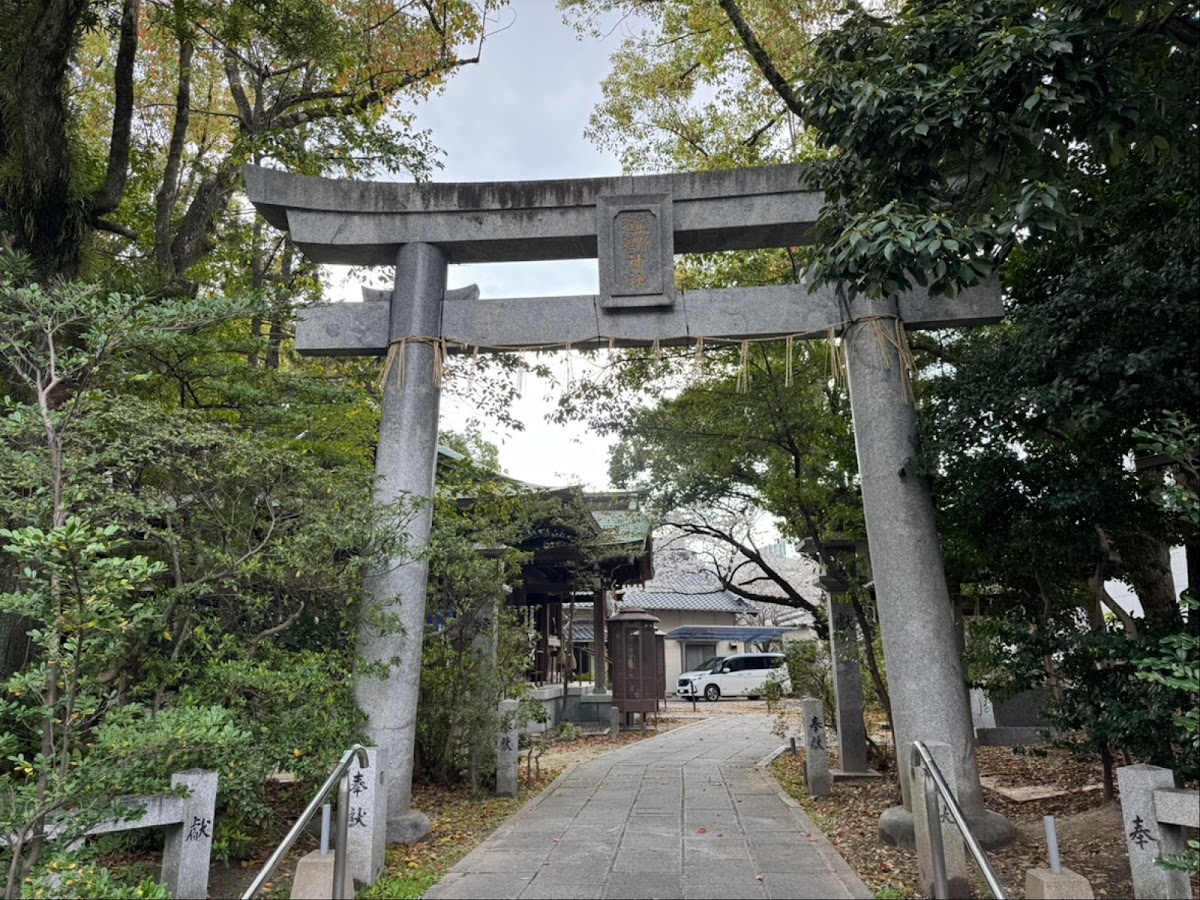
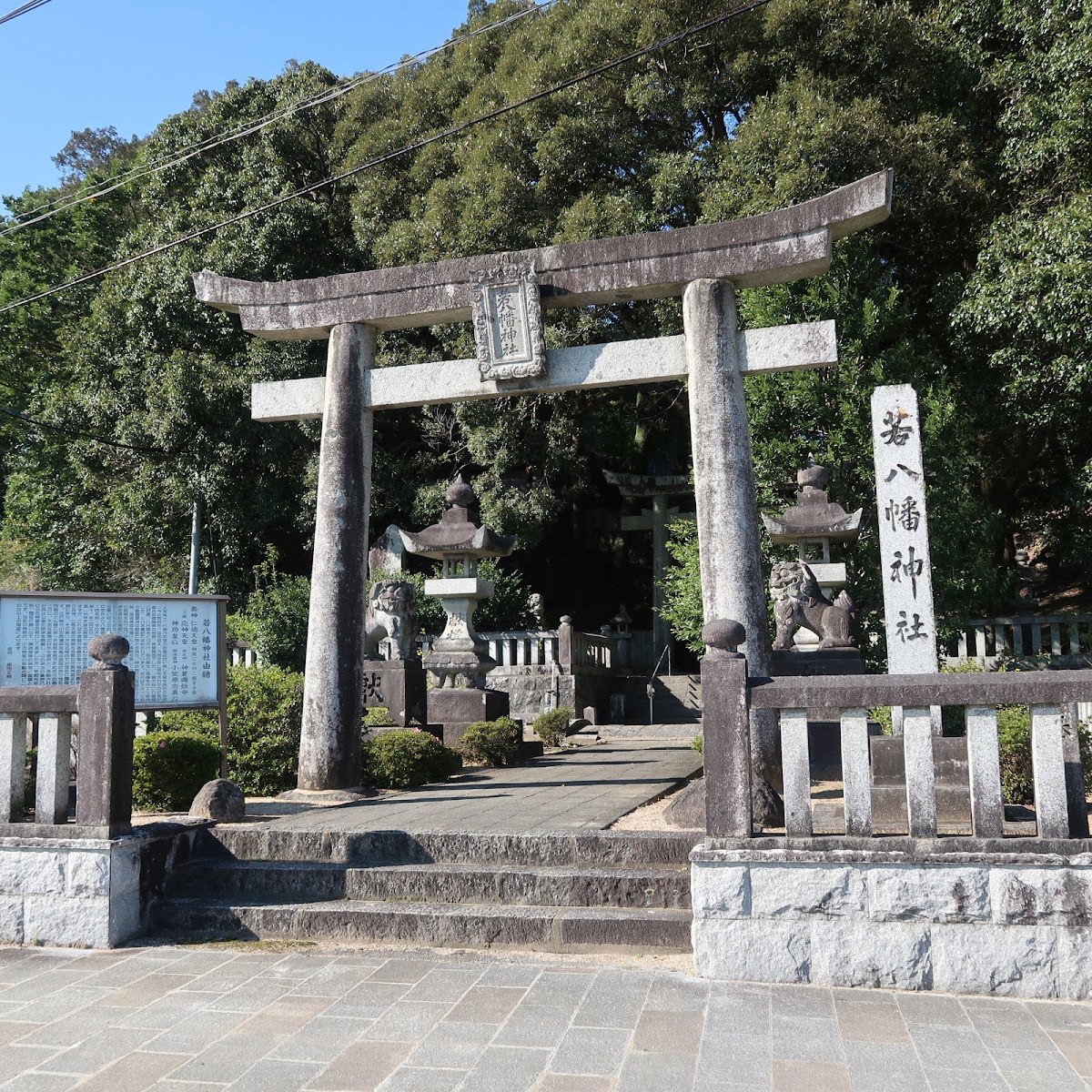
The grounds of Kifune Shrine are enveloped in a simple and tranquil atmosphere, befitting a small, local shrine.
Main Hall and Worship Hall
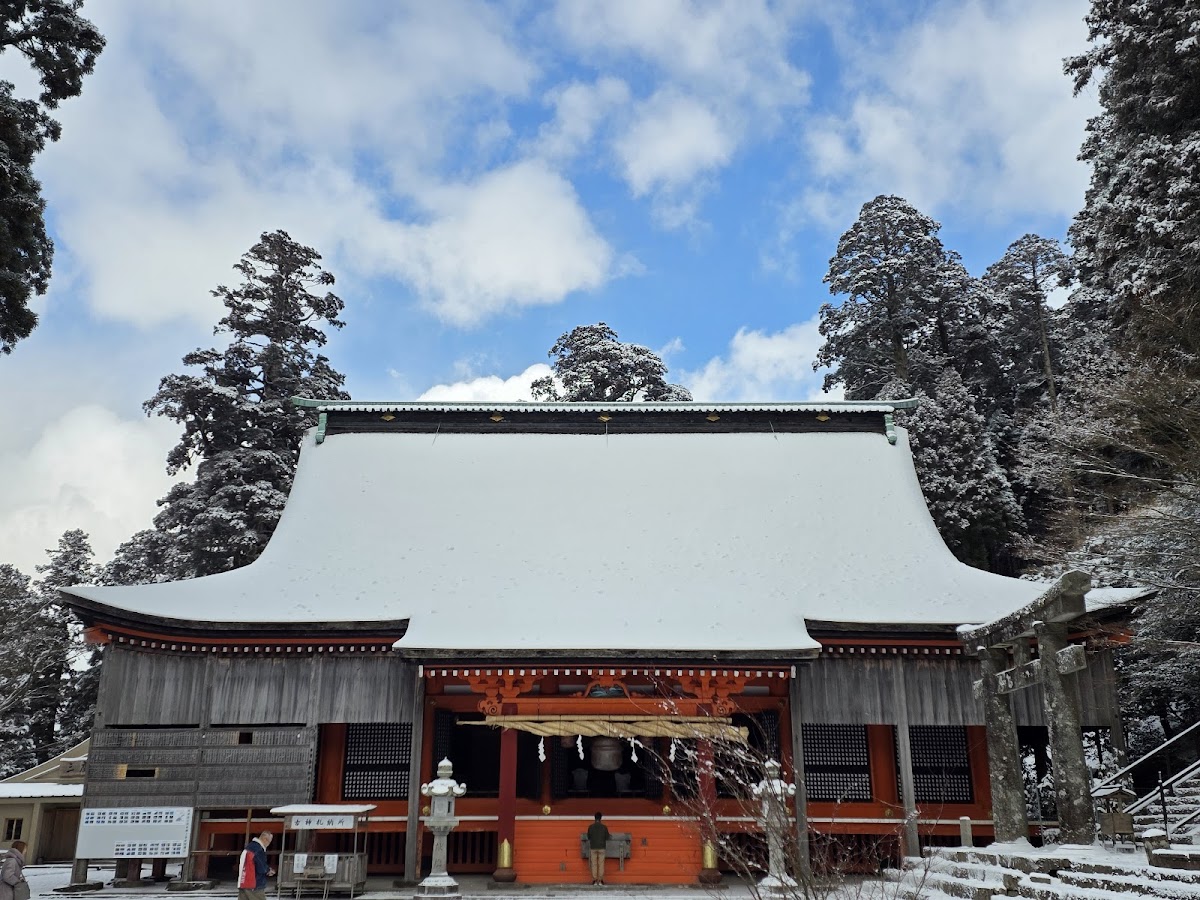
The main hall is built in the traditional shrine architectural style and is meticulously maintained, albeit modestly. Visitors can offer prayers to the deities in the worship hall.
Shrine Grove
The shrine grounds are filled with ancient trees, creating a sacred space. These trees are living witnesses to the history of the shrine, displaying different expressions throughout the seasons.
Water Basin
A water basin is provided for purification before worship. As befits a shrine dedicated to the water god, pure water welcomes worshippers.
Annual Events and Festivals
Kifune Shrine holds various Shinto rituals throughout the year.
Annual Festival
An annual festival is held at a fixed time each year, where local residents gather to offer thanks to the gods. During the festival, Shinto priests solemnly perform rituals such as the recitation of prayers and the offering of sacred branches.
New Year’s Visit
At the start of the new year, parishioners and local residents visit the shrine for their first shrine visit of the year, praying for safety and well-being for their families throughout the year.
Other Events
Seasonal prayer ceremonies and traditional local events are also held, making it an important place for community interaction. ## Regional Characteristics of Natsuyoshi, Tagawa City
Understanding the regional characteristics of the Natsuyoshi district in Tagawa City, where Kifune Shrine is located, will deepen your understanding of the shrine.
Overview of Tagawa City
Tagawa City is a city with a population of approximately 45,000 located in the central part of Fukuoka Prefecture, in the Chikuhō region. It once flourished as the center of the Chikuhō coalfield, supporting Japan’s modernization through the coal industry.
Characteristics of the Natsuyoshi District
Natsuyoshi is a historically significant area within Tagawa City, where settlements centered on agriculture were formed. Even today, rural landscapes remain, maintaining a peaceful atmosphere.
The local residents are tightly knit, and traditional events and community activities are actively carried out, with Kifune Shrine playing a central role.
Access and Visiting Information
Location
Address: Natsuyoshi, Tagawa City, Fukuoka Prefecture
Transportation Access
Access by Train
- Approximately 10-15 minutes by car from JR Hitahikosan Line “Tagawa-Ita Station” or “Tagawa-Gotōji Station”
- Convenient taxi ride from Heisei Chikuhō Railway “Tagawa-Ita Station”
Access by Car
- Approximately 30 minutes via National Route 201 from Kyushu Expressway “Yahata IC”
- Approximately 40 minutes via National Route 201 from Higashi-Kyushu Expressway “Yukuhashi IC”
- Accessible from Tagawa city center via prefectural roads
Visiting Hours
The shrine grounds are generally open for free visits. However, designated times may apply during Shinto rituals and festivals.
Parking
Parking spaces may be available around the shrine, but please be considerate of the surrounding area as it is also a local residential road.
Etiquette for Visiting a Shrine
Please observe basic etiquette when visiting a shrine:
- Bow before passing through the torii gate.
- Walk along the sides of the path, as the center is the path for the gods.
- Cleanse your hands and mouth at the purification fountain.
- At the main hall, worship using the “two bows, two claps, one bow” ritual.
- Worship quietly and respectfully.
Kifune Shrine and the Local Community
Kifune Shrine is not merely a religious facility; it functions as a central hub for the local community.
Parishioners’ Organization
There is a parishioners’ organization that supports the shrine, cooperating in cleaning and maintaining the grounds and preparing for the annual festival. This maintains intergenerational community bonds.
Hub for Local Events
Through annual festivals and seasonal events, opportunities for local residents to gather are provided. This plays a valuable role in maintaining community, especially in rural areas facing depopulation and an aging population.
Preservation of Traditional Culture
Shrine ceremonies and festivals play a vital role in passing on local traditional culture to future generations. Children’s participation in shrine events fosters a sense of attachment to their community and an understanding of tradition.
Relationship with Kifune Shrines and Kifune Shrines Nationwide
The Kifune Shrine in Natsuyoshi, Tagawa City, is part of a nationwide network of Kifune faith shrines.
Head Shrine: Kifune Shrine in Kyoto
The Kifune Shrine in Sakyo-ku, Kyoto City, is the head shrine of approximately 500 Kifune faith shrines nationwide. It is said to have been founded during the Asuka period and boasts a history of over 1300 years.
Major Kifune Shrines and Kifune-sha Shrines
The following Kifune Shrines and Kifune-sha Shrines exist throughout Japan:
Major Kifune Shrines
- Kifune Shrine (Sakyo-ku, Kyoto City) – Head Shrine
- Kifune Shrine (Osaka Prefecture)
- Kifune Shrine (Hyogo Prefecture)
Major Kifune-sha Shrines and Kifune-miya Shrines
- Kifune-sha Shrine (Ama City, Aichi Prefecture)
- Kifune-sha Shrine (Soeda-machi, Tagawa-gun, Fukuoka Prefecture)
- Kifune-sha Shrine (Natsuyoshi, Tagawa City, Fukuoka Prefecture)
Major Kifune Shrines
- Kifune Shrine (Tokyo)
- Kifune Shrine (Kanagawa Prefecture)
Major Kifune Shrines and Kifune-sha Shrines
- Shrines with different spellings scattered throughout the country
Major Kifune Shrines
- Shrines that retain older spellings
Major Kifune Shrines and Kifune-sha Shrines
- Shrines with Different Names Depending on the Region
Main Kibune Shrines/Kibune-sha
- Further Shrines Using Different Names
These all enshrine water deities and belong to the same lineage of belief.
The Importance of Water Deity Worship
The water deity worshipped at Kibune Shrines is deeply intertwined with Japanese agricultural culture.
Agriculture and Water
Abundant water is essential for the production of rice, Japan’s staple food. Since ancient times, farmers have prayed for a stable water supply and have enshrined water deities near water sources and irrigation canals.
Life and Water
Water is indispensable for human survival, both as drinking water and for daily life. Gratitude for clean water and a desire for protection from water-related disasters are at the heart of water deity worship.
Significance in Modern Times
While modern water infrastructure has made securing water easier, the importance of water remains unchanged. In today’s world, where environmental issues and climate change are a major concern, water deity worship reminds us of reverence and gratitude towards nature. ## Benefits of Visiting Kifune Shrine
Visiting Kifune Shrine is believed to bring the following benefits:
Abundant Harvest and Business Prosperity
The water deity is believed to bring abundant harvests, attracting not only agricultural workers but also people praying for the prosperity of all kinds of businesses.
Protection from Water-Related Disasters and Misfortune
Many people visit to pray for safety, as the deity protects against water-related disasters.
Matchmaking and Romantic Success
In Kifune faith, water is considered a symbol of connecting people, so it is also believed to bring benefits in matchmaking.
Purification of Mind and Body
Praying to the pure water deity is believed to purify the mind and body, allowing for a fresh start.
Other Shrines and Temples in Tagawa City
When visiting Kifune Shrine, it is also recommended to visit other shrines and temples in Tagawa City and the surrounding areas.
Kazeji Hachimangu Shrine
A representative shrine of Tagawa City, the “Kawawatari Shinkosai” (River Crossing Festival), held every May, is counted as one of Fukuoka Prefecture’s five major festivals.
Kifune Shrine in Soeda Town
There is also a Kifune Shrine in Soeda Town, Tagawa District, which, like the others, is a shrine dedicated to water deity worship and attracts the faith of the local community.
Other Temples and Shrines
The Tagawa region has numerous historical temples and shrines, each imbued with the history and culture of the region.
Points to Note and Requests When Visiting
Please note the following points when visiting Kifune Shrine:
Consideration for Local Residents
The shrine is located within the living area of local residents. Please be considerate of the neighbors and avoid causing inconvenience such as noise or illegal parking.
Preservation of the Shrine Grounds
Please be sure to take your trash with you and keep the shrine grounds clean. Please be careful not to damage plants or buildings.
Photography
Photography is generally permitted on the shrine grounds, but please refrain from doing so during religious ceremonies or in areas where it is prohibited.
About Goshuin (Shrine Seals)
Small shrines may not always be able to provide Goshuin. If you wish to receive a Goshuin, it is recommended to check in advance.
Summary: The Charm and Value of Visiting Kifune Shrine
Kifune Shrine in Natsuyoshi, Tagawa City, Fukuoka Prefecture, is not flashy, but it is a simple and warm shrine deeply rooted in the community. It enshrines Mizuha-no-me-no-kami, the goddess of water, and has supported the lives and faith of local people since ancient times.
In modern society, such small, community-oriented shrines are invaluable for maintaining community bonds and passing on traditional culture. The charm of Kifune Shrine lies in the opportunity to escape the hustle and bustle of the city, find peace in its quiet grounds, and renew your gratitude for the blessings of water.
If you have the opportunity to visit Tagawa City, please be sure to visit Kifune Shrine in Natsuyoshi. By experiencing the region’s history and the faith of its people, you will encounter a landscape that could be called a quintessential Japanese scene.
Kifune Shrine, though small, continues to play a vital role as part of the nationwide network of Kifune worship. Prayers to the water god have universal value, reminding us of gratitude and reverence for nature even in modern times.