Complete Guide to Munakata Taisha Shrine | The History of Japan’s Oldest Shrine and the Charm of Pilgrimage to the Three Shrines, a World Heritage Site
Munakata Taisha Shrine, located in Munakata City, Fukuoka Prefecture, is known as one of Japan’s oldest shrines, appearing in Japanese mythology. In 2017, it was registered as a World Cultural Heritage site as part of “Munakata-Okinoshima Island and Related Heritage Sites,” attracting attention from both within Japan and internationally. This article provides a detailed explanation of Munakata Taisha Shrine’s history, the characteristics of each of its three shrines, how to worship, and must-see sights.
What is Munakata Taisha Shrine? | Guardian Deities of the Sea as Told in Japanese Mythology
Munakata Taisha Shrine enshrines the three Munakata goddesses, the three daughters of Amaterasu Omikami. The three shrines—Okitsumiya on Okinoshima Island, Nakatsumiya on Oshima Island, and Hetsumiya on the mainland—are collectively known as Munakata Taisha Shrine. In the *Nihon Shoki* (Chronicles of Japan), this deity is referred to with the highest honorific title, “Michinushi-no-Muchi,” and has been deeply revered since ancient times as the guardian deity of maritime traffic and the god of safe voyages.
It is the head shrine of approximately 7,000 Munakata Shrines and Itsukushima Shrines throughout Japan, and holds the prestigious status of a Shikinaisha (Myojin Taisha) and former Kanpei Taisha (Imperial Grand Shrine). Currently, as a Beppyo Jinja (Special Shrine) of the Association of Shinto Shrines, it attracts many worshippers from all over Japan.
About the Munakata Three Goddesses
The three goddesses enshrined at Munakata Taisha Shrine are said to have been born from the vow (ukei) between Amaterasu Omikami and Susanoo-no-Mikoto:
- Tagorihime-no-Kami: The eldest daughter, enshrined at Okitsumiya Shrine
- Tagitsuhime-no-Kami: The second daughter, enshrined at Nakatsumiya Shrine
- Ichikishimahime-no-Kami: The third daughter, enshrined at Hetsumiya Shrine
Amaterasu Omikami bestowed upon the three goddesses a divine command: “Descend to the Genkai Sea, a crucial point for exchange with the continent, and assist the Imperial Family, the descendants of the heavenly deities.” This myth is the origin of Munakata Taisha Shrine’s reverence as the guardian deity of maritime traffic.
World Heritage Site: Munakata-Okinoshima Island and Related Heritage Sites
In July 2017, “Munakata-Okinoshima Island and Related Heritage Sites,” including Munakata Taisha Shrine, was inscribed as a UNESCO World Cultural Heritage Site. This inscription marked the international recognition of the historical and cultural value of Munakata Taisha Shrine.
The World Heritage Site comprises four islands: Okinoshima, Koyajima, Mikadobashira, and Tengu-iwa; the Okitsumiya Shrine worship site; Nakatsumiya Shrine; Hetsumiya Shrine; and the Niihara-Nuyama Tumulus Cluster. Okinoshima, in particular, is known as the “Shosoin of the Sea” and is a valuable archaeological site containing traces of national rituals performed from the 4th to 9th centuries.
The Special Nature of Okinoshima
Okinoshima is an island about 4 km in circumference located approximately 60 km offshore in the Genkai Sea. The entire island is considered a sacred object. Even today, the rule of prohibiting women from entering is observed, and general public access is prohibited. The island is a globally rare archaeological site, with approximately 80,000 votive offerings unearthed, all of which have been designated as National Treasures.
Hetsumiya Shrine | Mainland Worship Hub
Located at 2331 Tajima, Munakata City, Fukuoka Prefecture, Hetsumiya Shrine is the central shrine of Munakata Taisha and a hub visited by many worshippers. It enshrines Ichikishimahime-no-kami as its main deity and is believed to offer blessings for traffic safety, maritime safety, and business prosperity.
Highlights of Hetsumiya Shrine
Main Hall and Worship Hall
The current main hall was rebuilt in 1578 and is a valuable structure that preserves the architectural style of the Azuchi-Momoyama period. The cypress bark roof and vermilion-painted pillars are beautiful and create a solemn atmosphere.
Shrine Gate
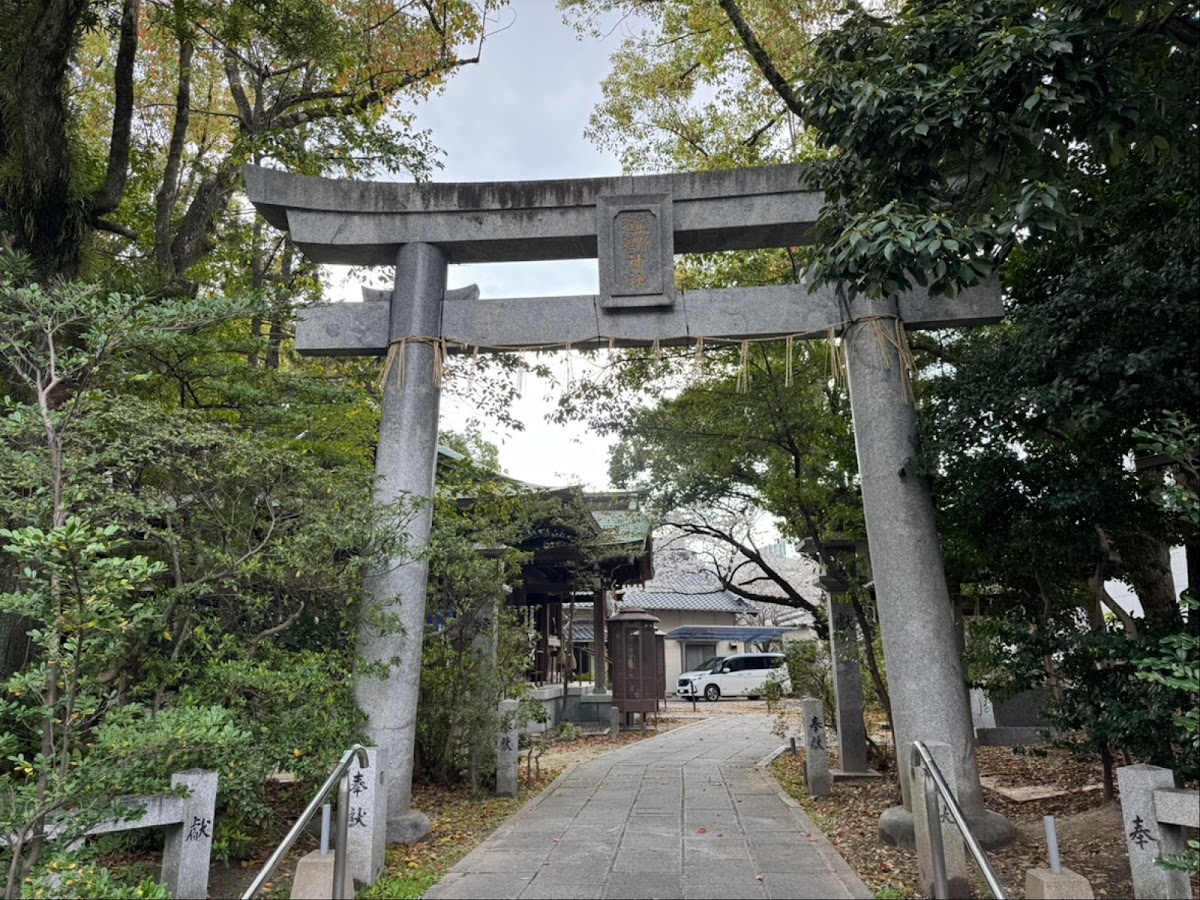
The vermilion-painted shrine gate, standing at the main entrance of Hetsumiya Shrine, is a symbolic structure welcoming worshippers. When passing through the barrier, it is proper etiquette to bow before proceeding.
Water Basin
Before praying, there is a water basin where beautiful water flows, where you can purify your mind and body. The proper procedure is to purify your left hand, then your right hand, then your mouth, and also rinse the handle of the ladle.
Takamiya Ritual Site | A Sacred Site of Ancient Rituals
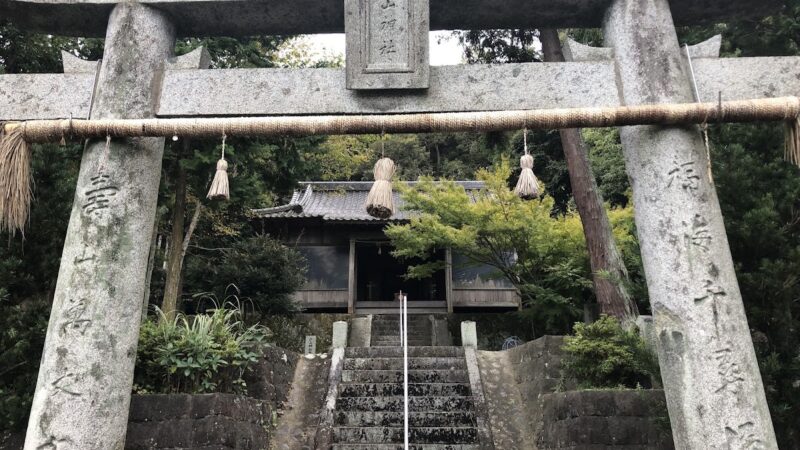
A little distance from the main shrine of Hetsumiya, nestled in the forest, lies the Takamiya Ritual Site. This is considered the origin of Munakata Taisha Shrine, an ancient ritual site where ceremonies were performed even before the shrine buildings were constructed. The sacred space, lined with megaliths, conveys a primitive form of belief.
The Takamiya Ritual Site has no shrine buildings; the spirit of ancient Shinto, which worships nature itself as a deity, is alive and well here. It is a precious place where you can experience the awe felt by ancient people in the tranquil forest.
Shinpokan (Treasure Hall) | Houses and Displays 80,000 National Treasures
Located within the grounds of Hetsumiya Shrine, the Shinpokan houses and displays approximately 80,000 votive offerings (all National Treasures) excavated from the Okinoshima ritual site. Visitors can see up close precious ritual artifacts from the 4th to 9th centuries, including triangular-rimmed bronze mirrors, gold rings, and gilded bronze dragon heads.
The hall also displays numerous sacred treasures that tell the history of Munakata Taisha Shrine, such as ancient documents that convey the prosperity of the Munakata chief priest family in the medieval period, and offerings from the Imperial family and the lords of the Fukuoka domain. It’s a must-visit facility for anyone visiting Munakata Taisha Shrine.
Opening Hours: 9:00 AM – 4:30 PM (Last entry 4:00 PM)
Admission Fee: General Admission 800 yen, High School/University Students 500 yen, Elementary/Junior High School Students 400 yen
Second and Third Shrines
Within the grounds of Hetsumiya Shrine, there are also the Second Shrine, dedicated to Tagorihime-no-kami of Okitsumiya Shrine, and the Third Shrine, dedicated to Takitsuhime-no-kami of Nakatsumiya Shrine. Since you can pay homage to all three goddesses while on the mainland, you can complete your pilgrimage to all three shrines here, even if you cannot travel to Oshima or Okinoshima.
Subsidiary Shrines
Numerous subsidiary shrines are located within the grounds of Hetsumiya Shrine:
- Orihata Shrine: Dedicated to the god of weaving, offering blessings for improvement in arts and crafts.
- Itsukushima Shrine: Dedicated to Benzaiten, the god of performing arts and learning.
- Ebisu Shrine: Dedicated to business prosperity and maritime safety.
- Ise Grand Shrine Remote Worship Site: A place to worship from afar, facing the direction of Ise Grand Shrine.
Each shrine offers different blessings, and by respectfully visiting them, you can pray for a variety of wishes.
Nakatsumiya Shrine | The Mysterious Shrine of Oshima Island
Nakatsumiya Shrine on Oshima Island is located on Oshima Island in the Genkai Sea and enshrines Tagitsuhime-no-kami. It is approximately a 15-minute drive from Hetsumiya Shrine to Kaminato Port, followed by a 25-minute ferry ride.
Features of Nakatsu-gu Shrine
Located on a hill overlooking Oshima Island, Nakatsu-gu Shrine offers a magnificent panoramic view of the Genkai Sea. Its unique island location enhances the sacred atmosphere. The shrine grounds are enveloped in silence, creating a mystical space where only the sounds of waves and wind can be heard.
The Legend of the Milky Way
Nakatsu-gu Shrine is associated with the story of the “Milky Way,” considered the origin of the Tanabata legend. Legend says that Oshima Island was the place where the Weaver Girl and the Cowherd met once a year, making it a popular romantic power spot.
Okitsu-gu Shrine Remote Worship Site
On the north side of Oshima Island, on a rocky outcrop jutting out into the sea, lies the Okitsu-gu Shrine Remote Worship Site. From here, one can worship Okinoshima Island, approximately 48km away. As the only way to pay respects to Okitsu-gu Shrine on Okinoshima Island, which is off-limits to visitors, it attracts many worshippers.
From the worship site, on clear days, the silhouette of Okinoshima Island can sometimes be seen with the naked eye. Standing on the rocky shore where the rough waves of the Genkai Sea crash against the shore, and offering prayers towards the distant Okinoshima Island, is a deeply moving experience.
Okitsumiya Shrine | Okinoshima Island, the Island Where Gods Reside
Okitsumiya Shrine on Okinoshima Island is the inner sanctuary of Munakata Taisha Shrine, dedicated to Tagorihime-no-kami. The entire island is considered a sacred object, and the prohibition against women is still observed. General public access is prohibited, and priests from Munakata Taisha Shrine are stationed there on a 10-day rotation, performing daily rituals.
History of Okinoshima Island Rituals
From the late 4th century to the end of the 9th century, national rituals were performed on Okinoshima Island. At that time, Japan was actively engaging in exchanges with the Korean Peninsula and mainland China, and there was a need to pray for safe voyages across the Genkai Sea. Therefore, a national-level religious ceremony was held on Okinoshima Island, located in the middle of the Genkai Sea.
The form of the ceremony changed over time, starting with rock-top rituals in the early period, then rock-shelter rituals in the middle period, and finally transitioning to semi-rock-shelter/semi-open-air rituals in the later period. The excavated offerings are diverse, including bronze mirrors, weapons, horse trappings, ornaments, steatite products, and pottery, providing valuable information about international exchange and the actual state of religious ceremonies at the time.
The “No-Speak-Of-All” Rule
Okinoshima Island has a long-standing rule called “No-Speak-Of-All.” It is a strict taboo that one must not speak of anything seen or heard on the island, and not take even a single plant or stone from the island. It is because this rule has been observed that the ritual sites of Okinoshima Island have been preserved untouched, gaining value as a World Heritage Site.
The History of Munakata Taisha Shrine | From Ancient Times to the Present
The origins of Munakata Taisha Shrine are ancient, recorded in Japan’s oldest historical texts, such as the *Nihon Shoki* and *Kojiki*. It received reverence from the imperial court from ancient times and was granted the highest rank of shrine under the Ritsuryo system, as a Myojin Taisha (a major shrine).
The Ancient Munakata Clan
The Munakata clan, an ancient powerful family, was responsible for the rituals performed at Munakata Taisha Shrine. The Munakata clan is considered a branch of the Ama (sea people), possessing navigation skills and knowledge of maritime trade routes. They played an important role in the Yamato court’s foreign relations and served as guides for diplomatic envoys to the Korean Peninsula.
The Munakata clan served as the chief priests of Munakata Taisha Shrine for generations and also played an active role as samurai during the medieval period. During the Sengoku period (Warring States period), they maintained relationships with powerful daimyo such as the Ouchi, Otomo, and Mori clans while continuing to protect the rituals of Munakata Taisha Shrine.
Development in the Medieval and Early Modern Periods
During the medieval period, Munakata Taisha Shrine garnered deep devotion from the samurai class as the guardian deity of maritime traffic. It received protection from the Kamakura and Muromachi Shogunates, including the assurance of its land holdings and the repair of its shrine buildings.
During the Edo period, it received the reverence of the Kuroda clan, the lords of the Fukuoka domain, and rituals continued under the domain’s patronage. The current main hall of Hetsumiya Shrine was constructed during this period.
Modern Era
Following the Meiji Restoration’s separation of Shinto and Buddhism, Munakata Taisha Shrine was designated a Kanpei Taisha (Grand Imperial Shrine), occupying an important position within State Shinto. After World War II, it became a Beppyo Jinja (Special Shrine) of the Association of Shinto Shrines, a status it maintains to this day.
The 2017 designation as a World Cultural Heritage site was a groundbreaking event, internationally recognizing the history and cultural value of Munakata Taisha Shrine. This led to a large influx of worshippers and tourists from both within Japan and internationally, and the charm of Munakata Taisha Shrine became widely known.
How to Worship and the Benefits
Basic Worship Etiquette
- Bow Before the Torii Gate: Before entering the sacred area, bow before the torii gate.
- Walk Along the Edge of the Path: The center of the path is considered the path of the gods, so walk along the edge.
- Purify at the Water Basin: Purify in the following order: left hand → right hand → mouth → handle of the ladle.
- Worship at the Main Hall: Worship using the two bows, two claps, and one bow ritual.
- Amulets and Goshuin (Shrine Seals): These can be obtained at the reception area after worship.
Benefits of Munakata Taisha Shrine
Munakata Taisha Shrine is believed to offer a variety of benefits:
- Traffic Safety: Protection of all transportation, both by sea and land.
- Safe Navigation: Believed to be a guardian deity of the sea since ancient times.
- Business Prosperity: Prayers for the development of commerce as a guardian deity of trade routes.
- Prayer for Victory: As a god who paves the way, pray for success in competitions and endeavors.
- Matchmaking: Drawing on the feminine gentleness of the three goddesses, pray for a good match.
- Family Safety: Pray for the peace and prosperity of the family.
Visiting the Three Shrines
The formal way to visit Munakata Taisha Shrine is to visit the three shrines: Hetsumiya, Nakatsumiya, and Okitsumiya. However, since entry to Okinoshima Island is prohibited, it is common practice to visit Hetsumiya, Nakatsumiya, and offer prayers from the Okitsumiya remote worship site.
Even visiting only Hetsumiya allows you to pay respects to all three goddesses at the Second and Third Shrines, so you can choose your method of worship according to your time and energy.
Access Information
Access to Hetsumiya Shrine
By Train
- Get off at Togo Station on the JR Kagoshima Main Line, then take the Nishitetsu Bus and get off at Munakata Taisha-mae bus stop (immediately adjacent).
- Get off at Akama Station on the JR Kagoshima Main Line, then take a taxi for about 10 minutes.
By Car
- About 20 minutes from Wakamiya IC on the Kyushu Expressway.
- About 50 minutes from Fukuoka City via National Route 3.
- Free parking available (Parking Lot 1 & Parking Lot 2).
Access to Nakatsumiya Shrine
By Ferry
- About 25 minutes by ferry or passenger ship from Kaminato Port (Munakata City) to Oshima Port.
- Ferry: Approximately 5 trips per day.
- Passenger ship: Approximately 8 trips per day.
From Oshima Port to Nakatsumiya Shrine, it’s about a 20-minute walk, or renting a bicycle or car is convenient.
Annual Events and Festivals
Munakata Taisha Shrine holds various festivals throughout the year.
Major Festivals
Miare Festival (October 1st)
The most important festival at Munakata Taisha Shrine. A maritime procession takes place to welcome the sacred bodies of Nakatsu-miya and Okitsu-miya to Hetsu-miya. The spectacular sight of approximately 200 fishing boats parading on the sea is a famous autumn tradition.
Autumn Grand Festival (October 3rd)
This grand festival is held for the three goddesses who gathered at Hetsu-miya during the Miare Festival. A Yabusame (mounted archery) ritual is also performed after the Shinto ritual.
Summer Purification Ceremony (June 30th)
A Shinto ritual to purify oneself of sins and impurities accumulated over the past six months. A ritual of passing through a ring of reeds is performed, and prayers are offered for good health and protection from illness.
New Year’s Visit (January 1st-3rd)
During the first three days of the New Year, many visitors come from within and outside the prefecture for their first shrine visit of the year. Many pray for traffic safety, and blessings for new cars are also popular.
Nearby Tourist Spots
Michi-no-Eki Munakata
A roadside station located about 5 minutes by car from Hetsumiya. You can purchase fresh local agricultural and marine products, as well as Munakata’s specialty products. The restaurant serves dishes made with local ingredients.
Chinkoku-ji Temple
An ancient Shingon Buddhist temple said to have been founded by Kukai (Kobo Daishi) after his return from Tang China. Located about 15 minutes by car from Munakata Taisha Shrine.
Niihara-Nuyama Tumulus Cluster
One of the components of a World Heritage Site. A group of tumuli built between the 5th and 6th centuries, it is a valuable historical site that tells the story of the prosperity of the Munakata clan.
Satsuki Matsubara
A beautiful pine grove facing the Genkai Sea. Well-maintained walking paths allow you to enjoy a stroll while admiring the sea.
Points to Note When Visiting Munakata Taisha Shrine
Regarding Attire
When visiting a shrine, it is advisable to avoid overly casual or revealing clothing. Especially when participating in formal worship or receiving prayers, please dress appropriately.
Regarding Photography
Photography is generally permitted within the shrine grounds, but photography inside the main hall or during religious ceremonies may be prohibited. Please check before taking photos or follow any signs.
Points to Note When Visiting Oshima Island
Ferry services are limited, so please check the timetable in advance and plan your trip with ample time. Also, there are few restaurants on the island, so it is recommended to bring your own food if needed.
Summary | Experiencing the Origins of Japan at Munakata Taisha Shrine
Munakata Taisha Shrine, as Japan’s oldest shrine dating back to the age of Japanese mythology, conveys a deep history and culture to the present day. The sacred sites of Okinoshima, a UNESCO World Heritage Site, the unique atmosphere of each of the three shrines, and the Shinpokan (Treasure Hall) housing 80,000 national treasures—there’s no end to the sights to see.
You can experience different emotions at each location: formal worship at Hetsumiya, experiencing ancient rituals at Takamiya, mystical worship surrounded by the sea at Nakatsumiya on Oshima, and distant worship at the Okitsumiya worship site.
Munakata Taisha Shrine attracts worshippers from all over Japan seeking various blessings, including traffic safety, business prosperity, and matchmaking. When you visit Fukuoka, be sure to stop by and feel the atmosphere of this sacred place where Japanese mythology breathes. The gentle yet powerful divine blessings of the three goddesses will surely open new paths in your life.