Tenpukuji Complete Guide: A Summary of History, Highlights, and Access Information for Famous Temples Nationwide
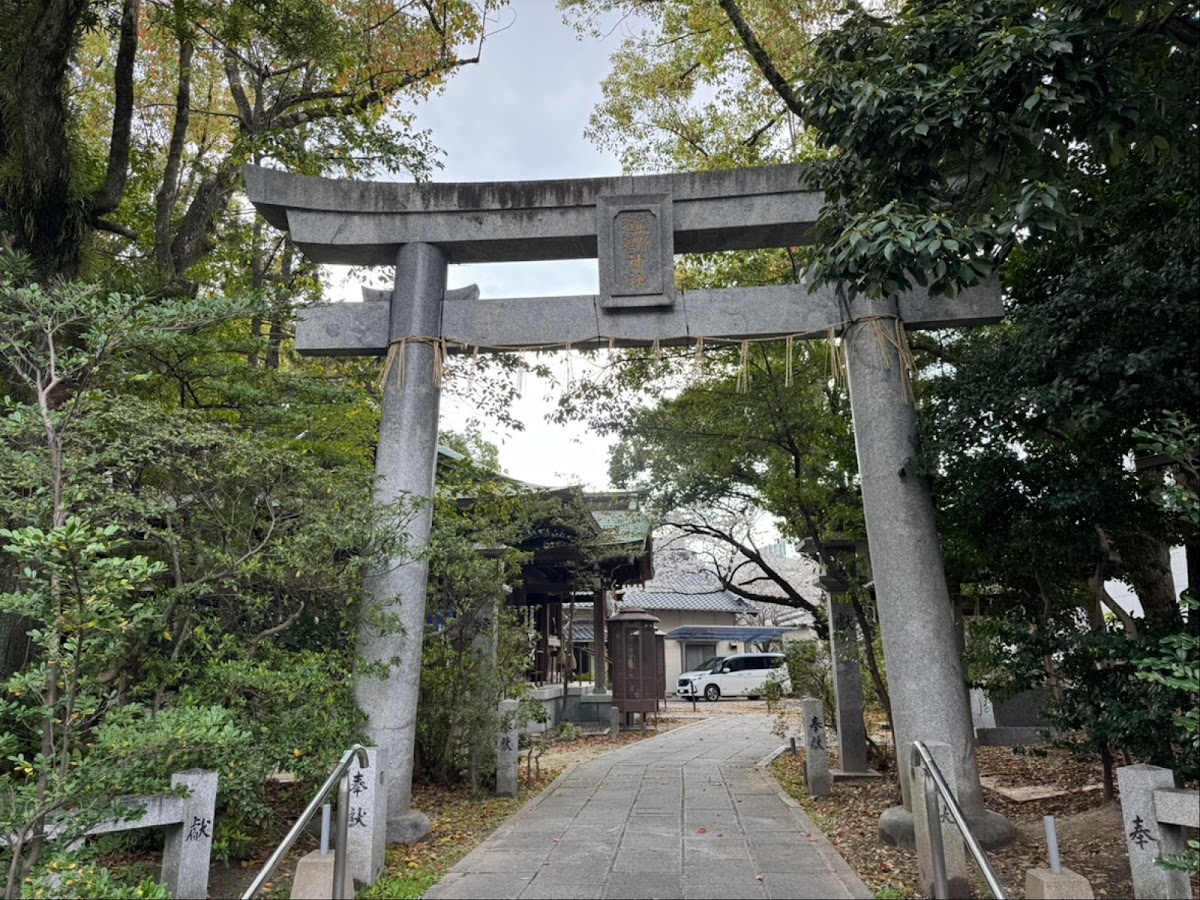
There are several temples named “Tenpukuji” throughout Japan. Each has its own unique history and cultural background, and has played an important role as a center of local faith. This article provides a detailed explanation of Tenpukuji, which are particularly of high historical and cultural value, covering their history from their origins to the present day, their highlights, and access methods.
What is Tenpukuji?: A Group of Historic Temples Scattered Across Japan
The name Tenpukuji means “heavenly blessings” in Buddhism and has been used since ancient times as the name of a temple where people pray for happiness and protection. Temples with the same name exist throughout Japan, each deeply connected to the history and culture of its region.
Major Tenpuku-ji temples include the one in Nagasaki, known as a component of the World Heritage Site “Hidden Christian Sites in the Nagasaki Region”; the one in Kibichuo-cho, Okayama Prefecture, which flourished as a sacred site of Shugendo (mountain asceticism); and the one in Chiba City, affectionately known as Hanashima Kannon.
Tenpuku-ji Temple in Nagasaki: A Soto Zen Temple that Protected Hidden Christians
Historical Background and World Heritage Registration
Fuchiryuzan Tenpuku-ji Temple, located in Togitsu-cho, Nishisonogi-gun, Nagasaki Prefecture, is a Soto Zen temple established in 1688 (Jokyo 5) under the Edo period’s temple registration system. This temple is known for playing an important role in the “Hidden Christian Sites in the Nagasaki Region,” which was registered as a World Cultural Heritage Site in 2018.
What is particularly noteworthy about Tenpuku-ji Temple is that, even knowing that its parishioners were hidden Christians during the period of religious persecution, it accepted them as parishioners and protected them. Most of the people of the Izutsu settlement in Sotome, an exclave of the Fukahori territory of the Saga Domain, were parishioners of Tenpuku-ji Temple, also located within the same territory.
Coexistence with Hidden Christians
Under the strict ban on Christianity imposed by the Edo Shogunate, the fact that hidden Christians were able to maintain their faith for 250 years was due to their relationship of trust and coexistence with Tenpuku-ji Temple. Tenpuku-ji Temple tacitly tolerated, and sometimes even protected, the double life of those who outwardly became Buddhist parishioners of the temple while secretly maintaining their Christian faith, playing a crucial role in the history of Christianity in the Sotome region.
The existence of this temple is valuable historical evidence demonstrating religious tolerance in Japan and the possibility of different faiths coexisting.
Location and Access
Location: 1003-1 Motomura-go, Togitsu-cho, Nishisonogi-gun, Nagasaki Prefecture
Access:
- Approximately 30 minutes by car from JR Nagasaki Station
- Approximately 5 minutes on foot from the “Kashiyama” bus stop (Nagasaki Bus)
- Approximately 15 minutes from the Nagasaki Expressway “Nagasaki Mangazuka IC”
Parking: Parking available for visitors (limited spaces; public transportation is recommended during long holidays)
Highlights and Features
Tenpuku-ji Temple’s grounds include the main hall and priest’s quarters dating back to the Edo period, preserving the architectural style of that time. Furthermore, materials and explanatory panels related to the Hidden Christians are installed, allowing visitors to learn about the history of faith in this region.
If you wish to tour the World Heritage sites, please contact the temple in advance for more detailed explanations.
Tenpuku-ji Temple, Kibichuo-cho, Okayama Prefecture: An Ancient Temple of Shugendo
A Sacred Site of Mountain Buddhism Dating Back to the Nara Period
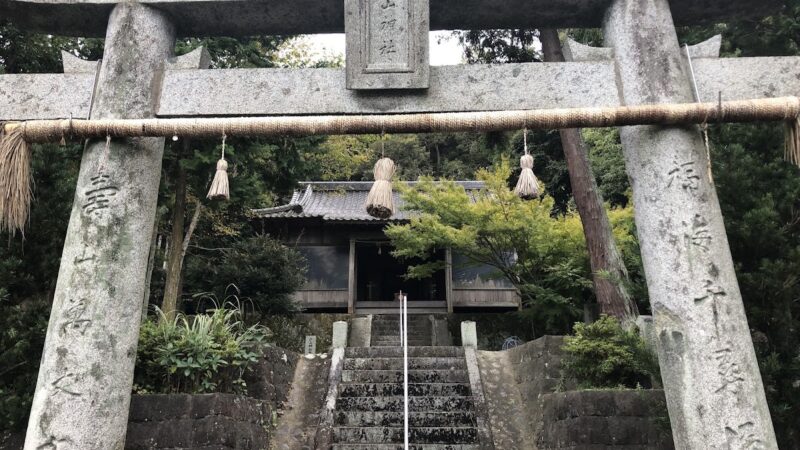
Tenpuku-ji Temple, located in Kibichuo-cho, Kaga-gun, Okayama Prefecture, is an ancient Tendai sect temple situated on the eastern slope of Mt. Ohira (elevation 697m), which rises in the central part of the Kibi Plateau. It is said that this temple was founded in the Nara period (late 7th century) by En no Ozunu, the founder of Shugendo, and that the temple’s structure was completed in the early 8th century by the monk Gyoki.
Tenpuku-ji Temple flourished as a Shugendo temple from the Nara period onward, becoming a center of mountain worship and attracting many Shugendo practitioners for training. The prosperity of mountain Buddhism in its heyday can still be seen in the cultural assets that remain today, such as the main hall, the Nio-do hall, and the seated statue of Yakushi Nyorai.
Cultural Properties and Highlights
The Tenpukuji area is designated as a natural environment conservation area by Okayama Prefecture, allowing visitors to enjoy a landscape where rich natural surroundings and historical buildings harmonize.
Main Cultural Properties:
- Main Hall: A stately building retaining the architectural style of the Edo period.
- Nio-do Hall: A hall enshrining the guardian deity standing at the entrance to the approach to the temple.
- Yakushi Nyorai Statue: A valuable Buddhist statue believed to be from the Heian period.
- Stone Sculptures: Memorial towers and stone Buddha statues from the medieval to early modern periods.
From the temple grounds, you can enjoy a magnificent view of the Kibi Plateau, and many worshippers and tourists visit, especially during the autumn foliage season.
Location and Access
Location: Shimokamo, Kibichuo-cho, Kaga-gun, Okayama Prefecture
Access Method:
- Approximately 50 minutes by car from Okayama City
- Approximately 20 minutes from the Chugoku Expressway “Kayo IC”
- Public transportation access is limited, so using a private car or taxi is recommended.
Parking: Parking available for visitors
Points to Note When Visiting
Because it is located on a mountainside, there are stairs on the approach to the temple. Wearing comfortable shoes is recommended. Also, due to the rich natural environment, insect repellent may be necessary depending on the season.
Tenpuku-ji Temple in Chiba City: An Ancient Temple Affectionately Known as Hanashima Kannon
Founding Legend by Gyoki Bodhisattva
Hanashima-san Tenpuku-ji Temple, located in Hanashima-cho, Hanamigawa-ku, Chiba City, is a Shingon-shu Buzan-ha temple and is affectionately known locally as “Hanashima Kannon.” The exact founding date is unknown, but it is said that in 709 AD (Wado 2), Gyoki Bodhisattva carved an eleven-faced Kannon statue from a cherry tree at this site and enshrined it, thus founding the temple.
It is believed to have been built in the early Kamakura period, and that Chiba Tokitane, a member of the Chiba clan, was the founder. The Chiba clan was a powerful samurai group based in Shimosa Province, and Tenpuku-ji Temple flourished under their patronage.
Principal Image of Chiba Prefecture (Tangible Cultural Property)
The eleven-faced Kannon statue, the principal image of Hanashima Kannon-do, was created by the sculptor Ranko in 1256 AD (Kencho 8), and is a colossal statue nearly 230 cm tall. This Kannon statue is designated as a tangible cultural property of Chiba Prefecture and is extremely valuable as the only Buddhist statue in the city with a clear inscription indicating it was created before the Kamakura period.
This principal image is considered a hidden Buddha and is only unveiled once every 33 years. The next opening of the temple is announced in advance, so many believers visit, seeing it as a once-in-a-lifetime opportunity.
Location and Access
Location: 401 Hanashima-cho, Hanamigawa-ku, Chiba City, Chiba Prefecture
Access:
- From JR Sobu Line “Shin-Kemigawa Station,” take the Keisei Bus bound for “Hanashima Park,” get off at the last stop and walk 5 minutes.
- Approximately 20 minutes on foot from Keisei Electric Railway “Kemigawa Station.”
- Approximately 15 minutes from Higashi-Kanto Expressway “Wangan Narashino IC.”
Parking: Parking available for visitors.
Annual Events and Festivals
Tenpuku-ji Temple holds various Buddhist services and events throughout the year. Many worshippers visit, especially for the New Year’s visit and the spring and autumn equinox services. Also, as it is adjacent to Hanashima Park, you can enjoy a visit combined with a nature walk.
Other Major Tenpuku-ji Temples
Tenpuku-ji Temple (Mankyozan Tenpuku-ji) in Fukuoka City
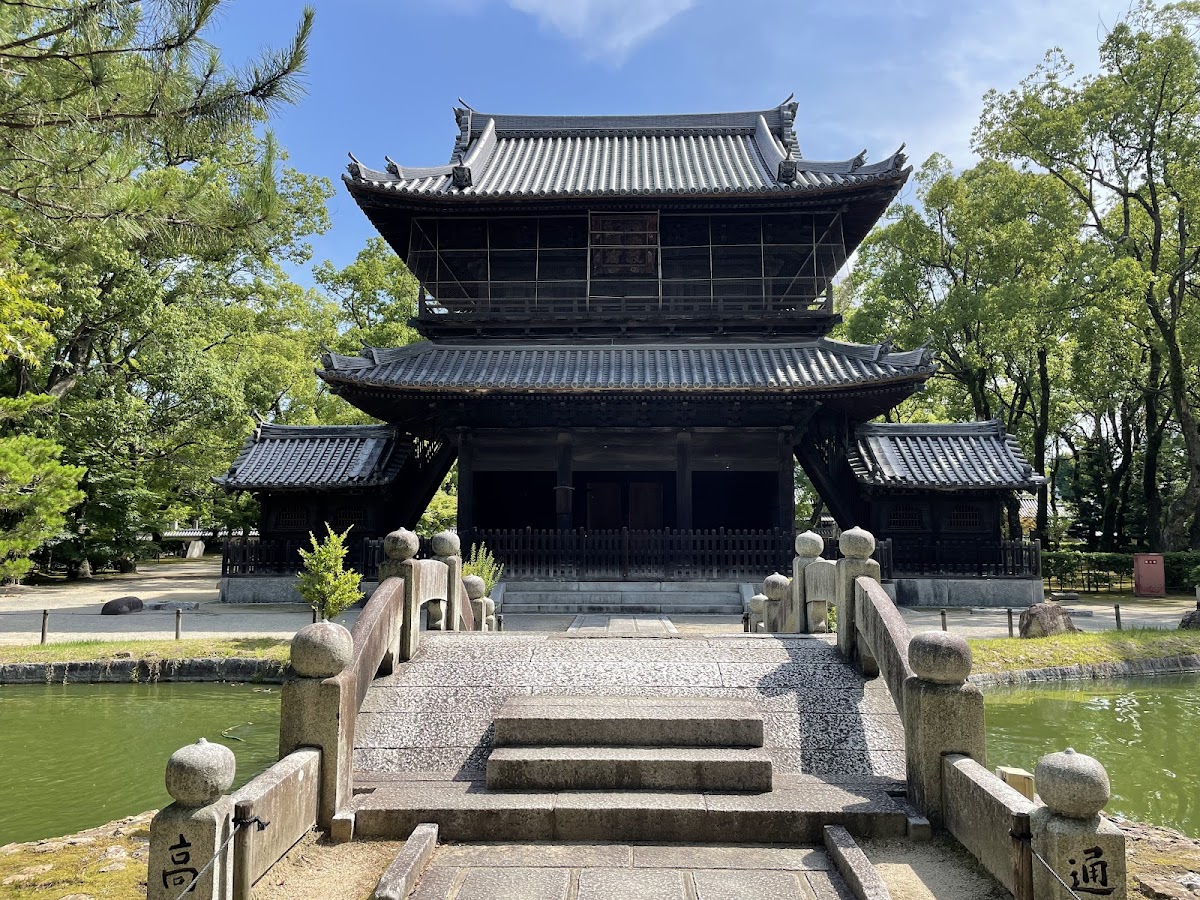
This is a Soto Zen temple located on a hill near Aburayama in southern Fukuoka City. From its quiet grounds surrounded by nature, one can enjoy a panoramic view of Fukuoka City. It is known as a temple where one can worship in a tranquil environment despite being in an urban area.
Location: Hibara, Minami-ku, Fukuoka City
Tenpuku-ji Temple in Saijo City, Ehime Prefecture
This is a Soto Zen temple whose mountain name is Shishikuzan, and whose principal image is Shakyamuni Buddha. The founding year is unknown, but it is known as the family temple of the Uno clan, lords of Shishigahana Castle.
Location: Nishi-Otogashira-ko, Saijo City, Ehime Prefecture
Tenpuku-ji Temple in Takamatsu City, Kagawa Prefecture
This temple is the 32nd temple on the Shikoku Thirty-Six Fudo Pilgrimage. It is said that the temple originated when the Nara period monk Gyōki stopped in this area during his pilgrimage and built a hall.
Location: Oka, Kōnan-chō, Takamatsu City, Kagawa Prefecture
Tenpuku-ji Temple, Yame City, Fukuoka Prefecture
As a Jōdo sect temple, it is a center of local faith. Please contact each temple for detailed history.
Location: Yame City, Fukuoka Prefecture
Guidelines and Manners for Visiting Tenpuku-ji Temples
Basic Etiquette for Worship
When visiting any Tenpuku-ji temple, please observe the following basic worship manners.
- A Bow at the Temple Gate: Bow before entering the temple grounds to compose yourself.
- Purification at the Water Basin: Purify your hands and mouth before praying.
- Respectful Attitude: Remain quiet within the temple grounds and be considerate of other worshippers.
- Consideration for Photography: Refrain from taking photos in areas where photography is prohibited, such as around Buddhist statues.
- Offering: Offer a donation within your means, with gratitude.
Clothing and Belongings
While formal attire is generally not required, avoid revealing clothing and dress modestly. For temples located in mountainous areas, comfortable shoes and seasonal clothing are necessary.
Recommended Items to Bring:
- Goshuincho (stamp book) (if you wish to receive a stamp)
- Drinking water (especially in summer or at temples in mountainous areas)
- Insect repellent spray (for temples in natural environments)
- Rain gear (during periods of unpredictable weather)
Cultural Value and Modern Significance of Tenpuku-ji Temple
Cultural Heritage that Conveys Local History
Tenpuku-ji temples throughout Japan serve as witnesses to the history of their respective regions, preserving valuable cultural heritage. Nagasaki’s Tenpuku-ji tells the story of the hidden Christians, Okayama’s Tenpuku-ji tells the story of the flourishing Shugendo (mountain asceticism), and Chiba’s Tenpuku-ji tells the story of the faith of Kamakura samurai.
The cultural properties and traditions preserved by these temples are indispensable resources for understanding Japan’s religious and social history.
Transmission of Faith and Local Community
Even today, Tenpuku-ji temples serve as a center of faith for local residents and function as a central hub for the community. Through annual events and memorial services, temples serve as places for intergenerational exchange and contribute to the preservation of traditional culture.
Especially in areas experiencing depopulation, temples are expected to become the core of regional identity and play a role as a hub for regional revitalization.
Value as a Tourism Resource
Tenpuku-ji Temples throughout Japan, including Nagasaki’s Tenpuku-ji Temple which is registered as a World Heritage Site, are attracting attention as tourism resources. These temples, with their diverse attractions such as historical buildings, cultural properties, and natural landscapes, are important destinations for cultural tourism.
They welcome visitors from both Japan and abroad, offering a place to learn about local history and culture while gaining spiritual fulfillment.
Points to Consider When Planning a Visit to Tenpuku-ji Temple
Preparation and Information Gathering
Before visiting each Tenpuku-ji Temple, we recommend checking the following information.
- Opening Hours: Visiting hours vary by temple.
- Ceremonies and Events: Check the schedule for special ceremonies and events. Advance notice may be required if you wish to participate.
- Access: Check public transportation timetables and parking availability.
- Admission Fee: Admission fees may be required for special viewings and cultural property tours.
- Visiting Restrictions: Some cultural properties and areas may be closed to the public.
Contact Information for Each Temple
For detailed information and reservations for special viewings, please contact each temple directly. Many temples have official websites where you can find the latest information.
Nearby Tourist Attractions
When visiting Tenpuku-ji Temple, combining your visit with a tour of nearby tourist attractions will make your trip more fulfilling.
Around Tenpuku-ji Temple in Nagasaki:
- Izutsu Settlement in Sotome (World Heritage Site)
- Izutsu Church
- Shusaku Endo Literary Museum
Around Tenpuku-ji Temple in Okayama:
- Natural Landscape of Kibi Plateau
- Kamo Grand Festival (Autumn)
- Agricultural Products Direct Sales Market in Kibi-Chuo Town
Around Tenpuku-ji Temple in Chiba:
- Hanashima Park
- Hanamigawa Cycling Road
- Kemigawa Beach
Summary: Japanese Faith and History as Told by Tenpuku-ji Temples
Temples bearing the name Tenpuku-ji have each carved their own unique history throughout Japan, preserving local faith and culture. The religious tolerance shown by Tenpuku-ji Temple in Nagasaki, the Shugendo tradition preserved by Tenpuku-ji Temple in Okayama, and the Kamakura-period cultural properties preserved by Tenpuku-ji Temple in Chiba—each conveys a facet of Japan’s diverse religious culture.
Visiting these temples is not merely sightseeing; it’s a valuable opportunity to touch upon the depths of Japanese history and faith. In modern society, Tenpuku-ji temples will continue to be cherished by many as places where one can simultaneously find spiritual peace and historical learning.
When visiting Tenpuku-ji temples in various locations, understanding the unique history and cultural background of each region and offering respectful worship will lead to a deeper experience. We encourage you to actually visit and experience firsthand the atmosphere of these places of worship nurtured by a long history.