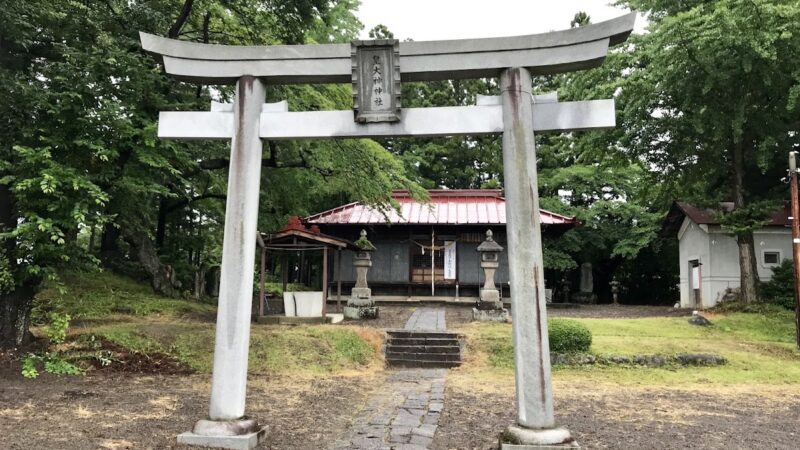
Complete Guide to Fukushima Inari Shrine (Fukushima Prefecture) | History, Blessings, Access, and Amulet Information
Located in Miyacho, the heart of Fukushima City, Fukushima Inari Shrine is the guardian shrine of the former castle town of Fukushima, affectionately known locally as “Oinari-san.” With a history of over 1000 years since its founding in 987 AD, it is known for its blessings of business prosperity and protection from evil. This article provides detailed information you should know before visiting Fukushima Inari Shrine, including its history, blessings, unique amulets, annual festivals and other events, and access methods.
History and Origins of Fukushima Inari Shrine
Founded by Onmyoji Abe no Seimei
The founding of Fukushima Inari Shrine dates back to 987 AD, during the reign of Emperor Ichijo, the 66th emperor. It is said that Abe no Seimei, an Onmyoji (diviner), visited this area, recognized its promising geographical features, and founded the shrine here. As the only shrine in the Tohoku region founded by Abe no Seimei, it is a historically invaluable entity.
In 2026 (Reiwa 8), it will celebrate its 1039th anniversary since its founding, and it can be said to be a center of faith that has walked hand in hand with the development of Fukushima City.
As the Guardian Shrine of the Former Fukushima Castle Town
Fukushima Inari Shrine has served as the guardian shrine of the former Fukushima castle town, with the former Fukushima town as its parish. Located in the central urban area of Fukushima City, it has been a spiritual anchor for the citizens of Fukushima from the Edo period through the Meiji, Taisho, Showa, Heisei, and Reiwa eras.
Affectionately known as “Oinari-san,” it is widely loved by citizens and continues to attract many worshippers, from daily visits to prayers for important life events.
Deities and Benefits
Main Deity: Toyouke-hime no Mikoto
The main deity of Fukushima Inari Shrine is Toyouke-hime no Mikoto. This deity is the goddess of food and grains, enshrined at the Outer Shrine of Ise Grand Shrine, and is widely worshipped as the guardian deity of clothing, food, and shelter.
Toyouke-hime no Mikoto is revered as the goddess who presides over the meals of Amaterasu Omikami, and is worshipped as a deity who brings prosperity to all industries, including agriculture, fishing, and commerce.
Enshrined Deities: Okuninushi no Mikoto and Kotoshironushi no Mikoto
In addition to the main deity, Okuninushi no Mikoto and Kotoshironushi no Mikoto are enshrined as enshrined deities.
Okuninushi no Mikoto is affectionately known as “Okuni-sama” and is the god of matchmaking, family safety, and business prosperity. Kotoshironushi no Mikoto is known as “Ebisu-sama” and is worshipped as the god of business prosperity, maritime safety, and abundant catches.
Through these three deities, Fukushima Inari Shrine attracts a wide range of worshippers as a shrine that brings diverse blessings.
Main Benefits
The main benefits you can receive at Fukushima Inari Shrine are as follows:
- Business Prosperity: Through the divine virtues of Toyouke-hime no Mikoto and Ebisu-sama, you can pray for the prosperity of your business.
- Protection from Misfortune: Prayers for protection from misfortune during unlucky years in life.
- Protection from All Directions: Benefits for protection from misfortune from all directions.
- Family Safety: Prayers for the health and peaceful life of your family.
- Traffic Safety: Prayers for the blessing of your car and safe driving.
- Matchmaking: Prayers for successful matchmaking.
- Childbearing and Safe Childbirth: Benefits for fertility embodied in the peach amulet.
Unique Amulets of Fukushima Inari Shrine
The Nationwide Rare “Horse Racing Victory Amulet”
One of the most distinctive features of Fukushima Inari Shrine is the “Horse Racing Victory Amulet,” which is rare nationwide. Fukushima Prefecture has long been known as a horse-breeding region, and with the Fukushima Racecourse located there, these amulets are popular among horse racing fans and those praying for success in horse betting.
Five types of horse racing victory amulets are available, each with a different design. These amulets are recommended not only for horse racing fans but also for anyone hoping for good luck in any kind of competition.
“Peach Amulet” Featuring Fukushima’s Local Specialty
Fukushima Prefecture is known as a “fruit kingdom,” and is particularly famous for its peach production. Taking advantage of this regional characteristic, Fukushima Inari Shrine offers a “peach amulet” featuring a peach motif.
The peach amulet is imbued with the following blessings:
- Protection from Evil: Peaches have been believed since ancient times to have the power to ward off evil spirits.
- Fertility: Due to the peaches’ prolific nature, it is believed to bring blessings for having children.
- Safe Childbirth: A prayer for a healthy delivery for both mother and child.
- Bountiful Fruit Harvest: A prayer for a bountiful harvest for agricultural workers.
- Beauty: A prayer for women’s beauty and health.
With its cute design, this amulet is especially popular with women.
Other Amulets and Items Available
In addition to the unique amulet mentioned above, Fukushima Inari Shrine offers a variety of amulets to suit different wishes, including amulets for protection from evil, traffic safety, academic success, and health.
Goshuin (shrine stamps) are also available and are popular as a memento of your visit. Reception hours are from 9:00 AM to 5:00 PM.
Annual Events and Grand Festival
Fukushima Inari Shrine Grand Festival
The most important annual event at Fukushima Inari Shrine is the Grand Festival held in autumn. This festival is widely known as an autumn tradition in Fukushima City and attracts many citizens and tourists.
During the festival, numerous stalls line the shrine grounds and surrounding areas, creating a festive atmosphere. Traditional Shinto rituals, such as the portable shrine procession and Kagura (sacred dance) performances, are also held, offering a valuable opportunity to experience Fukushima’s culture.
New Year’s Visit
Located in the heart of Fukushima City, Fukushima Inari Shrine is a very popular spot for New Year’s visits. From New Year’s Day to the third day, the shrine grounds are bustling with many worshippers praying for safety and prosperity in the new year.
In 2026 (Reiwa 8), the shrine will celebrate its 1039th anniversary, making it a particularly meaningful New Year’s visit.
Other Annual Events
Fukushima Inari Shrine holds various festivals and events throughout the year:
- New Year’s Day Festival (January 1st): A festival celebrating the New Year
- Setsubun Festival (February): A ritual to ward off evil spirits through bean-throwing
- Spring Festival: A spring thanksgiving festival
- Summer Purification Ceremony (June 30th): A Shinto ritual to purify oneself of sins and impurities accumulated over the past six months
- Autumn Grand Festival (Autumn): The largest festival of the year
- Shichi-Go-San Festival (November): A visit to celebrate the growth of children
- Year-End Purification Ceremony (December 31st): A Shinto ritual to purify oneself of sins and impurities accumulated over the past year
Visiting the shrine during these events will allow for a deeper religious experience.
Various Prayers and Exorcisms
Types of Prayers Available
At Fukushima Inari Shrine, you can receive various prayers tailored to different milestones and wishes in your life:
- Prayer for Protection from Misfortune: Protection from misfortune during unlucky years
- Prayer for Protection from All Directions: Protection from misfortune related to directions
- Prayer for Business Prosperity: Development and prosperity of your business
- Prayer for Family Safety: Health and peace for your family
- Prayer for Traffic Safety: Blessing of your car and safe driving
- Prayer for Safe Childbirth: Health of mother and child and a safe delivery
- First Shrine Visit: Healthy growth of the baby
- Shichi-Go-San Visit: Celebrating the growth of a child
- Prayer for Success in Exams: Success in exams and tests
- Prayer for Recovery from Illness: Recovery from illness
- Prayer for Good Relationships: To be blessed with good relationships
How to Receive Prayer
To receive prayer, please apply at the shrine office during reception hours (9:00 AM to 5:00 PM). Reservations may be required, so it is recommended to call ahead to confirm, especially for prayers concentrated during specific periods such as Shichi-Go-San (7-5-3) and Hatsumiyamairi (first shrine visit for newborns).
The offering fee varies depending on the type of prayer; please confirm when applying.
Shrine Facilities
Main Hall and Worship Hall
The main hall of Fukushima Inari Shrine is built in the traditional shrine architectural style, creating a solemn atmosphere. In the worship hall, many worshippers pray daily, conveying their wishes to the gods.
Sacred Fox
A statue of a fox, a symbol of Inari shrines, sits on the shrine grounds. This wooden fox, called “Goshinkitsune” (sacred fox), is cherished by many as a messenger of the gods, and worshippers pray to the fox statue as well.
Water Basin
A water basin for purifying the body and mind before worship is also provided. Please purify your hands and mouth according to the proper etiquette before visiting the shrine.
Shrine Office
The shrine office, where you can receive Goshuin (shrine stamps) and amulets, and request various prayers, is open from 9:00 AM to 5:00 PM. A Shinto priest is always present and can answer any questions you may have regarding your visit.
Access and Basic Information
Access by Train
Access on Foot from JR Fukushima Station
Fukushima Inari Shrine is very close to Fukushima Station and within walking distance. It takes approximately 10 minutes on foot from the east exit of JR Fukushima Station. Located in the central urban area of Fukushima City, access from the station is excellent.
The route from the station to the shrine passes through the bustling downtown area of Fukushima City, allowing you to enjoy the cityscape along the way.
Access by Car and Parking
Access by Car
- Approximately 15 minutes from the Tohoku Expressway “Fukushima Nishi IC”
- Approximately 20 minutes from the Tohoku Expressway “Fukushima Iizaka IC”
Parking Information
The shrine has a parking lot for visitors. However, it may be full during busy periods such as New Year’s Day and the annual festival, so please consider using public transportation. There are also coin-operated parking lots nearby.
Basic Information
Fukushima Inari Shrine
- Address: 1-29 Miyacho, Fukushima City, Fukushima Prefecture 960-8106
- Phone: 024-522-2702
- Reception Hours: 9:00 AM – 5:00 PM
- Visiting Hours: Grounds are freely accessible (visits are possible even outside of shrine office hours)
- Official Website: https://www.fukushima-inari.com/
- Parking: Available (Free)
- Nearest Station: JR Fukushima Station (approx. 10-minute walk)
Nearby Tourist Attractions
Highlights of Fukushima City
Fukushima Inari Shrine is located in the heart of Fukushima City, allowing visitors to combine their visit with sightseeing in the surrounding area.
Fukushima Prefectural Government Building
The Fukushima Prefectural Government Building, within walking distance of Fukushima Inari Shrine, offers panoramic views of Fukushima City from its observation deck.
Fukushima Racecourse
At Fukushima Racecourse, the origin of the horse racing good luck charm, you can enjoy exciting horse racing on race days.
Komukomu (Fukushima City Children’s Dream Nurturing Facility)
For families with children, we recommend “Komukomu,” where you can enjoy interactive exhibits and a planetarium.
Hot Springs in Fukushima City
Fukushima City boasts three famous hot springs: Iizaka Onsen, Tsuchiyu Onsen, and Takayu Onsen. After visiting Fukushima Inari Shrine, we recommend relaxing in one of these hot springs.
Manners and Etiquette for Visiting a Shrine
Basic Etiquette for Visiting a Shrine
Here’s a guide to the basic etiquette for visiting Fukushima Inari Shrine:
- Bow before passing through the torii gate: Before entering the sacred area, bow slightly in front of the torii gate.
- Walk along the edge of the path: The center of the path is considered the path of the gods.
- Purify yourself at the water basin: Purify your left hand, then your right hand, then your mouth.
- Worship at the main hall: Worship using the two bows, two claps, and one bow ritual.
- Bow upon leaving: When leaving, turn around and bow after passing through the torii gate.
Attire
For a normal visit, no special attire is required, but please dress neatly. However, if you are receiving formal prayers such as exorcism or Shichi-Go-San (a traditional Japanese rite of passage for children), formal attire is preferable.
The Charm of Fukushima Inari Shrine
A Peaceful Space in the Heart of the City
Located in the heart of Fukushima City, stepping onto the shrine grounds reveals a tranquil space that makes you forget the hustle and bustle of the city. Despite its location surrounded by buildings, it possesses a calm and comfortable atmosphere that welcomes visitors.
Unique Amulets Rooted in the Community
The unique amulets, such as those for horse racing victories and peaches, which reflect the local characteristics of Fukushima, are a charm unique to Fukushima Inari Shrine and cannot be found at other shrines. These amulets represent a modern form of faith, blending local culture and industry with shrine beliefs.
Over 1000 Years of History and Tradition
The shrine’s history, including its founding by the historically famous Abe no Seimei and its over 1000-year history of watching over Fukushima, is a major attraction. You can feel the weight of faith that has been passed down through the ages.
Beloved “Oinari-san” by the Citizens
Fukushima Inari Shrine, affectionately known as “Oinari-san” by locals, is deeply rooted in the lives of the citizens. From daily visits to prayers for life’s milestones, it continues to be cherished by many across generations.
Summary
Fukushima Inari Shrine, the only shrine in Tohoku founded by Abe no Seimei, boasts a history of over 1000 years since 987 and serves as the guardian shrine of Fukushima City. Its main deity is Toyouke-hime no Mikoto, the goddess of the Outer Shrine of Ise Grand Shrine, and it is known for its diverse blessings, including business prosperity, protection from evil, and protection from all directions.
Its unique, locally-rooted amulets, such as the nationally rare horse racing victory amulet and the peach amulet featuring Fukushima’s specialty peach, are very popular. The shrine is bustling with many visitors during its autumn festival and New Year’s visits, and is cherished as a spiritual haven for the citizens of Fukushima.
Located just a 10-minute walk from JR Fukushima Station, this shrine boasts a tranquil atmosphere despite its central location in Fukushima City. It offers a peaceful space to escape the hustle and bustle of everyday life and offer heartfelt prayers.
When visiting Fukushima, why not pay your respects at Fukushima Inari Shrine, affectionately known as “Oinari-san,” and pray for the fulfillment of your wishes in this sacred place steeped in over 1000 years of history?