Complete Guide to Oarai Shrine (Tanaka, Okidaka, Fukushima City, Fukushima Prefecture) | Thorough Explanation of Deities, Blessings, Access, and History
Oarai Shrine, located in Tanaka, Okidaka, Fukushima City, Fukushima Prefecture, is a historical shrine deeply rooted in the local community. This article provides a detailed explanation of everything you need to know before visiting, from the deities enshrined at Oarai Shrine, its blessings, access methods, historical background, and highlights within the shrine grounds.
Basic Information about Oarai Shrine
Oarai Shrine is located in the Okidaka district of Fukushima City and is a shrine beloved by local residents. Situated in a quiet residential area, it has long been revered as a guardian deity of the community.
Location and Contact Information
- Location: Tanaka, Okitaka, Fukushima City, Fukushima Prefecture
- Postal Code: 960-8165
- Jurisdiction: As a shrine within Fukushima City, it has close ties with the local community.
Shrine Rank and History
Ooara Shrine has long been deeply connected to the lives of the people of the Okitaka area as the local tutelary deity. The name “Aragami” is thought to originate from Sanbo Aragami, known as the god of fire and the hearth.
About the Enshrined Deity
Background of Aragami Worship
The “Aragami” of Ooara Shrine is a deity that holds an important position in Japanese folk beliefs. In particular, it is believed to possess the following characteristics:
- God of Fire/Hearth God: Protects the household fire and guards the kitchen.
- God of Agriculture: Brings abundant harvests.
- Guardian Deity of the Region: Protects the village and the entire region from disaster.
Connection with Sanbo Kojin
Kojin worship has also been influenced by Buddhism, and in particular, as “Sanbo Kojin”:
- A god who protects the Three Jewels (Buddha, Dharma, and Sangha)
- A god who dislikes impurity and loves purity
- A god of household safety and protection from fire
It has been worshipped as such.
Divine Blessings and Virtues
The following blessings are believed to be offered at Oarai Shrine:
Main Blessings
- Protection from Fire: As the god of fire, it protects homes from fire.
- Family Safety: Protects the health and safety of all family members.
- Abundant Harvest: Ensures abundant harvests.
- Protection from Misfortune: Protects against various calamities.
- Business Prosperity: Especially for businesses that handle fire, such as the food and beverage industry.
Modern Religion
Even today, visitors come to the shrine in various situations, such as expressing gratitude to the god of fire when building a new house, praying when opening a restaurant, and praying for family safety at the beginning of the year.
Access Methods
Access by Train
Access from JR Fukushima Station:
- Get off at Fukushima Station on the JR Tohoku Main Line or Tohoku Shinkansen.
- Approximately 30 minutes on foot from the East Exit of Fukushima Station, or approximately 10 minutes by car.
- By taxi, approximately 10 minutes, fare around 1,500 yen.
Access by Bus
Using Fukushima Kotsu Bus:
- Take a local bus from the Fukushima Station East Exit Bus Terminal.
- Take a bus bound for Okiko.
- A few minutes’ walk from the nearest bus stop.
*Please check the latest bus schedule on the Fukushima Kotsu official website.
Access by Car
From the Tohoku Expressway:
- Approximately 15 minutes from the Tohoku Expressway “Fukushima Nishi IC”
- Approximately 20 minutes from the “Fukushima Iizaka IC”
- Access via National Route 13 and prefectural roads
Car Navigation Settings:
- Address Search: Tanaka, Okitaka, Fukushima City, Fukushima Prefecture
- Referencing nearby landmarks is recommended.
Parking Information
As this is a small local shrine, dedicated parking for visitors may be limited. When visiting:
- Please be considerate of nearby residents.
- Avoid street parking.
- Temporary parking may be available during festivals.
Highlights of the Shrine Grounds
Shrine Building
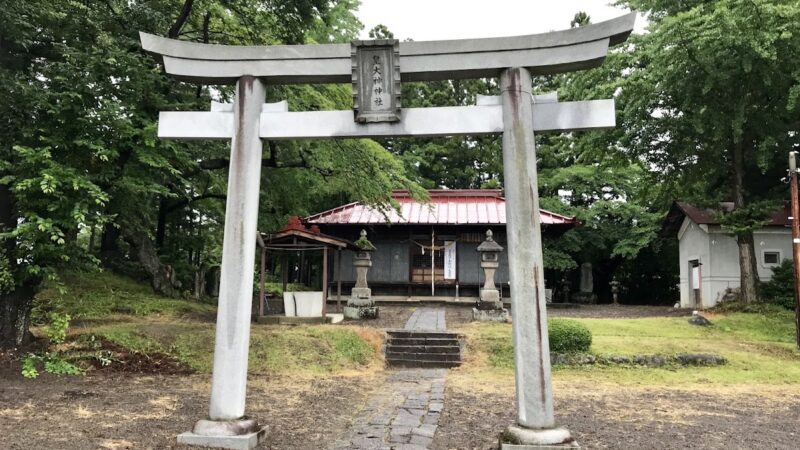
The shrine building of Oaraijin Shrine has a simple and warm design, typical of a local shrine. It is regularly maintained by local residents and kept clean.
Atmosphere of the Shrine Grounds
- Tranquil Environment: Despite being located in a residential area, the shrine grounds have a quiet and peaceful atmosphere.
- Community Gathering Place: A popular walking route for local residents.
- Seasonal Changes: The trees on the grounds display different expressions throughout the seasons.
Shimenawa and Torii Gate
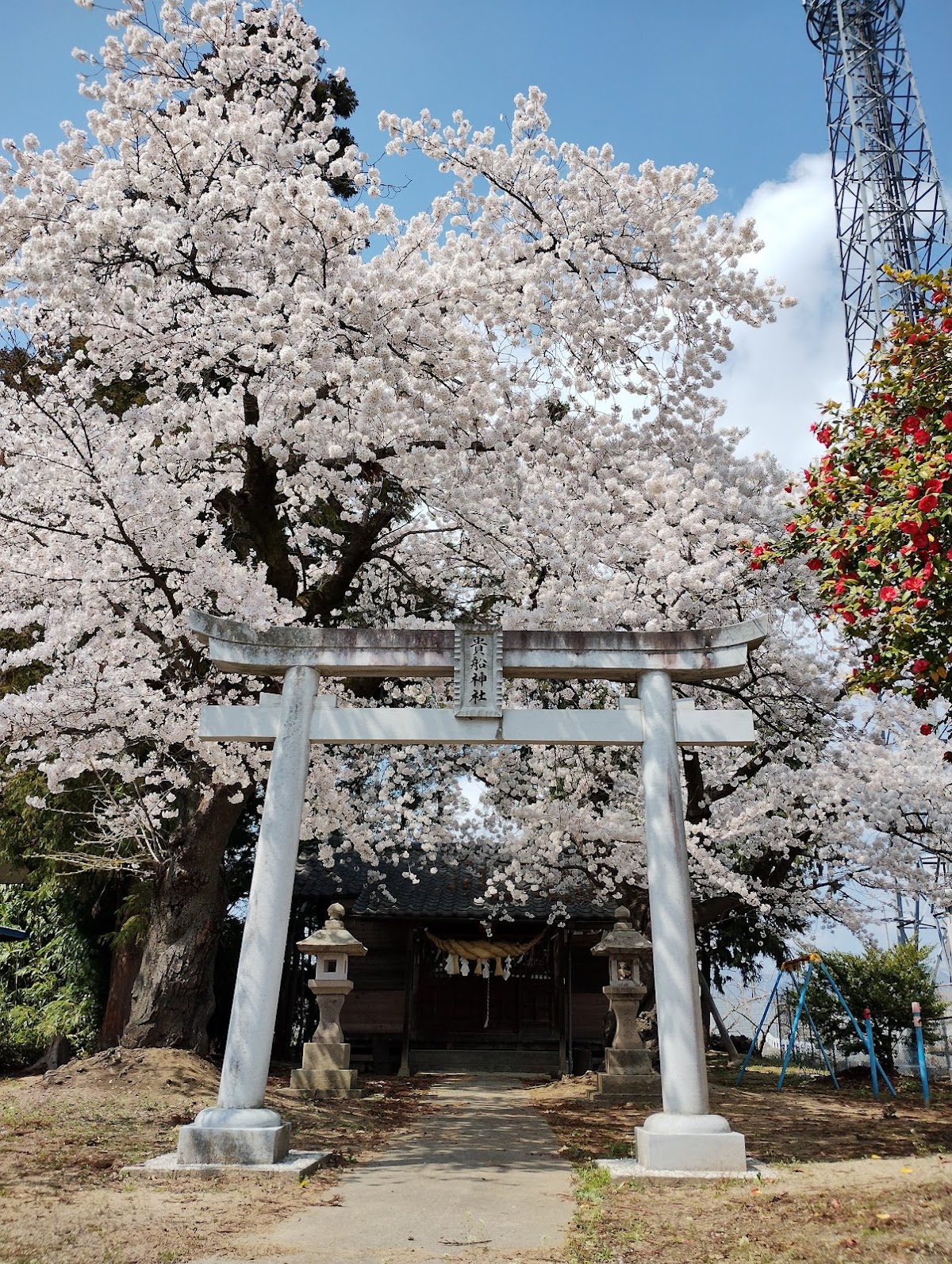
A torii gate stands at the entrance to the shrine, and a shimenawa (sacred rope), emphasizing purity and characteristic of the Kojin faith, is displayed.
Annual Events and Festivals
Annual Grand Festival
As a local shrine, an annual grand festival is held. Local residents gather to pray for the maintenance of the shrine and the safety of the community.
New Year’s Visit
At the start of the new year, local residents visit the shrine for their first visit of the year, praying for family safety and good health throughout the year.
Monthly Festival
Regular monthly festivals are held to pray for the safety and development of the community.
History of Oaraijin Shrine
Background of Founding
The exact founding date of Oaraijin Shrine is unknown, but it is believed to have been established as a guardian deity of the region along with the development of the Okitaka area.
Spread of Aragami Worship
Aragami worship spread throughout Japan, particularly in:
- Agricultural Areas: A belief held by farmers praying for abundant harvests.
- Guardian Deity of Settlements: A role in strengthening the bonds of village communities.
- Fire Management: A culture that sanctifies fire, which is essential for life.
Changes Since the Modern Era
Even after the Meiji-era separation of Shinto and Buddhism, the faith of the local people has continued uninterrupted and has been passed down to the present day.
About the Okitaka District of Fukushima City
Characteristics of the Area
The Okitaka district is a residential area that has developed within Fukushima City:
- Living Environment: A quiet residential area
- Transportation: Relatively good access to Fukushima Station
- Convenience of Living: Commercial facilities and schools are scattered throughout the surrounding area
Local Community and Shrine
The Ooara Shrine serves as a central hub for the local community:
- A base for local events
- A place for residents to interact
- A symbol of local identity
It plays these roles.
Etiquette and Manners for Visiting a Shrine
Basic Etiquette for Visiting a Shrine
- Bow at the Torii Gate: Bow before passing through the torii gate.
- Ritual for Washing Hands: If there is a washbasin, wash your hands and mouth.
- Walking on the Path: The center of the path is the path of the gods; walk along the sides.
- Etiquette at the Main Hall: Two bows, two claps, and one bow is the basic ritual.
Special Considerations for the Deity of the Shrine
The deity of the shrine is considered to particularly favor purity:
- Clean Attire: Wear clean clothing when visiting the shrine.
- Purification of Mind and Body: Visit the shrine with a calm mind.
- Avoiding Impurity: Traditionally, it is customary to refrain from visiting during mourning.
Photography Manners
- Refrain from taking photographs inside the shrine building.
- Be considerate of other visitors.
- Pay attention to location information when posting on social media.
Nearby Attractions and Tourist Spots
Major Tourist Attractions in Fukushima City
Fukushima City Tourist Spots to Visit in Combination with a Visit to Oarai Shrine:
- Fukushima Inari Shrine: The main guardian shrine of Fukushima City
- Gokoku Shrine: The prefectural Gokoku Shrine located on Mt. Shinobu
- Hanamiyama Park: Beautiful flowers bloom in spring
- Fukushima Racecourse: Bustling with people on race days
- Azuma General Sports Park: Enjoy sports facilities and nature
Iizaka Onsen
Iizaka Onsen, a representative hot spring resort in Fukushima City, is also about a 20-minute drive away. A hot spring tour after your visit is highly recommended.
Fukushima’s Food Culture
Gourmet Food to Try When Visiting Fukushima City:
- Disc-Shaped Dumplings: Fukushima’s famous dumplings
- Ramen: The unique flavor of Fukushima ramen
- Fruits: Peaches, apples, pears, etc. from Fukushima Prefecture
Fun Facts About Visiting Oaraijin Shrine
Regional Characteristics of Kojin Worship
Kojin worship is particularly prevalent in western Japan, but it is also found in the Tohoku region:
- Prayers for abundant harvests in agricultural areas
- Worship as a god of fire
- Role as a guardian deity of the region
These aspects are still passed down.
Meaning of “Oaraijin”
The “Oaraijin” in “Oaraijin Shrine” may represent:
- Importance in the region
- Widespread protection
- Great divine power
Relationship with Local Residents
As a local shrine:
- Maintenance and management by parishioners
- Transmission of faith across generations
- Center of local events
It is still carefully preserved today. ## Points to Note When Visiting
Visiting Hours
- Visiting during the daytime is generally recommended.
- Avoid visiting at night.
- Special hours may be set during festivals.
Considerations Regarding Weather
- Watch your step in rainy weather.
- Snow and ice may be present in winter.
- Take precautions against heatstroke in summer.
Considerations Regarding Local Residents
- Be mindful of noise as it is located in a residential area.
- Entering private property is strictly prohibited.
- Always take your trash with you.
Visiting Shrines in Fukushima City
Major Shrines in Fukushima City
Shrines in Fukushima City to visit along with Oarai Shrine:
- Fukushima Inari Shrine: The main guardian shrine of the city center.
- Haguro Shrine: Located on Mt. Shinobu.
- Hachiman Shrine: Scattered throughout various districts.
- Suwa Shrine: The guardian deity of the region.
Shrine Stamp Pilgrimage
For those visiting shrines:
- Check in advance whether shrine stamps are available.
- Smaller shrines may not have a resident priest.
- If the chief priest also serves other duties, check their contact information.
Seasonal Highlights
Spring (March-May)
- A beautiful season of fresh greenery.
- The surrounding area becomes vibrant during cherry blossom season.
- Spring festivals may be held.
Summer (June-August)
- Lush green grounds.
- Season for summer festivals and annual festivals.
- Early morning visits are recommended for their cooler temperatures.
Autumn (September-November)
- A time of beautiful autumn foliage.
- Harvest thanksgiving festivals.
- Pleasant weather, ideal for visiting shrines.
Winter (December-February)
- A tranquil atmosphere of snowy landscapes.
- The bustling atmosphere of New Year’s visits.
- Take thorough precautions against the cold.
Significance of Visiting Oarai Shrine
Understanding Local Culture
Visiting Oaraijin Shrine offers:
- An opportunity to learn about local history
- Learning about the diversity of folk beliefs
- Understanding the nature of local communities
Spiritual Significance
In modern society:
- A quiet time away from daily life
- An opportunity for self-reflection
- A place to cultivate a sense of gratitude
Shrine visits hold great significance.
Contribution to Cultural Heritage Preservation
Visiting small local shrines is an important action that leads to:
- Raising awareness of the preservation of local cultural properties
- Indirect contribution to shrine maintenance
- Passing on culture to future generations
Summary
Oaraijin Shrine, located in Tanaka, Okitaka, Fukushima City, Fukushima Prefecture, is a historical shrine deeply rooted in the community. It preserves a form of Japanese folk belief called Kojin worship, and is believed to offer blessings such as household safety, protection from fire, and abundant harvests as the god of fire and hearth.
This small shrine, nestled in a quiet residential area, is carefully preserved through the faith and maintenance of local residents. When visiting Fukushima City, why not stop by Ooara Shrine and experience the local history and culture?
When praying, please remember to be considerate of the local residents and offer your prayers quietly and sincerely. We pray that the protection of Ooara Shrine will ensure the safety and happiness of your family.