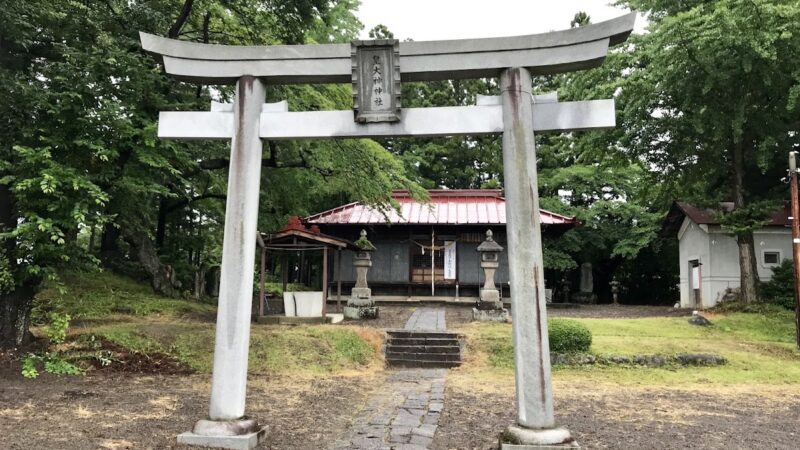
Shirawase Shrine (Fukushima Prefecture) Complete Guide: History, Benefits, and Access Information
Shirawase Shrine, located in Fukushima Prefecture, is a venerable shrine that preserves the history and culture of the region. This article provides a detailed overview of Shirawase Shrine, including its historical background, enshrined deities and benefits, highlights of the grounds, annual events, and access information useful for visitors.
Basic Information on Shirawase Shrine
Shirawase Shrine is located in Fukushima Prefecture and has a long history as a center of local faith. The name “Shirawase” is thought to be based on the region’s topography and historical origins, indicating that people have lived in this area and cultivated their faith since ancient times.
Location and Basic Data
The shrine is located in the Shirawase district of Fukushima Prefecture, surrounded by a rich natural environment. It has been carefully preserved to this day as the guardian shrine of the local residents and a place of worship visited by worshippers from afar.
History and Origins of Shirawase Shrine
History of Founding
Regarding the founding date of Shirawase Shrine, detailed records exist in some cases, while other accounts are passed down orally within the community. Like many local shrines, it is highly likely that it was considered sacred as a place of nature worship and ancestor worship from ancient times, when people began to settle in this area.
From the medieval to the early modern period, under the protection of local influential figures and feudal lords, the shrine buildings were improved and the systematization of festivals progressed. During the Edo period, various documents and records suggest that it played a role as the guardian shrine of the village and a spiritual pillar of the local community.
Changes After the Meiji Era
With the reform of the shrine system during the Meiji era, Shirawase Shrine was also positioned within the modern shrine system. During this period, its rank was established, and its official status as a shrine was confirmed. Even after the implementation of the Religious Corporations Law after the war, it has been carefully maintained by parishioners and devotees as a center of local faith.
Changes After the Meiji Era
With the reform of the shrine system during the Meiji era, Shirawase Shrine was also positioned within the modern shrine system. During this period, its shrine rank was determined, and its official status as a shrine was established. In recent years, even amidst changes in local communities such as depopulation and aging, the shrine plays a vital role in preserving traditional festivals and maintaining community bonds.
Deities and Benefits
About the Main Deity
The deities enshrined at Shirawase Shrine may vary depending on the local history and belief system, but like many local shrines, they generally enshrine deities who protect the region or guardians of agriculture and industry.
The following are some of the representative deities enshrined here:
- Ōyamatsumi-no-kami: Widely worshipped as the god of mountains and agriculture.
- Susanoo-no-Mikoto: God of protection against misfortune and disease.
- Sarutahiko-no-kami: God of guidance and opening paths.
- Local Guardian Deity: God who protects the land.
Expected Benefits
The following are some of the benefits you can expect from visiting Shirawase Shrine:
Abundant Harvest and Business Prosperity
As a shrine located in an agricultural area, it is believed to offer blessings for a bountiful harvest and business prosperity. It has been worshipped since ancient times as a place to pray for the development of local industries.
Family Safety and Good Health
As a deity that protects the health and safety of families, it is an object of daily worship for the local people.
Protection from Misfortune and Disaster
Many people visit the shrine to pray for protection from disasters and calamities, especially during unlucky years.
Traffic Safety
In modern times, the shrine is also revered as a place to pray for traffic safety, and car blessings are sometimes performed.
Highlights of the Shrine Grounds
Characteristics of the Shrine Architecture
The shrine buildings of Shirawase Shrine preserve the traditional shrine architecture of the region. It has a basic structure including a main hall, worship hall, and torii gate, harmonizing the beauty of wooden architecture with a sacred atmosphere.
The architectural style and decorations of the shrine buildings reflect the characteristics of the era in which they were built, and the details such as carvings and coloring are worth paying attention to. Regular restoration and maintenance preserve its traditional appearance.
Natural Environment of the Shrine Grounds
The shrine grounds are lush with trees, including sacred trees, allowing visitors to enjoy the beauty of nature throughout the seasons. In particular:
- Spring: Cherry blossoms and fresh greenery adorn the shrine grounds.
- Summer: A tranquil atmosphere enveloped in deep green.
- Autumn: Autumn leaves beautifully color the approach to the shrine.
- Winter: A solemn presence amidst a snowy landscape.
Stone Monuments and Memorials
Within the shrine grounds, there are sometimes stone monuments and memorials that record the history of the shrine and local events. These are valuable resources for understanding the history of the shrine and the region.
Annual Events and Festivals
Major Festivals
Shirawase Shrine holds various festivals and events throughout the year. Major events include:
Annual Grand Festival (Autumn Festival)
This is the most important festival, held every autumn. A portable shrine procession and offering ceremonies take place, and the entire community is enveloped in a festive atmosphere. It is an important event to express gratitude for a bountiful harvest and to pray for a good harvest in the coming year.
Spring Festival
A festival marking the arrival of spring and the start of agricultural work is held. The main focus is on Shinto rituals praying for a bountiful harvest.
New Year’s Day Festival
A Shinto ritual praying for peace and prosperity throughout the year as we welcome the new year. It is bustling with worshippers making their first shrine visit of the year.
Daily Festivals
Regular Shinto rituals, such as monthly festivals and various prayer ceremonies, are also held. Prayers for individuals and families, exorcisms, Shichi-Go-San (children’s festival), safe childbirth, and other prayers for life’s milestones are also accepted.
Etiquette and Manners for Visiting a Shrine
Basic Etiquette for Visiting a Shrine
When visiting Shirawase Shrine, please observe the following basic etiquette:
- Bow before passing through the torii gate: This shows respect for entering the sacred area.
- Walk along the edge of the path: The center is considered the path of the gods.
- Purify yourself at the water basin:
- Hold the ladle in your right hand and purify your left hand.
- Switch to your left hand and purify your right hand.
- Switch back to your right hand, receive water in your left hand, and rinse your mouth.
- Finally, stand the ladle upright to purify the handle.
- Pray in front of the main hall:
- Quietly place your offering in the offering box.
- Ring the bell if there is one.
- Bow twice, clap twice, and bow once.
- Bow again at the torii gate when leaving.
Clothing and Items to Bring When Visiting a Shrine
For everyday visits, clean and modest clothing is acceptable. However, if you are planning a formal visit or prayer, please note the following:
- Avoid revealing clothing
- Shoes are preferable to sandals
- Remove your hat before passing through the torii gate
- Photography is only permitted in designated areas
Access Information
Access by Public Transportation
The most common way to access Shirawase Shrine in Fukushima Prefecture is by bus or taxi from the nearest station. Specific access methods are as follows:
By Train
Take a local bus or taxi from the nearest JR station. Since bus services may be limited, it is recommended to check the timetable in advance.
By Bus
Local community buses and regular bus services may operate. The “Shirawase” bus stop is often the closest.
Access by Car
Access via Expressway
Access via local roads from the nearest interchange. Entering the shrine name or address into your car navigation system is convenient.
Parking Information
Parking spaces for visitors are generally available within or near the shrine grounds. However, congestion is expected during festivals, so early arrival is recommended.
Best Time and Season for Visiting
Visiting Hours
Entry to the shrine grounds is generally possible during the daytime, but the shrine office’s operating hours may be limited. If you wish to obtain a Goshuin (shrine stamp) or amulet, it is recommended to check in advance.
Recommended Time of Visit
- Spring (April-May): A beautiful season of fresh greenery and flowers
- Autumn (October-November): The season of autumn leaves and the annual festival
- First Three Days of the New Year: The traditional time for Hatsumode (first shrine visit of the year)
Nearby Tourist Attractions
When visiting Shirawase Shrine, combining your visit with a tour of nearby tourist attractions will make your trip even more fulfilling.
Natural Scenery
Fukushima Prefecture is blessed with abundant nature. There are many spots around the shrine where you can enjoy the changing seasons. There are many attractive places for nature lovers, such as hiking trails, observation decks, and valleys.
Historical and Cultural Facilities
Local history museums where you can learn about the region’s history, and facilities selling traditional crafts, are often located nearby. Deepening your understanding of the local culture and history will make your visit to the shrine more meaningful.
Hot Spring Facilities
Fukushima Prefecture is also known for its hot springs. Relaxing in a hot spring after your visit is highly recommended. Many facilities offer day-trip bathing.
Goshuin (Shrine Seals) and Amulets
About Goshuin (Shrine Seals)
Shirawase Shrine may offer goshuin as a memento of your visit. Goshuin are not merely commemorative stamps, but are cherished as proof of your connection with the shrine.
Manners for Receiving a Goshuin (Shrine Stamp):
- Receive your Goshuin after completing your prayers.
- Prepare a Goshuincho (stamp book) (avoid using notebooks or plain paper).
- Prepare the offering fee (usually around 300-500 yen).
- Check the shrine office’s operating hours.
- Maintain polite language and demeanor.
Amulets and Souvenirs
Shrines offer a variety of amulets and souvenirs:
- Traffic Safety Amulet: Prayers for safety in cars and bicycles.
- Academic Success Amulet: Prayers for success in exams and academic achievement.
- Health Amulet: Prayers for health and longevity.
- Exorcism Amulet: Prayers for protection against misfortune during unlucky years.
- Matchmaking Amulet: Prayers for good relationships.
It is recommended to return amulets to the shrine after about a year and receive new ones.
Connection with the Community
The Parishioner Organization and Shrine Maintenance
Shirawase Shrine is supported by the local parishioner organization. Parishioners are local residents who worship the shrine’s guardian deity and cooperate in its maintenance and operation.
The parishioner organization engages in the following activities:
- Cleaning and maintenance of the shrine grounds
- Planning and implementation of festivals and events
- Cooperation in the repair and maintenance of the shrine
- Preservation of traditional events
Connection with Local Events
As the center of the local community, the shrine is deeply connected to various local events. Festivals are valuable opportunities for local people to gather and serve as a place for intergenerational exchange.
For children, festivals and events at the shrine are important opportunities to learn about local traditional culture and cultivate affection for the community.
The Charm of Shirawase Shrine
Tranquil Atmosphere
One of the greatest charms of Shirawase Shrine is its tranquil and peaceful atmosphere. A space where one can escape the hustle and bustle of everyday life and quietly pray is a precious thing in modern society.
A Faith Rooted in the Community
Unlike large-scale tourist shrines, Shirawase Shrine is characterized by its function as a place of daily worship for local people. It possesses a warm atmosphere that can only be felt because it is a shrine deeply connected to the history and culture of the region.
Seasonal Scenery
The natural environment of the shrine grounds changes with the seasons, showing a different face each time you visit. By visiting in each season, you can feel the harmony between the changing seasons and the shrine.
Points to Note When Visiting
Consideration of Weather
The climate in Fukushima Prefecture changes greatly depending on the season. Especially in winter, there is a possibility of snow and ice, so please prepare appropriate clothing and shoes.
Consideration of Privacy
As it is a local shrine, many local people may gather during festivals and other events. When taking photographs, please be considerate of their privacy and obtain permission.
Cooperation for Environmental Conservation
The shrine grounds are a sacred place and also a precious natural environment. Please be sure to take your trash with you and be careful not to harm the plants or animals.
Summary
Shirawase Shrine is a shrine that has been carefully preserved as the center of faith for the local people, amidst the rich nature and history of Fukushima Prefecture. Unlike large-scale tourist destinations, it is a precious place where you can offer heartfelt prayers in a quiet and peaceful atmosphere.
Shirawase Shrine has many attractions, including faith in its historically significant deities, beautiful grounds that change with the seasons, and locally rooted festivals. When visiting Fukushima Prefecture, please be sure to visit.
When visiting, it is important to observe basic etiquette and manners, and to show respect to the shrine and the local people. By doing so, you will gain a deeper sense of spiritual fulfillment.
We hope that your visit to Shirawase Shrine will be a time of peace and bring new vitality to your daily life.