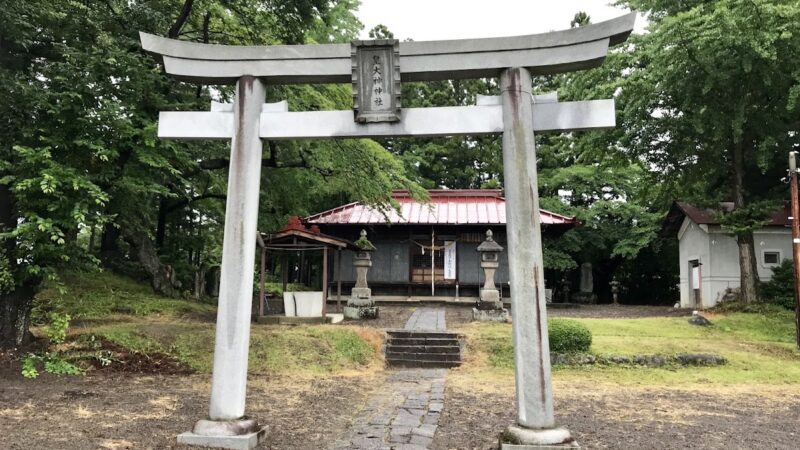
Complete Guide to Fukushima Inari Shrine | 1000 Years of History, Benefits, and Access Information Founded by Abe no Seimei
Located in the heart of Fukushima City, Fukushima Prefecture, Fukushima Inari Shrine is a historic shrine affectionately known as “Oinari-san” by locals. It is said to have been founded by Abe no Seimei, a renowned Onmyoji (diviner) of the Heian period, and has watched over the Fukushima area for over 1000 years. This article comprehensively introduces information you should know before visiting Fukushima Inari Shrine, including its history, enshrined deities, benefits, annual events, and access methods.
History and Origins of Fukushima Inari Shrine
Founding Legend by Abe no Seimei
The founding of Fukushima Inari Shrine dates back to the first year of Eien (987 AD) during the reign of Emperor Ichijo, the 66th emperor. It is said that Abe no Seimei, a leading Onmyoji of the Heian period, visited this area, recognized its promising geographical features, and enshrined an Inari shrine here.
Abe no Seimei is known as a figure well-versed in astronomy and divination, and this place, chosen by his keen insight, became a sacred site that watched over the development of Fukushima for over 1000 years. Even now, in the Reiwa era, it marks 1038 years since its founding and continues to attract unwavering faith as a spiritual anchor for the citizens of Fukushima.
As the Guardian Shrine of the Former Fukushima Castle Town
Fukushima Inari Shrine is an important shrine serving as the guardian shrine of the former Fukushima castle town, encompassing the former Fukushima town. During the Edo period, it was a central place of worship in the area that flourished as a castle town of Fukushima Castle, attracting the fervent devotion of merchants and townspeople.
In the Meiji era, it was ranked as a prefectural shrine, officially recognizing its high status in the region. Even today, located in the central urban area of Fukushima City, it remains closely intertwined with the lives of its citizens, attracting a wide range of faith, from daily visits to prayers for important life events.
Architectural Beauty of the Current Shrine
The current shrine building was completed in 1938 (Showa 13) and designed by architect Shintaro Oe. Shintaro Oe was a renowned architect who designed the Meiji Jingu Treasure Hall and the main hall of Kanda Shrine, and also worked on the repairs of Nikko Toshogu Shrine. His exceptional skill and aesthetic sense are reflected in the building of Fukushima Inari Shrine.
While adhering to the traditional style of shrine architecture, the building incorporates modern architectural techniques, resulting in a structure that possesses both a sense of grandeur and high dignity. Furthermore, the ema-den (votive tablet hall), considered the oldest building in Fukushima City, remains on the grounds and is carefully preserved as a historically valuable structure.
Deities and Blessings
Main Deity: Toyouke-hime no Mikoto
The main deity of Fukushima Inari Shrine is Toyouke-hime no Mikoto. Toyouke-hime no Mikoto is known as the goddess of abundant harvests and food, and is an important deity in Japanese mythology, enshrined at the Outer Shrine of Ise Grand Shrine.
While Ukanomitama no Kami is often the main deity at Fushimi Inari Taisha in Kyoto, the head shrine of Inari shrines, Fukushima Inari Shrine places Toyouke-hime no Mikoto at the center, expressing gratitude and prayer for the blessings of agriculture and food.
Diverse Benefits
Fukushima Inari Shrine is said to offer a variety of benefits, including:
Business Prosperity
As a representative benefit of Inari worship, many business owners and shopkeepers visit to pray for business prosperity and success. Located in the commercial center of Fukushima City, it also enjoys strong devotion from local businesses.
Protection from Misfortune and Protection from All Directions
The shrine is also known for its protection from misfortune at life’s turning points and protection from disasters from all directions. Those facing their unlucky years or starting new businesses often visit to pray. Abundant Harvest and Food Safety
Thanks to the divine virtues of Toyouke-hime no Mikoto, the principal deity, prayers for agricultural prosperity and food safety are also accepted. Fukushima is a region where fruit cultivation, such as peaches and apples, is thriving, and many people involved in agriculture visit the shrine.
Family Safety and Good Fortune
General prayers for the health and happiness of family members and improved luck are also widely accepted. Many families visit for life’s milestones such as a baby’s first shrine visit and Shichi-Go-San (a traditional rite of passage for children).
Highlights of the Shrine Grounds
Sacred Foxes (Goshinko)
A distinctive feature of Fukushima Inari Shrine is the wooden fox statues called “Goshinko.” In Inari worship, foxes are considered messengers of the gods and are cherished as guardians of worshippers. The fox statues placed throughout the shrine grounds each have different expressions and postures, making them one of the pleasures of visiting the shrine. ### Ashio Shrine
Ashio Shrine, enshrined within the grounds of the main shrine, is believed to grant blessings for foot ailments and safe travel. A distinctive feature is the “Osasuri-ishi” (rubbing stones) scattered around the shrine; it is said that touching the affected area with these stones will cure foot ailments.
In today’s aging society, the number of worshippers praying for healthy legs and feet is increasing, and faith in Ashio Shrine is growing. People also visit to pray for safe travels and for injury prevention for athletes.
Chikaraishi (Strength Stone)
Within the shrine grounds, there is also a stone called the “Chikaraishi” (Strength Stone). This stone, once used for strength contests and divination, is a valuable cultural asset that conveys the popular culture of the Edo period. It holds historical value as a remnant of the custom where young people tested their strength or used the stone to predict good or bad fortune.
Ema-den (Votive Tablet Hall)
The Ema-den, said to be the oldest building in Fukushima City, holds significant historical value. Inside, numerous votive tablets donated by worshippers hang, offering a glimpse into the wishes and prayers of people throughout different eras. Paying attention to the architectural style and decorative details reveals the high level of craftsmanship from the Edo period.
Unique Amulets and Talismans
Horse Racing Victory Amulet
One of the most famous amulets at Fukushima Inari Shrine is the “Horse Racing Victory Amulet.” Because Fukushima City is home to the Fukushima Racecourse and has a deeply rooted horse racing culture, this amulet, rare nationwide, is offered here.
It’s popular not only with horse racing fans but also with anyone seeking good fortune in any endeavor, and is sought after for success in exams, job hunting, and business. As a creative amulet that utilizes the region’s unique characteristics, it’s a product unique to Fukushima Inari Shrine.
Peach Amulet
Fukushima is known as one of Japan’s leading peach-producing regions. The “Peach Amulet” is offered here, reflecting this regional characteristic. Peaches have long been believed to ward off evil spirits and are also symbols of feminine beauty and fertility. The peach amulet is believed to bring blessings for women’s beauty and health, successful relationships, and fertility, and is particularly popular among female worshippers. Its cute pink design is also appealing, making it a popular souvenir.
Other Items Offered
A variety of common items are available, such as amulets for business prosperity, protection from evil, and family safety. Seasonal limited-edition amulets and commemorative items given only during special events like the annual festival are also sometimes available.
Annual Events and Festivals
New Year’s Visit
The New Year’s visit to Fukushima Inari Shrine is one of the most popular events in Fukushima City. From New Year’s Eve to New Year’s Day, and throughout the first three days of the year, many citizens visit to offer prayers for the new year.
During the New Year’s visit period, prayers are offered to purify the mind and body and to prepare for the start of the new year. The shrine grounds are lined with stalls, creating a festive New Year’s atmosphere. For those who wish to avoid crowds, visiting during the Matsunouchi period (after the first three days of the New Year) is recommended.
Annual Grand Festival
The annual grand festival, held in autumn, is the most magnificent of Fukushima Inari Shrine’s annual events. Traditional Shinto rituals, such as the portable shrine procession and the dedication of Kagura (sacred dance), are performed, and numerous stalls line the shrine grounds and approach, creating a lively atmosphere.
Performances by local children and demonstrations of traditional performing arts are also held, making it an important opportunity to deepen the bonds of the local community. During the annual grand festival, the usually quiet shrine grounds become vibrant, and it is a beloved autumn tradition in Fukushima.
Other Annual Events
Traditional Japanese shrine events, such as the Setsubun Festival, Spring Grand Festival, Summer Purification Ceremony, Autumn Grand Festival, and Year-End Purification Ceremony, are held throughout the year. Each event has its own unique significance, providing an opportunity to offer gratitude and prayers to the gods at each seasonal turning point.
For detailed event schedules and times, please check the official website of Fukushima Inari Shrine or contact the shrine office.
Access and Basic Information
Location
Address: 1-29 Miyacho, Fukushima City, Fukushima Prefecture
*Note: The title “Hokida Inarizuka” is a different place name within Fukushima City; the location of Fukushima Inari Shrine is “Miyacho.” While there may be smaller Inari shrines around Hokida Inarizuka, the historical Fukushima Inari Shrine introduced in this article is located in Miyacho.
Access by Train
It is approximately a 15-minute walk from JR Fukushima Station (served by the Tohoku Shinkansen, Tohoku Main Line, and Ou Main Line). The most common route is to exit the east exit of Fukushima Station and head towards the central urban area of Fukushima City.
While it’s a bit of a distance from the station, walking through the center of Fukushima City allows you to experience the local atmosphere. Along the way, you’ll find many shopping streets and restaurants, allowing you to enjoy Fukushima’s local cuisine in addition to your visit to the shrine.
Access by Bus
If you’re using the bus from JR Fukushima Station, you can use various Fukushima Kotsu bus routes. It’s convenient to get off at “Inari Shrine Mae” or a nearby bus stop. The bus ride takes approximately 5-10 minutes, and buses run relatively frequently.
For detailed routes and timetables, we recommend checking the Fukushima Kotsu official website or the bus information center at Fukushima Station.
Access by Car and Parking
If you’re visiting by private car, it’s approximately 15-20 minutes from the Tohoku Expressway’s Fukushima-Nishi IC or Fukushima-Iizaka IC. Entering the address or “Fukushima Inari Shrine” into your car’s navigation system will provide fairly accurate directions.
The shrine has a parking lot for visitors. However, during busy periods such as New Year’s Day or the annual festival, the parking lot may be full, so we recommend considering using public transportation. There are also several coin-operated parking lots nearby, which you can use if needed.
Reception Hours and Contact Information
Reception Hours: 9:00 AM – 5:00 PM
Phone: 024-522-2702
Prayers and inquiries are accepted at the shrine office during the above hours. For special prayers or group visits, it is recommended to contact the shrine by phone in advance for smoother service.
Nearby Tourist Attractions
Fukushima City Center
Fukushima Inari Shrine is located in the center of Fukushima City, allowing visitors to enjoy exploring the city in conjunction with their visit. Shopping streets such as Paseo Street and Renga Street are lined with local specialty products and restaurants, offering a taste of Fukushima’s food culture.
Fukushima Racecourse
Fukushima Racecourse, the origin of the horse racing good luck charm, is approximately a 10-minute drive from the shrine. Many horse racing fans visit on race days, and many also visit Fukushima Inari Shrine before and after the races. ### Mount Shinobu
Mount Shinobu, a symbol of Fukushima City, is located northeast of the shrine. At an elevation of 275 meters, it has well-maintained hiking trails, and from the summit, you can enjoy panoramic views of Fukushima City and the surrounding mountains. It is also known as a famous cherry blossom viewing spot in spring.
Hanamiyama Park
Hanamiyama Park, a representative flower viewing spot in Fukushima City, is a place where various flowers such as plums, peaches, cherry blossoms, and forsythia bloom all at once in spring, creating a beautiful landscape often described as “a paradise in Fukushima.” It is about a 15-minute drive from the shrine and attracts many tourists during the spring tourist season.
Manners and Etiquette for Worship
Basic Worship Etiquette
The basic etiquette for worshipping at a shrine is “two bows, two claps, one bow.” Standing in front of the main hall, first bow lightly and place your offering. Then, bow deeply twice, clap twice, and finally bow deeply once more.
Don’t forget to purify yourself at the water basin. Hold the ladle in your right hand and purify your left hand, then switch to your left hand and purify your right hand, switch back to your right hand, receive water in your left hand, rinse your mouth, and finally, hold the ladle upright and purify the handle.
Regarding Attire
For everyday visits, clean and presentable clothing is acceptable. However, if you are receiving a prayer or making a formal visit, somewhat formal attire is preferable.
Regarding Photography
Photography is generally permitted on the shrine grounds, but you should refrain from taking pictures inside the main hall or during religious ceremonies. It is also important to be considerate of other visitors and maintain a quiet atmosphere.
Summary of the Charms of Fukushima Inari Shrine
Fukushima Inari Shrine is a venerable shrine with a rich history, said to have been founded by Abe no Seimei, and has watched over the Fukushima region for over 1000 years. In addition to traditional blessings such as business prosperity and protection from evil, the shrine also offers unique amulets that reflect local characteristics, such as horse racing victory charms and peach charms.
Despite its convenient location in the heart of Fukushima City, the shrine grounds are enveloped in a tranquil atmosphere, making it a beloved place for many to escape the hustle and bustle of the city, find peace of mind, and experience local history and culture.
During annual events such as New Year’s visits and the annual festival, it also functions as a place to deepen the bonds of the local community. Its friendly and approachable nickname, “Oinari-san,” is another major attraction.
When visiting Fukushima, we highly recommend visiting Fukushima Inari Shrine to experience the sacred atmosphere nurtured by its long history and offer a heartfelt prayer. The shrine grounds, which showcase beauty in every season, are sure to offer new discoveries and inspiration with every visit.