Complete Guide to Gifu Gokoku Shrine | A Thorough Explanation of History, Goshuin (Shrine Seals), Visiting Information, and Nearby Sightseeing
Gifu Gokoku Shrine, located at the northern foot of Mt. Kinka in Gifu City, Gifu Prefecture, is a historic shrine dedicated to over 37,800 war dead from Gifu Prefecture who perished from the Boshin War to World War II. Situated in a historical location at the foot of Gifu Castle, this shrine is characterized by its quiet approach and solemn atmosphere, and is deeply revered by the local people. This article provides a detailed explanation of Gifu Gokoku Shrine’s history, highlights, goshuin information, access methods, and nearby sightseeing spots—all the information you need for a visit.
About Gifu Gokoku Shrine
History and Origins of Gifu Gokoku Shrine
Gifu Gokoku Shrine was founded as a shrine to enshrine the war dead from Gifu Prefecture who sacrificed their lives in times of national crisis after the Meiji Restoration. Gokoku Shrines exist throughout Japan, each serving to commemorate those who died in war from their respective regions. Gifu Gokoku Shrine, however, primarily enshrines the spirits of those who perished in Gifu City, the Chuno region, and the Tono region.
From the Boshin War to the First Sino-Japanese War, the Russo-Japanese War, World War I, the Manchurian Incident, the Second Sino-Japanese War, and World War II, over 37,800 spirits who sacrificed their lives for their country are enshrined here. Even today, many bereaved families and worshippers visit to offer their gratitude and remembrance.
A Special Location at the Foot of Mount Kinka
Gifu Gokoku Shrine is situated at the northern foot of Mount Kinka, where Gifu Castle was built. This location is not merely a coincidence, but is deeply intertwined with Gifu’s history. Mount Kinka was named “Gifu” by Oda Nobunaga and used as a base for his unification of Japan. The presence of a shrine dedicated to these war heroes at its foot carries significant historical importance.
From the shrine grounds, one can enjoy views of the lush green slopes of Mount Kinka, and the clear waters of the Nagara River are nearby. The tranquil environment surrounded by nature soothes the hearts of visitors. Despite being located in an urban area, the serene atmosphere, far removed from the hustle and bustle, is a major attraction of Gifu Gokoku Shrine.
Deities and Divine Virtues
Gifu Gokoku Shrine enshrines the spirits of those from Gifu Prefecture who sacrificed their lives in times of national crisis. These spirits dedicated their lives to protecting their families, hometowns, and country, and their noble spirit is still revered by many.
The divine virtues of Gokoku Shrine include national peace and security, family safety, and protection from misfortune and good fortune. It plays a particularly important role as a place to offer gratitude and prayers for peace. Furthermore, it is believed that by drawing on the courage and dedication of these spirits, one can be granted the strength to face difficulties.
Basic Information about Gifu Gokoku Shrine
Location and Contact Information
Address: 393 Mitarai, Gifu City, Gifu Prefecture 500-8002
Phone Number: 058-264-4321 (Shrine Office)
Official Website: Gifu Gokoku Shrine provides the latest information through its official website; it is recommended to check before visiting.
Visiting Hours and Shrine Office Hours
Shrine Grounds Visiting Hours: Generally, the shrine is open 24 hours a day, but due to limited lighting at night, daytime visits are recommended.
Shrine Office Hours: 9:00 AM to 5:00 PM (may vary depending on the season and events)
Those wishing to receive Goshuin (shrine stamps) or amulets must visit during the shrine office’s reception hours. It can get particularly crowded on holidays and festival days, so it is recommended to allow ample time for your visit.
Parking Information
Gifu Gokoku Shrine has a parking lot for visitors. There is free parking available, accommodating approximately 50 regular-sized cars. However, congestion is expected during events such as New Year’s visits and the annual festival, so please consider using public transportation.
The parking lot is adjacent to the shrine grounds and easily accessible. If you are planning to visit by large bus, it is recommended to contact the shrine in advance to confirm availability.
Access Methods
Access by Public Transportation
Using the Bus from JR Gifu Station/Meitetsu Gifu Station
From Gifu Station, it is convenient to use the Gifu Bus.
- Take the Gifu Bus bound for “Nagarabashi” from JR Gifu Station or Meitetsu Gifu Station.
- Get off at the “Gifu Park/History Museum” bus stop (approximately 15 minutes).
- Gifu Gokoku Shrine is approximately a 5-minute walk from the bus stop.
Buses run every 10-15 minutes during the day, making access relatively convenient. The bus fare is approximately 210 yen one way.
Access from the nearest station
The nearest station is Tagami Station on the Meitetsu Kakamigahara Line, but it takes about 20 minutes to walk from the station to the shrine, so taking the bus is more convenient. However, walking along the Nagara River is also an option.
Access by car
If using expressways
- Approximately 20 minutes from Gifu-Kakamigahara IC on the Tokai-Hokuriku Expressway
- Approximately 40 minutes from Ichinomiya IC on the Meishin Expressway via National Route 22
- Approximately 30 minutes from Seki-Hiromi IC on the Tokai-Kanjo Expressway
From the center of Gifu City, the easiest route is via National Route 256 towards Nagara Bridge. When using a car navigation system, please search for “Gifu Gokoku Shrine” or the address “393 Mitarai, Gifu City”.
Landmarks and Access Points
Gifu Gokoku Shrine is located near Gifu Park, Gifu City History Museum, and Nagara River Cormorant Fishing Museum. These facilities can serve as landmarks for easy access. In particular, the Kinka Mountain Ropeway station is nearby, making it a popular destination for tourists who combine their visit with sightseeing.
Located in a quiet area along the Nagara River, it’s a peaceful location slightly removed from the bustling city center. First-time visitors should aim for Gifu Park and follow the signs from there to arrive without getting lost.
Highlights of the Shrine Grounds
Approach and Torii Gate
The approach to Gifu Gokoku Shrine is enveloped in a quiet and solemn atmosphere. Passing through the torii gate, greenery spreads out on both sides, creating a tranquil space that makes you forget you’re in an urban area. The approach is well-maintained, allowing you to stroll slowly and calm your mind.
The stone pavement of the approach has a historical feel, and the lighting is particularly beautiful in the early morning and evening, making it ideal for photography. However, it is important to remember that this is a sacred place and to visit with respect.
The Worship Hall and Main Sanctuary
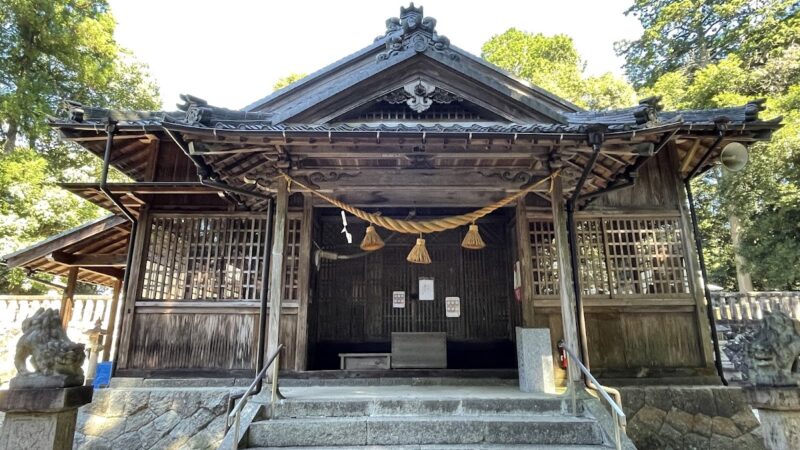
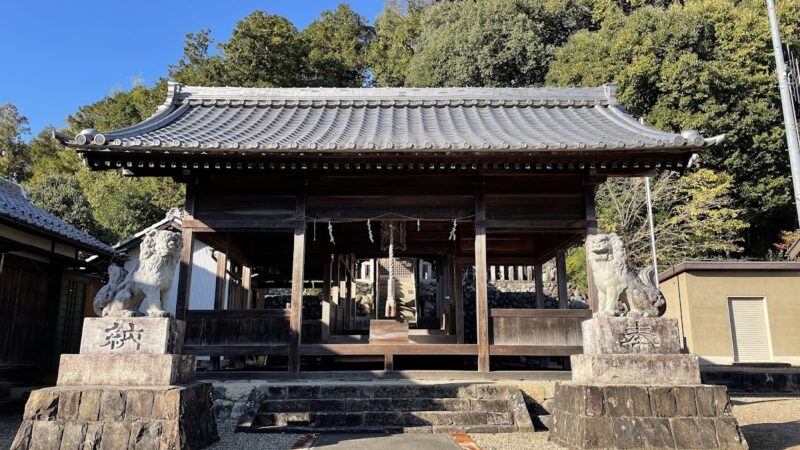
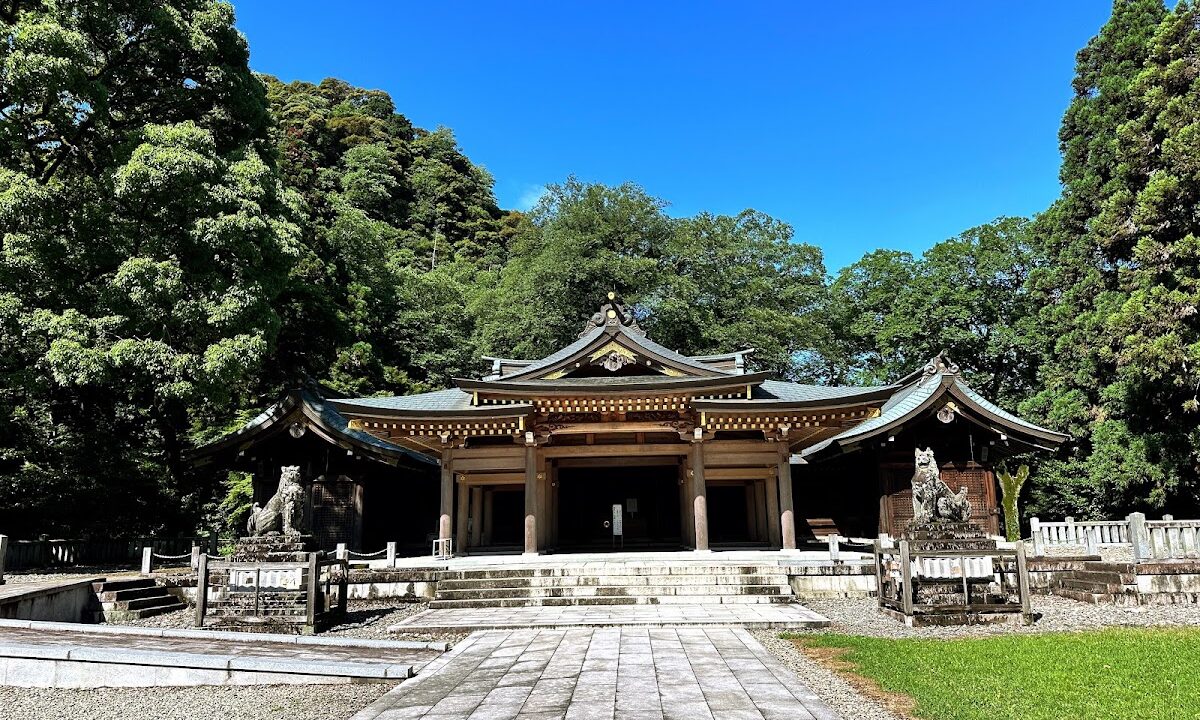
The worship hall of Gifu Gokoku Shrine is a magnificent structure that exudes dignity. Its simple yet dignified architectural style symbolizes its role as a Gokoku Shrine (shrine dedicated to war dead). When visiting the worship hall, perform the ritual of two bows, two claps, and one bow.
The main sanctuary is located behind the worship hall and is the most sacred place where the spirits of the war dead are enshrined. When visiting, quietly join your hands and offer your gratitude for peace and your remembrance of the war dead.
The Cormorant Fishing Cherry Tree and the Nature of the Shrine Grounds
Within the grounds of Gifu Gokoku Shrine is a cherry tree called the “Cormorant Fishing Cherry Tree,” which blooms beautifully in spring. This cherry tree has a deep connection to the cormorant fishing on the Nagara River and is a beloved symbol of Gifu’s scenery.
During cherry blossom season, the shrine grounds are dyed in a soft pink, attracting many worshippers and photography enthusiasts. Furthermore, various flowers and plants bloom throughout the seasons within the shrine grounds, allowing visitors to enjoy the beauty of nature in each season.
Spending time in the tranquil grounds, with the greenery of Mount Kinka as a backdrop, will be a precious experience that allows you to forget the hustle and bustle of everyday life.
Memorials and Monuments
Several memorials and monuments commemorating those who died in the war have been erected within the shrine grounds. These monuments bear inscriptions of the names of the fallen soldiers, the battlefields where they died, and the dates of their deaths, making them valuable resources for learning about history.
Especially on August 15th, the anniversary of the end of the war, and during the spring and autumn festivals, memorial services are held in front of these monuments, attended by many bereaved families and related parties. Visiting these monuments is a meaningful experience that provides an opportunity to reflect on the preciousness of peace.
Goshuin (Shrine Seals) and Amulets
Types and Characteristics of Goshuin (Shrine Seals)
Gifu Gokoku Shrine offers goshuin as a memento of your visit. The goshuin features the shrine’s name and the date of your visit written in ink, and stamped with a red seal. The powerful calligraphy, characteristic of Gokoku Shrines, is a distinctive feature and popular among collectors.
In addition to the regular goshuin (shrine stamp), limited-edition goshuin are sometimes given out during the annual festival and special events. Many visitors travel from afar to obtain seasonal designs or goshuin with special dates.
Goshuin Issuance Hours: 9:00 AM to 5:00 PM (during shrine office hours)
Offering Fee: Approximately 300-500 yen
Those who do not have a goshuincho (stamp book) can purchase an original goshuincho at the shrine. The goshuincho at Gifu Gokoku Shrine features a simple yet dignified design.
Amulets and Souvenirs
Gifu Gokoku Shrine offers a variety of amulets and souvenirs.
- Exorcism Amulet: For those in their unlucky year or those seeking protection from misfortune.
- Traffic Safety Amulet: For safe driving and cycling.
- Academic Success Amulet: Popular among students and those preparing for exams.
- Family Safety Amulet: For the health and happiness of the family.
- Health Amulet: For recovery from illness and maintaining good health.
Amulets are available at the shrine office. The offering fee varies depending on the type, but is generally around 500 to 1,000 yen. It is recommended to replace amulets regularly with new ones, and old amulets can be returned to the shrine.
Annual Events and Festivals
Grand Festivals (Spring and Autumn)
Gifu Gokoku Shrine holds two annual festivals: the Spring Grand Festival and the Autumn Grand Festival. These festivals are the most important events, offering gratitude and remembrance to the war dead.
Spring Grand Festival: Late April to early May
Autumn Grand Festival: Late September to early October
During the grand festivals, a solemn ceremony is held by Shinto priests, attended by numerous bereaved families, related parties, and general worshippers. Flower offerings and tea ceremonies are held on the shrine grounds, paying tribute to the war dead.
Mitama Festival
In summer, the “Mitama Festival” is held. This festival is held to comfort the spirits of the war dead and to express gratitude for peace. Lanterns are lit on the shrine grounds, creating a mystical atmosphere.
Held from evening to night, this festival brings together locals and worshippers to quietly offer prayers. It has become a deeply rooted summer tradition in the community.
New Year’s Visit and New Year’s Events
During the first three days of the New Year, the shrine is bustling with worshippers making their first visit of the year. People visit the shrine to pray for peace and safety in the new year, creating a solemn yet vibrant atmosphere.
During the New Year period, special goshuin (shrine stamps) and lucky charms are offered. On New Year’s Day, the Saitansai (New Year’s Day Festival) is held to celebrate the start of the new year.
End of War Memorial Day
On August 15th, the anniversary of the end of the war, a special memorial service is held. Many bereaved families and related individuals visit the shrine on this day to offer deep condolences to the spirits of those who perished in the war.
It is also a day when many general visitors come to reflect on the preciousness of peace.
Manners and Etiquette for Visiting a Shrine
Basic Etiquette for Visiting a Shrine
There are basic manners to observe when visiting a shrine. At Gifu Gokoku Shrine, please follow the etiquette outlined below.
- Bow before passing through the torii gate: Before entering the shrine grounds, bow before the torii gate.
- Purify yourself at the water basin: Purify your hands and mouth at the water basin (hold the ladle in your right hand, purify your left hand, switch to your left hand and purify your right hand, switch back to your right hand, receive water in your left hand and rinse your mouth, and finally hold the ladle upright to purify the handle).
- Walk along the edge of the path: The center of the path is considered the path of the gods, so walk along the edge.
- Worship in front of the main hall: Worship using the two bows, two claps, and one bow ritual.
- Bow when leaving: When leaving the shrine grounds, turn around and bow after passing through the torii gate.
Photography Etiquette
Photography is generally permitted on the shrine grounds, but please note the following points.
- Please refrain from taking photos inside the main shrine or of Shinto priests.
- Please be considerate of other worshippers.
- Please check in advance before using a tripod.
- Please use flash photography sparingly.
- Please post on social media with moderation.
Especially since Gokoku Shrine is a place of remembrance, it is important to behave with respect.
Regarding Attire
For regular visits, there are no specific dress code requirements, but it is desirable to wear clothing that reflects the sacred nature of the place. Avoid revealing or overly flashy clothing, and wear clean and presentable attire.
For formal visits or prayers, suits or formal attire are recommended.
Nearby Tourist Attractions
Gifu Park
Gifu Park, located within walking distance of Gifu Gokoku Shrine, is a place of relaxation for citizens at the foot of Mt. Kinka. The park contains cultural facilities such as the Gifu City History Museum and the Kato Eizo & Toichi Memorial Art Museum, where you can experience history and art.
In spring, the cherry blossoms are beautiful, and in autumn, the autumn leaves are stunning, allowing you to enjoy nature in every season. There’s also a large lawn area, making it perfect for families to relax.
Gifu Castle and Kinka Mountain Ropeway
Located on the summit of Kinka Mountain, Gifu Castle is famous as a castle associated with Oda Nobunaga. A 3-minute ride on the Kinka Mountain Ropeway from the foot of the mountain takes you to the summit, where you’ll be rewarded with a spectacular panoramic view of Gifu city and the Nobi Plain.
The view from Gifu Castle’s keep is said to be “the best view in the world,” and on a clear day, you can even see the buildings of Nagoya Station in the distance. It’s a must-see spot for history buffs.
Nagara River Cormorant Fishing Museum
This facility allows you to learn about the history and culture of cormorant fishing on the Nagara River. Located about a 10-minute walk from Gifu Gokoku Shrine, you can learn about this traditional fishing method, which has continued for over 1300 years, through demonstrations and exhibits.
The museum displays valuable materials and videos related to cormorant fishing, helping visitors to gain a deeper understanding of Gifu’s culture.
Kawaramachi’s Old Townscape
Kawaramachi, stretching along the Nagara River, is an area charming for its old townscape that retains the atmosphere of the Edo period. The townhouses with lattice doors and cobblestone alleys create a charming ambiance, allowing you to feel the breath of history just by strolling through.
The townscape is dotted with Japanese confectionery shops, cafes, and general stores, making it a great place to find souvenirs and enjoy local cuisine. It’s a recommended spot to visit after visiting Gifu Gokoku Shrine.
Nagara River Hot Springs
Along the Nagara River lies the Nagara River Hot Spring Village, lined with hot spring inns. Some facilities offer day-trip bathing, making it perfect for relaxing after sightseeing or visiting the shrine.
Some inns offer open-air baths where you can enjoy views of the clear waters of the Nagara River and Mount Kinka, providing a truly luxurious experience.
Special Experiences at Gifu Gokoku Shrine
Formal Worship and Prayers
Gifu Gokoku Shrine accepts formal worship and prayers for individuals and groups. You can apply for a formal worship service when you have a significant life event or important wish.
Main Prayers Offered
- Family Safety
- Protection from Evil
- Traffic Safety
- Business Prosperity
- Success in Exams
- Recovery from Illness
If you wish to have a formal worship service, it is recommended to contact the shrine office in advance to make a reservation. The offering fee varies depending on the prayer content, but generally starts from 5,000 yen.
Weddings and Life Ceremonies
Gifu Gokoku Shrine offers traditional Shinto wedding ceremonies. These solemn ceremonies are popular with those who value traditional Japanese culture.
The shrine also accepts life ceremony services such as shrine visits for newborns and Shichi-Go-San (a traditional Japanese rite of passage for children). Many families visit this shrine to report important milestones in their lives to God and receive blessings.
Quiet Time on the Shrine Grounds
One of the charms of Gifu Gokoku Shrine is that, despite being in an urban area, it maintains a quiet and peaceful atmosphere. Sitting on a bench on the grounds and quietly gazing at the greenery of Mount Kinka is a precious experience that calms the mind.
Especially in the early morning and on weekday mornings, there are fewer visitors, allowing for a more tranquil environment for worship. It is worth visiting as a place to escape from the hustle and bustle of daily life and find peace of mind.
Points to Note When Visiting Gifu Gokoku Shrine
Seasonal Clothing and Items to Bring
Spring/Autumn: Daytime is comfortable, but it can get chilly in the mornings and evenings, so it’s a good idea to bring a light jacket or cardigan.
Summer: Gifu City is known for its intense summer heat. Don’t forget a hat, parasol, and drinks for hydration. There is plenty of shade on the grounds, but heatstroke prevention is essential.
Winter: Due to the severe cold, please take thorough precautions against the cold. Snow may fall, so non-slip shoes are recommended.
Accessibility Information
The grounds of Gifu Gokoku Shrine are relatively flat, but there are some steps and stairs. Those planning to visit in a wheelchair are advised to contact the shrine in advance.
There is a relatively easy route from the parking lot to the main hall, but please inquire at the shrine office for details.
Toilets and Rest Facilities
Toilets are available on the shrine grounds. Additionally, there are public toilets and rest facilities in the nearby Gifu Park, making it convenient for extended visits.
Vending machines are located around the shrine grounds, but there are few restaurants, so those planning to eat are advised to travel to the Gifu Park area or the Kawaramachi area.
Local Tips for Enjoying the Shrine
Early Morning Visit Recommendation
Early morning visits are popular among locals. The experience of visiting the shrine in the quiet grounds amidst the refreshing morning air is exceptional. Especially during the summer months, the cool morning hours are pleasant, and visiting the shrine while listening to the birdsong is truly refreshing.
Early mornings are less crowded with tourists, allowing you to leisurely explore the grounds. It’s also an ideal time for photography.
Visiting during Cherry Blossom and Autumn Foliage Seasons
The spring cherry blossom season and the autumn foliage season are the most beautiful times to visit Gifu Gokoku Shrine. Spring, in particular, with its blooming cormorant fishing cherry blossoms, creates a vibrant atmosphere throughout the shrine grounds.
During the autumn foliage season, the entire Kinka Mountain is ablaze with color, and you can enjoy the beautiful autumn leaves from within the shrine grounds. It’s a season well worth visiting with your camera.
Walking Courses in the Surrounding Area
We also recommend walking courses starting from Gifu Gokoku Shrine.
Recommended Course: Gifu Gokoku Shrine → Gifu Park → Kinka Mountain Ropeway → Gifu Castle → Nagara River Cormorant Fishing Museum → Kawaramachi Stroll
This course allows you to enjoy Gifu’s history and nature over half a day to a full day. The promenade along the Nagara River, in particular, offers beautiful scenery and is perfect for a stroll.
Summary
Gifu Gokoku Shrine is a historic shrine located at the northern foot of Mt. Kinka in Gifu City, Gifu Prefecture, enshrining the spirits of over 37,800 war dead. Its quiet and solemn grounds offer a peaceful space despite its urban location, and it is deeply revered by the local people.
It is a place of historical significance as a memorial, and also a beautiful shrine where you can enjoy the changing seasons. With its extensive offerings of Goshuin (shrine stamps) and amulets, as well as year-round festivals, it is well worth a visit.
With many attractive tourist spots nearby, such as Gifu Castle, Gifu Park, and the cormorant fishing on the Nagara River, it is a must-visit place when sightseeing in Gifu. Why not spend some quiet time here, offering gratitude for peace and remembrance of the war dead?
It’s relatively easy to access, about 15 minutes by bus from Gifu Station and about 20 minutes by car from the Gifu-Kakamigahara Interchange. Whether you’re visiting Gifu for the first time or you’re a local, we encourage you to visit Gifu Gokoku Shrine, offer a peaceful prayer, and have a valuable experience of touching upon Gifu’s history and culture.