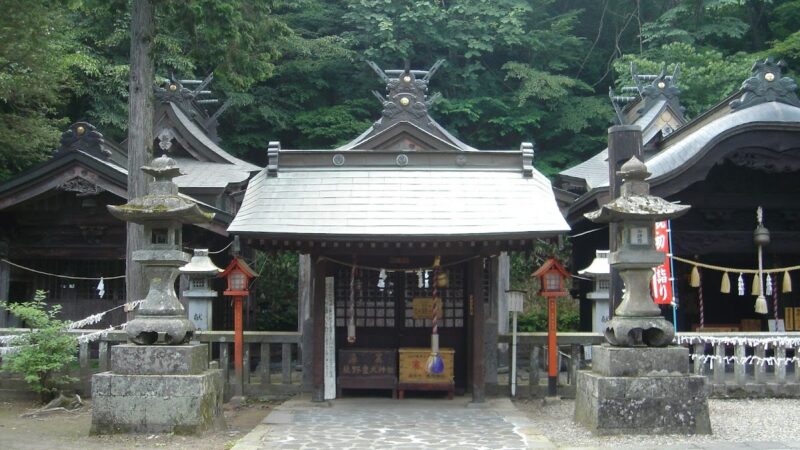
Complete Guide to Ichinomiya Nukisaki Shrine (Gunma Prefecture) | A Thorough Explanation of the History, Highlights, and Blessings of the Descending Approach
Ichinomiya Nukisaki Shrine, located in Tomioka City, Gunma Prefecture, is a venerable ancient shrine with a history of over 1400 years. It has long been revered as the Ichinomiya (first-ranked shrine) of Kōzuke Province and boasts many attractions, including a rare “descending approach” and a shrine building designated as a National Important Cultural Property. This article provides a detailed explanation of everything you need to know before visiting Ichinomiya Nukisaki Shrine, from its history and architectural style to its blessings and access methods.
History and Origins of Ichinomiya Nukisaki Shrine
Origins and Mythology of its Founding
Ichinomiya Nukisaki Shrine is said to have been founded in 531 AD (the first year of Emperor Ankan’s reign). According to shrine tradition, the shrine was founded by the Mononobe clan, Isobe family, on the northern slope of a hill called Yomogigaoka, in a valley commonly known as Ayamedani (or Ayame Valley).
The enshrined deities are Futsunushi-no-kami and Hime-Ōkami. Futsunushi-no-kami is known in Japanese mythology as a warrior god who, along with Takemikazuchi-no-kami, negotiated the transfer of the land, and is also the principal deity of Katori Shrine. On the other hand, there are various theories about Hime-Ōkami, and her true identity remains shrouded in mystery, but she has been revered as a guardian deity of the region since ancient times.
Status as the Ichinomiya of Kōzuke Province
Ichinomiya Nukisaki Shrine has been positioned as the “Ichinomiya,” the highest-ranking shrine in Kōzuke Province (present-day Gunma Prefecture). The Engishiki Jinmyocho, compiled in 927 during the Heian period, lists the shrine as “Kozuke Province’s Twelve Shrines, First Rank, First Class Order of Merit, Kanzaki Shrine,” indicating its status as a Myojin Taisha (a major shrine) and demonstrating its long-standing reverence from the imperial court.
From the medieval period onward, it received patronage from samurai families. During the Sengoku period, the Odawara Hojo clan, and during the Edo period, the Tokugawa shogunate and successive feudal lords, donated land and constructed shrine buildings. The current main hall and worship hall were built in 1635 by order of Tokugawa Iemitsu, the third shogun, and are designated as important cultural properties of Japan.
Jomo Karuta and Local Culture
In the Jomo Karuta, a local card game popular among Gunma Prefecture residents, the card for “Yu” (ゆ) features the poem, “Kanzaki Shrine, with its ancient connection.” This karuta (Japanese playing cards) incorporates the history, nature, industry, and notable figures of Gunma Prefecture, making it a cultural item familiar to all residents of the prefecture. The inclusion of Ichinomiya Nukisaki Shrine in this karuta speaks to the importance of shrines in Gunma Prefecture and the depth of faith rooted in the region.
Unique Features of the Nationwide Rare “Descending Approach”
What is a Descending Approach?
One of the most distinctive features of Ichinomiya Nukisaki Shrine is its “descending approach.” While shrine approaches typically ascend from the foot of the mountain to the summit or high ground, Nukisaki Shrine has an unusual structure where, after passing through the large torii gate and climbing stone steps, one descends stone steps towards the shrine building.
This descending approach is extremely rare nationwide, found only at a very limited number of shrines, such as Kumano Nachi Taisha (Wakayama Prefecture) and Kusabe Yoshimi Shrine (Kumamoto Prefecture). Visitors can experience a unique pilgrimage, climbing a hill and then descending to the middle of the mountain to reach the shrine building.
The Meaning and Origin of the Downward Approach
There are several theories as to why the downward approach was created, but the most plausible explanation is geographical. Ichinomiya Nukisaki Shrine is built on the northern slope of Yomogigaoka, carved out of a valley, and faces south. It is believed that the arrangement of the shrine buildings, utilizing this terrain, naturally resulted in the downward approach.
Another interpretation suggests a spiritual meaning: ascending to a higher point to approach the deity, and then descending with humility. In any case, this unique approach leaves a strong impression on visitors and has become a symbolic feature of Ichinomiya Nukisaki Shrine.
View from the Approach
As you ascend the stone steps from the large torii gate, looking back reveals a spectacular panoramic view of Tomioka city and the distant mountain range. Especially on clear days, you can admire the beautiful chain of mountains in Joshu, making it an excellent spot to purify your mind before worship. The scenery changes with each season, offering a fresh and moving experience with every visit.
Nationally Designated Important Cultural Property Shrine Architecture
Architectural Style of the Main Hall
The main hall of Ichinomiya Nukisaki Shrine is a valuable early Edo period building constructed in 1635 (Kanei 12). While it appears to be a single-story building from the outside, it has a very unusual two-story structure inside. This is a unique architectural style called “Nukisaki-zukuri,” which is unparalleled and unique to Nukisaki Shrine.
The main hall is based on the Sangensha Nagare-zukuri style, but incorporates unique ingenuity adapted to the terrain. The roof is covered with copper plates and features intricate carvings and lavish decorations, conveying the excellent architectural techniques and artistry of the Edo period.
Worship Hall and Tower Gate
The worship hall, also constructed in 1635 (Kanei 12), is designated as a National Important Cultural Property. The worship hall is where worshippers offer their prayers, and together with the main shrine, it creates a solemn atmosphere.
The tower gate (Romon) is a two-story gate standing at the bottom of the approach to the shrine, and is also an important cultural property. Its vibrant vermilion color and exquisite craftsmanship overwhelm visitors. Passing through the tower gate intensifies the feeling of entering the heart of the sacred area, and one’s resolve to worship is heightened.
Highlights of Decoration and Sculpture
The shrine buildings are adorned with numerous exquisite carvings by master craftsmen of the Edo period. The decorations, featuring mythical creatures such as dragons, lions, and phoenixes, as well as motifs of flowers, birds, wind, and the moon, are each worthy of being called works of art.
Particularly noteworthy are the carvings adorned with vibrant colors. Even after many years, the colors have not faded, conveying the splendor of that time. Taking the time to carefully observe them allows one to appreciate the exceptional skill and aesthetic sense of the craftsmen.
Benefits and Deities of Ichinomiya Nukisaki Shrine
Divine Virtues of Futsunushi-no-Kami
Futsunushi-no-Kami, one of the main deities, is known as a god of war and swords. His divine virtues are wide-ranging, including protection from evil, good fortune in competitions, good luck, and family safety. He is especially revered as a guardian deity at life’s turning points and when starting new things, and is believed to grant the power to overcome difficulties and forge a path forward.
Divine Virtues of Hime-no-Okami
Hime-no-Okami, the other enshrined deity, is revered as a guardian deity of women. She is believed to grant benefits such as safe childbirth, child-rearing, success in love, and matchmaking, and is particularly revered by female worshippers.
While there are various theories about Hime-no-Okami’s true identity, she is thought to be a mother goddess of the region, watching over people’s lives since ancient times. Her gentle, all-encompassing, and loving divine virtues bring peace and hope to many.
Hime-no-Okami, the other enshrined deity, is revered as a guardian deity of women. She is believed to grant benefits such as safe childbirth, successful child-rearing, success in love, and matchmaking, and is especially devoted to female worshippers.
There are various theories about Hime-no-Okami’s true identity, but she is considered a goddess who has watched over people’s lives since ancient times, acting as a mother goddess in the region. Her gentle and compassionate divine virtues bring peace and hope to many people.
Main Benefits
The main benefits you can receive at Ichinomiya Nukisaki Shrine are as follows:
- Protection from Misfortune: Through the powerful divine power of Futsunushi-no-kami, all calamities are dispelled and purified.
- Safe Childbirth and Fertility: Through the protection of Hime-no-Okami, prayers for safe childbirth and fertility are effective.
- Love and Relationship Success: The power to forge good relationships and achieve romantic success.
- Family Safety and Good Fortune: Protects the health and happiness of the family and improves luck.
- Luck in Competitions and Victory: Through the protection of the god of war, success in competitions and examinations is achieved.
Major Annual Festivals and Rituals
Mitobiraki-sai (Opening of the Gate Festival)
The Mitobiraki-sai, held annually on December 12th, is one of the most important festivals at Ichinomiya Nukisaki Shrine. This festival is a traditional event that has been held since ancient times, involving the opening of the sacred doors (mito) where the deity of the shrine is enshrined. It is conducted in a solemn atmosphere and is attended by many worshippers.
Deer Divination Ritual
The deer divination ritual is a valuable ritual that preserves an ancient form of divination. It involves burning a deer’s shoulder blade and predicting good or bad fortune and the abundance or scarcity of crops based on how it cracks. It is an important ritual for understanding ancient Japanese beliefs. This ritual is held once a year, at a specific time.
Other Annual Festivals
Ichinomiya Nukisaki Shrine holds various festivals throughout the year:
- New Year’s Day Festival (January 1st): A festival celebrating the New Year
- Setsubun Festival (around February 3rd): A ritual to ward off evil spirits by scattering beans
- Annual Grand Festival (Spring and Autumn): The shrine’s most important annual event
- Summer Purification Ceremony (June 30th): A purification ceremony to cleanse away the sins and impurities accumulated over the past six months
- Shichi-Go-San Festival (November): A celebration of children’s growth
- Great Purification Ceremony (December 31st): A purification ceremony to cleanse away the sins and impurities accumulated over the past year
These festivals are deeply intertwined with the lives of the local people and bring vibrancy to the shrine grounds as the seasons change.
Highlights and Power Spots on the Shrine Grounds
Kagura Hall
There is a Kagura Hall on the shrine grounds, where Kagura (sacred dance and music) are performed during festivals. Traditional dances and music express gratitude and prayer to the gods, and their solemn atmosphere deeply moves the hearts of worshippers.
Sacred Trees and Nature
Sacred trees over several hundred years old stand within the shrine grounds, creating a sacred atmosphere. These ancient trees have watched over the shrine for centuries and are revered as powerful spiritual spots.
The shrine grounds, surrounded by the rich nature of Yomogigaoka, showcase the beauty of each season. Cherry blossoms in spring, fresh greenery in summer, autumn leaves in fall, and snowscapes in winter—you can enjoy different expressions with each season.
Water Basin and Purification Ritual
Before worshipping, be sure to purify your mind and body at the water basin. By purifying your hands and mouth with the correct ritual, you show respect to the gods and can worship with a pure heart.
Access and Visiting Information
Access by Train
The nearest station to Ichinomiya Nukisaki Shrine is Joshu-Ichinomiya Station on the Joshin Electric Railway. The shrine is about a 15-minute walk from the station, allowing you to stroll through a peaceful rural landscape on your way to worship.
From JR Takasaki Station, transfer to the Joshin Electric Railway and arrive at Joshu-Ichinomiya Station in about 30 minutes. It’s easily accessible from various parts of the Kanto region.
Access by Car and Parking
If you’re visiting by car, it’s about a 10-minute drive from the Tomioka Interchange on the Joshinetsu Expressway. The shrine has a free parking lot for visitors, accommodating approximately 100 regular-sized cars.
During long holidays, New Year’s Day, and festivals, crowds are expected, so it’s recommended to visit with plenty of time to spare.
Opening Hours and Admission Fees
The grounds of Ichinomiya Nukisaki Shrine are generally open all day, but the shrine office is open from 9:00 AM to around 4:00 PM. If you wish to receive a Goshuin (shrine stamp) or amulet, please visit during these hours.
Admission is free. However, a donation is required for special prayers.
Busy Seasons and Times
The following are the busiest times at Ichinomiya Nukisaki Shrine:
- New Year’s Visit Period (January 1st-3rd): The shrine receives the most visitors of the year.
- Shichi-Go-San Season (November): The shrine is crowded with families, especially on weekends.
- Annual Festival: The shrine is crowded during the spring and autumn annual festivals.
- Long Holidays: The shrine is also crowded during Golden Week and the Obon period.
If you want to avoid the crowds, weekday mornings or late afternoons are recommended. Those who wish to visit the shrine in a quiet environment should choose these times.
Nearby Tourist Attractions
Tomioka Silk Mill
Located about a 10-minute drive from Ichinomiya Nukisaki Shrine, the Tomioka Silk Mill is an industrial heritage site symbolizing Japan’s modernization, registered as a World Heritage Site in 2014. It was a government-run model factory built during the Meiji era, and the original buildings are preserved in almost perfect condition. Visiting these places in conjunction with a shrine visit will allow you to gain a deeper understanding of Gunma Prefecture’s history and culture.
Gunma Safari Park
Recommended for families is Gunma Safari Park, located about 20 minutes away by car. It’s a facility that can be enjoyed all day long, with a safari zone where you can observe ferocious animals such as lions and tigers up close, and an area where you can interact with small animals.
Mount Myogi
Mount Myogi, considered one of Japan’s three most spectacular landscapes, is about 30 minutes away by car from Ichinomiya Nukisaki Shrine. The unique scenery created by strangely shaped rocks and boulders is breathtaking, and you can enjoy mountain climbing and hiking.
Konnyaku Park
Konnyaku Park, themed around konnyaku (konjac), a specialty product of Gunma Prefecture, is also a popular tourist spot. You can observe the konnyaku manufacturing process and sample various konnyaku dishes.
Goshuin (Shrine Seal) and Amulets
Features of the Goshuin
The goshuin of Ichinomiya Nukisaki Shrine is characterized by its powerful calligraphy, reflecting its status as the Ichinomiya (first-ranked shrine) of Kōzuke Province. It bears the seal of “Ichinomiya of Kōzuke Province” and the name of “Nukisaki Shrine,” and is cherished by many as a memento of their visit.
Goshuin can be obtained at the shrine office. You can bring your own goshuincho (seal book) or purchase one at the shrine. Because they are carefully written, you may have to wait a little during busy times, but this will also become a cherished memory of your visit.
Amulets and Gifts
At Ichinomiya Nukisaki Shrine, various amulets are offered for different purposes:
- Exorcism Amulet: For those in their unlucky year or those seeking protection from misfortune
- Safe Childbirth Amulet: To protect pregnant women and their unborn babies
- Matchmaking Amulet: For those seeking a good partner
- Academic Success Amulet: For students taking exams or those wishing for academic improvement
- Traffic Safety Amulet: For safe driving and cycling
In addition, votive tablets and amulets are also available, which can be chosen according to your wishes.
Manners and Etiquette for Visiting a Shrine
Basic Etiquette for Visiting a Shrine
The basic etiquette for visiting a shrine is “two bows, two claps, one bow”:
- Stand in front of the main hall and bow slightly.
- Quietly place your offering in the offering box.
- If there is a bell, ring it.
- Bow deeply twice (two bows).
- Clap your hands twice at chest height (two claps).
- Offer your prayer with your hands clasped together.
- Bow deeply once (one bow).
Clothing and Belongings
There are no specific dress code requirements for visiting a shrine, but clean and subdued attire is desirable to show respect to the gods. Especially if you are receiving a formal prayer, avoid overly casual clothing.
Since you will be walking down a path, it is recommended to wear comfortable shoes. Be especially careful during rainy weather or in winter, as the stone steps can become slippery.
Clothing and Belongings
There are no specific dress code requirements for visiting a shrine, but clean and subdued clothing is desirable to show respect to the gods. Especially if you are receiving a formal prayer, avoid overly casual attire.
Since you will be walking down a path, it is recommended to wear comfortable shoes. The stone steps can be particularly slippery during rainy weather or in winter, so caution is advised. ### Photography Etiquette
Photography is generally permitted within the shrine grounds, but photography inside the main hall and during religious ceremonies may be prohibited. Please be considerate of other visitors and strive to maintain a quiet environment.
Cultural Property Designation of Ichinomiya Nukisaki Shrine
Nationally Designated Important Cultural Properties
The following buildings at Ichinomiya Nukisaki Shrine are designated as Nationally Important Cultural Properties:
- Main Hall (Built in 1635)
- Worship Hall (Built in 1635)
- Gate Tower (Built in 1635)
These are all highly valued for their historical and artistic merit as excellent examples of early Edo period shrine architecture.
Other Cultural Properties
In addition to the Important Cultural Properties, the shrine houses many other valuable cultural properties. Ancient documents, sacred treasures, and offerings, among other items that tell the long history of Ichinomiya Nukisaki Shrine, are sometimes exhibited periodically.
Connection with the Community and Faith
As the Guardian Deity of Tomioka City
Ichinomiya Nukisaki Shrine continues to attract the faith of people as the guardian deity of Tomioka City and the surrounding region. The shrine is always involved in local festivals and events, and is closely intertwined with the lives of the residents.
Preservation of Local Culture
The shrine also plays a role in passing on local culture to the next generation through traditional Shinto rituals and festivals. Children participate in festivals and learn Kagura (sacred dance and music), thus preserving traditional Japanese culture.
Summary: The Charm of Ichinomiya Nukisaki Shrine
Ichinomiya Nukisaki Shrine is a representative shrine of Gunma Prefecture, boasting a history of over 1400 years, a rare descending approach to the shrine, a nationally designated important cultural property, and various blessings such as protection from evil and safe childbirth.
This shrine, where the prestige of being the Ichinomiya (first-ranked shrine) of Kōzuke Province coexists with warm, community-rooted faith, is recommended for history buffs, architecture enthusiasts, power spot visitors, and anyone seeking inner peace. Visiting Ichinomiya Nukisaki Shrine in conjunction with other nearby attractions such as the Tomioka Silk Mill allows you to experience Gunma Prefecture’s history and culture more deeply. Its easy access from the Kanto region makes it an ideal destination for weekend getaways and short trips.
We highly recommend visiting Ichinomiya Nukisaki Shrine to experience its solemn atmosphere and the weight of its history firsthand. Walking down the approach to the shrine and reflecting on its over 1400-year-old history of faith will surely create lasting memories.