Sugawara Shrine (Tomioka City, Gunma Prefecture) Complete Guide | A Thorough Explanation of the Vividly Colored Main Hall and History
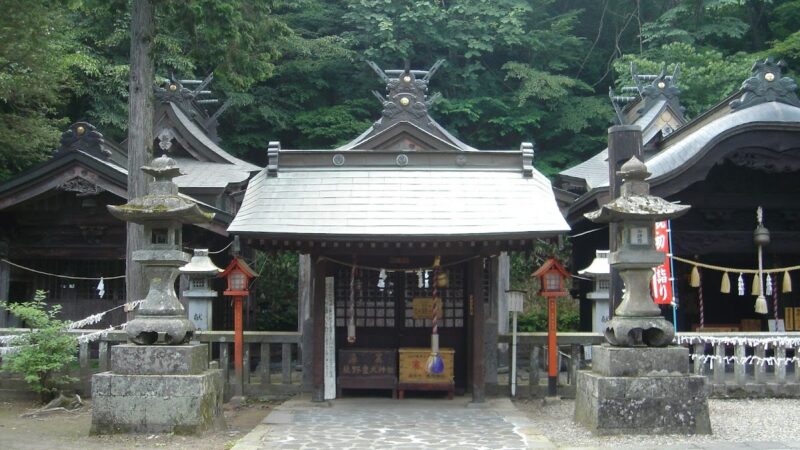
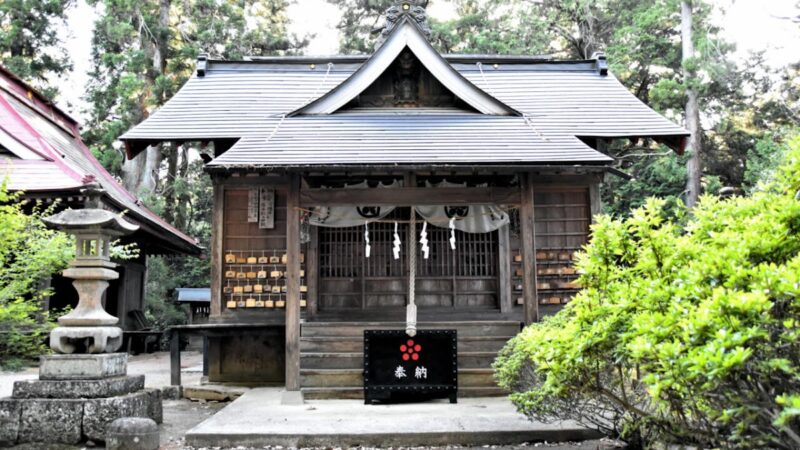
Located in Sugawara, Myogi-cho, Tomioka City, Gunma Prefecture, Sugawara Shrine is dedicated to Sugawara no Michizane, known as the god of learning. While it has a history as a village shrine, its main hall is covered in vividly colored carvings reminiscent of Nikko Toshogu Shrine and is designated as an important cultural property by Tomioka City. This article provides a detailed explanation of everything you need to know before visiting Sugawara Shrine, from its history and architectural highlights to visiting information and access methods.
Basic Information about Sugawara Shrine
Location and Access
Address: 1423 Sugawara, Myogi-machi, Tomioka City, Gunma Prefecture
Postal Code: 〒379-0208
Corporate Number: 1070005003627 (Designated October 5, 2015)
Sugawara Shrine is located in a mountain village at the foot of Mt. Myogi, on the outskirts of Tomioka City. Situated in a quiet environment, it is a shrine that has been cherished by the local people for centuries.
Deities and Benefits
Main Deity: Sugawara no Michizane
Sugawara no Michizane is known as a scholar and politician of the Heian period, and later revered throughout Japan as the god of learning, Tenjin-sama. Therefore, Sugawara Shrine is believed to offer the following benefits:
- Prayer for academic success and passing exams
- Improvement in literary arts
- Protection from evil and disaster
- Safety of the family
Especially during exam season, local students and their parents visit to pray for success.
Shrine Rank and Historical Positioning
Sugawara Shrine was formerly classified as a village shrine and has protected the Sugawara district as the guardian deity of the area. Although a village shrine, its architectural style and the exquisite detail of its carvings are comparable to those of higher-ranking shrines.
History of Sugawara Shrine
Founding and History
While there are no clear records of the founding date of Sugawara Shrine, it is said to have been enshrined in the area since ancient times. The place name Sugawara itself is thought to originate from Sugawara no Michizane, suggesting a deep connection between this region and Sugawara no Michizane.
From the medieval to the early modern period, it attracted the faith of local people and was revered as the guardian deity of agriculture and sericulture. The Myogi area was a thriving center for sericulture, and historically, a joint silkworm rearing facility for Sugawara Town was located within the shrine grounds.
The Fire and Reconstruction in the Kansei Era
The current Sugawara Shrine main hall was rebuilt by the local lord, the Matsudaira clan, after it was destroyed by a fire caused by lightning in Kansei 8 (1796). This reconstruction resulted in the magnificent main hall we see today.
Interestingly, the demon mask carvings on the Chidori-hafu (gable) of the main hall are noteworthy. The back of these masks bears the inscription Enkyo 4 (1747), suggesting they were reused from the building before the fire. This demonstrates how the local people carefully preserved materials from the old shrine and incorporated them into the new building.
Developments Since the Modern Era
Due to the Meiji-era reforms to the shrine system, it was ranked as a village shrine, establishing its status as a public shrine in the region. From the Showa and Heisei eras to the present day, the shrine has been continuously maintained by local residents, and regular festivals are held.
In 2015, it was designated as a religious corporation and received a corporate number, continuing to exist as a religious facility officially recognized under modern legal systems.
Architectural Highlights | Main Hall, a City-Designated Important Cultural Property
Architectural Style of the Main Hall
The main hall of Sugawara Shrine employs the Sangensha Nagare-zukuri style. This is one of the most prestigious styles in shrine architecture, characterized by a three-bay (three-column) front structure.
Main Architectural Features:
- Roof: A complex structure with a chidori-hafu (gable with a curved roof) on the main hall and a karahafu (gable with a curved roof) on the portico.
- Original Roofing Material: Thatch (now changed to copper sheeting).
- Sculpture: The entire wall surface is decorated with vividly colored sculptures.
- Style: Has elements of the Gongen-zukuri style from the mid-Edo period.
Vividly Colored Sculptures
The greatest highlight of the Sugawara Shrine main hall is the vividly colored sculptures that cover the walls. These sculptures possess an exquisite detail reminiscent of representative Edo period decorative architecture such as Nikko Toshogu Shrine.
Themes of the Sculptures:
- Mythical creatures such as dragons and phoenixes
- Decorations based on flowers, birds, wind, and moon
- Scenes depicting Chinese stories and legends
- Natural patterns such as waves and clouds
Of particular note are the demon mask sculptures attached to the chidori-hafu. This demon mask is a valuable artifact, said to be unique among other shrine architecture. An inscription from Enkyo 4 (1747) indicates that it was a component inherited from a building before the fire. This demon mask, symbolizing protection and warding off evil, is an important legacy that conveys the history of the shrine.
Eight-Legged Gate and Shrine Buildings
Upon climbing the stone steps leading to the main hall, a magnificent eight-legged gate welcomes visitors. The eight-legged gate, composed of four main pillars and four supporting pillars—a total of eight pillars—is a highly dignified gate that demonstrates the dignity of the shrine.
Passing through this gate, a surprisingly large shrine building comes into view, surprising visitors with its scale and ornamentation, far exceeding what one would expect from a village shrine. Within the shrine grounds, in addition to the main hall, there are buildings such as the worship hall and shrine office, all neatly arranged.
Cultural Value
The Sugawara Shrine main hall is designated as a Tomioka City Designated Important Cultural Property. As a valuable cultural heritage site that conveys the architectural techniques and decorative arts of the mid-to-late Edo period, efforts are being made to preserve and utilize it.
The following points, in particular, enhance its value as a cultural property:
- An excellent example of vividly colored decorative architecture from the Edo period
- A document demonstrating the development of Gongen-zukuri style architecture in regional areas
- An interesting example in architectural history of reusing materials from before the fire
- A historical building that conveys the beliefs and culture of the region
Etiquette and Manners for Worship
Basic Worship Method
When visiting Sugawara Shrine, it is generally recommended to follow the steps below.
- Passing through the Torii Gate: Bow before entering the shrine grounds.
- Purifying at the Water Basin: Purify your left hand, right hand, and mouth in that order.
- Climbing the Stone Steps: Sugawara Shrine has many stone steps, so climb slowly.
- Worshiping at the Main Hall: Worship using the two bows, two claps, and one bow ritual.
- Viewing the Main Hall: Take your time to admire the carvings on the main hall, which is a cultural property.
Appropriate Attire for Visiting
There are no particularly strict dress code regulations, but it is desirable to wear clothing that is appropriate for a sacred place like a shrine. Since there are stone steps, comfortable shoes are recommended.
Photography
Photography is generally permitted within the shrine grounds and on the exterior of the main hall. However, it is recommended to refrain from taking photos inside the main hall or in sacred areas, or to check beforehand. Also, please be considerate of other visitors.
Annual Events and Festivals
Main Festivals
Sugawara Shrine holds various festivals throughout the year.
Annual Grand Festival: An important local festival featuring portable shrines and offerings.
New Year’s Visit: Local residents pray for safety in the new year.
Tenjin Festival: A festival commemorating Sugawara no Michizane.
Visits During Exam Season
Sugawara Shrine, dedicated to the god of learning, is especially popular during exam season, with many students and their parents visiting to pray for success. Visitors can be seen writing their desired schools and goals on ema (votive tablets) and offering them.
Nearby Attractions
Mount Myogi and Myogi Shrine
Myogi Town, where Sugawara Shrine is located, is situated at the foot of Mount Myogi, considered one of Japan’s three most scenic wonders. Mount Myogi is home to Myogi Shrine, a prestigious shrine known for its magnificent buildings and carvings. Visiting Sugawara Shrine in conjunction with this is also recommended.
Tomioka Silk Mill
The Tomioka Silk Mill (a World Heritage Site), a representative tourist spot in Tomioka City, is about a 20-minute drive away. You can visit both the Meiji-era modernization heritage and the Edo-period shrine architecture in one day.
Ichinomiya Nukisaki Shrine
Tomioka City also has Ichinomiya Nukisaki Shrine, a shrine with the status of the Ichinomiya (first-ranked shrine) of Kōzuke Province. This shrine also boasts a shrine building designated as an Important Cultural Property and is one of Gunma Prefecture’s representative shrines.
Access Information
Access by Car
Jōshin-etsu Expressway:
- Approximately 15 minutes from Tomioka IC
- Approximately 10 minutes from Shimonita IC
There are a few parking spaces on the shrine grounds or nearby. However, it may get crowded during festivals, so it is recommended to visit with plenty of time to spare.
Access by Public Transportation
Train/Bus:
- Approximately 20 minutes by taxi from Joshu-Tomioka Station on the Joshin Electric Railway
- Transfer to the Joshin Electric Railway from Takasaki Station on the JR Line
Access by public transportation is somewhat inconvenient, so visiting by car is recommended. If using a taxi, it’s a good idea to consider arranging a taxi for your return trip as well.
Travel Time from Nearest Major Cities
- From Tokyo: Approximately 2 hours by car
- From Takasaki: Approximately 40 minutes by car
- From Maebashi: Approximately 50 minutes by car
Other Sugawara Shrines in Gunma Prefecture
There are several shrines named Sugawara Shrine within Gunma Prefecture.
- Sugawara Shrine (Maegoya-cho, Ota City): Also known as Maegoya Sugawara Shrine
- Sugawara Shrine (Iino, Itakura-machi, Ora-gun)
- Sugawara Shrine (Irigaya-cho, Tatebayashi City)
- Sugawara Shrine (Sakaijima-mura, Isesaki City)
- Sugawara Shrine (Ishiuchi, Ora-machi, Ora-gun)
These are all independent shrines and are separate from the Sugawara Shrine in Tomioka City. Please check the address before visiting.
About Sugawara no Michizane
Life and Achievements
Sugawara no Michizane (845-903) was a scholar and politician of the Heian period, also known as an excellent Chinese poet. He was highly favored by Emperor Uda and rose to the position of Minister of the Right, but was demoted to Dazaifu due to a conspiracy by the Fujiwara clan and died in despair.
The Establishment of Tenjin Worship
After Michizane’s death, a series of natural disasters occurred in Kyoto. To appease Michizane’s vengeful spirit, Kitano Tenmangu Shrine was founded. Eventually, Michizane came to be revered as Tenjin-sama, the god of learning, and Tenmangu, Tenjin, and Sugawara shrines were built throughout Japan.
Why is he considered the god of learning?
Sugawara no Michizane is considered the god of learning for the following reasons:
- Exceptional talent, considered a child prodigy from a young age
- Achievements as a literary figure, excelling in Chinese and Japanese poetry
- A family of scholars (the Sugawara family was a lineage of scholars for generations)
- Served as the head of the Daigaku Betto (university), the highest institution of learning
Because of these achievements, he is worshipped throughout Japan as the god of academic success and prayers for passing exams.
Connection to Sericulture
Sugawara Town Young Silkworm Cooperative Rearing Facility
Within the grounds of Sugawara Shrine, there was once a facility called the Sugawara Town Young Silkworm Cooperative Rearing Facility. This facility was built during the time when sericulture was thriving, and was used for the communal rearing of silkworm larvae.
Tomioka City and Sericulture
As evidenced by the presence of the Tomioka Silk Mill, a World Heritage Site, Tomioka City was one of the centers of modern sericulture and silk production in Japan. Sericulture also flourished in the surrounding areas, including Myogi Town, supporting the local economy.
The presence of sericulture-related facilities within the shrine grounds indicates that the shrine was a central presence in the local community.
Points to Note When Visiting
Season and Clothing
Because Sugawara Shrine is located in a mountainous area, temperatures may be lower than in urban areas. Especially in winter, be sure to take adequate precautions against the cold. Also, since there are stone steps, we recommend wearing non-slip shoes. ### Insect Repellent Measures
Due to the rich natural environment during the summer, insect repellent sprays and other measures will make your visit more comfortable.
Opening Hours
While the shrine is generally open for worship during the day, the shrine office is not always staffed, so it is recommended to check in advance if you wish to obtain a Goshuin (shrine stamp) or amulet.
Connection with the Community
As the Guardian Shrine of the Community
Sugawara Shrine has served as the guardian shrine of the Sugawara district, a spiritual pillar for the local residents. During festivals, the entire community participates in preparations and operations, creating a place for intergenerational exchange.
Cultural Property Preservation Activities
The maintenance of the main hall, a city-designated important cultural property, requires the cooperation of local residents and the administration. Regular cleaning and repairs are carried out, and efforts to pass on this valuable cultural heritage to future generations continue.
Summary
Sugawara Shrine in Myogi-cho, Tomioka City, Gunma Prefecture, despite being a village shrine, is a highly valuable shrine as a masterpiece of Edo period architecture with vibrant colors. The main hall, rebuilt in 1796 (Kansei 8), is adorned with intricate carvings reminiscent of Nikko Toshogu Shrine and is designated as an important cultural property of Tomioka City.
This shrine, dedicated to Sugawara no Michizane, the god of learning, has long been a place of worship for the local people, and is a special place for those praying for success in exams and academic achievement. The shrine, nestled in a quiet mountain village, offers visitors a sense of peace and the weight of history.
Visiting this shrine along with other nearby tourist spots such as the Tomioka Silk Mill and Myogi Shrine will allow you to gain a deeper understanding of Tomioka City’s history and culture. Why not visit this hidden gem of a shrine sometime?
Frequently Asked Questions (FAQ)
What is the address of Sugawara Shrine?
The address of Sugawara Shrine is “1423 Sugawara, Myogi-cho, Tomioka City, Gunma Prefecture.” The postal code is 〒379-0208. It’s about a 10-15 minute drive from either the Tomioka IC or Shimonita IC on the Joshinetsu Expressway.
Can I get a Goshuin (temple/shrine stamp) at Sugawara Shrine?
Sugawara Shrine may be able to issue Goshuin, but since there is no permanently staffed shrine office, it is recommended to check in advance. They may be available during festivals or on specific days.
Is there parking?
There are a few parking spaces on the shrine grounds or nearby. Parking is usually not a problem, but it may be crowded during festivals.
When is the best time to visit?
Sugawara Shrine can be visited throughout the year, but the fresh greenery in spring and the autumn foliage are particularly beautiful, making it highly recommended. During exam season (January to March), many visitors come to pray for success in exams.
Can I see the carvings on the main hall up close?
The carvings on the exterior of the main hall can be viewed up close during your visit. The vividly colored and intricate carvings are a must-see. However, the interior of the main hall is usually closed to the public.
Are there any other tourist attractions nearby?
There are many tourist attractions in the surrounding area, including Mount Myogi, Myogi Shrine, Tomioka Silk Mill (a World Heritage Site), and Ichinomiya Nukisaki Shrine. Tomioka Silk Mill, in particular, is only about a 20-minute drive away, and visiting both together is highly recommended.