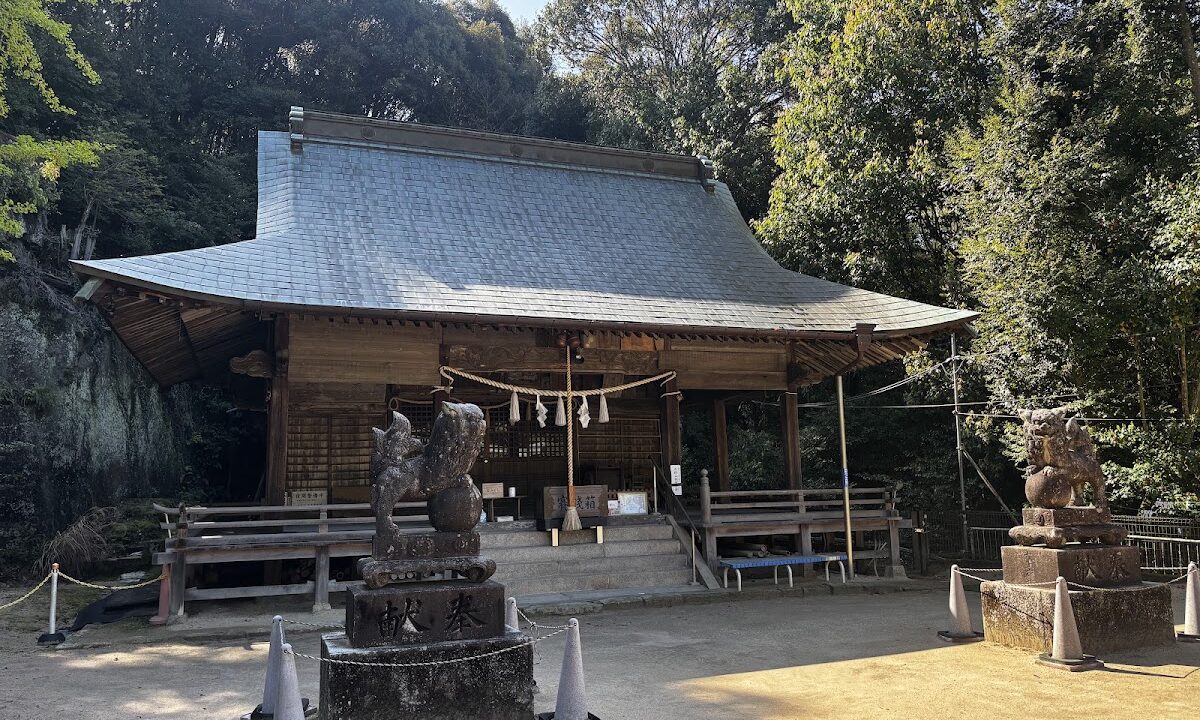
Shimizudani Shrine (Higashi-ku, Hiroshima City, Hiroshima Prefecture) Complete Guide | Deities, Access, and Goshuin Information
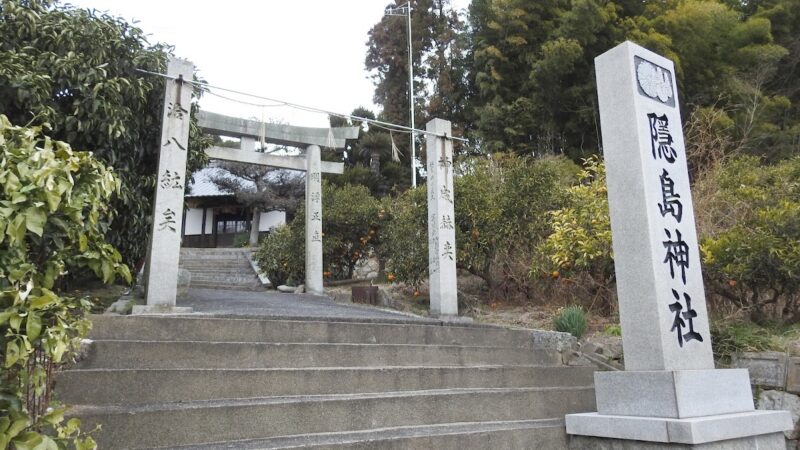
Shimizudani Shrine, located in Nukushina, Higashi-ku, Hiroshima City, is a historical shrine steeped in the legend of Empress Jingu. Quietly nestled within a residential area, this shrine is beloved by locals while also being a hidden power spot with unique attractions, such as a large rock where Empress Jingu is said to have stayed for three days.
This article provides detailed information you should know before visiting Shimizudani Shrine, including its history, enshrined deities, access methods, goshuin information, and highlights within the shrine grounds.
Basic Information about Shimizudani Shrine
Location
Official Address: 8-13-2 Nukushina, Higashi-ku, Hiroshima City, Hiroshima Prefecture
*Some map services may show “8-11-11,” but the official address is as above. Located in a quiet residential area of Nukushina, the surrounding environment is peaceful. ### Shrine Overview
- Shrine Rank: Village Shrine
- Founding: Details unknown (It is said to have been worshipped since ancient times)
- Main Features: Site associated with Empress Jingu, megalithic worship
Shimizutani Shrine has long been revered by local residents as the tutelary deity of the Onaka area. The shrine’s name, “Shimizutani,” is believed to originate from the fact that pure water once gushed forth in this area.
Deities Enshrined
The deities enshrined at Shimizutani Shrine are as follows:
Main Deity
Empress Jingu
Empress Jingu was the empress of the 14th Emperor Chuai and the mother of Emperor Ojin, a legendary figure. Known for the legend of her conquest of the Three Kingdoms of Korea, she is remembered in ancient Japanese history as a woman of exceptional bravery and strategic brilliance.
At Shimizutani Shrine, the legend of Empress Jingu’s visit to this area remains strong, and there is a legend that she spent three days on a large rock within the shrine grounds. Therefore, Empress Jingu is enshrined as the main deity, and the shrine is believed to offer blessings for safe childbirth, child-rearing, and victory.
Enshrined Deities
Other deities may also be enshrined here as guardian deities of the region, but for details, it is recommended to inquire at the shrine office.
History and Origins of Shimizutani Shrine
Legend of Empress Jingu
The most distinctive feature of Shimizutani Shrine is the legend surrounding Empress Jingu. Empress Jingu, as recorded in the Kojiki and Nihon Shoki, is said to have traveled to various places during her conquest of the Three Kingdoms of Korea, and there are many places associated with Empress Jingu along the Seto Inland Sea coast.
The Onaka area of Hiroshima is one such place, and a legend remains that Empress Jingu stopped here and stayed for three days on a large rock within the shrine grounds. This massive rock still remains on the shrine grounds and is an important object of worship.
Connection to the Community
The Onaka district has long been a thriving agricultural area, and Shimizuya Shrine has been revered as a guardian deity of abundant harvests and community safety. Even today, it remains the local tutelary shrine, attracting many worshippers during important life events such as New Year’s visits, Shichi-Go-San (a traditional rite of passage for children), and exorcisms.
Access Information
We will provide detailed information on how to access Shimizuya Shrine. Using public transportation, the bus is the most convenient option.
Access Information ### Nearest Station/Line
JR Geibi Line “Yaga Station”
- Distance: Approximately 2.5km
- Walking Time: Approximately 30-35 minutes
- Features: The closest train station, but walking takes time.
JR Sanyo Main Line/Kure Line “Tenjingawa Station”
- Distance: Approximately 3.8km
- Walking Time: Approximately 45-50 minutes
- Features: An option when accessing from a major station on the Sanyo Main Line.
Since it is a distance from the train station, we recommend using a taxi or bus.
Nearest Bus Stop and Route
Hiroshima Bus “Shimonukushina” Bus Stop
- Distance: Approximately 400m
- Walking: Approximately 5 minutes
- Routes Available: Various Hiroshima Bus routes
- Access: Most convenient public transport
From the Shimonukushina bus stop to Shimizuya Shrine, it’s about a 5-minute walk through a residential area. The path from the bus stop to the shrine is relatively flat, and you can arrive without getting lost by following the signs.
Other Bus Stops
There are several bus stops in the Nukushina area, accessible from Hiroshima Station, Fuchu, and other areas. It is recommended to check the Hiroshima Bus route map in advance.
Access by Car
- Approximately 5 minutes from Hiroshima Expressway Route 2 “Nukushina IC”
- Parking: Limited space available on the shrine grounds (details recommended upon arrival)
If accessing by car, you can access via the national highway from the Nukushina IC. However, since it is located in a residential area, there are some narrow roads, so please drive carefully.
Goshuin (Shrine Seal) Information
Goshuin are available at Shimizuya Shrine.
Characteristics of the Goshuin
According to visitor reports, the goshuin at Shimizuya Shrine are written directly at the shrine office. They feature the shrine’s name and the date of visit, and are characterized by their simple yet carefully written calligraphy.
Issuance Hours
- Shrine Office Hours: Approximately 9:00 AM to 5:00 PM (approximate)
- Notes: Since the shrine priest may not always be present, it is recommended to call ahead to confirm if you wish to receive a goshuin.
Special Offerings
During the COVID-19 pandemic, there were reports of the shrine offering “blessed masks” to visitors, demonstrating its thoughtful consideration for the times.
Manners for Receiving a Goshuin (Shrine Stamp)
- First, visit the main shrine before going to the shrine office.
- Prepare your goshuincho (stamp book) (confirm whether pre-written stamps are available).
- Prepare the offering fee in exact change (generally 300-500 yen).
- Request using polite language.
Highlights of the Shrine Grounds
Empress Jingu’s Giant Stone
The biggest highlight of Shimizuya Shrine is the large stone on the shrine grounds. This giant stone is a sacred rock on which Empress Jingu is said to have spent three days, and has been an object of worship since ancient times.
The stone is large enough for a person to lie down on, and despite being a natural stone, it has a surprisingly flat surface. It is said that by touching this stone, one can receive the divine blessings of Empress Jingu.
Main Shrine and Worship Hall
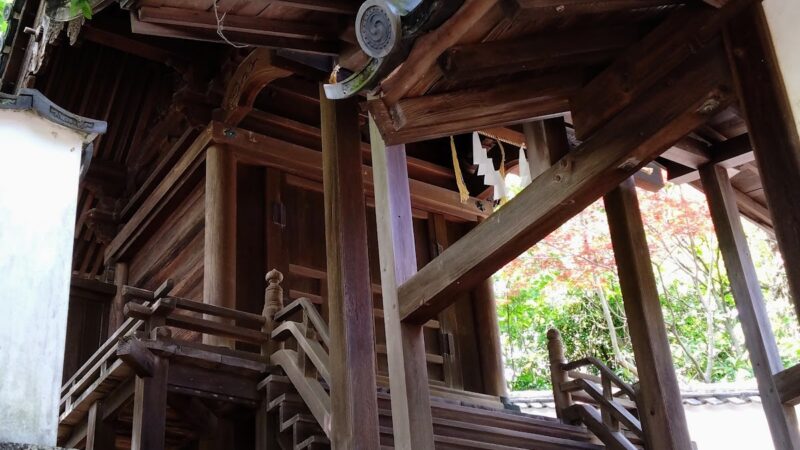
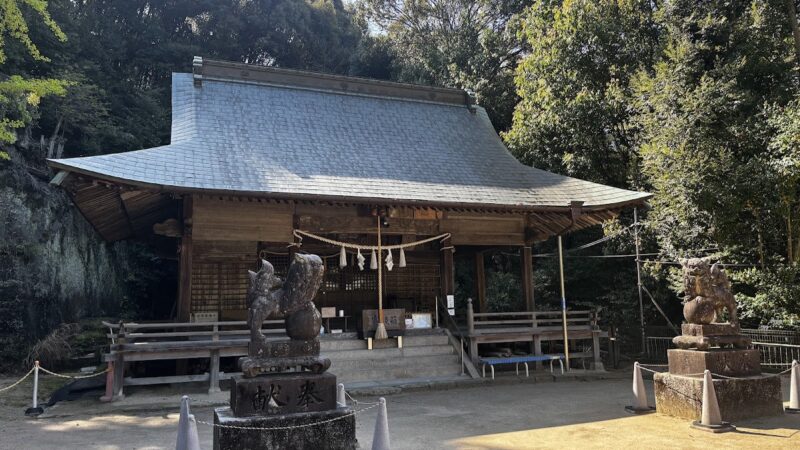
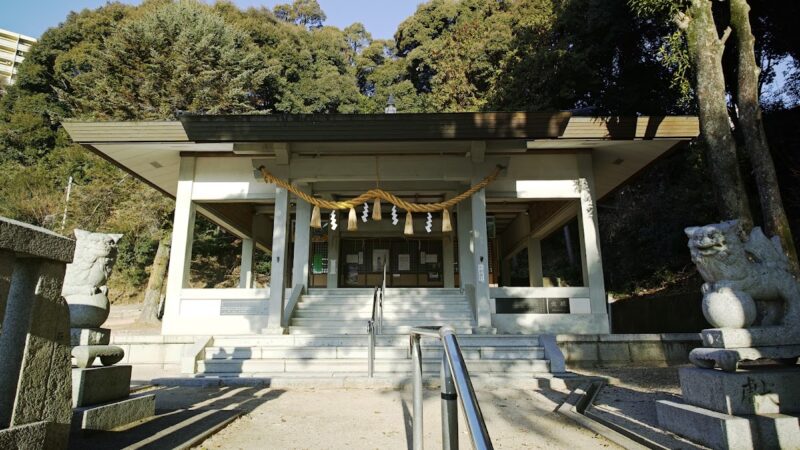
The shrine buildings of Shimizuya Shrine maintain a traditional shrine architectural style while exhibiting a simple appearance befitting a local shrine. The shrine is regularly maintained, reflecting the respect the local people have for it.
Nature within the Shrine Grounds
Despite being located in a residential area, the shrine grounds are lush with trees, creating a tranquil atmosphere. Especially during the seasons of fresh greenery in spring and vibrant autumn foliage, it becomes a healing space that makes you forget the hustle and bustle of the city.
Guardian Dogs and Lanterns
The shrine grounds are dotted with old guardian dogs and stone lanterns, evoking a sense of history. These offerings show how the local people have cherished the shrine for many years.
List of Festivals and Events (2026)
Shimizuya Shrine holds the following festivals and events throughout the year.
Main Annual Events
January
- New Year’s Day Festival (January 1st): A festival celebrating the New Year. The shrine is bustling with many New Year’s visitors.
- Tondo Festival (mid-January): A traditional event where New Year’s decorations and amulets are burned.
February
- Setsubun Festival (around February 3rd): An exorcism ritual involving bean-throwing.
Spring
- Spring Festival: An important festival praying for the safety of the community and a bountiful harvest.
Autumn
- Autumn Festival: A festival expressing gratitude for the harvest and praying for the prosperity of the community.
November
- Shichi-Go-San Festival: Many visitors come to celebrate the growth of children, mainly in November.
December
- Year-End Grand Purification Ceremony (December 31st): A Shinto ritual to purify and cleanse away the impurities of the year.
*Specific dates and times may vary from year to year. Please contact the shrine in advance if you wish to participate.
Benefits of Visiting the Shrine
Benefits believed to be received at Shimizuya Shrine:
Main Benefits
- Safe Childbirth and Child-rearing: Due to Empress Jingu’s safe delivery of Emperor Ojin.
- Victory and Military Fortune: In honor of Empress Jingu’s bravery in successfully conquering the Three Kingdoms of Korea.
- Family Safety: As the local guardian deity, it protects the peace and safety of the home.
- Protection from Evil and Disaster: Drives away evil spirits and protects from disaster.
- Matchmaking: For successful relationships and marital harmony.
Manners and Precautions When Visiting the Shrine
Basic Worship Etiquette
- Bow before passing through the torii gate.
- Purify yourself at the water basin. (Right hand → Left hand → Mouth → Left hand → Handle of the ladle)
- Avoid walking in the center of the path.
- Two bows, two claps, one bow in front of the main hall
Precautions
- Please refrain from loud conversations as the shrine is located in a residential area.
- The shrine grounds are a sacred place; please take your trash with you.
- Photography is permitted, but please be considerate of other worshippers.
- When touching the large stones, please do so respectfully and carefully.
Nearby Attractions
History of the Nukushina Area
The name Nukushina is believed to have originated from the ancient meaning of “warm land,” and the area has developed as a warm and pleasant place to live. The surrounding area has numerous ruins from the Kofun period, indicating its long history.
Nearby Shrines and Temples
Hiroshima City’s Higashi Ward has many other shrines and temples, making it a great place to enjoy a shrine tour. If you have time, a “Higashi Ward Shrine Tour” visiting multiple shrines is highly recommended.
Points to Note When Visiting Shimizuya Shrine
Recommended Time to Visit
- New Year’s Visit (January 1st-3rd): Ideal for New Year’s prayers
- Spring Festival: Experience the atmosphere of a local festival
- Autumn Festival: Participate in a harvest thanksgiving celebration
- Weekday Mornings: Recommended for those who want to visit in peace
Estimated Time Required
- Visiting the Shrine Only: 15-20 minutes
- Including a Stroll Through the Grounds: 30-40 minutes
- Including Receiving a Goshuin (Shrine Seal): 40-50 minutes
Regarding Attire
There are no specific dress code requirements, but please wear clean clothing appropriate for visiting a shrine. When viewing the large rocks, stable footwear is recommended.
Map and Access Details
The following map services are useful for finding the location of Shimizutani Shrine:
- Google Maps: Search for “Shimizutani Shrine Hiroshima”
- Yahoo! Maps: Allows you to check detailed surrounding information as well
- NAVITIME: Convenient for route searching using public transportation
You can easily use your smartphone’s map app to get route guidance from your current location.
Summary
Shimizutani Shrine is a historical shrine associated with Empress Jingu, located in Onaka, Higashi-ku, Hiroshima City. Despite being in a residential area, it is a fascinating shrine with unique attractions, including a large rock where Empress Jingu is said to have spent three days. It attracts attention not only from local residents but also from visitors interested in history and shrines.
Access is convenient, about a 5-minute walk from the Hiroshima Bus “Shimo-Onaka” bus stop. Goshuin (shrine stamps) are also available. Why not visit and seek blessings for safe childbirth, child-rearing, and good fortune?
Spending time in the tranquil grounds, reflecting on the legend of Empress Jingu, will be a precious moment that allows you to forget the hustle and bustle of everyday life. When you visit Higashi Ward in Hiroshima City, be sure to stop by Shimizuya Shrine.