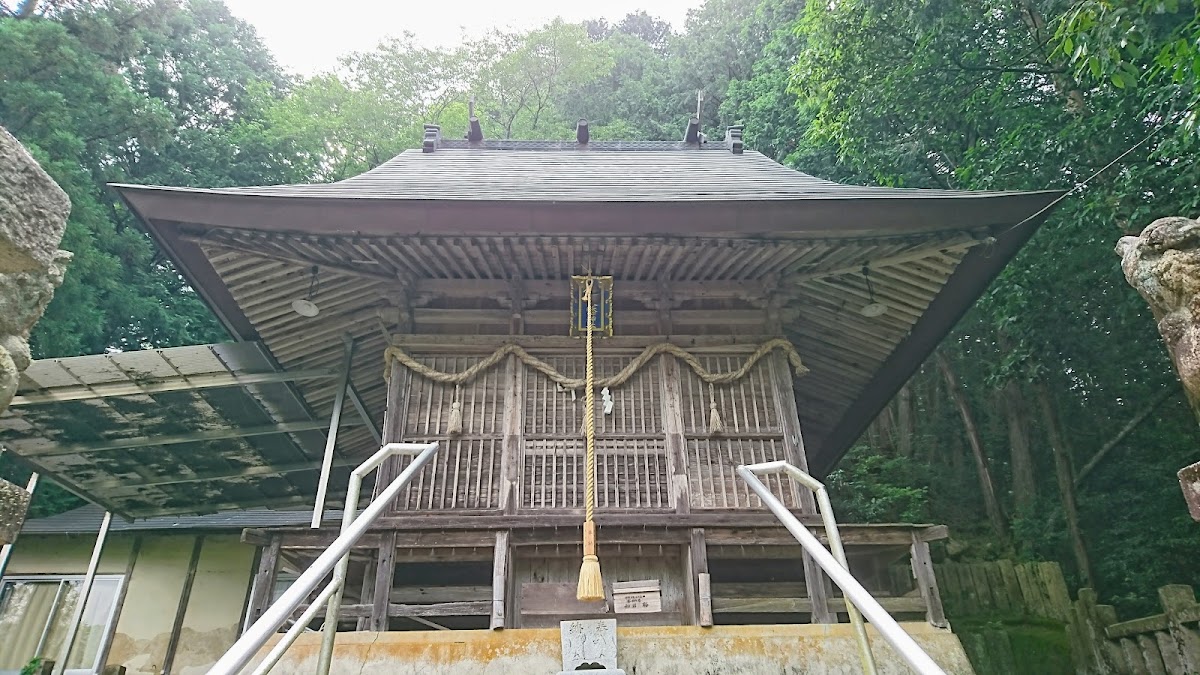
Complete Guide to Kusa Hachiman Shrine (Hiroshima Prefecture) | History, Deities, Benefits, and Access Information
Kusa Hachiman Shrine, located in Miyoshi City, Hiroshima Prefecture, is a historic shrine that has long been cherished by the local community. This article provides detailed information useful for those considering visiting Kusa Hachiman Shrine, including its history, enshrined deities, benefits, annual events, and access methods.
About Kusa Hachiman Shrine
Kusa Hachiman Shrine is a Hachiman shrine located in Kounu-cho, Miyoshi City, Hiroshima Prefecture. There are said to be approximately 44,000 Hachiman shrines nationwide, making it one of the most numerous types of shrines in Japan, with Emperor Ojin as its principal deity. Kusa Hachiman Shrine is also a shrine based on this Hachiman faith and has long been revered as the local guardian deity.
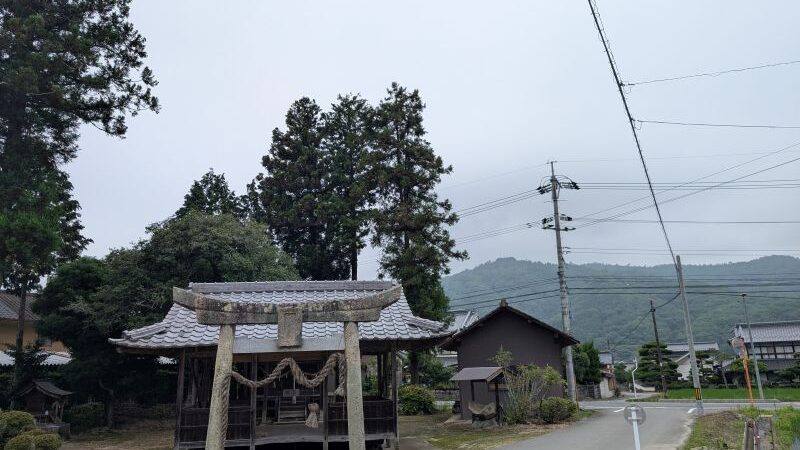
Kounu-cho in Miyoshi City is located in the northeastern part of Hiroshima Prefecture and is known as a region rich in nature. Several shrines are scattered throughout this region, and Kusa Hachiman Shrine is one of the most central shrines in the faith of the local residents.
History and Origins of Kusa Hachiman Shrine
Origin of Founding
While the exact founding date of Kusa Hachiman Shrine is unclear due to the loss of ancient documents, local traditions suggest it has been located in this area since ancient times. It is believed that a Hachiman shrine was established in this region during the Heian and Kamakura periods, when Hachiman worship spread nationwide.
Connection to the Community
Kusa Hachiman Shrine has been deeply intertwined with the lives of the local people as the tutelary shrine of the Kusa district in Kounu Town. Given the region’s thriving agriculture, it has also served as a shrine for praying for abundant harvests. Furthermore, it has been cherished across generations as a place of worship for important local festivals and significant life events.
History Since the Modern Era
Even during the Meiji era’s decree consolidating shrines, Kusa Hachiman Shrine survived as a central shrine in the region. After the war, it was carefully preserved by local residents, who maintained the shrine grounds and continued the traditions of festivals. Currently, it is maintained and managed by the local parishioners’ organization, and traditional festivals are being passed down.
Deities and Divine Virtues
Main Deities
Following the general structure of Hachiman shrines, the main deities enshrined at Kusa Hachiman Shrine are believed to be the following:
Emperor Ōjin
The 15th Emperor, widely worshipped as Hachiman-sama. While possessing characteristics of a god of war, he is also revered as a god of national protection and industrial development.
Empress Jingū
The mother of Emperor Ōjin, known for the legend of the conquest of the Three Kingdoms of Korea. She is worshipped as a god of safe childbirth and child-rearing.
Hime-Ōkami
Often identified with one of the Munakata Three Goddesses, she is known as the goddess of maritime safety and traffic safety.
Benefits
Kusa Hachiman Shrine is believed to offer the following benefits:
- Protection from Misfortune and Good Fortune: Warding off misfortune and inviting good fortune
- Family Safety: Protecting the health and safety of the family
- Abundant Harvest: Praying for a bountiful harvest
- Business Prosperity: Development and prosperity of business
- Traffic Safety: Safety of travel and daily traffic
- Prayer for Safe Childbirth: Health of pregnant women and fetuses
- Protection of Child-Rearing: Healthy growth of children
- Academic Achievement: Improvement in studies and passing examinations
Highlights of the Shrine Grounds
Shrine Buildings
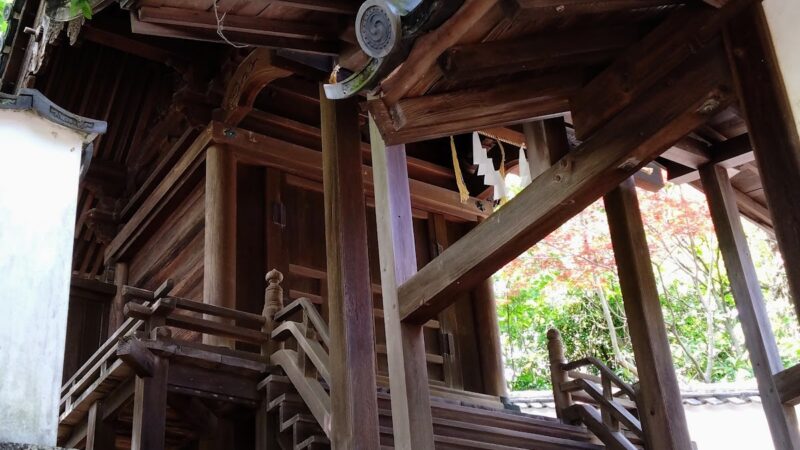
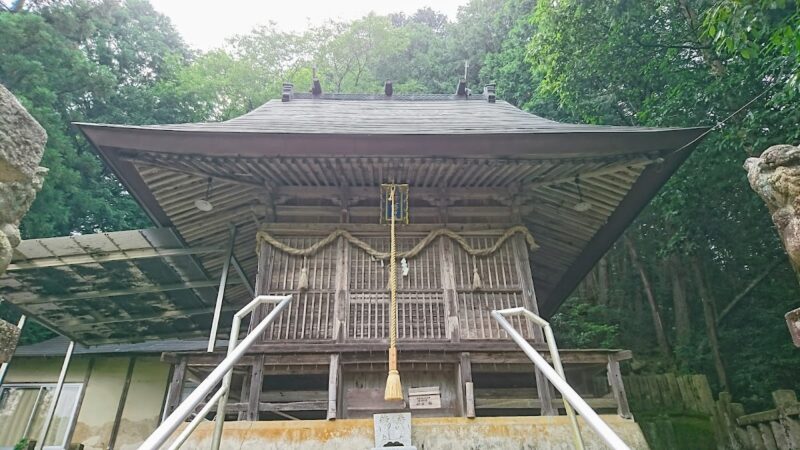
The shrine buildings of Kusa Hachiman Shrine are built in the traditional style of Shinto shrine architecture. Composed of a worship hall and a main hall, they are carefully maintained by the local parishioners. Surrounding the shrine are ancient trees, creating a sacred atmosphere.
Nature within the Shrine Grounds
The shrine grounds are surrounded by abundant nature, allowing visitors to enjoy the scenery of each season. Cherry blossoms bloom in spring, the area is enveloped in deep green in summer, the autumn leaves are beautiful, and a tranquil atmosphere prevails in winter. The environment is perfect for peaceful worship amidst nature.
Stone Steps and Approach
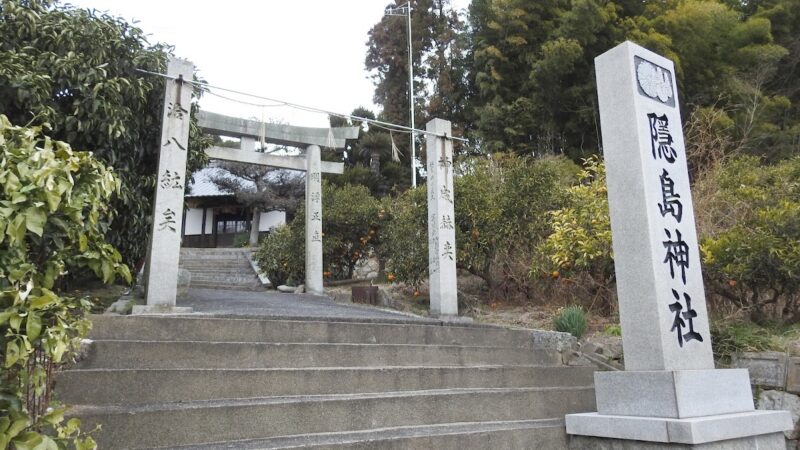
The approach to the shrine consists of stone steps that evoke the history of the region. Climbing these steps step by step as you worship allows your mind to be guided to a sacred space, far removed from everyday life.
Annual Events and the Grand Festival
Grand Festival
At Kusa Hachiman Shrine, the Grand Festival is held every autumn. This is the most important festival for the shrine, and many parishioners and local residents attend. After the Shinto rituals, traditional local performing arts are sometimes offered, making it a place for the transmission of local culture.
New Year’s Events
At the start of the new year, worshippers visit shrines for their first shrine visit of the year, praying for safety and well-being throughout the year. Shinto rituals such as the New Year’s Day Festival and the New Year’s Day Ceremony are held, welcoming the start of the new year together with the gods.
Other Festivals
In addition to the Spring and Autumn Festivals, monthly festivals are held regularly. Personal prayers for life’s milestones, such as Shichi-Go-San (a traditional rite of passage for children) and exorcisms, are also accepted.
Etiquette and Manners for Visiting a Shrine
Basic Etiquette for Visiting a Shrine
The following are basic manners to observe when visiting a shrine.
- Bow before passing through the torii gate: As a sign of respect before entering the sacred area, bow before the torii gate.
- Walking along the approach: The center of the approach is considered the path of the gods, so walk along the sides.
- Procedure for purification: Purify your body and mind at the purification fountain.
- Take the ladle with your right hand and purify your left hand.
- Switch the ladle to your left hand and purify your right hand.
- Switch the ladle back to your right hand, receive water in your left hand, and rinse your mouth.
- Finally, stand the ladle upright to purify the handle.
- Worship at the main hall: Worship using the two bows, two claps, and one bow method.
Attire for worship
While everyday clothing is acceptable, clean and respectful attire is preferred. Especially if receiving prayers, try to dress appropriately.
Photography
Photography is generally permitted within the shrine grounds, but there are places and times when photography is prohibited, such as inside the main hall or during Shinto rituals. If you are unsure, please check with the shrine office.
Access Information
Location
Konu-cho, Miyoshi City, Hiroshima Prefecture
Access by Car
Using the Chugoku Expressway
- Approximately 30 minutes from the Miyoshi IC on the Chugoku Expressway
- Approximately 20 minutes from the Kisa IC on the Matsue Expressway
Regarding parking, temporary parking may be provided during events such as the annual festival. For regular parking, it is recommended to check in advance.
Access by Public Transportation
Using JR
- The nearest station is Konu Station on the JR Geibi Line
- Access from the station is by foot or taxi
Public transportation is limited, so it is recommended to check the timetable in advance.
Nearby Tourist Attractions
The following tourist attractions are located around Konu-cho, Miyoshi City.
- Kōnu Lake: Enjoy the beautiful lakeside scenery.
- Michi-no-Eki Yumeland Funo: Purchase local specialty products.
- Miyoshi Winery: A facility where you can enjoy Hiroshima wine (in the center of Miyoshi City).
Prayers and Sacred Rites at Kusa Hachiman Shrine
Available Prayers
Kusa Hachiman Shrine accepts the following prayers and sacred rituals:
- Prayers for protection against misfortune
- Prayers for family safety
- Prayers for business prosperity
- Prayers for traffic safety
- Prayers for safe childbirth
- First shrine visit for a newborn
- Shichi-Go-San (7-5-3) ceremony
- Prayers for passing exams
How to Apply for Prayers
If you wish to have a prayer performed, we recommend contacting the shrine by phone in advance to confirm the date and time. Especially during periods when events such as the annual festival are taking place, it may be difficult to accommodate your request.
Regarding the Offering Fee
Please contact the shrine directly regarding the offering fee for prayers. Generally, the amount varies depending on the content of the prayer.
Amulets and Souvenirs
Kusa Hachiman Shrine offers various amulets and souvenirs for visitors.
Main Amulets
- Exorcism Amulet: For those in their unlucky year or those wishing for exorcism.
- Traffic Safety Amulet: For safe driving and cycling.
- Academic Success Amulet: For students and those taking exams who wish to achieve academic success.
- Safe Childbirth Amulet: For pregnant women who wish for a safe childbirth.
- Family Safety Amulet: For the health and safety of all family members.
About Goshuin (Shrine Seals)
Please inquire directly with the shrine regarding the issuance of Goshuin. It is recommended to check in advance, as they may not be able to assist if the chief priest is absent.
The Charm of Kusa Hachiman Shrine
A Faith Rooted in the Community
The greatest charm of Kusa Hachiman Shrine is that it is a place of faith deeply rooted in the community. Unlike large shrines in urban areas, this is a warm and welcoming shrine closely connected to the lives of the local people.
Quiet Worship Environment
Because it’s not a tourist destination, you can worship in a quiet and peaceful atmosphere. You can escape the hustle and bustle and have time to slowly connect with the deities.
Harmony with Nature
The shrine grounds, surrounded by abundant nature, showcase the beauty of each season. It’s a place where you can heal your mind and refresh yourself in nature.
Precautions for Visiting
Visiting Hours
While entry to the shrine grounds is generally free, please refrain from visiting early in the morning or late at night. Since the shrine office has limited opening hours, please check in advance if you wish to receive a Goshuin (shrine stamp) or prayers.
Parking Information
Parking space is limited, so congestion is expected during events such as the annual festival. We recommend visiting with plenty of time to spare.
Manners on the Shrine Grounds
- Please refrain from loud conversations.
- Please take all your trash with you.
- Please observe the no-smoking policy.
- If you bring a pet, please be considerate of other visitors.
- Remember that this is a sacred place and act with respect.
Local History and Culture
About Konu-cho, Miyoshi City
Konu-cho, Miyoshi City, is a naturally rich area located in the northeastern part of Hiroshima Prefecture. Formerly belonging to Konu District, it became part of Miyoshi City through a municipal merger in 2004. Agriculture is the main industry, and a peaceful rural landscape stretches across the area.
Local Traditional Culture
Konu-cho has a long tradition of festivals and events, including the annual festival of Kusa Hachiman Shrine. These events form the identity of the region and serve as a place for intergenerational exchange.
Kusa Hachiman Shrine and Hachiman Faith
What is Hachiman Faith?
Hachiman faith is a uniquely Japanese faith that enshrines Emperor Ojin as its principal deity. From the Nara period to the Heian period, it spread throughout Japan, becoming widely worshipped as a guardian deity of samurai families and also among common people.
Connections with Hachiman Shrines Nationwide
Kusa Hachiman Shrine is one of the Hachiman shrines nationwide, with Usa Jingu Shrine in Oita Prefecture as its head shrine. While each region has developed uniquely, they share the common foundation of Hachiman worship.
Voices and Experiences of Visitors
Voices of Local Residents
For local residents, Kusa Hachiman Shrine is a cherished place they have known since childhood. Many have deep emotional attachments to the shrine, visiting it at important life events such as their child’s first shrine visit, Shichi-Go-San (a traditional rite of passage for children), and exorcisms.
Visitor Impressions
Visitors from afar often comment on its “quiet and peaceful atmosphere” and describe it as a “beautiful shrine surrounded by nature.” Its simple and warm atmosphere, unlike large-scale tourist shrines, is its charm.
Summary
Kusa Hachiman Shrine is a historic shrine located in Konu-cho, Miyoshi City, Hiroshima Prefecture. It has long been revered as the local guardian deity and is still carefully preserved by the local people.
Based on the Hachiman faith, with Emperor Ojin as the main deity, it is believed to offer various blessings, including protection from evil, good fortune, family safety, and abundant harvests. The quiet grounds, surrounded by abundant nature, provide an ideal environment for peaceful worship.
Access is convenient by car, approximately 30 minutes from the Miyoshi IC on the Chugoku Expressway or the Kisa IC on the Matsue Expressway. If using public transportation, the nearest station is Konu Station on the JR Geibi Line.
Unlike large shrines in urban areas, it is a warm, community-rooted shrine. When visiting Miyoshi City, be sure to visit Kusa Hachiman Shrine. You will be able to spend a peaceful time in its tranquil environment.
When visiting, please be mindful of the sacredness of the shrine and observe proper etiquette. Contacting them in advance will allow you to have a more fulfilling pilgrimage experience.