Nagatsuka Shrine (Hiroshima Prefecture) Complete Guide | History, Goshuin (Shrine Seals), Access, and the Atomic Bomb Survivor Main Hall: A Thorough Explanation
Nagatsuka Shrine, located in Nagatsuka, Asaminami Ward, Hiroshima City, boasts a history of over 1150 years. Its main hall, which withstood the atomic bomb blast, still stands today, making it a deeply rooted local shrine. Formerly known as Nagatsuka Hachimangu, it has been revered as the guardian deity of the region. This article comprehensively covers everything you need to know before visiting Nagatsuka Shrine, including its detailed history, enshrined deities, goshuin (shrine seals), access methods, and highlights.
Nagatsuka Shrine, located in Nagatsuka, Asaminami Ward, Hiroshima City, has a history of over 1150 years. Its main hall, which survived the atomic bomb blast, remains to this day. ## Basic Information about Nagatsuka Shrine
Location: 1-32-16 Nagatsuka, Asaminami-ku, Hiroshima City, Hiroshima Prefecture
Phone Number: 082-239-2522
Postal Code: 731-0135
Nearest Station: Approximately 9 minutes on foot (approx. 700m) from Aki-Nagatsuka Station on the JR Kabe Line
Parking: Available (several spaces on the shrine grounds)
Nagatsuka Shrine is located in a residential area near the north side of the Ota River, offering a peaceful environment for worship. It is easily accessible, located approximately 9 minutes on foot east from Aki-Nagatsuka Station on the JR Kabe Line.
History and Origins of Nagatsuka Shrine
From Founding to Relocation to Current Location
The history of Nagatsuka Shrine dates back to the Heian period. According to its history, the shrine’s origins date back to Jōgan 12th year, September 28th (870 AD) when it was established on Ōtoshiyama Mountain in Nagatsuka-nishi. This period coincided with the reign of Emperor Seiwa, the mid-Heian period.
Initially located on Ōtoshiyama Mountain, it was moved to its current location in Bunsei 11th year, April (1828) during the reign of Emperor Ninkō. At the time of this relocation and reconstruction, it was initially called “Nagatsuka Hachiman-gū“. As the name Hachiman-gū suggests, it was a shrine deeply rooted in the region as a Hachiman worship site with Emperor Ōjin as its principal deity.
Changes after the Meiji Era
In Meiji 6th year (1873), the shrine’s name was changed from “Nagatsuka Hachiman-gū” to “Nagatsuka Shrine“. This was part of the Meiji government’s reorganization of the shrine system and coincides with the period when many Hachiman-gū shrines were renamed to Shinto shrines.
Atomic Bombing Damage and Reconstruction
On August 6, 1945, the atomic bomb was dropped on Hiroshima, and Nagatsuka Shrine was also damaged. Despite being approximately 4.5 km from the hypocenter, the main hall withstood the blast and remains in its original form to this day. After the war, the shrine grounds were temporarily in ruins, but through the efforts of local residents, it was restored and continues to this day.
Deities and Divine Virtues
Nagatsuka Shrine enshrines three deities central to Hachiman worship.
Main Deities
Tarashinakatsuhiko-no-Mikoto – Emperor Chuai
The 14th Emperor and husband of Empress Jingu. Revered as the god of national peace and military success.
Homudawake-no-Mikoto – Emperor Ojin
The 15th Emperor and the original form of Hachiman. Widely worshipped as the god of war and industrial development.
Okinagatarashihime-no-Mikoto – Empress Jingu
Empress of Emperor Chuai and mother of Emperor Ojin. Known as the goddess of safe childbirth, child-rearing, and victory.
These three deities are often enshrined together as the “Three Hachiman Gods,” and are believed to bestow a wide range of divine blessings, including military fortune, national protection, safe childbirth and child-rearing, and industrial development.
Highlights of the Shrine Grounds
Main Hall as an Atomic Bomb Survivor
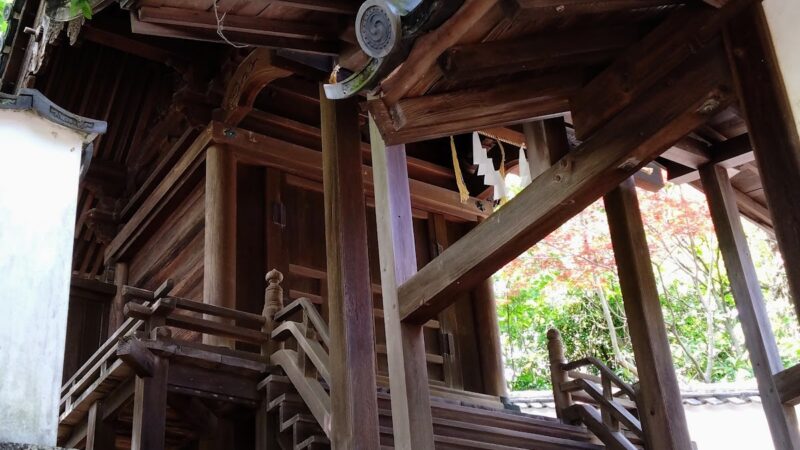
The most noteworthy feature of Nagatsuka Shrine is its main hall, which withstood the atomic bomb blast. It is featured on the official Hiroshima City website and possesses invaluable historical value as an atomic bomb survivor.
The main hall, believed to have been built during the relocation and reconstruction in 1828, has a history of approximately 200 years. Located approximately 4.5 km from the hypocenter when the atomic bomb was dropped on August 6, 1945, this main hall survived the intense blast without collapsing. It still retains its original appearance and is a valuable structure that conveys the history of Hiroshima’s atomic bombing.
The Sacred Ginkgo Tree
A magnificent giant ginkgo tree stands tall within the shrine grounds. This ginkgo is said to have been planted in 1828 (Bunsei 11), during the relocation and reconstruction of the shrine, and is a giant tree over 190 years old.
In autumn, it turns golden, beautifully coloring the shrine grounds. This ginkgo tree is also a tree that survived the atomic bomb blast, and is cherished by many visitors as a living witness to the history of Nagatsuka Shrine.
The Worship Hall and Shrine Architecture
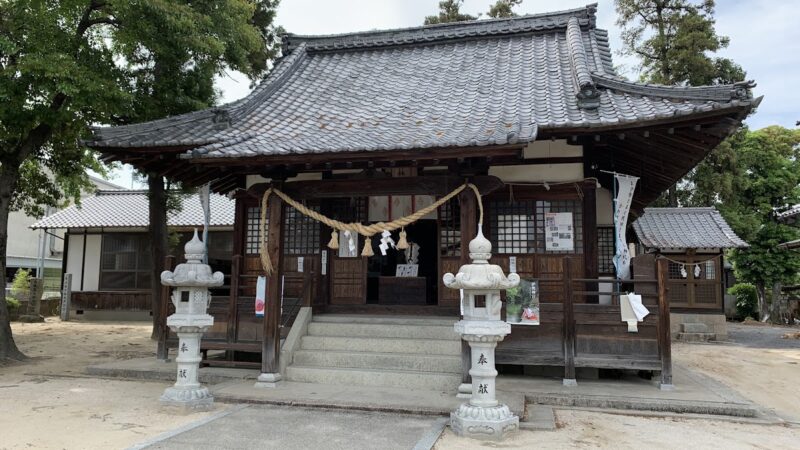
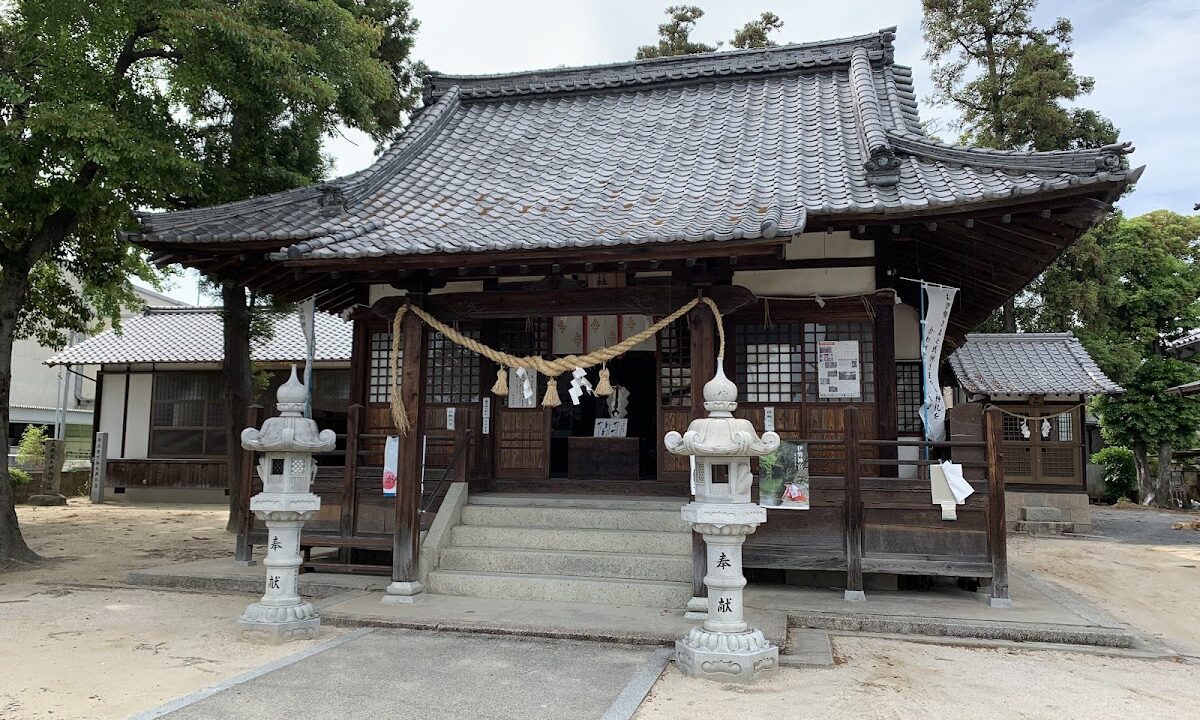
The worship hall is located in front of the main shrine, where visitors offer their prayers. The shrine grounds are neatly maintained, and a clean atmosphere is preserved. Despite being located in a residential area, entering the shrine grounds envelops you in a tranquil atmosphere, creating a peaceful space.
Shrine Precincts and Stone Sculptures
Around the main shrine building, there are also subsidiary shrines and stone sculptures. Items such as guardian lion-dogs and stone lanterns, donated from the Edo to Meiji periods, remain, testifying to the deep faith of the local people.
About Goshuin (Shrine Seals)
Goshuin (shrine seals) are available at Nagatsuka Shrine.
Goshuin Reception
Reception Hours: Usually during the day (It is recommended to confirm details by phone in advance)
Offering Fee: Typical market rate (around 300-500 yen)
Location: At the shrine office
The goshuin features the calligraphy of “Nagatsuka Shrine” and the shrine’s seal. It is characterized by its simple yet powerful brushstrokes. Those collecting goshuin should definitely get one as a memento of their visit.
Points to Note When Receiving a Goshuin (Shrine Stamp)
- Since the chief priest may be absent, it is recommended to call ahead to confirm if you wish to receive one.
- A Goshuin is proof of your visit, so be sure to pray before receiving it.
- Bringing your Goshuincho (stamp book) is recommended.
Access Method
Access by Train
Approximately 9 minutes on foot from JR Kabe Line “Aki-Nagatsuka Station”
Exit Aki-Nagatsuka Station and head east. Walk through the residential area for about 700m to reach Nagatsuka Shrine. The route is relatively easy to follow, and there are signs along the way.
From Hiroshima Station:
- Take the JR Sanyo Main Line to Yokogawa Station (approx. 5 minutes)
- Transfer to the JR Kabe Line
- Get off at Aki-Nagatsuka Station (approx. 10 minutes from Yokogawa Station)
- Arrive in approximately 9 minutes on foot
Access by Car
From Hiroshima City Center
- Head north on National Route 54 towards Nagatsuka
- Travel time: Approximately 20-30 minutes (may vary depending on traffic conditions)
Parking: There are several parking spaces on the shrine grounds. However, during busy periods such as New Year’s Day, the parking lot may be full, so please consider using public transportation.
Access by Bus
Hiroshima Bus routes are also available. The nearest bus stop is within walking distance. For detailed bus routes, please check the Hiroshima Bus official website.
Annual Events and Festivals
Nagatsuka Shrine holds various Shinto rituals and festivals throughout the year.
Main Annual Events
Hatsumode (January 1st-3rd)
The shrine is bustling with worshippers praying for happiness in the new year. Many local residents visit to pray for safety throughout the year.
Setsubun Festival (around February 3rd)
Traditional events such as bean-throwing are held.
Reitaisai (Autumn)
The most important festival of Nagatsuka Shrine. It is a community-wide festival, and sometimes includes a portable shrine procession.
Shichi-Go-San (November)
This is a time when many people visit to celebrate Shichi-Go-San, a celebration of children’s growth.
Oharai (June & December)
A Shinto ritual to purify oneself of sins and impurities accumulated over the past six months.
Nearby Attractions and Shrines/Temples
There are other shrines and temples worth visiting around Nagatsuka Shrine.
Fudoin Temple
Located relatively close to Nagatsuka Shrine, Fudoin Temple is an ancient Shingon Buddhist temple boasting a National Treasure, the Golden Hall. Known as a valuable structure that withstood the atomic bomb, it’s a popular destination for those visiting both Nagatsuka Shrine and Fudoin Temple.
Other Nearby Shrines
There are several other historical shrines scattered throughout Asaminami Ward. If you have time, a shrine tour is highly recommended.
Manners and Points for Visiting Shrines
Basic Shrine Etiquette
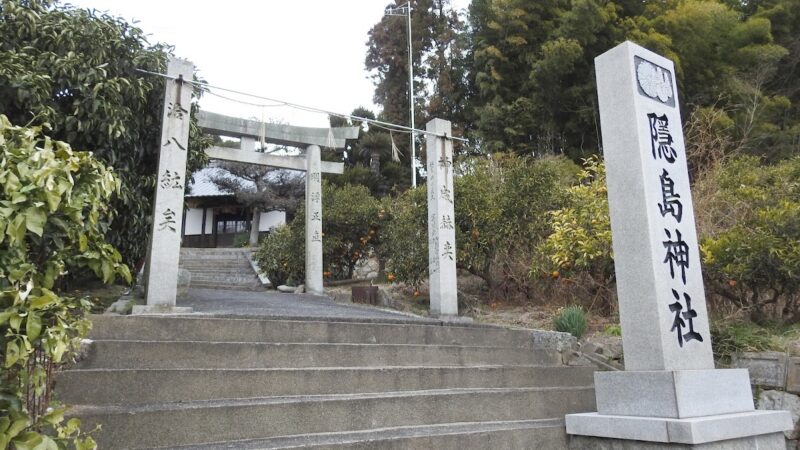
- Bow Before Passing Through the Torii Gate
As a sign of respect before entering the sacred area, bow before the torii gate.
- Purify at the Water Basin
Purify your left hand, then your right hand, and then your mouth.
- Worship at the Main Hall
Two bows, two claps, and one bow are the basic rituals.
- Be Quiet on the Shrine Grounds
As the shrine is located in a residential area, be especially mindful of noise. ### Regarding Photography
Photography is generally permitted within the shrine grounds, but please refrain from taking photos in sacred areas such as the interior of the main hall, or obtain permission beforehand. Please also be considerate of other visitors.
The Charm and Value of Visiting Nagatsuka Shrine
Layers of History
The greatest charm of Nagatsuka Shrine lies in its layers of history spanning over 1150 years, from its founding in the Heian period to the present day. Founded in 870 AD, relocated in 1828, and having endured the historical turning points of the atomic bombing and subsequent reconstruction, it continues to exist as a center of local faith.
Value as an Atomic Bomb Survivor
The main hall, which withstood the blast of the atomic bomb, is a valuable structure that conveys the history of Hiroshima’s atomic bombing. Its survival amidst the collapse of many other buildings is nothing short of miraculous. It is a place worth visiting, especially for those contemplating peace.
A Faith Rooted in the Community
Nagatsuka Shrine is a community-based shrine that has not been commercialized for tourism. Therefore, you can experience the everyday aspects of faith. The sight of local people visiting daily and carefully preserving the shrine reveals the essence of Japanese shrine faith.
Beauty in the Seasons
The shrine grounds feature nature that reflects the changing seasons, including a large ginkgo tree over 190 years old. Especially during the autumn foliage season, the golden ginkgo leaves beautifully adorn the grounds, captivating visitors.
History and Culture of the Nagatsuka Region
The Nagatsuka region, where Nagatsuka Shrine is located, has long developed as a transportation hub in the Ota River basin. During the Edo period, it flourished as an agricultural area, and Nagatsuka Shrine (then Nagatsuka Hachimangu Shrine) played an important role as a spiritual pillar of the region.
Even amidst the wave of modernization after the Meiji Restoration, Nagatsuka Shrine continued to be preserved as a symbol of the region’s identity. During the post-war period of rapid economic growth, the area was developed into a residential area, but the shrine remained at the heart of the community, serving as a spiritual anchor for residents.
Voices of Visitors
Many visitors have shared various impressions of Nagatsuka Shrine.
“Despite being located in a residential area, entering the shrine grounds envelops you in a quiet and peaceful atmosphere.”
“Seeing the main hall, a building that survived the atomic bombing, made me appreciate the preciousness of peace anew.”
“The well-maintained grounds convey how much the shrine is loved by the local people.”
“The large ginkgo tree in autumn is truly beautiful and makes for a great photo spot.”
These comments reveal the multifaceted charm of Nagatsuka Shrine.
Best Season to Visit Nagatsuka Shrine
Nagatsuka Shrine is open for visits throughout the year, but here are some particularly recommended times:
Spring (March-May)
The season of fresh greenery envelops the shrine grounds in a refreshing atmosphere. The pleasant weather makes it ideal for visiting.
Autumn (October-November)
This is the most recommended time to visit. The 190-year-old ginkgo tree turns golden, making the shrine grounds the most beautiful. Mid-to-late November is the best time to see it.
New Year’s Visit (January 1st-3rd)
If you wish to pray for happiness in the new year, visit during the New Year’s visit period. You can experience the atmosphere of welcoming the new year together with the local people.
Summary: The Significance of Visiting Nagatsuka Shrine
Nagatsuka Shrine is a treasure trove of history and faith, quietly nestled in a residential area of Asaminami Ward, Hiroshima City. For over 1150 years since its founding in the Heian period, it has continued to attract the faith of the people of this region.
The main hall, built when the shrine was relocated to its current location in 1828, withstood the blast of the atomic bomb and still retains its original form. Its value as an atomic bomb-surviving structure is indispensable when discussing the history of Hiroshima.
With its over 190-year-old ginkgo tree, its deep-rooted community faith, and its beauty throughout the seasons, Nagatsuka Shrine possesses a simple and warm charm that large-scale tourist shrines lack.
Its convenient location, just a 9-minute walk from Aki-Nagatsuka Station on the JR Kabe Line, is another attractive feature. When you visit Hiroshima, be sure to stop by Nagatsuka Shrine and experience its history and tranquil atmosphere. Receiving a Goshuin (shrine stamp), offering prayers at the main hall (a building that survived the atomic bombing), and taking a deep breath beneath the giant ginkgo tree—such moments will surely become a memorable experience.
Nagatsuka Shrine is a special place filled with the memories and prayers of the community, connecting the past, present, and future.