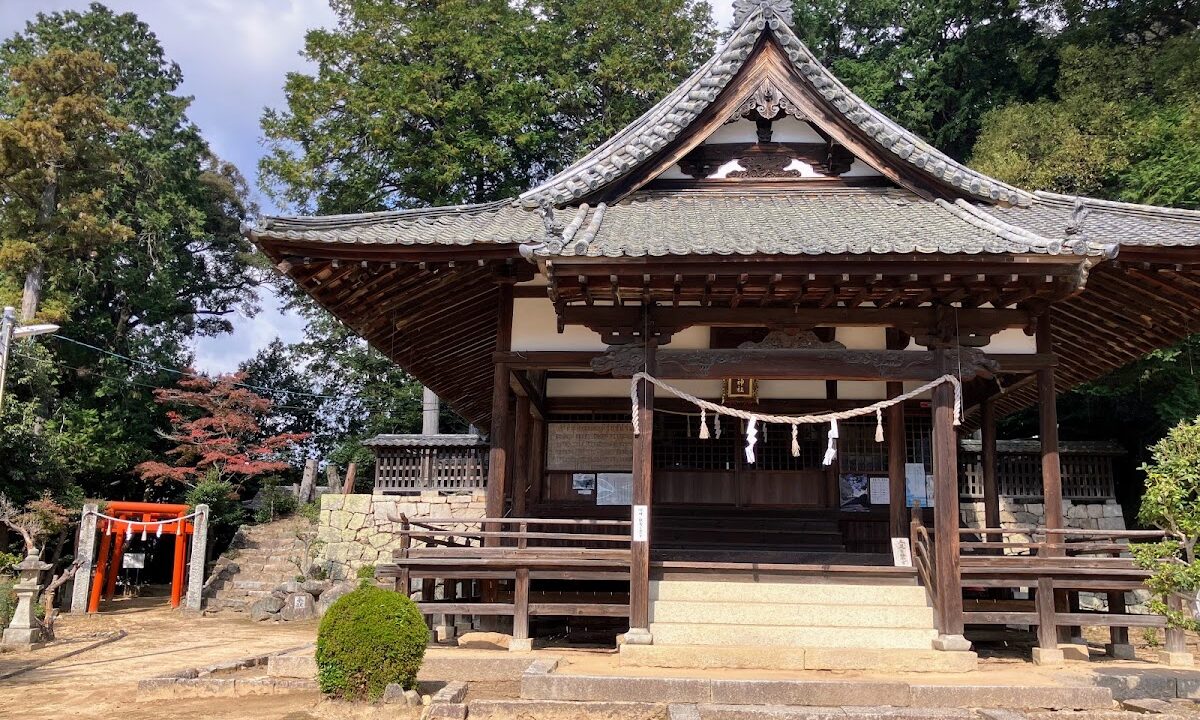
Complete Guide to Kurumegi Shrine (Hiroshima Prefecture) | History of the Atomic Bomb Survivor Building and Visiting Information
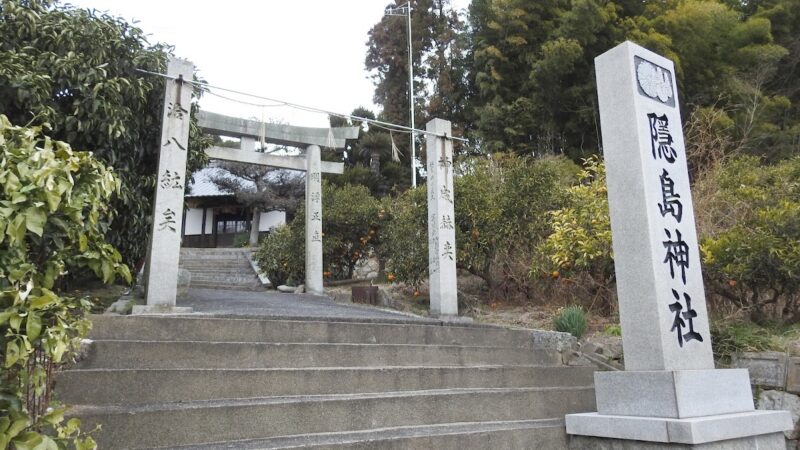
Kurumegi Shrine, located in Kurumegi, Tosaka, Higashi-ku, Hiroshima City, is a venerable shrine with a history of over a thousand years. As a valuable building that survived the atomic bombing and escaped collapse, it is an important cultural asset that conveys Hiroshima’s history and peace to the present day.
History and Origins of Kurumegi Shrine
Long History from the Heian Period
The founding of Kurumegi Shrine dates back to the Heian period. It is believed to have begun in 860 AD (Jōgan 2) with the enshrinement of Shinatsuhiko-no-kami and Kotoshironushi-no-kami. Later, in 984 AD (Eikan 2), the three Hachiman deities (Emperor Chūai, Empress Jingū, and Emperor Ōjin) were enshrined, resulting in the current composition of enshrined deities.
The shrine is located on an isolated hill approximately 20 meters above sea level, just south of Senzoku, where the ancient Sanyo Road crossed the Ota River. This small hill, known as “Miyanoyama,” has been revered as a sacred place since ancient times.
Role as the Sōsha (Chief Shrine) of Sato District
In 1274, during the Kamakura period, Takeda Nobutoki, who became the governor of Aki Province, designated Kogurigi Shrine as the Sōsha (chief shrine) of Sato District. A Sōsha is a shrine that enshrines the deities of multiple shrines in a specific region, playing an important role in protecting the entire area. For this reason, Kogurigi Shrine has been deeply revered by the local residents as the center of faith in this area.
Reconstruction in the Edo Period
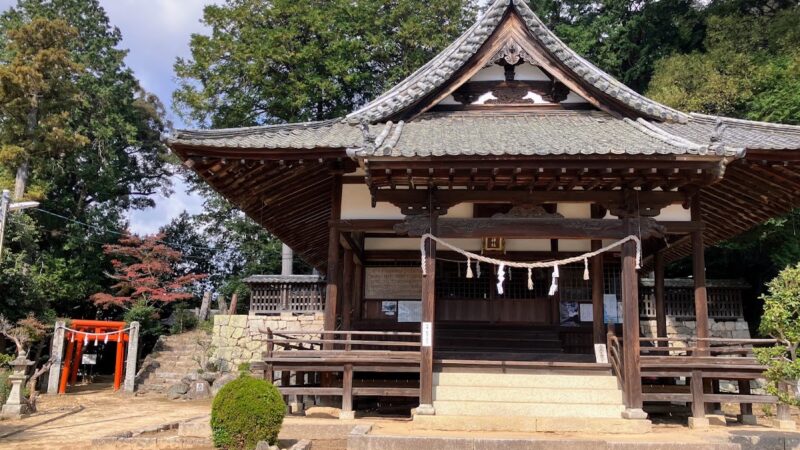
The current worship hall was rebuilt in 1805, making it a valuable structure with over 200 years of history. It is an important cultural heritage site that conveys the architectural style of the late Edo period.
Kokurigi Shrine as an Atomic Bomb Survivor
Damage from the Atomic Bomb
On August 6, 1945, the first atomic bomb in human history was dropped on Hiroshima. Kokurigi Shrine was located approximately 4.9 kilometers from the hypocenter, yet it still suffered extensive damage.
The specific damage is as follows:
- The pillars on the west side of the worship hall were driven inward by the blast.
- The earthen wall was damaged.
- The ceiling of the eastern room was breached.
- The entire building tilted.
Despite suffering such extensive damage, the main hall and worship hall of Kokurigi Shrine escaped collapse and remain in their original form to this day.
Registration on Hiroshima City’s List of Atomic Bomb Survivor Buildings
The main hall and worship hall of Kokurigi Shrine are officially registered on Hiroshima City’s list of atomic bomb survivor buildings. As a valuable structure that conveys the threat of the atomic bomb to future generations, it serves as important material for peace education.
The fact that such extensive damage occurred even at a location approximately 5 kilometers from the hypocenter speaks volumes about the immense destructive power of the atomic bomb. While several atomic-bombed buildings remain in Hiroshima City, this shrine architecture is particularly valuable.
Discovery of a 100-Year-Old Photograph
In 2014, a valuable photograph believed to have been taken over 100 years ago of Kurumegi Shrine was discovered. This photograph shows the Kurumegi Toyoho Inari Shrine, which was destroyed by the atomic bomb.
The Toyoho Inari Shrine was completely destroyed by the atomic bomb and no longer exists. This photograph holds extremely high historical value as the only document that allows us to know the appearance of the lost structure. The discovery of this photograph was of great significance in understanding the full extent of the shrine before the bombing.
Deities and Divine Virtues
Main Deities
The main deities of Kogurigi Shrine are the three Hachiman deities:
Emperor Chuai
The 14th Emperor. Known as an emperor of exceptional military prowess.
Empress Jingu
Empress of Emperor Chuai. A legendary woman known for the legend of her conquest of the Three Kingdoms of Korea.
Emperor Ojin
The 15th Emperor. Worshipped as Hachiman-sama in Hachiman shrines throughout Japan.
Enshrined Deities
Along with the main deities, the following deities are enshrined in the auxiliary shrine:
Fuhaku-shin (Shinatsuhiko-no-kami)
The god who controls the wind. Protects safe voyages and abundant harvests.
Kotoshironushi-no-Kami
The god of business prosperity and maritime safety. He is affectionately known as Ebisu-sama.
Divine Virtues
Through these deities, the following divine virtues are believed to be bestowed at Kokurigi Shrine:
- Protection from misfortune and disaster
- Family safety
- Business prosperity
- Abundant harvest
- Traffic safety
- Good fortune and success
In particular, as a shrine that overcame the unprecedented disaster of the atomic bomb, many people visit seeking protection from disaster.
Annual Festivals and Grand Festival
Grand Festival
The most important festival at Kokurigi Shrine is the Grand Festival. It is held every year on the Sunday closest to October 17th.
During the Grand Festival, traditional events such as the portable shrine procession and Kagura (sacred dance) performances are held, and local residents gather to celebrate the shrine’s festival in grand style. This is an important event that carries on the traditions of a shrine with a history of over 1,100 years since its founding.
Other Annual Events
In addition to the Grand Festival, the following annual events are held:
- New Year’s Day Festival (January 1st): A festival celebrating the New Year
- Setsubun Festival (around February 3rd): Events such as bean-throwing
- Summer Purification Ceremony (June 30th): A Shinto ritual to purify sins and impurities accumulated over the past six months
- Year-End Purification Ceremony (December 31st): A Shinto ritual to purify sins and impurities accumulated over the past year
These festivals deepen the bonds of the local community.
Highlights of the Shrine Grounds
Main Hall and Worship Hall
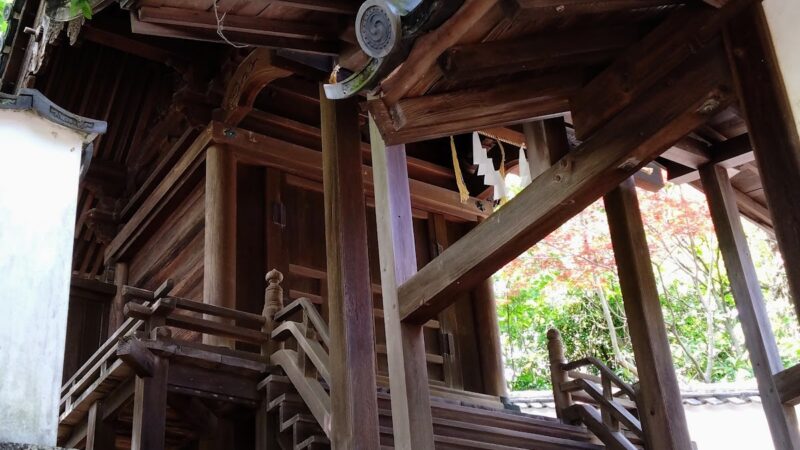
The worship hall, rebuilt in 1805 (Bunka 2), is a valuable building that retains the characteristics of late Edo period shrine architecture. Some traces of damage from the atomic bombing remain, making it an important witness to history.
To the west of the main hall, a pillar remains that was driven inward by the atomic bomb blast. This pillar silently continues to tell the story of the immense damage caused at that time.
Nature of Miyanoyama
Miyanoyama, where the shrine is located, retains abundant nature despite being in an urban area. There are large trees within the grounds, some estimated to be hundreds of years old, creating a sacred atmosphere.
Because it is situated on a hill, the shrine grounds offer panoramic views of the Tosaka district, providing a scenic vista.
Komainu and Stone Sculptures
Within the shrine grounds are stone sculptures, including komainu (guardian lion-dogs) and lanterns, dating back to the Edo period. These are also cultural assets of high historical value.
Access Information
Location
Address: 1-1-20, Tosaka Kurumegi 1-chome, Higashi-ku, Hiroshima City, Hiroshima Prefecture 732-0008
Phone Number: 082-229-0847
Nearest Station/Route
Kokkuri Shrine is located somewhat far from the center of Hiroshima City, so access by public transport is mainly by bus.
From JR Hiroshima Station:
- Distance: Approximately 5.5km
- Travel Time: Approximately 15 minutes by car, approximately 25-30 minutes by bus
From Astramline Fudoin-mae Station:
- Distance: Approximately 2.5km
- Travel Time: Approximately 30 minutes on foot, approximately 7 minutes by taxi
Nearest Bus Stop/Route
Using Hiroshima Bus is convenient.
Nearest Bus Stop: “Tosaka Kurumegi” bus stop
- Approximately 3 minutes on foot to the shrine
Main Routes:
- From Hiroshima Station: Take the Hiroshima Bus “Tosaka Line”
- Travel Time: Approximately 25 minutes
- Fare: Approximately 230 yen for adults (as of 2024)
From Kamiyacho/Hatchobori Area:
- Use the Hiroshima Bus “Tosaka Line”
- Travel Time: Approximately 30 minutes
We recommend checking the bus timetable on the Hiroshima Bus official website.
Access by Car
Approximately 5 minutes from the “Tosaka Exit” of the Hiroshima Expressway No. 1
Parking: There is parking space for visitors on the shrine grounds (spaces are limited, so congestion is expected during festivals).
Notes on Access
- The shrine is located on a small hill, so you will need to climb a slope if accessing on foot.
- We recommend that elderly people and those with mobility issues use a taxi.
- During events such as the annual festival, congestion is expected, so using public transportation is recommended.
Manners and Precautions for Visiting
Visiting Hours
While you can generally visit the shrine grounds freely, the shrine office has limited hours. If you wish to obtain a Goshuin (shrine stamp) or amulet, we recommend calling in advance to confirm.
Regarding Photography
Photography is generally permitted on the temple grounds, but please note the following:
- Photography may be prohibited inside the main hall.
- Please be considerate of other visitors.
- Please respect the historical value of the building as an atomic bomb survivor and take photographs with reverence.
Consideration for the Atomic Bomb Survivor
Kokkogi Shrine is a valuable cultural asset as an atomic bomb survivor. Please note the following:
- Do not touch or lean on the building.
- Do not enter restricted areas to protect damaged parts.
- Please pray quietly with a prayer for peace.
Nearby Tourist Attractions
Fudoin Temple
An ancient Shingon Buddhist temple located approximately 2.5 km from Kokkogi Shrine. It houses the National Treasure Golden Hall and is also known as an atomic bomb survivor.
Hiroshima Peace Memorial Park
Located in the heart of Hiroshima City, Peace Memorial Park is an essential place for learning about peace in Hiroshima, including the Atomic Bomb Dome and the Peace Memorial Museum. Visiting Kokurigi Shrine in conjunction with this location will allow for a deeper understanding of the reality of the atomic bombing.
Shukkei-en Garden
A garden that served as a villa for the Asano family, the lords of the Hiroshima domain. This beautiful Japanese garden, designated a National Place of Scenic Beauty, is conveniently located near Hiroshima Station.
Cultural Significance of Kokurigi Shrine
Center of the Local Community
For over a thousand years since its founding, Kokurigi Shrine has functioned as the center of the community in the Tosaka district. Annual events, including the Grand Festival, play a vital role in strengthening the bonds among local residents.
Educational Material for Peace Education
As an atomic bomb survivor, Kokurigi Shrine is a valuable educational material for peace education. For students visiting Hiroshima on school trips or for peace studies, visiting not only the Atomic Bomb Dome but also other atomic bomb survivor buildings throughout the city provides an opportunity to understand the reality of the atomic bombing in a more comprehensive way.
Architectural Historical Value
As a building that preserves the shrine architecture of the late Edo period, it also holds significant architectural historical value. The fact that the building retained its basic structure despite the damage caused by the atomic bomb demonstrates the high level of architectural technology at the time.
The Significance of Visiting Kokurigi Shrine
Many visitors to Hiroshima visit the Atomic Bomb Dome and the Peace Memorial Museum. However, visiting atomic bomb-damaged buildings scattered throughout the city, such as Kokurigi Shrine, allows one to more fully grasp the extent of the atomic bomb’s impact on the entire city.
The fact that buildings were severely damaged even about 5 kilometers from the hypocenter serves as a stark reminder of the horrors of nuclear weapons. At the same time, the shrine’s survival to this day, overcoming such damage, symbolizes the very history of Hiroshima’s reconstruction.
As a venerable shrine with over a thousand years of history, and as an atomic bomb-damaged building, Kokurigi Shrine is a valuable cultural heritage in two senses. Reflecting on history and offering prayers for peace in its tranquil grounds will be a meaningful experience for anyone visiting Hiroshima.
Summary
Kokkogi Shrine is a unique shrine, possessing both a long history dating back to the Heian period and a history of overcoming the greatest tragedy in human history: the atomic bombing. With its three facets—its role as the guardian shrine of Sato County, its value as a cultural asset preserving Edo-period architecture, and its role as a witness to peace as a surviving atomic bomb building—this shrine is a must-visit place when visiting Hiroshima.
Nestled on a small hill in a quiet residential area of Higashi Ward, Hiroshima City, Kokkogi Shrine continues to watch over the community. We hope that many people will come to know and visit this special place where one can feel history, peace, and the bonds of community.