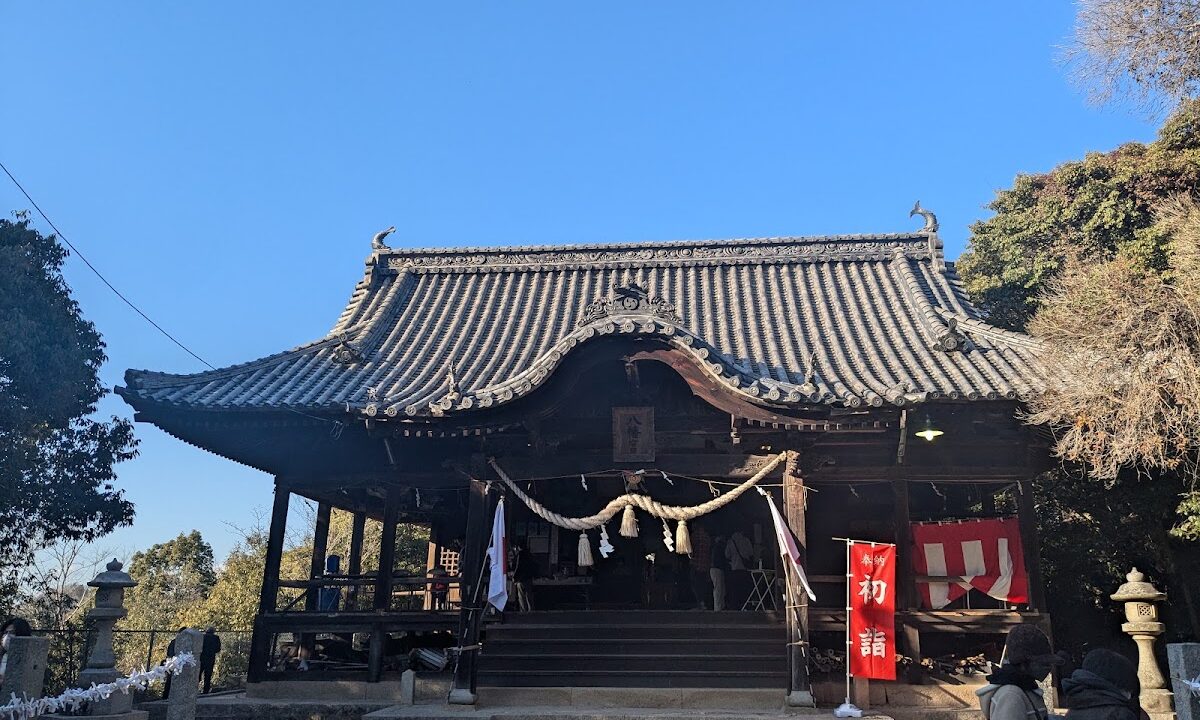
Shingu Hachimangu Shrine (Etajima City, Hiroshima Prefecture) Complete Guide | History, Deities, Access, and Highlights Explained in Detail
Shingu Hachimangu Shrine, located in Ohara, Ogaki-cho, Etajima City, Hiroshima Prefecture, is a historic shrine with a history dating back to the Heian period. Surrounded by the rich natural beauty of Etajima Island in the Seto Inland Sea, this shrine has long been cherished by the local people. This article provides a detailed explanation of everything you need to know before visiting, including the history of Shingu Hachimangu Shrine, its enshrined deities, highlights within the grounds, access methods, and nearby tourist attractions.
What is Shingu Hachimangu Shrine?
Shingu Hachimangu Shrine is a Hachiman shrine located at 1986-3 Ohara, Ogaki-cho, Etajima City, Hiroshima Prefecture. Etajima City is an island in Hiroshima Bay, known for being the site of the former Imperial Japanese Naval Academy. Within Etajima, Ogaki-cho has been a prosperous area since ancient times, and Shingu Hachimangu Shrine has been revered as the tutelary deity of this region.
The official name of the shrine is “Shingu Hachimangu,” but locals affectionately refer to it simply as “Hachiman-san” or “Hachimangu.” The shrine grounds have a quiet and peaceful atmosphere, allowing visitors to offer their prayers in tranquility.
History of Shingu Hachimangu
Origins from the Heian Period
The founding of Shingu Hachimangu is said to date back to the Heian period. While the exact year of its founding is unknown due to a lack of records, it is believed to have been established in this location during the Heian period. This makes it one of the oldest shrines in Hiroshima Prefecture.
The Heian period was also a time when Hachiman worship spread throughout Japan. Hachiman was revered as a god of war and a protector of the nation, and many Hachimangu shrines were established throughout the country. Even on the islands of the Seto Inland Sea, Hachimangu shrines were built to pray for safe voyages and regional peace.
Votive Offerings from the Edo Period
The worship hall of Shingu Hachimangu Shrine preserves numerous votive tablets and paintings donated by successive generations of worshippers. These include some from the Edo period, making them valuable resources for understanding the religious practices and local culture of that time.
During the Edo period, Etajima was part of the Hiroshima Domain, and maritime transport and fishing flourished. Shingu Hachimangu Shrine is believed to have played an important role as a place to pray for safety at sea and abundant catches. Among the donated paintings are depictions of ships and seascapes, allowing us to feel the connection between the lives and faith of the people at that time.
Developments Since the Modern Era
With the Meiji Restoration, shrines throughout Japan underwent significant changes due to the separation of Shinto and Buddhism. Shingu Hachimangu Shrine was also affected, but its worship as the local guardian shrine continued without interruption.
In the Showa era, the former Imperial Japanese Naval Academy was established in Etajima, and many naval officer candidates studied there. Shingu Hachimangu Shrine is said to have also received visits from naval personnel and served as a place of prayer for military success and safe voyages.
Even today, it is carefully preserved by the local people, and many worshippers visit during New Year’s and the annual festival.
Deities Enshrined
The deities enshrined at Shingu Hachimangu Shrine are the central gods of Hachiman worship.
Main Deity
Homudawake-no-Mikoto
This deity is the deification of Emperor Ojin, the 15th emperor, and is the central figure of Hachiman. He is widely worshipped as a god of war and as a god of industrial development. Emperor Ojin is considered an emperor who promoted exchange with the continent in ancient Japan and contributed to the development of culture.
Enshrined Deities
Empress Jingu
She was the mother of Emperor Ojin and is known for the legend of the conquest of the Three Kingdoms of Korea. She is also worshipped as a goddess of safe childbirth and child-rearing.
Hime-Ōkami
Often identified with the three Munakata goddesses, she is revered as the guardian deity of maritime traffic. In Etajima, facing the Seto Inland Sea, she is an important deity for prayers for safe voyages.
These enshrined deities are believed to bestow a wide range of blessings, including military success, national peace and security, safe voyages, and prosperity of descendants.
Highlights of the Shrine Grounds
Worship Hall and Main Sanctuary
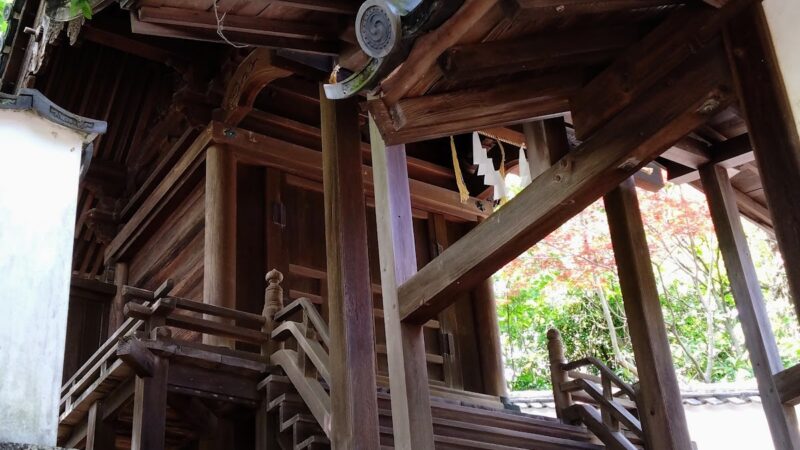
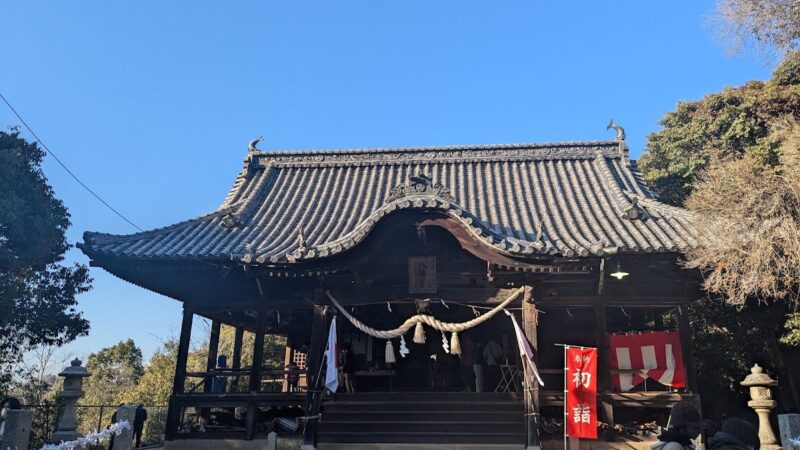
The worship hall of Shingu Hachimangu Shrine maintains a traditional shrine architectural style. Upon entering the worship hall, you can see votive ema (votive tablets) and paintings adorning the ceiling and walls. These were donated by believers from various eras, from the Edo period to the present day, and are valuable cultural assets that reflect the faith of each era.
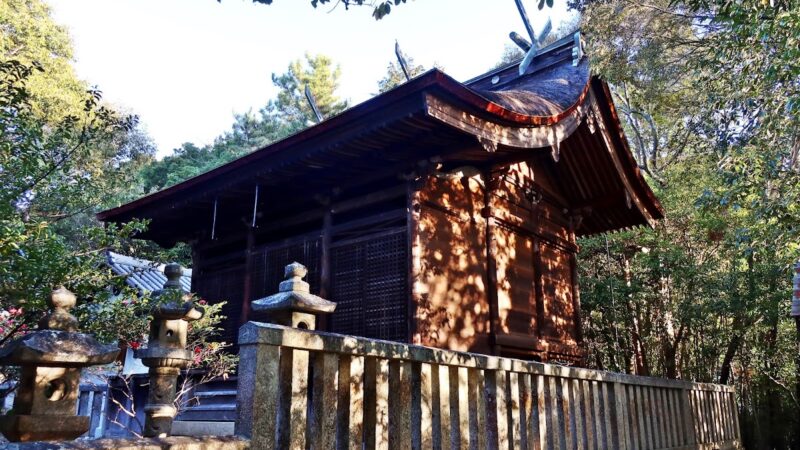
The main sanctuary is located behind the worship hall and enshrines the deities. With its traditional style featuring cypress bark or copper roofing, it exudes a sacred atmosphere amidst its tranquil presence.
Atmosphere of the Shrine Grounds
The shrine grounds are surrounded by the rich nature of Etajima, allowing visitors to enjoy the scenery of each season. Cherry blossoms bloom in spring, the greenery is lush in summer, the autumn leaves are beautiful, and a tranquil atmosphere envelops the grounds in winter.
The grounds are lined with ancient trees, and their shade provides coolness and peace to visitors. The quiet environment, where only the chirping of birds and the sound of the wind can be heard, is perfect for escaping the hustle and bustle of the city and finding peace of mind.
Stone Monuments and Komainu (Guardian Dogs)
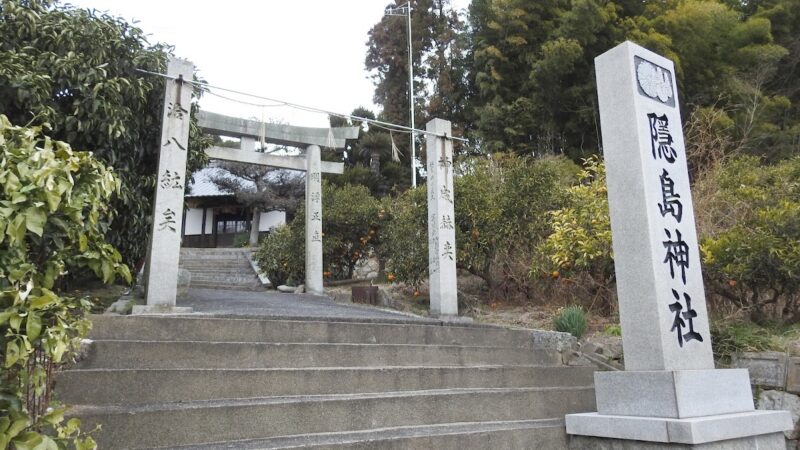
The shrine grounds are dotted with stone monuments and guardian dogs that evoke a sense of history. The guardian dogs stand on either side of the approach to the shrine, protecting it. Their expressions and forms vary depending on the era, with some dating back to the Edo and Meiji periods.
The stone monuments are inscribed with the history of the shrine and the names of the donors, providing clues to the history of the region.
Festivals and Events
Shingu Hachimangu Shrine holds various festivals and events throughout the year.
Annual Grand Festival
The annual grand festival, held every autumn, is the most important festival at Shingu Hachimangu Shrine. Local people gather for a procession of portable shrines and offerings. Prayers are offered for a bountiful harvest and the safety of the community, and traditional performing arts are sometimes performed.
New Year’s Visit
At the start of the new year, many worshippers visit the shrine for their first shrine visit of the year. It is bustling with people praying for safety throughout the year, family well-being, and business prosperity. The number of worshippers is especially high from New Year’s Day to the third day, making it a local New Year’s tradition.
Other Annual Events
- Setsubun Festival: On Setsubun in February, bean-throwing ceremonies are held to ward off evil and invite good fortune.
- Summer Purification Ceremony: A Shinto ritual to purify oneself of the impurities accumulated over the past six months is held at the end of June.
- Shichi-Go-San (7-5-3 Festival): In November, visitors come to celebrate Shichi-Go-San, a festival celebrating the growth of children.
These events are passed down as local traditions, demonstrating Shingu Hachimangu Shrine’s central role in the local community.
Basic Information
Location
Address: 1986-3 Ohara, Ogaki-cho, Etajima City, Hiroshima Prefecture
Telephone Number: Information may not be publicly available. Please contact the Etajima City Tourism Association (0823-42-4871).
Visiting Hours: The shrine grounds are generally open all day, but the hours of the shrine office may be limited.
Admission Fee: Free
Parking: Parking is available around the shrine grounds, but spaces are limited, so using public transportation is recommended during festivals.
Access Methods
Access by Car
From Hiroshima City to Etajima City, take the Hiroshima-Kure Expressway (Kure Line) into Kure City, then cross the Ondo Bridge or Hayase Bridge to reach Etajima.
- From Hiroshima City: Approximately 1 hour 30 minutes
- From Kure City: Approximately 40 minutes
Once on Etajima, head south on Prefectural Road 36 towards Ogaki-cho. Shingu Hachimangu Shrine is located in the Ohara district of Ogaki-cho. Using road signs or map apps will make it easier to find.
Access by Public Transportation
Bus
Use the “Etajima Bus” that operates within Etajima City. The nearest bus stop is “Kochi,” and Shingu Hachimangu Shrine is approximately a 2-minute walk (about 150m) from the bus stop.
The most common route is to take a ferry from Hiroshima Port or Kure Port to Etajima, and then transfer to a bus from the port on Etajima.
Ferry
- Hiroshima Port to Etajima (Koyō Port/Nakamachi Port): Approximately 30 minutes
- Kure Port to Etajima (Koyō Port/Nakamachi Port): Approximately 20 minutes
From the port, take a bus towards Ōgaki and get off at the Kōchi bus stop. Since bus service is limited, it is recommended to check the timetable in advance.
Nearest Bus Stop and Routes
- Bus Stop Name: Kōchi
- Operating Company: Etajima Bus
- Main Routes: Koyō Port to Ōgaki High School, Nakamachi Port to Ōgaki High School, etc.
For bus timetables and fares, please check the Etajima Bus official website or the Etajima City Tourism Association.
Nearby Tourist Attractions
When visiting Shingu Hachimangu Shrine, it is recommended to also visit other tourist attractions in Etajima City.
Japan Maritime Self-Defense Force 1st Technical School (Former Naval Academy)
A representative tourist spot in Etajima City, the former Naval Academy buildings are still in use today. General tours are available, allowing visitors to see historical buildings and the Educational Reference Museum. Reservations are required, so please check in advance.
Ogaki Nature and Environment Experience Learning and Exchange Center (Satoumi Science Museum)
A facility where you can learn about the nature and ecosystem of the Seto Inland Sea. It has a touch pool and exhibition corners, making it popular with families.
Dabozan Mountain
A mountain with an elevation of 438m, offering panoramic views of the Seto Inland Sea islands from its summit. It’s a popular hiking course, allowing visitors to enjoy the changing seasons.
Furutakayama Mountain
Located in the northern part of Etajima City, this mountain has an observation deck at its summit. It’s a spectacular viewpoint overlooking Hiroshima Bay and Kure city.
Etajima Olive Factory
This facility sells products made with olives grown on Etajima Island. You can purchase olive oil, cosmetics, food products, and more. A cafe is also attached, where you can enjoy olive-based dishes.
Beautiful Coastline
Etajima is an island in the Seto Inland Sea, boasting a beautiful coastline. There are many beaches and spots for marine sports, attracting many tourists during the summer.
Nearby Shops & Restaurants
Seafood Cuisine
Etajima is rich in fresh seafood. Restaurants and eateries serving dishes made with seafood caught at the local fishing port are scattered throughout the area. Oysters, in particular, are a specialty of Hiroshima Prefecture, and oyster farming is thriving on Etajima. In winter, you can enjoy grilled oysters and fried oysters.
Olive Products
Etajima is known as the “Olive Island of the Seto Inland Sea” due to its thriving olive cultivation. Olive oil and processed olive products are popular souvenirs.
Cafes and Coffee Shops
There are cafes on the island where you can relax while enjoying the ocean view. Some shops offer lunches and sweets made with local ingredients, making them perfect for a break during sightseeing.
Points to Note When Visiting Shingu Hachimangu Shrine
Shrine Visiting Manners
When visiting a shrine, please observe basic manners.
- Bow before passing through the torii gate: Bow before entering the sacred area, in front of the torii gate.
- Purify yourself at the water basin: Purify your hands and mouth at the water basin.
- Avoid the center of the approach: The center of the approach is considered the path of the gods, so walk along the sides.
- Etiquette at the main hall: The basic ritual is two bows, two claps, and one bow.
Regarding Photography
Photography is generally permitted within the shrine grounds, but photography inside the main hall or during festivals may be discouraged. If you have any questions, please check with shrine staff.
About Goshuin (Shrine Seals)
Shingu Hachimangu Shrine may offer Goshuin, but this is not always the case. If you wish to receive a Goshuin, it is recommended to check in advance or visit during the shrine office’s opening hours.
The Charms of Etajima City
Etajima City is an island blessed with the warm climate and abundant nature of the Seto Inland Sea. Formerly known as the “Navy Island” due to the presence of the former Imperial Japanese Naval Academy, it is now a thriving center for tourism, olive cultivation, and mandarin orange farming.
The entire island offers a relaxed atmosphere, making it ideal for escaping the hustle and bustle of city life and refreshing yourself. Outdoor activities such as cycling, hiking, and swimming are also abundant.
It is easily accessible from Hiroshima City and Kure City, making day trips possible, but accommodations are also available, allowing you to fully enjoy the island’s charms at your leisure.
Summary
Shingu Hachimangu Shrine is an important shrine in Ogaki-cho, Etajima City, with a history and tradition dating back to the Heian period. With its tranquil grounds, historical offerings, and a place of worship cherished by the local community, Shingu Hachimangu Shrine offers peace of mind to visitors.
When sightseeing in Etajima, be sure to include a visit to Shingu Hachimangu Shrine in your itinerary to experience the beautiful nature and historical culture of the Seto Inland Sea. Combining it with nearby tourist attractions and local cuisine will make for a more fulfilling trip.
When visiting Hiroshima Prefecture, why not explore the charms of the islands as well as the mainland? Shingu Hachimangu Shrine is a valuable spot where you can experience the history and culture of Etajima.