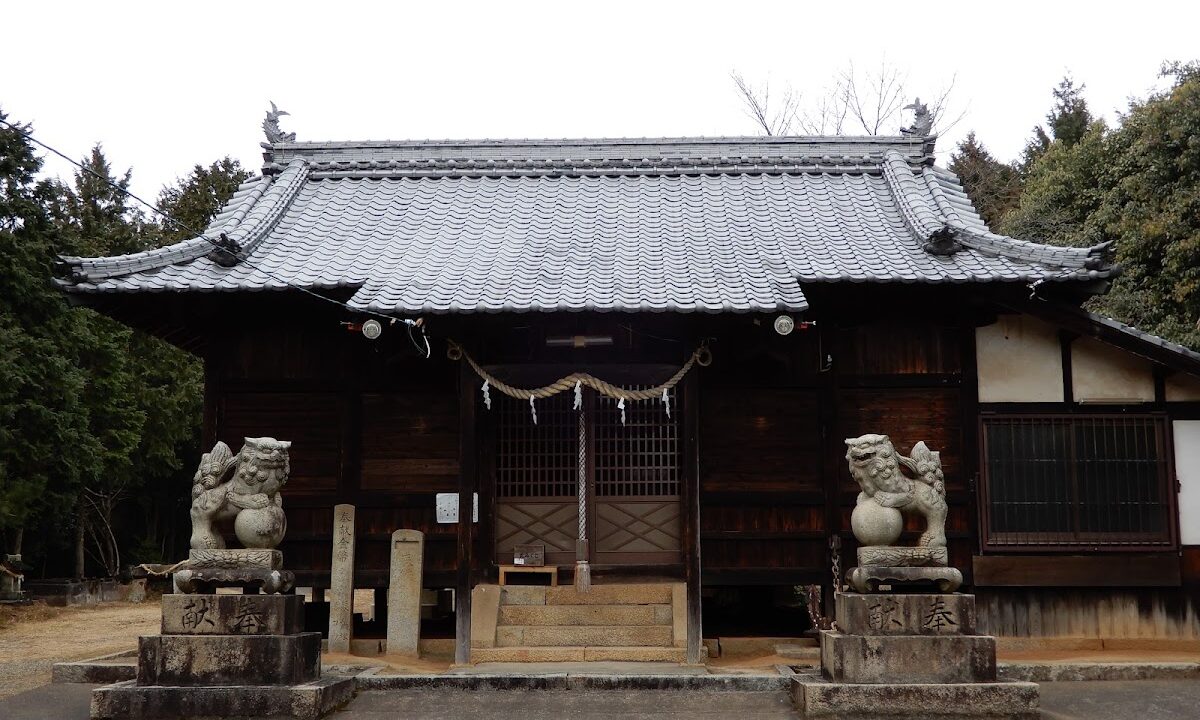
Complete Guide to Kōzaki Shrine (Mihara City, Hiroshima Prefecture) | History, Blessings, and Access Information
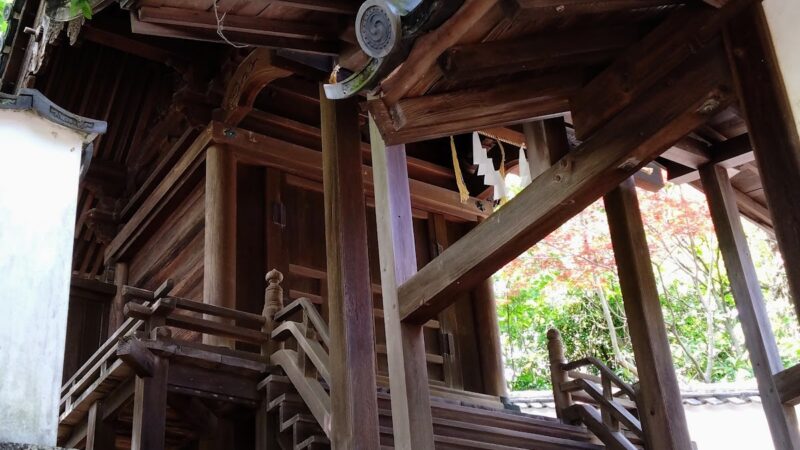
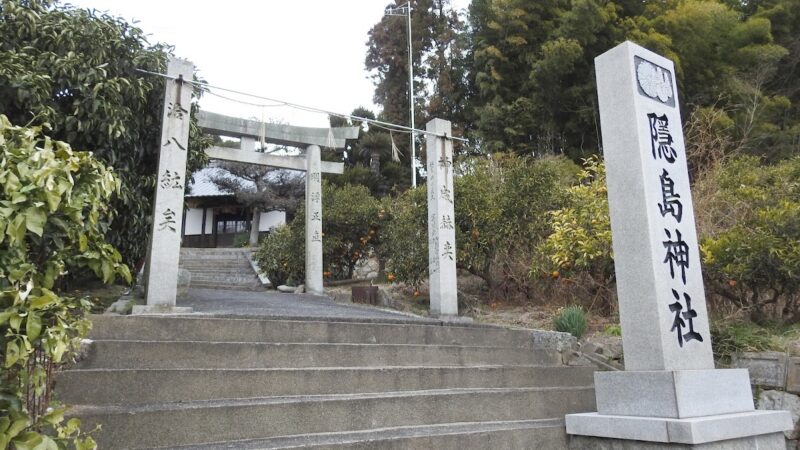
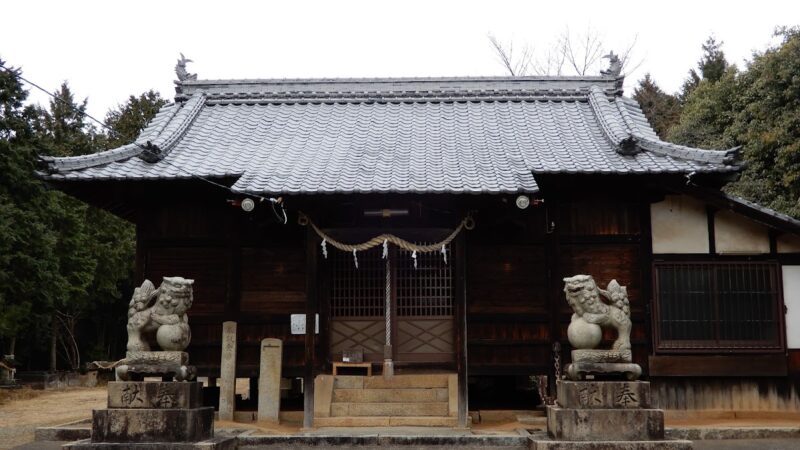
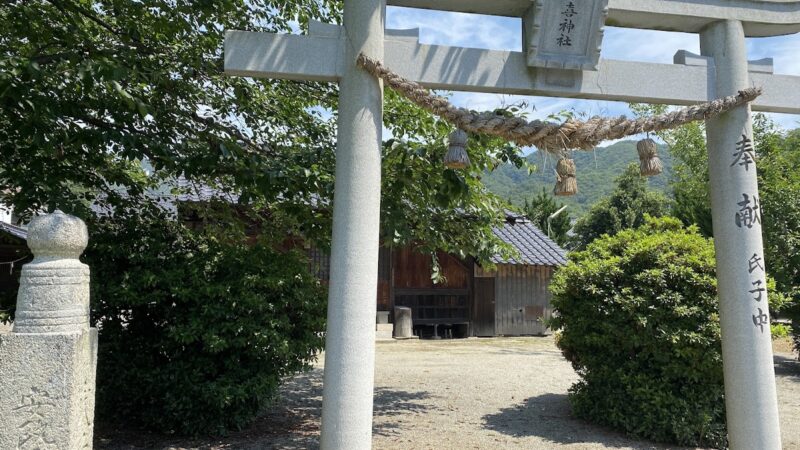
Kōzaki Shrine, located in Nōji, Kōzaki-chō, Mihara City, Hiroshima Prefecture, is a historically significant shrine rooted in the local community, known as the birthplace of Seto Inland Sea fishing. This article provides detailed information about Kōzaki Shrine and other representative shrines and temples in Mihara City, along with the history of the region.
Basic Information about Kōzaki Shrine
Kōzaki Shrine is located at 4-19-15 Nōji, Kōzaki, Mihara City, Hiroshima Prefecture, and has long been a place of worship for local residents. Kōzaki-chō was formerly known as Saezaki and was an independent town belonging to Toyoda District, Hiroshima Prefecture, until it was incorporated into Mihara City on September 30, 1956 (Showa 31).
Location and Access
Address: 4-19-15 Kōzaki Nōji, Mihara City, Hiroshima Prefecture
Phone Number: 0848-69-0611
Nearest Station: Approximately 20 minutes on foot (approx. 1.7 km) from JR Kure Line “Aki-Kōzaki Station”
Kōzaki-Nōji is a residential area, but it is blessed with a rich natural environment facing the Seto Inland Sea. Parks and other facilities are maintained around the shrine, allowing visitors to enjoy a peaceful time with the majestic mountains as a backdrop.
Parking
For details regarding parking for shrine visitors, we recommend contacting the shrine in advance. Since the Kōzaki-Nōji area is a residential area, please avoid street parking and be considerate of the neighbors.
History and Cultural Background of Kōzaki-cho
Kōzaki-Nōji is a town that has prospered from fishing since ancient times, as it is the birthplace of Seto Inland Sea fishing, as mentioned in the Nihon Shoki (Chronicles of Japan). This region has a long history, and has fostered a unique culture through its deep connection with the sea.
Connection to Seto Inland Sea Fisheries
Kōzaki has been a thriving fishing area since ancient times, and its inhabitants have lived off the abundant blessings of the Seto Inland Sea. This historical background has influenced the local Shinto shrine worship, and a belief in maritime safety and bountiful catches has taken root.
Changes in Place Names
The change in place name from the old name “Saezaki” to “Kōzaki” reflects the people’s desire for the development and happiness of the region. The current Kōzaki-chō Nōji is divided into 1-chome to 7-chome, each with its own history and characteristics.
Major Shrines and Temples in Mihara City
Mihara City, where Kōzaki Shrine is located, is dotted with numerous historical shrines and temples. Here, we introduce some of the representative temples and shrines of Mihara City.
Buttsuji Temple
Buttsuji Temple is a representative Rinzai Zen temple in Mihara City, Hiroshima Prefecture, and is known as the family temple of the Kobayakawa clan. Founded in 1397 by Kobayakawa Haruhira, this temple is one of the leading Zen temples in the Chugoku region and attracts many visitors.
Highlights of Buttsuji Temple
Passing through the magnificent temple gate, visitors are greeted by the solemn main hall. Many buildings associated with the Kobayakawa clan are preserved on the temple grounds, allowing visitors to feel the deep connection with Kobayakawa Takakage, a famous general of the Sengoku period. Especially during the autumn foliage season, the temple grounds are beautifully colored and bustling with tourists.
Access and Parking
Buttsuji Temple has a parking lot for visitors, making it easily accessible by car. It is located about 30 minutes by car from the center of Mihara City, in a mountainous area rich in nature.
Itosaki Shrine
Itosaki Shrine is a historic shrine located in Itosaki, Mihara City, Hiroshima Prefecture. It is known as a venerable shrine with a legend that Empress Jingu anchored her ship offshore during her western expedition.
Deities and Blessings
Itosaki Shrine, associated with Empress Jingu, is believed to offer blessings for safe voyages, safe travels, and good fortune. It is affectionately known as the “guardian deity of Itosaki” by the local people and attracts many worshippers throughout the year.
Shrine Characteristics
The grounds of Itosaki Shrine are situated in a prime location overlooking the Seto Inland Sea, creating an atmosphere that evokes a deep connection to the sea. As an important cultural asset that conveys the history and traditions of the region, it occupies a special place in the religious culture of Mihara City.
Mihara Hachimangu Shrine
Mihara Hachimangu Shrine is a prestigious shrine located in the heart of Mihara City, revered as the guardian shrine of the region. The exact founding date is unknown because the main hall, treasure house, and shrine records were destroyed in a fire during the war between the Ouchi and Amago clans in 1504. However, it is certain that it is an ancient shrine that existed before that time.
History and Reconstruction
Mihara Hachimangu Shrine was once destroyed by fire during the Sengoku period, but it is said to have been rebuilt by Kobayakawa Takakage, who became the lord of Mihara Castle. Due to its deep connection with Mihara Castle, the shrine has developed alongside the castle town of Mihara.
Annual Events
Mihara Hachimangu Shrine holds various festivals throughout the year. The autumn grand festival, in particular, is grand and bustling with local residents and worshippers. Many people visit the shrine at important life events such as New Year’s Day, Shichi-Go-San (a traditional rite of passage for children), and exorcisms, making it a spiritual pillar for the citizens of Mihara.
Mitsugi Hachimangu Shrine
Mitsugi Hachimangu Shrine is a historic shrine located in Mitsugi-cho, Mihara City. As a shrine of Hachiman worship, it is known for its blessings of military success, good fortune in competitions, and family safety.
Connection to the Community
Mitsugi Hachimangu Shrine has long been revered by local residents as the tutelary deity of the Mitsugi area. In the agriculturally prosperous Mitsugi region, it also plays an important role as a place to pray for a bountiful harvest.
Atmosphere of the Shrine Grounds
The quiet grounds, surrounded by nature, provide an ideal environment for peaceful worship. Many local residents visit not only on special occasions but also during their daily walks, making it a beloved shrine integrated into their lives.
Sokoji Temple
Sokoji Temple is a historic temple in Mihara City and one of the important temples that convey the region’s Buddhist culture. Since its establishment, it has functioned as a center of the region’s spiritual culture, supported by many parishioners.
Characteristics of the Temple
The grounds of Sokoji Temple preserve historical buildings, offering visitors tranquility and peace. It is a valuable resource for understanding the region’s history and is highly regarded as a cultural asset of Mihara City.
Yoneyamaji Temple
Yoneyamaji Temple, located in Mihara City, is a historical temple that has attracted the faith of local residents. While there are various theories regarding the origin of its name and the circumstances of its founding, it is known as a temple that has walked hand in hand with the community throughout its long history.
Role of the Temple
Yoneyamaji Temple plays a role as a spiritual pillar of the local community through Buddhist services such as funerals and memorial services. Maintaining strong ties with the community through the danka system (parishioner system), it continues to function as an important religious facility even today.
Searching for Temples and Shrines in Mihara City by Genre
Mihara City has over 50 shrines and temples, each with its own unique history and characteristics. Here, we introduce how to search for temples and shrines in Mihara City by purpose and genre.
Finding a Shrine
Shrines in Mihara City are classified into various categories, such as Hachiman-gū, Tenjin-gū, and Inari-gū. You can choose a shrine based on the blessings and enshrined deities, allowing you to select a shrine according to your purpose, such as New Year’s visit, exorcism, or prayer for safe childbirth.
Main Classification by Blessing:
- Business Prosperity/Financial Luck: Inari-gū shrines
- Academic Success: Tenjin-gū shrines
- Family Safety/Exorcism: Hachiman-gū shrines
- Maritime Safety/Fishing: Shrines near the sea (e.g., Itosaki Shrine)
Finding a Temple
Temples in Mihara City include temples of various sects, such as Rinzai-shu, Jodo-shu, and Shingon-shu. There are diverse options, from large temples like Buttsuji to small, community-oriented temples.
Characteristics by Sect:
- Rinzai Sect: Emphasizes Zen teachings (e.g., Buttsuji Temple)
- Jodo Sect/Jodo Shinshu Sect: Teachings centered on Nembutsu (recitation of Amida Buddha’s name)
- Shingon Sect: Has a tradition of Esoteric Buddhism
Search by Region
Since Mihara City is spread over a wide area, searching for temples and shrines by region is also effective. Temples and shrines with unique characteristics are scattered throughout each area, such as the former Mihara city center, Kozaki-cho, Itozaki, and Mitsugi.
Main Areas:
- Mihara City Center: Temples and shrines around Mihara Hachimangu Shrine and Mihara Castle Ruins
- Kozaki-cho Area: Kozaki Shrine, etc.
- Itozaki Area: Itozaki Shrine, etc.
- Mitsugi Area: Mitsugi Hachimangu Shrine, Buttsuji Temple, etc.
Narrowing Down by Conditions
When choosing temples and shrines to visit, you can narrow down your search using the following conditions:
- Parking Availability: Consider access by car
- Goshuin (Temple/Shrine Seal) Issuance: For those collecting Goshuin
- Special Events: Presence of festivals or special viewings
- Cultural Property Availability: Preservation status of historical buildings and works of art
- Barrier-Free Accessibility: Presence of stairs and wheelchair accessibility
The Relationship Between Mihara City’s History and Temples and Shrines
Indispensable to discussing the history of Mihara City are the existence of Kobayakawa Takakage, a famous general of the Sengoku period, and Mihara Castle. Kobayakawa Takakage was born the third son of Mori Motonari. After inheriting the Kobayakawa family, he built Mihara Castle and ruled this region.
The Kobayakawa Family and Temples and Shrines
The Kobayakawa family provided generous protection to the temples and shrines within their territory and were involved in the construction and reconstruction of many temples. In particular, Buttsuji Temple served as the Kobayakawa family’s ancestral temple, attracting the faith of successive family heads and developing through numerous donations. Mihara Hachimangu Shrine is also said to have been rebuilt by Kobayakawa Takakage, demonstrating the deep connection between the Kobayakawa family and the temples and shrines of Mihara City.
Mihara Castle and the Development of the Castle Town
Mihara Castle was also known as the “Floating Castle,” a unique structure facing the sea. Many temples and shrines were built in Mihara, which developed as a castle town, attracting the faith of samurai, merchants, and artisans. Even today, temples and shrines that retain the atmosphere of the castle town era are scattered throughout the central part of Mihara City.
Shrines and Temples in and around Mihara City
Numerous temples and shrines worth visiting exist in Fukuyama City, Takehara City, and Onomichi City, which are adjacent to Mihara City.
Temples and Shrines in Takehara City
Takehara City has many historical temples, including Chosei-ji Temple. Chosei-ji Temple has an observation deck at the top of a staircase, offering a wonderful view overlooking the beautiful townscape of Takehara. Takehara is known as “Little Kyoto of Aki,” and is an area where traditional townscapes are preserved, making it enjoyable to stroll around in conjunction with visiting temples and shrines.
Temples and Shrines in Fukuyama City
Fukuyama City is a core city in eastern Hiroshima Prefecture and has many shrines and temples. Temples and shrines from the castle town era remain around Fukuyama Castle, and unique temples and shrines are scattered throughout the city. Fukuyama City is easily accessible from Mihara City by car in about 30 minutes.
Manners and Etiquette for Visiting Shrines and Temples
When visiting shrines and temples, it is important to observe basic manners for visiting.
Etiquette for Visiting a Shrine
- How to Pass Through the Torii Gate: Bow before passing through the torii gate.
- How to Wash Your Hands: Wash your left hand, right hand, and mouth in that order.
- How to Worship: The basic method is two bows, two claps, and one bow.
- Offering Money: There is no set amount, but offer it respectfully.
Etiquette for Visiting a Temple
- Bow at the Temple Gate: Bow before passing through the temple gate.
- How to Wash Your Hands: Wash your hands and mouth as at a shrine.
- How to Worship: Join your hands in prayer and pray quietly (do not clap).
- Incense: If provided, you may offer incense.
Regarding Photography
Photography is permitted on the grounds of many temples and shrines, but it may be prohibited inside the main hall or in special areas. Always check the signs, and if you have any questions, ask at the shrine or temple office.
Mihara City Temple and Shrine Sightseeing Plan
Here’s a recommended sightseeing plan for efficiently visiting the temples and shrines of Mihara City.
Half-Day Course (City Center)
Duration: Approximately 4 hours
- Mihara Hachimangu Shrine (9:00-10:00): Visit the main shrine of the city center
- City Center Temple Tour (10:00-11:30): Visit several temples on foot
- Lunch (11:30-13:00): Enjoy local octopus dishes in Mihara city center
Full-Day Course (Wider Area)
Duration: Approximately 8 hours
- Buttsuji Temple (9:00-11:00): Visit the Kobayakawa family’s ancestral temple and stroll around the grounds
- Lunch (11:30-12:30): Eat in the surrounding area
- Itosaki Shrine (13:30-14:30): Visiting shrines associated with Empress Jingu
- Mihara Hachimangu Shrine (15:00-16:00): Visiting a central shrine in the city center
- Kousaki Shrine (16:30-17:00): Visiting a shrine in an area overlooking the Seto Inland Sea
Recommended Seasons
- Spring (March-May): Beautiful fresh greenery and pleasant weather
- Autumn (October-November): Stunning autumn foliage, Buttsuji Temple is especially recommended
- New Year’s Visit (January): Major shrines such as Mihara Hachimangu Shrine will be crowded
- Summer (June-August): Heat precautions are necessary, early morning visits are recommended
Mihara City’s Local Products and Souvenirs
When visiting Mihara City, be sure to check out the local products.
Octopus Dishes
Mihara City is known as the “City of Octopus,” and dishes made with fresh octopus are a local specialty. You can enjoy octopus prepared in various ways, such as octopus rice, octopus tempura, and octopus sashimi.
Local Sake
Hiroshima Prefecture is a famous sake-producing region, and there are excellent sake breweries around Mihara City. Purchasing local sake as a souvenir of your visit is highly recommended.
Goshuin (Shrine/Temple Seals)
Collecting goshuin (shrine/temple seals) is a popular way to commemorate your temple and shrine visits. Each temple and shrine offers its own unique goshuin (around 300-500 yen).
Summary
Kōzaki Shrine is a historical shrine deeply rooted in the community, located in Nōji, Kōzaki-chō, Mihara City, Hiroshima Prefecture. Situated in Kōzaki-chō, which has a special history as the birthplace of Seto Inland Sea fishing, it continues to attract the faith of local residents.
In addition to Kōzaki Shrine, Mihara City boasts numerous other historic shrines and temples, including Buttsūji Temple, Itosaki Shrine, Mihara Hachimangu Shrine, Mitsugi Hachimangu Shrine, Sōkōji Temple, and Yoneyamaji Temple. Each has deep connections to the Kobayakawa family and Mihara Castle, preserving the region’s history and culture.
When visiting Mihara City, enjoy the beautiful scenery of the Seto Inland Sea and the historic townscape while touring these temples and shrines. Through worship at these shrines and temples, you can connect with the region’s history and culture and enjoy a peaceful time.
When visiting, please observe basic manners and appreciate the unique atmosphere and history of each temple and shrine. We recommend checking the opening hours and event schedules of each temple and shrine in advance and planning your visit with ample time.
We hope your temple and shrine tour of Mihara City will be a memorable and wonderful experience.